TR
TR EN
EN

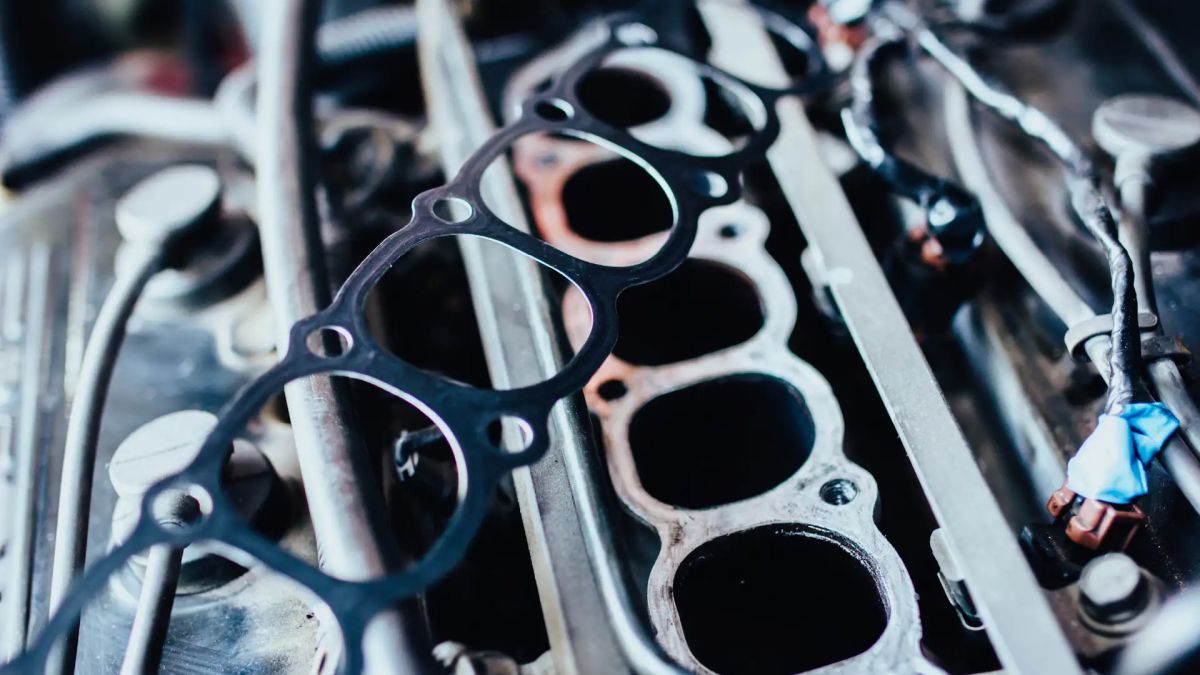
What Is an Intake Manifold Gasket? What Are the Symptoms of Failure?
The intake manifold gasket is a sealing component installed between the intake manifold and the cylinder head. Its primary purpose is to prevent air, fuel mixture, coolant, or engine oil from leaking through the connection between these components, depending on the engine design.
Although the intake manifold gasket is a relatively simple component, it plays an important role in engine operation. A small leak can allow unmetered air to enter the engine or allow coolant to escape.
Because modern engines rely heavily on precise air-fuel control, even a relatively small intake manifold leak can cause noticeable drivability problems.
Common symptoms can include:
-
Rough or unstable idle
-
High idle speed
-
Engine misfire
-
Poor acceleration
-
Increased fuel consumption
-
Check engine light
-
Lean air-fuel mixture
-
Coolant loss
-
Coolant leakage around the intake manifold
-
Hissing or whistling noises
-
Difficult starting
However, these symptoms can also be caused by other problems. A faulty intake manifold gasket should therefore be confirmed through proper diagnosis before replacement.
What Does the Intake Manifold Gasket Do?
The intake manifold is responsible for distributing intake air to the engine cylinders.
The gasket creates a sealed connection between the intake manifold and the cylinder head.
Depending on the engine configuration, the gasket may need to seal:
-
Intake air passages
-
Vacuum passages
-
Coolant passages
-
Oil passages
Not every engine uses coolant or oil passages through the intake manifold, so the exact function of the gasket depends on the engine design.
The most important function on many modern gasoline engines is preventing unwanted air from entering the intake system.
Why Is an Intake Manifold Seal Important?
The engine control unit needs to know how much air is entering the engine.
Modern engines use sensors such as the Mass Air Flow (MAF) sensor or Manifold Absolute Pressure (MAP) sensor to determine engine load and airflow.
If air enters the engine through a damaged intake manifold gasket after the air measurement point, the ECU may not know that this additional air is entering the engine.
This is commonly referred to as unmetered air.
The result can be an air-fuel mixture that is leaner than intended.
What Happens When the Intake Manifold Gasket Leaks?
The consequences depend on the type and location of the leak.
An air leak can affect engine combustion.
A coolant leak can cause coolant loss and potentially overheating.
A vacuum leak can cause unstable engine operation.
A leak between adjacent intake ports can sometimes create cylinder-specific problems.
Therefore, the same gasket can produce very different symptoms depending on where it has failed.
1. Rough or Unstable Idle
One of the most common symptoms of an intake manifold gasket leak is an unstable idle.
At idle, the intake manifold operates under significant vacuum.
A small leak can therefore have a noticeable effect on engine operation.
The engine may:
-
Shake
-
Vibrate
-
Idle unevenly
-
Rise and fall in RPM
-
Nearly stall
The problem may become less noticeable as engine speed increases because the relative effect of the vacuum leak can change.
2. High Idle Speed
An intake manifold gasket leak can also cause the engine to idle at a higher RPM than normal.
If additional air enters through the gasket, the engine may receive more air than expected.
Depending on the engine's control strategy, the ECU may attempt to compensate by adjusting fuel delivery and throttle control.
A vacuum leak is therefore one possible cause of high idle speed.
However, high idle does not automatically prove that the intake manifold gasket is damaged.
Vacuum hoses, the PCV system, EVAP system, throttle body, brake booster, and other components can produce similar symptoms.
3. Engine Misfire
A significant intake leak can disturb the air-fuel mixture enough to cause combustion problems.
This can result in:
-
Engine misfire
-
Rough running
-
Vibration
-
Loss of power
-
Check engine light
If the leak affects one particular intake runner or cylinder, the misfire may be concentrated on a specific cylinder.
The ECU may then store a cylinder-specific misfire code.
For example, diagnostic codes in the P0300 series may appear depending on the fault.
4. Check Engine Light
An intake manifold gasket leak can cause the check engine light to illuminate.
The ECU may detect abnormal fuel-trim or combustion conditions.
Possible diagnostic codes can include:
-
P0171 — System Too Lean
-
P0174 — System Too Lean
-
P0300 — Random/Multiple Cylinder Misfire
-
Cylinder-specific P0301, P0302, P0303, or P0304 codes
The exact codes depend on the vehicle.
It is important to understand that these codes do not automatically mean the intake manifold gasket is defective.
A vacuum leak is only one possible cause of lean mixture or misfire codes.
5. Lean Air-Fuel Mixture
An intake manifold leak can introduce air that was not properly accounted for by the engine management system.
This can result in a lean mixture.
The ECU may compensate by increasing fuel delivery.
This can be visible in live data through increased fuel-trim values.
Depending on the vehicle, the technician may examine:
-
Short-term fuel trim
-
Long-term fuel trim
-
MAF readings
-
MAP readings
-
Oxygen sensor readings
-
Engine RPM
-
Intake manifold pressure
Fuel-trim data can provide valuable clues when diagnosing a possible intake leak.
6. Hissing or Whistling Noise
A damaged intake manifold gasket can sometimes produce a noticeable hissing sound.
Air may be drawn through the damaged sealing area because of the vacuum inside the intake manifold.
The sound may become more noticeable:
-
At idle
-
During deceleration
-
When the engine is cold
-
When the throttle is closed
However, many other components can also create similar noises.
A cracked vacuum hose, PCV hose, intake pipe, or brake booster connection can produce a hissing sound.
7. Poor Acceleration
If an intake manifold leak is large enough, engine performance can suffer.
The engine may experience:
-
Weak acceleration
-
Hesitation
-
Reduced power
-
Poor throttle response
-
Uneven acceleration
This happens because the engine is no longer receiving the expected amount of air under the conditions calculated by the ECU.
In severe cases, the vehicle may enter a reduced-power or limp-home mode.
8. Increased Fuel Consumption
An intake manifold leak can cause the engine control system to increase fuel delivery in an attempt to compensate for excess air.
As a result, fuel consumption can increase.
However, fuel consumption changes should not automatically be attributed to the intake manifold gasket.
Other problems, including faulty oxygen sensors, MAF sensors, fuel injectors, fuel pressure problems, and thermostat or temperature-sensor issues, can produce similar effects.
9. Difficult Starting
A significant intake manifold gasket leak can make starting more difficult.
The engine may struggle to maintain the correct air-fuel mixture during startup.
Possible symptoms include:
-
Longer cranking
-
Rough starting
-
Engine stalling immediately after startup
-
Repeated attempts needed to start the engine
A small gasket leak may not cause a noticeable starting problem.
10. Coolant Leakage
Some engines have coolant passages integrated into or near the intake manifold.
If the gasket seals one of these passages and the seal fails, coolant may leak externally or internally.
Possible signs include:
-
Low coolant level
-
Visible coolant around the intake manifold
-
Sweet-smelling odor
-
Coolant stains
-
Engine overheating
Internal coolant leakage can be more serious because coolant may enter the combustion chamber or mix with engine oil, depending on the engine design.
11. Engine Overheating
If an intake manifold gasket failure causes a significant coolant leak, the cooling system may eventually lose enough coolant to cause overheating.
An overheating engine should never be ignored.
Continued operation with insufficient coolant can result in severe engine damage, including:
-
Cylinder head distortion
-
Head gasket damage
-
Piston or cylinder damage
-
Severe lubrication problems
If coolant is disappearing and the engine temperature is increasing, the vehicle should be stopped and diagnosed.
12. White Exhaust Smoke
If coolant enters a combustion chamber through a failed intake manifold gasket, the engine may produce white exhaust smoke or steam.
This symptom is particularly important because coolant entering the cylinder can cause serious engine problems.
However, white exhaust smoke can also be caused by other issues, including:
-
Head gasket failure
-
Cylinder head damage
-
Condensation
-
Other coolant leaks
The source of the coolant entry must therefore be identified.
13. Coolant Mixing With Engine Oil
In certain engine designs, a gasket failure can potentially allow coolant and oil to mix.
This may produce:
-
Milky or creamy oil
-
Abnormal oil appearance
-
Rising oil level
-
Coolant loss
However, these symptoms are more commonly associated with certain types of head gasket or engine damage.
The engine design must be considered before attributing oil contamination to the intake manifold gasket.
Intake Manifold Gasket Failure on Diesel Engines
The symptoms of an intake manifold gasket problem can be somewhat different on diesel engines.
Diesel engines use different intake and air-management strategies, particularly modern turbocharged diesels equipped with EGR systems.
A leak may affect:
-
Intake pressure
-
EGR flow
-
Turbocharger operation
-
Air-fuel control
-
Combustion
-
Emissions
Possible symptoms include:
-
Loss of power
-
Hissing noise
-
Poor acceleration
-
Increased smoke
-
EGR-related problems
-
Boost pressure abnormalities
-
Check engine light
On a turbocharged diesel engine, it is especially important to distinguish an intake manifold gasket leak from a damaged boost hose or intercooler pipe.
Intake Manifold Gasket vs Head Gasket
These two gaskets are often confused, but they have very different functions.
The intake manifold gasket seals the connection between the intake manifold and cylinder head.
The head gasket seals the cylinder head to the engine block.
A head gasket has to maintain separation between several critical areas, including:
-
Combustion chambers
-
Coolant passages
-
Oil passages
A failed head gasket can therefore produce much more serious symptoms.
The location of the leak and the engine's construction should always be considered before deciding which gasket has failed.
What Causes an Intake Manifold Gasket to Fail?
Several factors can cause the gasket to deteriorate.
Common causes include:
-
Age
-
High engine temperatures
-
Repeated heating and cooling cycles
-
Incorrect installation
-
Incorrect tightening torque
-
Warped mating surfaces
-
Excessive vibration
-
Chemical deterioration
-
Oil contamination
-
Coolant contamination
-
Poor-quality replacement gasket
Many modern intake manifold gaskets are made from rubber-like sealing materials that can harden over time.
Once the material loses its elasticity, it may no longer maintain a reliable seal.
Can an Intake Manifold Gasket Leak Without Visible Damage?
Yes.
A gasket can appear visually intact but still fail to seal correctly.
Small leaks may be difficult to identify by simply looking at the gasket.
The gasket may have:
-
Hardened
-
Flattened
-
Cracked in a hidden area
-
Lost its elasticity
-
Become permanently compressed
This is why diagnostic testing can be more reliable than visual inspection alone.
How Is an Intake Manifold Gasket Leak Diagnosed?
Diagnosis normally begins with an inspection of the intake system.
The technician may check:
-
Intake manifold
-
Gasket area
-
Vacuum hoses
-
PCV hoses
-
EVAP connections
-
Brake booster hose
-
Throttle body
-
Intake pipes
The engine should also be scanned for diagnostic trouble codes.
Live data can provide additional clues.
Smoke Testing the Intake System
A smoke test is one of the most effective methods for finding small vacuum leaks.
Smoke is introduced into the appropriate intake system under controlled conditions.
If the intake manifold gasket is leaking, smoke may escape from the sealing area.
This method can also identify leaks in:
-
Vacuum hoses
-
PCV system
-
Intake pipes
-
EVAP connections
-
Throttle body seals
Using Fuel Trim Data
Fuel-trim data can provide valuable information about a possible vacuum leak.
If the engine is running lean, the ECU may increase fuel delivery to compensate.
A technician may compare fuel trims at idle and at higher engine speeds.
A significant change between these conditions can provide clues about the location or nature of an intake leak.
However, fuel-trim readings must be interpreted together with other data.
Can an Intake Manifold Gasket Be Repaired?
In most cases, the gasket itself is replaced rather than repaired.
Sealants are generally not an appropriate substitute for a properly designed intake manifold gasket.
The correct replacement gasket should be installed according to the manufacturer's specifications.
The mating surfaces should also be clean and undamaged.
What Should Be Checked During Replacement?
Replacing an intake manifold gasket is not simply a matter of installing a new seal.
The technician should inspect:
-
Intake manifold condition
-
Cylinder head sealing surface
-
Gasket grooves
-
Bolts
-
Bolt threads
-
Manifold warpage
-
Vacuum hoses
-
PCV connections
-
Coolant passages where applicable
The bolts should be tightened in the correct sequence and to the specified torque.
Incorrect tightening can cause the new gasket to leak again.
Can You Drive With a Bad Intake Manifold Gasket?
A small vacuum leak may allow the vehicle to continue operating, but ignoring the problem is not recommended.
If the leak causes a lean mixture or repeated misfires, continued operation can potentially increase engine and emissions-system problems.
If coolant is leaking, the situation is more serious.
Driving with low coolant or an overheating engine can result in severe engine damage.
The vehicle should therefore be inspected as soon as possible if an intake manifold gasket failure is suspected.
How Much Does an Intake Manifold Gasket Affect Engine Performance?
The effect depends on the size and location of the leak.
A very small leak may cause only:
-
Slightly unstable idle
-
Small fuel-trim changes
-
Occasional warning light
A larger leak can cause:
-
Severe rough running
-
Misfires
-
High idle
-
Poor acceleration
-
Significant fuel consumption changes
-
Reduced engine power
A coolant leak can create an entirely different and potentially much more serious set of problems.
Final Thoughts
The intake manifold gasket is a relatively small component, but it performs an important sealing function between the intake manifold and cylinder head.
When it fails, the engine can develop an air leak that affects the air-fuel mixture and combustion.
Common symptoms include rough idle, high idle speed, misfire, poor acceleration, increased fuel consumption, hissing noises, check engine light, and lean-mixture fault codes.
On engines with coolant passages around the intake manifold, a gasket failure can also result in coolant leakage, overheating, or even coolant entering the combustion chamber.
However, these symptoms are not exclusive to the intake manifold gasket.
A vacuum hose, PCV system, EVAP purge valve, throttle body seal, intake pipe, MAF sensor, MAP sensor, fuel system, or another component can create similar symptoms.
For this reason, the gasket should not be replaced simply because a vehicle has a lean-mixture code or unstable idle.
The correct diagnosis requires identifying where the air, vacuum, or coolant is actually leaking. Visual inspection, OBD diagnostics, live-data analysis, fuel-trim evaluation, and smoke testing can help determine whether the intake manifold gasket is truly responsible for the problem.