TR
TR EN
EN

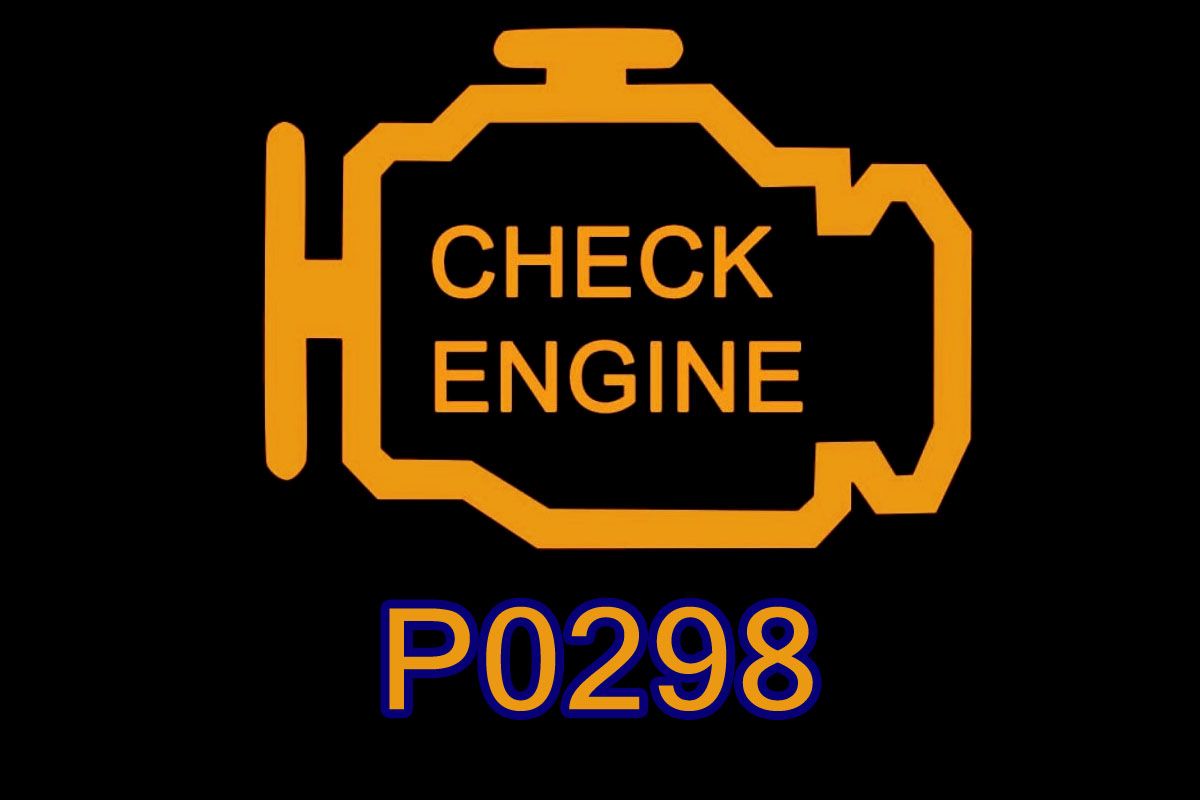
P0298 Engine Oil Over temperature Condition
The P0298 OBD-II trouble code means that the engine control module (ECM/PCM) has detected an engine oil temperature condition that is higher than the permitted operating range.
In simple terms, the ECU believes that the engine oil has become excessively hot.
Engine oil is responsible for much more than lubrication. It also helps remove heat from internal engine components, protects bearings and moving surfaces, supports hydraulic systems such as variable valve timing on many engines, and in some engines helps cool components such as turbochargers.
When oil temperature becomes excessive, the oil can lose some of its ability to protect the engine. For this reason, P0298 should not be treated as an ordinary sensor code without determining whether the oil is actually overheating.
An important distinction is that P0298 does not automatically mean the oil-temperature sensor is defective. The engine oil may genuinely be too hot, or the temperature signal reaching the ECU may be incorrect.
What Does P0298 Mean?
The code can be understood as:
-
P – Powertrain
-
02 – Manufacturer/SAE-defined powertrain fault category
-
98 – Specific diagnostic identifier
The description “Engine Oil Over Temperature Condition” indicates that the ECU has determined that the engine oil temperature has exceeded a programmed threshold or that the temperature condition is otherwise considered excessive.
The exact temperature threshold and the strategy used to set the code vary by engine and manufacturer.
There is therefore no single universal oil-temperature value that should be used to diagnose P0298 on every vehicle.
Why Is Engine Oil Temperature Important?
Engine oil operates in a demanding environment.
It lubricates components such as:
-
Crankshaft bearings
-
Connecting-rod bearings
-
Camshafts
-
Valve-train components
-
Pistons and cylinder walls
-
Timing-chain components
-
Turbocharger bearings on turbocharged engines
Depending on the engine design, oil may also operate hydraulic systems such as:
-
Variable valve timing
-
Variable camshaft timing
-
Hydraulic tensioners
-
Other oil-pressure-controlled actuators
As oil temperature rises, its viscosity changes.
If the oil becomes excessively hot, it can become less effective at maintaining the protective oil film between moving components. Severe overheating can also accelerate oil oxidation and degradation.
Symptoms of P0298
P0298 may appear with very few symptoms initially, particularly if the ECU detects the condition before serious engine damage occurs.
Possible symptoms include:
-
Check Engine Light
-
Oil temperature warning
-
Engine temperature warning
-
Reduced engine performance
-
Reduced engine power
-
Limp mode
-
Poor acceleration
-
Increased engine noise
-
Unstable operation
-
Increased oil consumption
-
Cooling fan operating frequently
-
Higher-than-normal engine temperature
-
Oil-pressure warning in severe cases
Some vehicles may reduce engine power deliberately to protect the engine.
If the oil temperature becomes excessively high, other systems can also be affected. For example, variable valve timing may not operate correctly if oil viscosity or oil pressure falls outside the expected range.
Can P0298 Cause Engine Damage?
Yes, particularly if the engine is genuinely overheating the oil and the vehicle continues to be driven under heavy load.
Excessive oil temperature can accelerate oil degradation and reduce its ability to protect highly loaded components.
Potential consequences of prolonged severe oil overheating include:
-
Increased bearing wear
-
Turbocharger damage
-
Timing-chain and tensioner problems
-
Increased piston and cylinder wear
-
Oil oxidation
-
Sludge or deposits
-
Reduced lubrication effectiveness
-
Low oil pressure when hot
P0298 therefore deserves attention even if the vehicle still appears to drive normally.
What Causes P0298?
P0298 can be caused by an actual oil-temperature problem or by an incorrect temperature signal.
Low engine oil level
Insufficient oil can contribute to abnormal oil temperature.
Oil does not only lubricate the engine; it also carries heat away from internal components.
If the oil level is significantly low, lubrication and heat transfer can both be affected.
Check the oil level using the manufacturer's recommended procedure and on a suitable level surface.
Incorrect or degraded engine oil
Using the wrong oil viscosity or oil specification can affect lubrication and thermal behavior.
Old, heavily degraded, or contaminated oil may also perform differently from fresh oil.
Always use the oil grade and specification specified for the particular engine.
Engine cooling system problem
Although P0298 specifically concerns oil temperature, engine coolant temperature and oil temperature are closely related.
A cooling-system problem can increase overall engine thermal load.
Possible causes include:
-
Low coolant level
-
Faulty thermostat
-
Restricted radiator
-
Cooling fan problem
-
Water pump problem
-
Blocked radiator
-
Air trapped in the cooling system
-
Coolant circulation problem
If the engine coolant is also overheating, the cooling system should be investigated immediately.
Faulty engine oil cooler
Some engines use an oil cooler to transfer heat from engine oil to coolant or directly to airflow.
If the oil cooler becomes restricted or its thermal performance is reduced, oil temperature can rise.
Possible problems include:
-
Restricted oil passages
-
Damaged oil cooler
-
Blocked cooler
-
Coolant-flow problem
-
Airflow restriction
Faulty oil-temperature sensor
The engine oil temperature sensor may report a temperature higher than the actual oil temperature.
In that situation, P0298 can be triggered even though the oil itself is not excessively hot.
The sensor circuit should therefore be tested rather than assuming the sensor is bad.
Oil-temperature sensor wiring problem
A damaged wire, corroded connector, poor terminal connection, or electrical short can distort the temperature signal.
Depending on the sensor design, an electrical fault can make the ECU interpret the signal as an abnormally high temperature.
Heavy engine load
Long periods of high engine load can increase oil temperature.
Examples include:
-
High-speed driving
-
Long uphill climbs
-
Towing
-
Heavy vehicle loads
-
Repeated hard acceleration
-
Track or performance driving
-
High ambient temperatures
If P0298 appears only under these conditions, the operating environment can be an important clue.
Turbocharger-related heat
On turbocharged engines, the engine oil may be responsible for lubricating and cooling the turbocharger.
A turbocharger operating under high load can add considerable heat to the oil.
A problem involving turbocharger lubrication or excessive turbocharger heat can therefore contribute to high oil temperatures.
Low oil pressure
Low oil pressure can contribute to inadequate lubrication and increased friction in certain situations.
Possible causes include:
-
Worn oil pump
-
Restricted oil pickup
-
Incorrect oil level
-
Excessive bearing clearance
-
Blocked oil passages
-
Oil-pressure control problems
Low oil pressure and high oil temperature can also reinforce each other under certain operating conditions.
Internal engine problem
In severe cases, excessive friction or abnormal combustion can increase heat generation.
Possible contributors include:
-
Bearing problems
-
Piston problems
-
Excessive friction
-
Incorrect engine timing
-
Severe detonation
-
Mechanical damage
These are less common than basic oil-level, cooling, sensor, or oil-cooler problems, but they should be considered when other tests point toward an internal engine problem.
How Is P0298 Diagnosed?
The first question should be:
Is the engine oil actually too hot, or is the ECU receiving an incorrect temperature signal?
That distinction prevents unnecessary parts replacement.
1. Check the oil level
Start with the basics.
Verify the oil level according to the vehicle manufacturer's procedure.
Also inspect the oil for obvious signs of:
-
Severe contamination
-
Fuel dilution
-
Coolant contamination
-
Excessive sludge
-
Unusual odor
If the oil level is dangerously low, the engine should not be operated until the cause is addressed.
2. Check coolant temperature
Use a diagnostic scanner to compare coolant temperature with the expected operating behavior.
If both coolant and oil temperatures are excessively high, investigate the cooling system.
If coolant temperature is normal while oil temperature is reported as extremely high, the oil-temperature sensor, oil cooler, lubrication system, or actual oil heating should receive more attention.
3. Compare scan-tool temperature data with actual conditions
A useful diagnostic technique is to compare the oil-temperature reading with the engine's actual condition.
If the engine has been sitting overnight and the oil-temperature sensor reports an implausibly high temperature immediately after key-on, that strongly suggests a sensor or circuit problem.
The exact expected cold-start reading should be close to the surrounding ambient/engine temperature, allowing for normal sensor and environmental differences.
4. Inspect the oil-temperature sensor and wiring
Check:
-
Sensor connector
-
Wiring
-
Corrosion
-
Loose terminals
-
Damaged insulation
-
Oil contamination
-
Harness routing
A wiring problem can create an incorrect temperature signal without any actual oil overheating.
5. Check the cooling system
If the oil is genuinely overheating, investigate the engine cooling system.
Check the:
-
Coolant level
-
Thermostat
-
Radiator
-
Cooling fan
-
Water pump
-
Coolant circulation
-
Radiator airflow
The exact diagnostic procedure depends on the engine.
6. Check the oil cooler
If the engine is equipped with an oil cooler, its operation should be evaluated.
A restricted cooler or inadequate coolant/airflow can cause oil temperature to rise even when other components appear normal.
7. Check oil pressure
If P0298 is accompanied by an oil-pressure warning or unusual engine noise, oil pressure becomes especially important.
Oil pressure should be measured according to the manufacturer's specifications.
Do not rely solely on a dashboard oil-pressure warning or a generic pressure value.
8. Check engine operating conditions
Look at the freeze-frame data stored with P0298.
Important information may include:
-
Engine RPM
-
Engine load
-
Vehicle speed
-
Coolant temperature
-
Intake air temperature
-
Oil temperature
-
Throttle position
If the code was stored after prolonged high-load operation, the diagnosis may be different from a code that appears immediately after a cold start.
9. Check for additional trouble codes
Other codes may reveal the underlying problem.
Pay particular attention to codes involving:
-
Engine coolant temperature
-
Cooling fans
-
Thermostat
-
Oil pressure
-
Oil temperature
-
VVT
-
Turbocharger
-
Fuel mixture
-
Engine performance
A related cooling or lubrication fault can be more important than P0298 itself.
Can a Bad Oil Temperature Sensor Cause P0298?
Yes.
If the oil-temperature sensor incorrectly reports an excessively high temperature, the ECU may interpret the condition as engine oil overheating.
However, the sensor should be tested before replacement.
A scan tool can be especially useful because it allows the technician to observe the reported oil temperature under different conditions.
If the reading is implausible compared with the actual engine temperature, the sensor circuit becomes a strong suspect.
Can Low Oil Level Cause P0298?
Yes, low oil level can contribute to excessive oil temperature.
With insufficient oil available, the engine may have reduced ability to carry heat away from internal components.
Low oil level can also create lubrication problems, especially during acceleration, cornering, or high-load operation.
If the oil level is low, it is important to determine why it is low rather than simply adding oil and ignoring the cause.
Possible reasons include:
-
External oil leak
-
Oil consumption
-
Turbocharger oil loss
-
Recent incorrect servicing
-
Internal engine wear
Can a Cooling System Problem Cause P0298?
Yes.
The engine coolant system and lubrication system interact thermally.
If coolant temperature becomes excessive, oil temperature can also increase.
A thermostat that does not open correctly, a weak water pump, blocked radiator, cooling-fan failure, or low coolant level can therefore contribute to P0298.
If the dashboard temperature gauge is also rising or an engine-overheating warning appears, the cooling problem should be treated as urgent.
Can a Bad Oil Cooler Cause P0298?
Yes.
An oil cooler that cannot remove sufficient heat can allow engine oil temperature to rise beyond the expected range.
This is particularly relevant to engines that operate under heavy loads or use turbochargers.
The oil cooler should be inspected according to the manufacturer's diagnostic procedure rather than assuming it is defective solely because P0298 is present.
P0298 vs Engine Coolant Overheating
These are not the same thing.
P0298 specifically concerns an engine oil over-temperature condition.
A coolant overheating problem is a separate condition, although the two can occur together.
It is therefore possible for engine coolant temperature to appear normal while oil temperature is excessive, particularly under sustained heavy load or when an oil-cooling problem exists.
Likewise, an engine with severe coolant overheating may eventually develop excessive oil temperature as well.
What Should Be Replaced for P0298?
There is no component that should automatically be replaced because P0298 is stored.
The correct repair depends on whether the oil is actually overheating.
A sensible diagnostic sequence is:
Check oil level and condition → check coolant temperature → verify oil-temperature data → inspect sensor and wiring → check cooling system → inspect oil cooler → check oil pressure and lubrication system → investigate internal engine causes if necessary.
If the temperature sensor is proven inaccurate, replacing the sensor may solve the problem.
If the oil temperature is genuinely excessive, replacing the sensor alone will not solve it.
Can You Drive With P0298?
This depends heavily on the symptoms and actual oil temperature.
If P0298 appears but the vehicle is operating normally and the temperature reading appears questionable, it may be possible to move the vehicle carefully for diagnosis.
However, if there is evidence of genuine overheating, it is safer to stop operating the engine and allow it to cool.
Do not continue driving if there is:
-
Engine overheating
-
Oil-pressure warning
-
Severe engine noise
-
Loss of engine power
-
Burning-oil smell
-
Smoke
-
Rapidly increasing temperature
-
Severe coolant loss
Continuing to operate an engine with genuinely excessive oil temperature can turn a relatively manageable cooling or lubrication problem into major engine damage.
A Useful Diagnostic Clue
One of the most valuable clues with P0298 is when the code appears.
If it appears almost immediately after starting a cold engine, suspect the oil-temperature signal, sensor, wiring, or related electrical problem.
If it appears after a long period of high-speed driving, towing, climbing hills, or heavy acceleration, actual oil overheating becomes much more plausible.
If P0298 appears together with coolant-temperature or cooling-system faults, investigate the cooling system.
If the oil temperature is genuinely high but coolant temperature remains normal, pay particular attention to the oil cooler, lubrication system, oil level, oil condition, turbocharger heat load, and actual engine operating conditions.
P0298 is therefore best understood as a warning that the ECU has detected an engine oil temperature condition beyond its expected range. The diagnosis should determine whether the engine is truly producing excessive oil heat or whether the temperature information reaching the ECU is incorrect.