TR
TR EN
EN

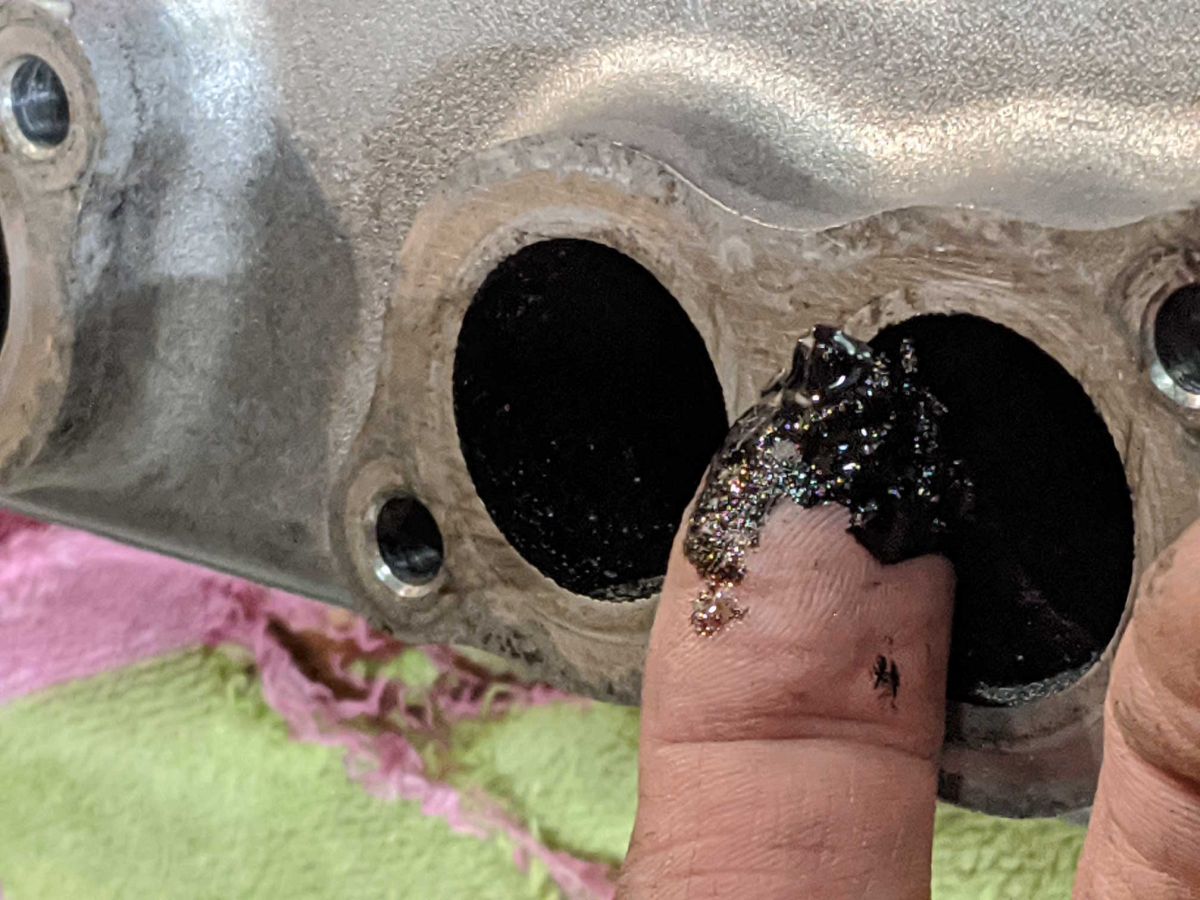
Why Do the Throttle Body and Intake Manifold Get Oily?
Seeing oil inside the throttle body or intake manifold is a common situation, especially in modern turbocharged engines. A small amount of oil vapor or an oily film in the intake system does not necessarily indicate an engine problem.
While the engine is running, the crankcase ventilation system, turbocharger, and intake system continuously circulate air and gases. Oil vapors carried through these systems can gradually form a thin layer of oil around the throttle body, intake pipes, and intake manifold.
However, if there is a large amount of oil or liquid oil is accumulating inside the intake system, the cause should be investigated because it may indicate a problem with the crankcase ventilation system, turbocharger, or engine.
Why Does the Throttle Body Get Oily?
One of the most common reasons for oil around the throttle body is oil vapor coming from the crankcase ventilation system.
While the engine is operating, a small amount of combustion gas can pass between the piston rings and cylinder walls into the crankcase. These gases are known as blow-by gases.
If these gases were allowed to accumulate inside the crankcase, pressure would increase. Modern engines therefore use a Positive Crankcase Ventilation (PCV) system to remove these gases and route them back into the intake system.
Blow-by gases do not contain only air and combustion gases. They can also contain small amounts of engine oil vapor and fine oil droplets.
When this mixture enters the intake system, it can leave a thin oily film around the throttle body.
How Does the PCV System Cause Oil in the Throttle Body?
The purpose of the PCV system is to control crankcase pressure and route crankcase gases back into the engine.
During normal operation, the flow is generally:
Crankcase → PCV system → Intake system → Engine
This prevents crankcase gases from being released directly into the atmosphere while also controlling crankcase pressure.
The oil vapor carried with these gases can condense inside the intake system.
As a result, you may find:
-
A thin oil film inside intake hoses
-
Oil residue around the turbocharger inlet
-
Oil around the throttle body
-
Oil residue inside the intake manifold
A light coating of oil is generally not unusual.
Why Is There Often More Oil in Turbocharged Engines?
Oil contamination can be more noticeable in turbocharged engines.
The turbocharger's compressor compresses the incoming air before it enters the engine. The turbocharger bearings are lubricated with engine oil.
Under normal conditions, engine oil should not significantly enter the compressor air path. However, very small amounts of oil vapor or oil mist can enter the intake system.
Therefore, finding a light oil film inside turbocharger hoses does not automatically mean that the turbocharger is failing.
The situation becomes more concerning when there is a significant amount of liquid oil inside the intake system or intercooler.
Is Oil Inside the Intercooler Normal?
A light oil film inside an intercooler can occur in turbocharged engines.
Oil vapor from the PCV system and very small amounts of oil mist passing through the turbocharger compressor can gradually accumulate inside the intercooler.
However, a significant amount of liquid oil inside the intercooler should not be considered normal.
The turbocharger, PCV system, and engine oil consumption should be inspected, especially if you also notice:
-
Rapid engine oil loss
-
Blue exhaust smoke
-
Changes in turbocharger noise
-
Loss of engine performance
-
Excessive oil inside turbocharger hoses
-
Large amounts of oil inside the intercooler
These symptoms suggest something more than normal oil vapor contamination.
Why Does the Intake Manifold Get Oily?
One of the main sources of oil inside the intake manifold is again the PCV system.
Oil vapor from the crankcase ventilation system can travel through the intake system and eventually reach the intake manifold.
This can create a thin oily coating on the intake manifold and its passages.
The problem can be more noticeable in diesel engines.
Diesel engines commonly use an Exhaust Gas Recirculation (EGR) system, which sends a portion of the exhaust gases back into the intake system.
What Happens When EGR Soot Mixes With Oil?
EGR gases contain soot and carbon particles.
When these particles mix with oil vapor from the PCV system, they can form a thick, sticky layer of oil and carbon deposits.
Over time, these deposits can accumulate around:
-
EGR valves
-
Throttle bodies
-
Intake manifold entrances
-
Intake ports
-
Swirl flaps on some diesel engines
This is why high-mileage diesel engines can sometimes develop significant intake manifold restrictions.
How Much Oil in a Throttle Body Is Normal?
A thin oily film on the throttle body is generally not a reason for concern by itself.
Light oil contamination is particularly common in turbocharged and high-mileage engines.
More attention is required when you find:
-
Liquid oil inside the throttle body
-
Large oil deposits inside the intake manifold
-
Excessive oil inside the intercooler
-
Significant engine oil consumption
-
Blue exhaust smoke
-
Reduced turbocharger boost
-
Abnormally high crankcase pressure
-
Noticeable loss of engine performance
The important factors are not simply whether oil is present, but how much oil is present, where it is accumulating, and whether other symptoms exist.
Can a PCV Problem Cause Excessive Oil in the Intake?
Yes.
A faulty PCV valve or crankcase ventilation system can allow excessive oil vapor to enter the intake.
Possible PCV problems include:
-
Blocked ventilation passages
-
Faulty PCV valve
-
Damaged PCV diaphragm
-
Incorrect crankcase pressure
-
Cracked ventilation hoses
-
Incorrectly connected hoses
Testing the PCV system is therefore an important part of diagnosing excessive oil contamination in the intake system.
Can Worn Piston Rings Increase Intake Oil?
Yes.
If the piston rings are worn, more combustion gases can pass into the crankcase.
This increases blow-by and places a greater load on the crankcase ventilation system.
More oil vapor may then be carried into the intake system.
Excessive intake oil caused by engine wear may also be accompanied by:
-
Increased oil consumption
-
Blue exhaust smoke
-
Increased crankcase pressure
-
Low compression
-
Reduced engine performance
In such cases, the intake manifold oil may be a symptom of an underlying internal engine problem rather than the primary fault.
Can a Turbocharger Oil Leak Cause Oil in the Throttle Body?
Yes.
If the turbocharger allows excessive oil to enter the compressor side, that oil can travel through the intake system toward the intercooler and throttle body.
However, an important distinction should be made:
A small amount of oil inside a turbocharger hose is not proof of turbocharger failure.
The amount of oil and the presence of other symptoms should be considered.
A turbocharger should be inspected more carefully if there is:
-
Significant engine oil consumption
-
Blue exhaust smoke
-
Reduced turbocharger performance
-
Abnormal turbocharger noise
-
Excessive oil inside the intercooler
-
Excessive shaft play
Does Oil on the Throttle Body Mean the Engine Is Burning Oil?
No.
Oil inside the throttle body and engine oil consumption are not necessarily the same problem.
Oil vapor entering the intake through the PCV system can be part of normal engine operation.
To determine whether an engine is actually burning excessive oil, other evidence should be considered, such as:
-
Regularly falling engine oil level
-
Blue exhaust smoke
-
Oil-fouled spark plugs
-
Abnormal compression or leak-down test results
-
Turbocharger oil leakage
A thin oil film inside the intake should therefore not be used by itself to diagnose an engine that is burning oil.
Should the Throttle Body Be Cleaned?
It depends on the amount of contamination.
If there is only a thin oil film, removing the throttle body solely because of the oil may not be necessary.
However, if oil and carbon deposits have accumulated heavily around the throttle plate and throttle bore, cleaning may be beneficial.
Care must be taken with electronic throttle bodies because the throttle motor, position sensors, electrical connections, and internal components can be damaged by improper cleaning.
Some vehicles may also require a throttle body adaptation or relearn procedure after cleaning or removal.
The correct procedure depends on the vehicle manufacturer.
Should an Oily Intake Manifold Be Cleaned?
If the intake manifold contains heavy oil and carbon deposits, cleaning may restore some of the lost airflow.
This is particularly relevant on diesel engines equipped with EGR systems, where oil and soot can gradually restrict the intake passages.
However, the reason for the deposits should be investigated first.
Cleaning the intake manifold without addressing a faulty PCV system, excessive blow-by, or a turbocharger oil leak will not solve the underlying problem.
How Can Excessive Intake Oil Be Prevented?
Oil vapor cannot be completely eliminated because crankcase ventilation is part of normal engine operation.
However, excessive deposits can often be reduced through proper maintenance.
Important measures include:
-
Inspect the PCV system regularly.
-
Use the correct engine oil specification.
-
Change the engine oil at the recommended intervals.
-
Check the turbocharger for excessive oil leakage.
-
Inspect the EGR system when applicable.
-
Monitor engine oil consumption.
-
Replace the air filter at the recommended interval.
-
Repair excessive crankcase pressure problems promptly.
Final Thoughts
A small amount of oil inside the throttle body or intake manifold is often normal, particularly in modern turbocharged engines. The most common source is oil vapor carried from the crankcase through the PCV system.
In diesel engines, EGR gases can combine with these oil vapors and create significant oil and carbon deposits inside the intake manifold over time.
However, large amounts of liquid oil should not be considered normal. If the intake system contains excessive oil, the PCV system, piston rings, turbocharger, EGR system, and engine oil consumption should be investigated.
In other words, finding oil inside the intake manifold does not automatically mean that the engine is damaged or that the turbocharger has failed. The amount of oil and the presence of symptoms such as excessive oil consumption, blue smoke, loss of power, increased crankcase pressure, or turbocharger problems are much more important when determining whether there is an actual fault.