TR
TR EN
EN

What Is a Car Seat Heating System? What Are the Symptoms of Seat Heater Failure?
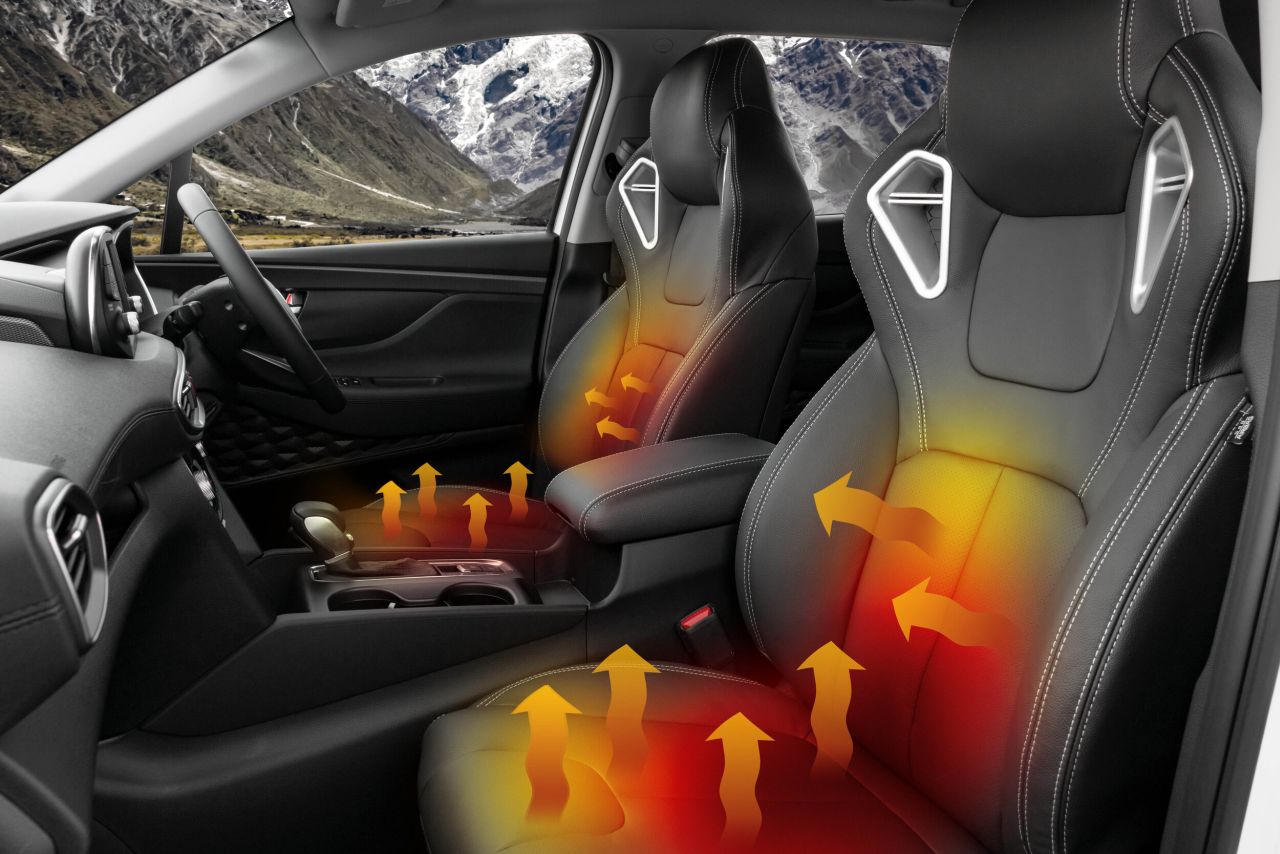
A heated seat system is a comfort feature designed to warm the seat cushion and, in many vehicles, the seat back. It uses electrical heating elements installed inside the upholstery to generate heat when the system is switched on.
Heated seats are especially useful during cold weather because they can warm the occupant much faster than the vehicle's cabin heating system.
The system may look simple from the outside, but several electrical and electronic components work together to provide controlled heating. Depending on the vehicle, the system can include heating elements, temperature sensors, switches or control buttons, a seat heating control module, relays, fuses, wiring, and connectors.
When one of these components fails, the seat may stop heating completely, heat only part of the seat, become excessively hot, or operate intermittently.
How Does a Heated Seat Work?
A heated seat works using an electrical resistance heating element installed beneath the seat upholstery.
When electrical current passes through the heating element, electrical resistance converts electrical energy into heat.
The basic operating sequence is:
-
The driver or passenger activates the seat heater.
-
The control system supplies electrical power to the heating element.
-
The heating element begins producing heat.
-
A temperature sensor or control strategy monitors the seat temperature.
-
The system regulates electrical power to prevent excessive heating.
-
The seat reaches the selected temperature.
-
The system cycles or reduces power as necessary to maintain the temperature.
Many modern vehicles provide multiple heating levels, such as low, medium, and high.
The higher setting generally supplies greater heating output, while the lower setting reduces the amount of heat produced.
Where Is the Heating Element Located?
The heating element is normally installed underneath the seat upholstery.
Depending on the design of the seat, there may be separate heating elements for:
-
Seat cushion
-
Seat backrest
-
Driver's seat
-
Front passenger seat
-
Rear seats
Some vehicles heat only the lower seat cushion, while others heat both the cushion and backrest.
The heating element may consist of resistance wire or a specially designed conductive heating material integrated into a flexible pad.
Because the heating element is located inside the seat, it is not normally visible without removing part of the upholstery.
Main Components of a Seat Heating System
Although designs vary between manufacturers, a heated seat system commonly contains several important components.
Heating element
This is the component that actually produces the heat.
If the element becomes broken or develops an open circuit, the seat may stop heating.
Temperature sensor
Some systems use a temperature sensor to monitor the temperature of the seat.
The control system can use this information to regulate heating output and prevent overheating.
Seat heater switch
This is the driver's or passenger's interface for turning the heating system on and selecting the desired heating level.
Older vehicles may use a simple switch, while newer vehicles may control the system through a touchscreen, climate-control panel, or integrated electronic module.
Fuse
The heated seat circuit can draw a significant amount of electrical current, so a fuse protects the circuit from excessive current.
A blown fuse can disable one or more heated seats.
Relay
Some vehicles use relays to control the high-current supply to the heating system.
A defective relay can prevent electrical power from reaching the heating elements.
Wiring and connectors
The seat must receive electrical power through wiring and connectors.
Because the seat moves backward and forward, the wiring underneath the seat is exposed to repeated movement.
This makes the wiring harness and connectors important points to inspect when diagnosing an intermittent problem.
Seat heating control module
Modern vehicles may use a dedicated seat heating module or integrate seat heating control into another body or comfort-control module.
The module determines when and how much electrical power should be supplied to the heating elements.
What Are the Symptoms of a Faulty Heated Seat?
A seat heater failure can produce several different symptoms.
The most obvious symptom is that the seat does not get warm when the heating function is activated.
However, there are other clues that can help identify the type of failure.
Common symptoms include:
-
Seat does not heat at all
-
Seat heats very slowly
-
Only part of the seat gets warm
-
Seat back heats but cushion does not
-
Cushion heats but backrest does not
-
Seat becomes excessively hot
-
Heating works intermittently
-
Heater turns off shortly after activation
-
Heating level cannot be changed
-
Seat heater indicator does not illuminate
-
Seat heater warning appears on the dashboard
-
Fuse repeatedly blows
-
Heating works only when the seat is in a particular position
The last symptom is particularly useful when investigating wiring problems underneath the seat.
The Seat Heater Does Not Work at All
If the heated seat does not produce any heat, several different causes are possible.
The problem could be as simple as a blown fuse or as complex as a broken heating element or control module failure.
The first things to check are usually:
-
Seat heater fuse
-
Power supply
-
Ground connection
-
Heater switch
-
Wiring
-
Electrical connectors
-
Heating element resistance
-
Temperature sensor
-
Control module
A diagnostic scan may also be necessary on vehicles where the seat heating system is electronically controlled.
Only Part of the Seat Gets Warm
This is one of the most useful symptoms for identifying a heating-element problem.
If the seat cushion heats but the backrest remains cold, or the backrest heats while the cushion remains cold, the vehicle may use separate heating elements for those areas.
A break in one heating circuit can therefore disable only one section of the seat.
For example, if the cushion heating element is damaged, the backrest may continue working normally.
This type of symptom often points toward an internal heating-element problem rather than a general power-supply failure.
Heated Seat Works Intermittently
An intermittent heated-seat problem can be more difficult to diagnose than a completely failed system.
The seat may work normally when the vehicle is started but stop heating after several minutes.
It may also work when the seat is in one position and stop when the seat is moved.
Possible causes include:
-
Loose electrical connector
-
Damaged wiring
-
Broken wire strands
-
Poor ground connection
-
Heating element beginning to fail
-
Faulty temperature sensor
-
Control module problem
-
Thermal protection activation
The wiring under the seat deserves particular attention because seat movement can repeatedly flex the harness.
Why Does the Seat Heater Stop When the Seat Moves?
If the heater stops working when the seat is moved forward or backward, wiring should be one of the first areas inspected.
The electrical harness underneath a vehicle seat has to accommodate seat movement.
Over time, the wiring can become:
-
Stretched
-
Pinched
-
Chafed
-
Bent repeatedly
-
Partially broken
-
Disconnected from a connector
A wire may still make contact when the seat is in one position but lose contact when the seat moves.
This can create a classic intermittent fault.
The Seat Heater Turns Off After a Few Minutes
A heated seat that starts working and then turns itself off may have a control or temperature-related problem.
The system is designed to regulate temperature rather than continuously apply maximum electrical power.
If the temperature sensor reports an abnormal temperature, the control system may reduce or stop the heating current.
Possible causes include:
-
Faulty temperature sensor
-
Heating element problem
-
Control module fault
-
Electrical resistance outside the expected range
-
Over-temperature protection
-
Wiring problem
It is important to distinguish normal temperature regulation from an actual failure.
A properly functioning system may cycle the heating element on and off as it maintains the selected temperature.
Why Does the Heated Seat Get Too Hot?
A seat heater should not become dangerously hot during normal operation.
If one area becomes significantly hotter than expected, the system should be inspected.
Possible causes include:
-
Temperature sensor malfunction
-
Damaged heating element
-
Control circuit failure
-
Incorrect resistance
-
Wiring problem
-
Failed temperature regulation
An abnormal hot spot can also indicate a localized problem with the heating element.
If the seat becomes excessively hot or produces a burning smell, the heating function should be switched off immediately.
Can a Blown Fuse Cause Heated Seat Failure?
Yes.
The heated-seat circuit is protected by a fuse because the heating elements consume electrical power.
If the fuse is blown, the system may stop working completely.
However, replacing the fuse without determining why it failed is not always the correct solution.
If the replacement fuse blows again, there may be:
-
Short circuit
-
Damaged wiring
-
Failed heating element
-
Faulty relay
-
Control module problem
-
Connector damage
A fuse that repeatedly fails should not be replaced with a higher-rated fuse.
The fuse rating specified by the vehicle manufacturer should always be used.
Can a Weak Battery Affect Heated Seats?
Yes, especially in modern vehicles.
Heated seats consume a considerable amount of electrical power.
If battery voltage is low or the charging system is not operating correctly, the vehicle may reduce or disable high electrical loads.
Depending on the vehicle, heated seats may therefore become unavailable during low-voltage conditions.
If several electrical comfort features begin behaving strangely at the same time, checking battery and alternator performance can be useful.
Can the Seat Heater Damage the Battery?
A properly functioning heated-seat system should not normally drain a healthy vehicle battery while the engine is running.
However, heated seats are an electrical load.
If they are used for long periods while the engine is switched off, they can contribute to battery discharge.
This is particularly important in vehicles with automatic electrical power management.
If the battery repeatedly becomes weak after using electrical accessories while parked, the battery condition and vehicle charging system should be checked.
Can a Seat Heater Be Repaired?
Yes, in many cases.
The repair depends on which component has failed.
A blown fuse is relatively simple to address once the cause of the fuse failure has been identified.
A damaged connector or broken wire can often be repaired.
A failed switch or control module may require replacement.
A damaged heating element is more complicated because the element is located inside the seat.
Repairing it may require partial or complete removal of the seat upholstery.
In some cases, replacing the heating pad is more practical than attempting to repair the resistance wire itself.
How Is a Heated Seat Diagnosed?
Diagnosis should begin with the simplest possible checks.
First, confirm whether the problem affects one seat or multiple seats.
If only one seat is affected, the fault is more likely to be local to that seat.
If several heated seats stop working simultaneously, the problem may involve a shared fuse, power supply, control module, or electrical system.
A technician can then check:
-
Fuse condition
-
Battery voltage
-
Charging voltage
-
Power supply
-
Ground connection
-
Heater switch signal
-
Connector condition
-
Heating element resistance
-
Temperature sensor signal
-
Control module communication
-
Stored diagnostic trouble codes
A multimeter can be useful for checking continuity and resistance, but measurements should be compared with the manufacturer's specifications.
Simply measuring resistance without knowing the expected value does not provide a reliable diagnosis.
How Do You Test a Seat Heating Element?
The heating element can usually be tested by measuring its electrical resistance.
The exact resistance value depends on the vehicle and heating element design.
An open circuit can indicate a broken heating element or damaged wiring.
A resistance value significantly outside the manufacturer's specification can also indicate a problem.
However, the test should be performed carefully because the heating element is integrated into the seat and may be connected to temperature sensors or other circuits.
A wiring diagram and manufacturer-specific specifications are preferable to guessing a resistance value.
Why Does the Seat Heater Fuse Keep Blowing?
A repeatedly blown fuse is usually a sign of an underlying electrical problem.
Possible causes include:
-
Shorted wiring
-
Damaged heating element
-
Pinched harness
-
Water or moisture contamination
-
Faulty relay
-
Damaged connector
-
Control module failure
The location of the wiring underneath the seat makes it particularly important to check for wires trapped by the seat rails.
Do not install a larger fuse to prevent the original fuse from blowing. Doing so can allow excessive current to flow through wiring that was not designed to handle it and can create a fire hazard.
Can Water Damage Heated Seats?
Yes.
Water or other liquids can potentially damage electrical components inside a seat.
Spills can penetrate through the upholstery and reach:
-
Heating elements
-
Temperature sensors
-
Connectors
-
Wiring
-
Seat control modules
The risk depends on the seat design and the amount of liquid involved.
After a significant liquid spill, electrical problems may not appear immediately. Corrosion can develop later and create intermittent faults.
Can a Seat Heater Cause a Burning Smell?
A burning smell from a heated seat should never be ignored.
A heated seat normally produces warmth, but it should not produce a strong burning odor.
Possible causes include:
-
Overheating heating element
-
Damaged wiring
-
Electrical short
-
Melted connector
-
Damaged upholstery
-
Foreign material trapped near a heating element
If a burning smell appears when the seat heater is operating, turn the system off and have the seat inspected.
Continuing to use a potentially overheating electrical component is not recommended.
Is a Heated Seat Dangerous?
Under normal conditions, a properly designed and functioning heated seat is safe.
The system contains temperature regulation and electrical protection designed to control heat output.
Problems can occur when components become damaged or modified.
Particular caution is required if:
-
The seat has been heavily damaged
-
The upholstery has been modified
-
Aftermarket heating elements have been installed
-
Wiring has been repaired incorrectly
-
The seat has been exposed to significant liquid
-
The heater becomes abnormally hot
-
There is a burning smell
Seat-mounted electrical systems can also interact with other safety-related equipment located inside the seat.
For this reason, repairs should be performed carefully and according to the vehicle manufacturer's procedures.
Heated Seats and Airbag Systems
This is an important point when working underneath or inside a modern vehicle seat.
Many vehicles have side airbags, occupancy sensors, seat-belt components, and other safety-related wiring installed in or around the seat.
The wiring underneath the seat may therefore contain much more than the seat heater circuit.
Before disconnecting seat wiring, the manufacturer's safety procedures should be followed.
Randomly probing connectors or applying external voltage to unidentified wires can damage components or create safety risks.
Can the Heated Seat Affect the Seat Airbag?
The seat heater itself does not normally interfere with the airbag when the system is functioning correctly.
However, the wiring harnesses for different seat systems can be routed close together.
Incorrect repairs, damaged connectors, or accidental disconnection can create airbag warning lights or communication faults.
This is another reason why wiring under the seat should not be repaired based solely on wire color.
The correct wiring diagram and connector identification should be used.
Do Heated Seats Consume a Lot of Electricity?
Heated seats can consume a noticeable amount of electrical power, especially when operating at their highest setting.
However, they can still be more efficient for occupant comfort than attempting to heat the entire cabin immediately from a cold start.
Once the vehicle is running, the alternator supplies electrical power while also charging the battery.
The actual electrical consumption varies significantly between vehicle models and heating-element designs.
What Is the Difference Between Heated Seats and Ventilated Seats?
Heated seats use electrical heating elements to generate warmth.
Ventilated seats generally use fans and air channels to move air through perforations in the seat.
Some premium vehicles combine both technologies.
A seat can therefore have:
-
Heating only
-
Ventilation only
-
Heating and ventilation
The two systems use different components and can have different failure symptoms.
Should You Repair or Replace the Heating Element?
If the heating element itself is damaged, replacement is often the more reliable solution.
Trying to repair a broken resistance wire inside the seat can produce an unreliable repair and may create an uneven heating area.
A replacement heating pad designed for the specific seat can provide more consistent results.
However, the complete seat design should be considered before any repair.
If the vehicle has integrated airbags, occupancy sensors, ventilation, seat position sensors, or other components, removing the upholstery can be a more complex procedure than it initially appears.
Final Thoughts
A heated seat system is more than just a wire that becomes hot. Modern systems combine heating elements, temperature monitoring, electrical protection, switches, control modules, wiring, and connectors to provide controlled and comfortable heating.
The most common symptoms of failure include a seat that does not heat, partial heating, intermittent operation, excessive heat, unexpected shutdown, blown fuses, and warning messages.
A completely cold seat does not automatically mean that the heating element has failed. The fuse, power supply, ground, wiring, connectors, switch, temperature sensor, and control module should all be considered during diagnosis.
If the seat becomes excessively hot, produces a burning smell, repeatedly blows a fuse, or shows signs of electrical overheating, the heater should be switched off until the cause has been identified.
Because modern vehicle seats can contain airbags and other safety-related electrical components, heated-seat repairs should be carried out carefully and with the correct vehicle-specific wiring and service information.