TR
TR EN
EN

What Is a Tiptronic Transmission? What Are the Common Tiptronic Transmission Problems?
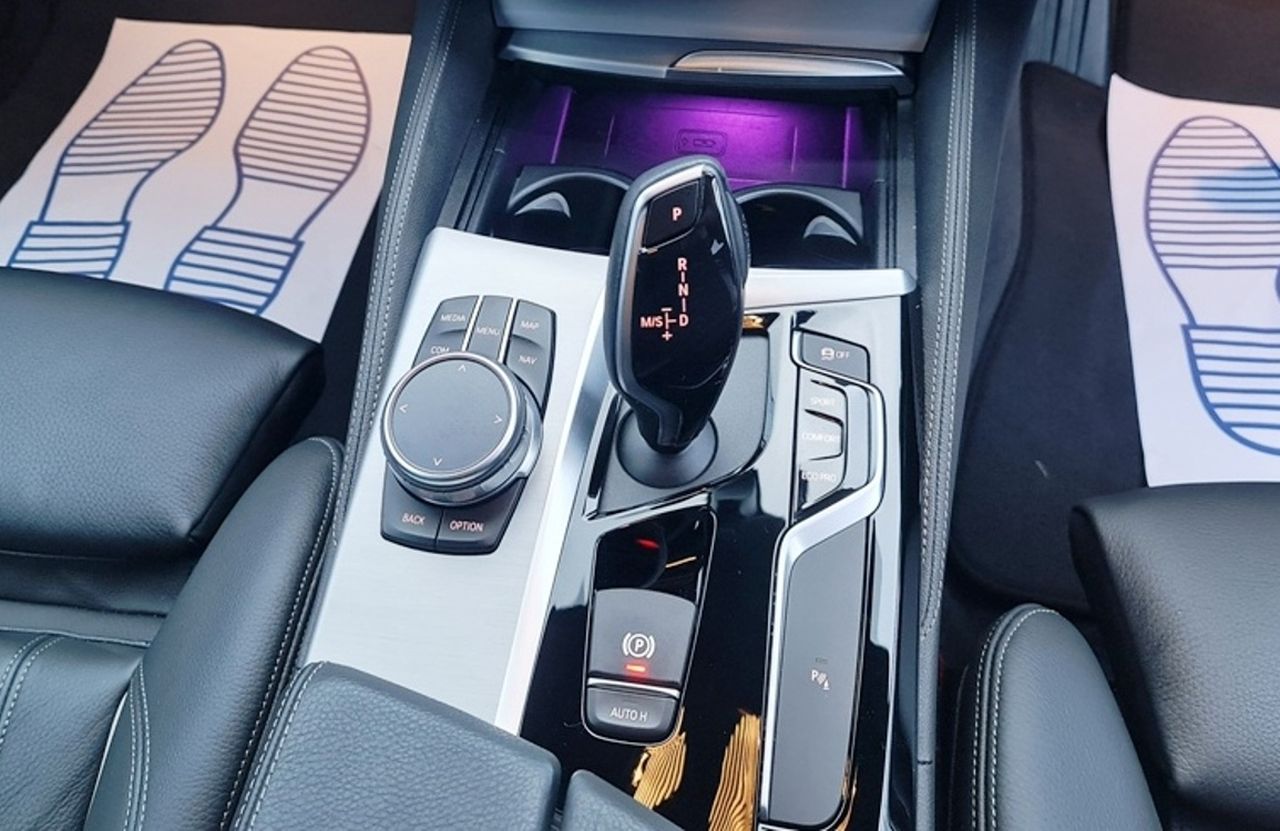
A Tiptronic transmission is a type of automatic transmission that allows the driver to select gears manually when desired, while still providing the convenience of automatic shifting.
The term “Tiptronic” is most closely associated with Porsche, which introduced the system as a way of combining automatic transmission convenience with a degree of manual gear control. Over time, the word has also become commonly used to describe automatic transmissions that provide a manual-shift mode.
In a Tiptronic-equipped vehicle, the transmission can normally operate automatically. When the driver moves the selector into the manual or sequential mode, however, they can request an upshift or downshift using the gear lever or steering-wheel paddles, depending on the vehicle.
Despite the manual-shifting capability, a Tiptronic transmission is still fundamentally an automatic transmission. It should not be confused with a conventional manual transmission or necessarily with a dual-clutch transmission.
How Does a Tiptronic Transmission Work?
The basic operating principle depends on the transmission design used in the vehicle.
A traditional Tiptronic system is generally based on an automatic transmission using a torque converter and planetary gear sets.
The transmission control system determines which gear should be selected based on information such as:
-
Vehicle speed
-
Engine speed
-
Accelerator pedal position
-
Throttle position
-
Transmission fluid temperature
-
Engine load
-
Selected driving mode
-
Brake pedal status
-
Gear selector position
When the transmission is operating automatically, the control system selects the appropriate gear according to driving conditions.
When the driver selects manual mode, the system accepts the driver's upshift or downshift request.
However, the driver does not have unlimited control over the transmission.
If a requested gear could cause excessive engine RPM or potentially damage the transmission, the control system may reject the command or automatically intervene.
Why Is It Called Tiptronic?
“Tiptronic” is a name associated with Porsche's electronically controlled automatic transmission technology.
The concept became popular because it allowed drivers to manually request gear changes without using a clutch pedal.
This provided a compromise between the convenience of an automatic transmission and some of the driver involvement associated with a manual transmission.
Today, similar operating concepts are found under many different names depending on the manufacturer.
A vehicle may use terms such as:
-
Manual mode
-
Sequential mode
-
Sport mode
-
+/- mode
-
Geartronic
-
Steptronic
-
Tiptronic
These systems can operate quite differently internally, even though the driver experience may appear similar.
Tiptronic Is Not a Separate Transmission Type
One important point is that Tiptronic does not necessarily identify one specific mechanical transmission design.
The term generally describes the ability to manually control gear selection in an automatic transmission.
A vehicle marketed with a Tiptronic-style system may therefore use different mechanical technologies depending on the manufacturer and model.
For example, an automatic transmission with a torque converter and planetary gear sets can offer manual gear selection.
Other vehicles may provide a similar driver interface with a different transmission architecture.
Therefore, diagnosing or repairing a “Tiptronic transmission” requires identifying the exact transmission installed in the vehicle.
Tiptronic vs. Conventional Automatic Transmission
A conventional automatic transmission normally chooses the gears automatically.
A Tiptronic-style system adds a manual selection function.
This gives the driver more control over gear selection when necessary.
For example, the driver may manually select a lower gear when:
-
Overtaking
-
Descending a steep hill
-
Driving on winding roads
-
Carrying a heavy load
-
Driving in snow or slippery conditions
-
Seeking stronger engine braking
However, the underlying transmission can still perform automatic functions when required.
Tiptronic vs. Manual Transmission
The biggest difference is the clutch and gear-selection mechanism.
A conventional manual transmission requires the driver to operate a clutch pedal and physically select gears.
A Tiptronic automatic transmission does not normally have a clutch pedal.
The transmission's hydraulic and electronic systems control gear changes.
The driver simply requests a higher or lower gear through the selector or paddles.
This makes Tiptronic-style systems easier to operate in heavy traffic while still providing manual control when desired.
Tiptronic vs. CVT
A CVT, or continuously variable transmission, does not normally use fixed gear ratios in the same way as a conventional automatic transmission.
A Tiptronic-style automatic transmission generally provides defined gear ratios.
Some CVTs simulate fixed ratios and offer a manual-style mode, but this does not necessarily mean they are mechanically equivalent to a Tiptronic automatic transmission.
The transmission architecture must therefore be identified before comparing performance, maintenance, and failure characteristics.
What Are the Symptoms of a Tiptronic Transmission Failure?
Transmission problems can appear gradually or suddenly.
Some failures begin as a small shift-quality issue and become more serious if ignored.
Common symptoms include:
-
Hard gear changes
-
Delayed engagement
-
Transmission slipping
-
Jerking during shifts
-
Gear changes occurring at the wrong RPM
-
Failure to shift into a particular gear
-
Transmission stuck in one gear
-
Reverse gear not working
-
Transmission warning light
-
Check Engine Light
-
Manual mode not working
-
Paddle shifters not responding
-
Transmission overheating
-
Unusual transmission noises
-
Fluid leaks
-
Burning transmission-fluid smell
-
Vehicle entering limp mode
Not every symptom means that the transmission itself needs to be replaced.
Many transmission problems are caused by sensors, solenoids, fluid problems, wiring, or control-module issues.
Hard or Jerky Gear Changes
One of the most noticeable Tiptronic transmission problems is harsh shifting.
The vehicle may produce a noticeable jolt when changing from one gear to another.
Possible causes include:
-
Low transmission fluid
-
Incorrect fluid level
-
Degraded transmission fluid
-
Faulty shift solenoid
-
Hydraulic pressure problem
-
Valve body malfunction
-
Transmission speed sensor problem
-
Adaptation or calibration issue
-
Transmission control module problem
-
Internal mechanical wear
The driving conditions under which the problem occurs are important.
A transmission that shifts harshly only when cold may have a different problem from one that shifts harshly after reaching operating temperature.
Transmission Slipping
Transmission slipping occurs when the transmission fails to maintain the expected relationship between engine speed and vehicle speed.
The engine RPM may rise unexpectedly while the vehicle does not accelerate proportionally.
This can indicate:
-
Worn clutch packs
-
Hydraulic pressure loss
-
Low fluid level
-
Incorrect fluid
-
Valve body problems
-
Solenoid malfunction
-
Internal transmission wear
If slipping is severe, continuing to drive the vehicle can increase internal damage.
Delayed Engagement
A delayed engagement occurs when the driver selects Drive or Reverse but the vehicle takes noticeably longer than normal to respond.
For example, the driver selects Reverse and the vehicle remains stationary for several seconds before engaging.
Possible causes include:
-
Low transmission-fluid level
-
Incorrect fluid pressure
-
Worn seals
-
Valve body problems
-
Pump problems
-
Solenoid faults
-
Internal clutch wear
-
Transmission control problems
A significant delay should not be ignored.
Reverse Gear Does Not Work
If Drive operates normally but Reverse does not engage, the problem may be related to a specific hydraulic circuit, solenoid, clutch pack, valve-body circuit, or internal transmission component.
Electronic faults can also cause Reverse to be disabled.
A diagnostic scan can help determine whether the transmission control module has detected an electrical or hydraulic problem.
Tiptronic Gets Stuck in One Gear
A transmission that remains in one gear may have entered a protective operating mode, often called limp mode or failsafe mode.
The transmission control system can deliberately limit gear selection when it detects a condition that could cause further damage.
Possible causes include:
-
Solenoid failure
-
Transmission speed sensor failure
-
Hydraulic pressure problem
-
Control module communication fault
-
Overheating
-
Electrical voltage problem
-
Internal transmission failure
Turning the vehicle off and restarting it may temporarily restore normal operation in some cases, but this does not repair the underlying problem.
If the transmission repeatedly enters limp mode, the stored diagnostic codes should be investigated.
Manual Mode Does Not Work
Sometimes the automatic shifting function works normally while manual mode does not.
The driver may move the selector into the manual position but the transmission refuses to respond to the requested gear changes.
Possible causes include:
-
Gear selector position sensor
-
Paddle shifter fault
-
Steering-wheel wiring problem
-
Transmission range sensor
-
Communication problem
-
Transmission control module fault
-
Software or calibration issue
If only the manual function is affected, the mechanical transmission may still be healthy.
Paddle Shifters Stop Working
In vehicles equipped with steering-wheel paddles, the paddles communicate gear-change requests to the relevant control system.
A problem with the paddle itself, wiring, steering-wheel electronics, or communication network can prevent manual shifting.
If both paddles stop working simultaneously, it is worth investigating the common electrical or communication circuits before replacing the paddles.
Tiptronic Transmission Overheating
Automatic transmissions generate heat during operation.
Excessive heat can accelerate fluid degradation and internal component wear.
Possible causes of overheating include:
-
Low transmission fluid
-
Incorrect transmission fluid
-
Restricted transmission cooler
-
Cooling-system problem
-
Heavy towing
-
Prolonged high-load driving
-
Internal transmission slipping
-
Hydraulic problems
-
Faulty temperature sensor
Overheating warnings should be taken seriously.
Repeated overheating can cause significant transmission damage.
Transmission Fluid Problems
Transmission fluid plays several roles.
It provides lubrication, transfers hydraulic pressure, helps operate clutches and brakes inside the transmission, and carries heat away from internal components.
If the fluid level is too low, hydraulic pressure may become unstable.
If the fluid is badly degraded or contaminated, shift quality can deteriorate.
However, transmission-fluid requirements vary significantly between transmissions.
Using a fluid simply because it is labeled “automatic transmission fluid” is not sufficient.
The exact fluid specification should be confirmed for the specific transmission.
Does Tiptronic Transmission Fluid Need to Be Changed?
There is no universal answer.
Some manufacturers specify a transmission-fluid replacement interval.
Others may describe the fluid as “lifetime” under certain operating conditions.
“Lifetime fluid” does not necessarily mean that the fluid can never degrade.
High temperatures, heavy traffic, towing, aggressive driving, and transmission wear can affect fluid condition.
The correct maintenance interval should therefore be based on the manufacturer's specifications for the specific transmission.
Tiptronic Transmission Fluid Leak
A fluid leak can develop from:
-
Transmission pan
-
Pan gasket
-
Oil seals
-
Driveshaft seals
-
Axle seals
-
Cooler lines
-
Transmission housing
-
Electrical connector seals
A small leak can gradually reduce fluid level.
If the fluid becomes too low, hydraulic pressure and lubrication can be affected.
A transmission leak should therefore be repaired rather than simply topping up the fluid repeatedly.
Transmission Warning Light
A transmission warning message or warning light indicates that the vehicle's electronic control system has detected a problem.
The exact warning varies between manufacturers.
Possible causes include:
-
Sensor failure
-
Solenoid fault
-
Transmission overheating
-
Low fluid pressure
-
Electrical problem
-
Communication fault
-
Internal transmission malfunction
A diagnostic scan is necessary to determine the actual cause.
Simply clearing the warning does not repair the problem.
Common Tiptronic Transmission Fault Codes
There is no single fault code that applies to every Tiptronic transmission.
Depending on the vehicle, codes can relate to:
-
Shift solenoids
-
Pressure-control solenoids
-
Transmission speed sensors
-
Transmission temperature sensors
-
Gear-ratio errors
-
Torque converter operation
-
Transmission control module
-
CAN communication
-
Gear selector position
-
Hydraulic pressure
For example, OBD-II codes in the P07xx range are commonly associated with transmission-related faults, but the exact interpretation depends on the code and vehicle.
A manufacturer-specific scan tool may provide much more detailed information than a basic generic OBD-II scanner.
Can a Bad Battery Cause Tiptronic Problems?
Yes.
Modern automatic transmissions rely heavily on electronic control.
Low system voltage can cause control modules and solenoids to operate incorrectly or trigger communication faults.
A weak battery or charging-system problem can therefore produce transmission warnings or abnormal shifting.
If transmission problems appear together with other electrical symptoms, battery and alternator voltage should be checked before assuming that the transmission has suffered mechanical damage.
Can a Transmission Sensor Cause Shifting Problems?
Absolutely.
Modern automatic transmissions rely on multiple sensors.
These can include:
-
Input speed sensor
-
Output speed sensor
-
Transmission fluid temperature sensor
-
Pressure sensor
-
Gear position sensor
-
Range sensor
The transmission control module uses these signals to determine what the transmission is doing and what it should do next.
If one of these signals becomes incorrect, the control module may command inappropriate shifts or enter failsafe mode.
What Is a Transmission Shift Solenoid?
A transmission shift solenoid is an electronically controlled hydraulic valve.
It regulates transmission fluid flow to different hydraulic circuits.
Depending on the transmission design, solenoids can control:
-
Gear selection
-
Clutch engagement
-
Hydraulic pressure
-
Shift timing
-
Torque converter operation
A defective solenoid can cause hard shifting, delayed shifting, incorrect gear selection, or a transmission warning.
Replacing a solenoid without diagnosing the hydraulic and electrical circuit is not always the correct repair.
What Is the Valve Body?
The valve body is one of the most important hydraulic components in many automatic transmissions.
It contains passages, valves, and often electronically controlled solenoids that direct transmission fluid to the appropriate circuits.
A valve-body problem can cause:
-
Harsh shifts
-
Delayed engagement
-
Gear-selection problems
-
Pressure problems
-
Intermittent shifting
-
Transmission limp mode
Valve-body wear can sometimes be repaired, but the correct solution depends on the specific transmission.
Torque Converter Problems
Many traditional Tiptronic-style automatic transmissions use a torque converter.
The torque converter transfers engine torque to the transmission and allows the engine to remain running while the vehicle is stationary.
It also contains a lock-up clutch that can mechanically connect the engine and transmission under certain conditions to improve efficiency.
Torque converter problems can cause:
-
Shuddering
-
Vibration
-
Poor acceleration
-
Lock-up clutch problems
-
Excessive heat
-
Abnormal RPM fluctuations
A torque-converter problem should be distinguished from engine misfire or other driveline vibration problems because the symptoms can sometimes feel similar.
Can Tiptronic Transmission Be Repaired?
Yes.
A Tiptronic-style automatic transmission is often repairable.
The required repair depends on the cause.
Possible repairs include:
-
Fluid and filter service
-
Electrical connector repair
-
Wiring repair
-
Sensor replacement
-
Solenoid replacement
-
Valve-body repair
-
Software update
-
Adaptation or relearning
-
Torque converter replacement
-
Internal clutch repair
-
Bearing replacement
-
Complete transmission rebuild
Replacing the entire transmission should generally not be the first step unless diagnosis confirms severe internal damage or replacement is economically more appropriate.
Transmission Adaptation and Relearning
Some electronically controlled automatic transmissions learn how to control clutch pressure and shift timing based on operating conditions.
After certain repairs or fluid services, a manufacturer may specify an adaptation or relearning procedure.
If the adaptation values become incorrect, the transmission may exhibit unusual shift behavior.
However, performing a reset or relearn without addressing a mechanical or hydraulic problem will not solve the underlying fault.
Adaptation procedures are transmission-specific and should follow manufacturer service information.
Is It Safe to Drive With a Tiptronic Transmission Problem?
It depends on the symptom.
A minor shift-quality issue may allow the vehicle to reach a workshop safely.
However, driving should be minimized if the transmission:
-
Slips severely
-
Cannot select Drive or Reverse
-
Produces strong grinding noises
-
Overheats
-
Has a major fluid leak
-
Repeatedly enters limp mode
-
Produces a strong burning smell
-
Suddenly loses drive
-
Causes severe jerking
Continuing to drive a slipping or overheating transmission can turn a relatively repairable problem into extensive internal damage.
How to Prevent Tiptronic Transmission Problems
Good maintenance can significantly reduce the risk of transmission failure.
Important practices include:
-
Use the correct transmission fluid
-
Maintain the correct fluid level
-
Follow the manufacturer's service schedule
-
Repair leaks promptly
-
Avoid unnecessary overheating
-
Keep the transmission cooling system functioning properly
-
Do not ignore transmission warning lights
-
Diagnose unusual shifting early
-
Avoid repeatedly forcing a slipping transmission to operate
-
Use the correct procedures when towing
-
Follow manufacturer recommendations for severe-duty operation
Driving style also matters.
Repeated hard acceleration, excessive towing, and prolonged high-load operation can place additional thermal and mechanical stress on the transmission.
Final Thoughts
A Tiptronic transmission combines the convenience of an automatic transmission with the ability to manually request gear changes. It allows the vehicle to shift automatically during normal driving while giving the driver additional control when manual gear selection is useful.
The term Tiptronic does not necessarily identify one single mechanical transmission design. Different vehicles can use different automatic transmission technologies while offering a similar manual-shift experience.
Common Tiptronic-related problems include harsh shifting, slipping, delayed engagement, failure to select gears, limp mode, overheating, fluid leaks, manual-mode failure, and transmission warning messages.
The most important point is that a transmission warning does not automatically mean the transmission must be replaced. Sensors, shift solenoids, wiring, control modules, hydraulic components, fluid condition, and software can all cause symptoms that resemble serious internal transmission failure.
A proper diagnosis should therefore begin with fault-code scanning, live-data analysis, fluid inspection, electrical testing, and transmission-specific pressure or mechanical tests when necessary.
When diagnosed early, many Tiptronic transmission problems can be repaired without replacing the complete transmission.