TR
TR EN
EN

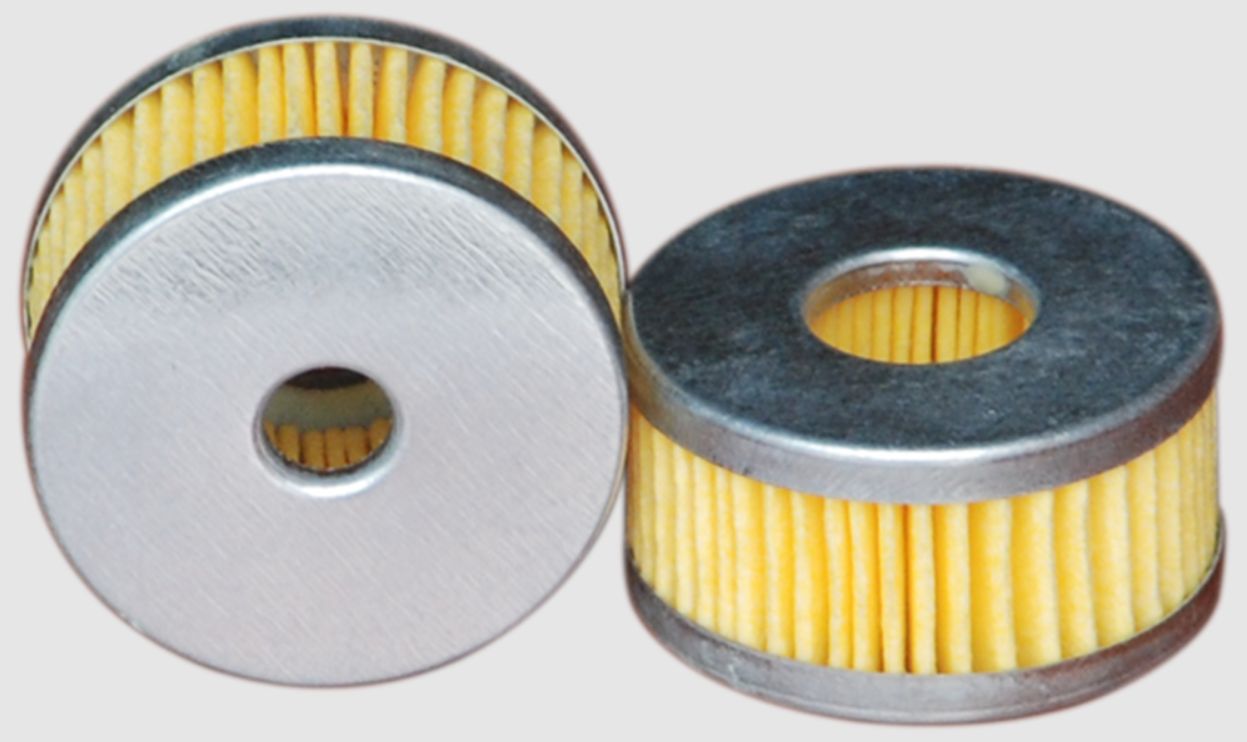
How Is an LPG Filter Changed?
LPG filters are important components that help prevent dirt, oil residue, and various particles from reaching the injectors and other sensitive parts of an LPG fuel system. Replacing the filters at the appropriate intervals helps maintain proper LPG system operation and protects components such as the injectors.
The exact filter replacement procedure depends on the LPG kit and vehicle. Some systems use a gas-phase filter, while others may also have a liquid-phase filter. Their locations and replacement procedures can therefore vary.
Because LPG is a highly flammable fuel and the system can contain pressurized gas, filter replacement should preferably be performed by a qualified technician experienced with LPG systems.
What Does an LPG Filter Do?
The main purpose of an LPG filter is to remove contaminants from the fuel before they reach sensitive components.
Depending on the system, the filter may trap:
-
Dirt and particles
-
Oil residues
-
Contaminants from the LPG tank or regulator
-
Deposits that develop within the LPG system over time
As a filter becomes contaminated, LPG flow can be affected, particularly when the engine requires a large amount of fuel.
How Many LPG Filters Does a Vehicle Have?
This depends on the LPG conversion system.
Many sequential LPG systems have a gas-phase filter. Some systems also use a liquid-phase filter.
The gas-phase filter is generally located after the vaporizer/regulator and before the LPG injectors.
A liquid-phase filter is located in the part of the system where LPG is still in liquid form, although its exact position varies according to the system design.
Therefore, it is important to identify which filter is being replaced rather than simply referring to it as “the LPG filter.”
When Should an LPG Filter Be Replaced?
The replacement interval depends on the LPG kit manufacturer, filter type, fuel quality, and operating conditions.
Many LPG systems specify periodic filter inspection and replacement at particular mileage intervals. However, there is no universal replacement interval that applies to every LPG system.
The manufacturer's recommended maintenance schedule should therefore take priority.
More frequent inspection may be appropriate if the vehicle:
-
Is driven extensively on LPG
-
Operates in dusty conditions
-
Has experienced fuel-quality problems
-
Shows signs of restricted LPG flow
-
Has excessive oil or contamination in the filter
How Can You Tell That an LPG Filter Needs Replacement?
A contaminated LPG filter does not always produce an obvious symptom.
However, some vehicles may experience:
-
Reduced performance on LPG
-
Hesitation during acceleration
-
Misfire under load
-
Loss of power at high RPM
-
Rough idle on LPG
-
Switching from LPG back to gasoline
-
LPG system fault warnings
-
Irregular injector operation
-
Increased fuel consumption
These symptoms do not automatically mean that the filter is faulty.
For example, high-RPM hesitation can also be caused by LPG pressure problems, a faulty regulator, injectors, ignition components, incorrect calibration, wiring problems, or insufficient fuel flow.
A filter should therefore be considered as one possible cause rather than automatically blamed for every LPG-related problem.
What Is Done Before Replacing an LPG Filter?
A professional technician first identifies the LPG system and the filter being used.
The following are checked:
-
LPG kit manufacturer and model
-
Filter type
-
Filter location
-
LPG lines
-
Filter housing
-
Manufacturer's service requirements
The vehicle should then be placed in a suitable, well-ventilated working environment.
Smoking, open flames, sparks, and unsuitable electrical equipment should be kept away from the vehicle while working on the LPG system.
Does the LPG Supply Need to Be Shut Off?
Yes.
Before opening any part of the LPG fuel system, the LPG supply must be safely isolated according to the system manufacturer's procedure.
Simply turning off the engine does not necessarily eliminate pressure from the LPG lines.
Residual pressure may remain inside the system.
For this reason, an LPG line should never be disconnected randomly while the system may still contain pressurized fuel.
How Is a Gas-Phase LPG Filter Replaced?
The exact procedure varies between LPG systems, but a typical professional service procedure involves several stages.
1. Identify the filter
The technician locates the gas-phase filter and confirms that the replacement filter is the correct type.
2. Safely isolate the LPG supply
The LPG supply is shut off according to the system's service procedure, and the remaining pressure is safely managed.
3. Open the filter housing
Depending on the design, the filter housing or its connections are opened.
4. Remove the old filter
The old filter is removed and inspected.
The condition of the old filter can provide useful information about the LPG system. Excessive oil or contamination may indicate that other components also need to be checked.
5. Inspect seals and O-rings
The filter housing's seals or O-rings should be inspected. Damaged, hardened, cracked, or deformed seals should be replaced.
6. Install the new filter
The new filter must be installed in the correct direction and position specified by the manufacturer.
7. Reassemble the system
The filter housing and connections are correctly reassembled.
8. Perform a leak check
This is one of the most important steps.
The connections must be checked for LPG leakage using an appropriate method before the vehicle is returned to normal operation.
9. Check system operation
Once the system is safely returned to service, LPG operation can be checked under different operating conditions.
Should the O-Ring or Seal Be Replaced?
It depends on the filter design.
Some filter housings use O-rings or other sealing components.
If the seal is damaged, hardened, flattened, cracked, or otherwise unsuitable, it should be replaced.
Reusing an old seal simply because it appears visually acceptable is not always appropriate.
LPG system connections require proper sealing, so the correct replacement sealing components should be used when required by the manufacturer.
Does the LPG System Need to Be Recalibrated After Filter Replacement?
Not necessarily.
Replacing an LPG filter does not automatically mean that the LPG software calibration must be changed.
However, if the old filter was severely restricted, the system may have been operating with reduced fuel flow for some time. After installing a clean filter, LPG flow conditions may return to normal.
If the vehicle already had an LPG-related performance problem, it may therefore be useful to check:
-
LPG pressure
-
Injector operating times
-
Fuel trims
-
Gasoline and LPG operating values
-
Engine behavior under different loads
If the diagnostic results indicate a calibration problem, the LPG system can then be recalibrated.
Is It Normal to Find a Large Amount of Oil in the Old LPG Filter?
A certain amount of residue can occur in LPG systems, but excessive oily contamination should not simply be ignored.
If a filter contains a large amount of oil or deposits, the regulator, injectors, and other parts of the LPG system may also deserve inspection.
The condition of the old filter can therefore provide valuable information about the overall condition of the LPG fuel system.
What Happens If an LPG Filter Becomes Clogged?
A severely restricted filter can reduce LPG flow.
The problem may be especially noticeable when the engine requires more fuel, such as during:
-
Hard acceleration
-
High RPM
-
Uphill driving
-
Heavy vehicle loads
-
High-speed operation
A vehicle may operate normally during light driving but lose power when the engine is under heavy load.
However, this behavior does not prove that the filter is the cause. LPG pressure should also be checked because a regulator, solenoid valve, fuel line, or another component can produce similar symptoms.
Does Replacing the LPG Filter Protect the Injectors?
Yes.
One of the main purposes of the filter is to protect the LPG injectors from contaminants.
LPG injectors are precision electromechanical components. Dirt and oily deposits can interfere with their operation over time.
Regular filter replacement helps provide cleaner fuel to the injectors.
However, filter maintenance alone cannot guarantee injector longevity. Fuel quality, regulator condition, LPG pressure, calibration, and the condition of the engine's ignition system also matter.
Common Mistakes During LPG Filter Replacement
Although replacing a filter may appear to be a simple maintenance procedure, mistakes can create serious problems.
Common mistakes include:
-
Opening the LPG system while it is still pressurized
-
Installing the wrong filter
-
Installing the filter in the wrong direction
-
Reusing a damaged seal
-
Incorrectly tightening connections
-
Failing to perform a leak check
-
Ignoring LPG pressure after the replacement
-
Using unsuitable cleaning products
-
Assuming that every LPG performance problem is caused by the filter
The last point is particularly important.
If a vehicle hesitates, loses power at high RPM, or switches back to gasoline, replacing the filter may solve the problem, but it should not be assumed to be the cause without proper diagnosis.
Can You Replace an LPG Filter Yourself?
Some gas-phase filters have a relatively simple construction, but working on an LPG system is different from replacing a conventional air or cabin filter.
LPG is flammable and the fuel system can contain pressurized gas.
An incorrectly installed filter, damaged seal, or poorly tightened connection can create an LPG leak.
For this reason, LPG filter replacement is best performed by a qualified technician who has experience with the specific LPG system.
A leak check should always be performed after the work.
What Should Be Checked After LPG Filter Replacement?
After the filter has been replaced, the vehicle should be checked to ensure that the LPG system is operating correctly.
Depending on the vehicle and the reason for the replacement, the technician may check:
-
LPG-to-gasoline and gasoline-to-LPG transitions
-
Idle quality
-
LPG pressure
-
Acceleration
-
High-RPM operation
-
Injector operating values
-
Fuel trims
-
Diagnostic trouble codes
-
LPG leaks
If the filter was replaced because of an existing performance problem, the vehicle should be tested under the same conditions that originally caused the problem.
Why Is LPG Filter Replacement Important?
The LPG filter is a relatively small component, but it plays an important role in maintaining the condition of the fuel system.
A severely contaminated or restricted filter can affect LPG flow and may cause performance problems, particularly under high engine load. Regular replacement also helps protect sensitive LPG injectors and other components from contaminants.
However, proper LPG maintenance is not limited to replacing the filter. The condition of the old filter, LPG pressure, regulator, injectors, seals, fuel lines, and system calibration may all need to be considered.
For this reason, LPG filter replacement should be treated as part of the overall LPG fuel-system maintenance process, rather than simply as a routine parts replacement.