TR
TR EN
EN

What Is a Brake Caliper Piston? Symptoms of Brake Caliper Piston Failure
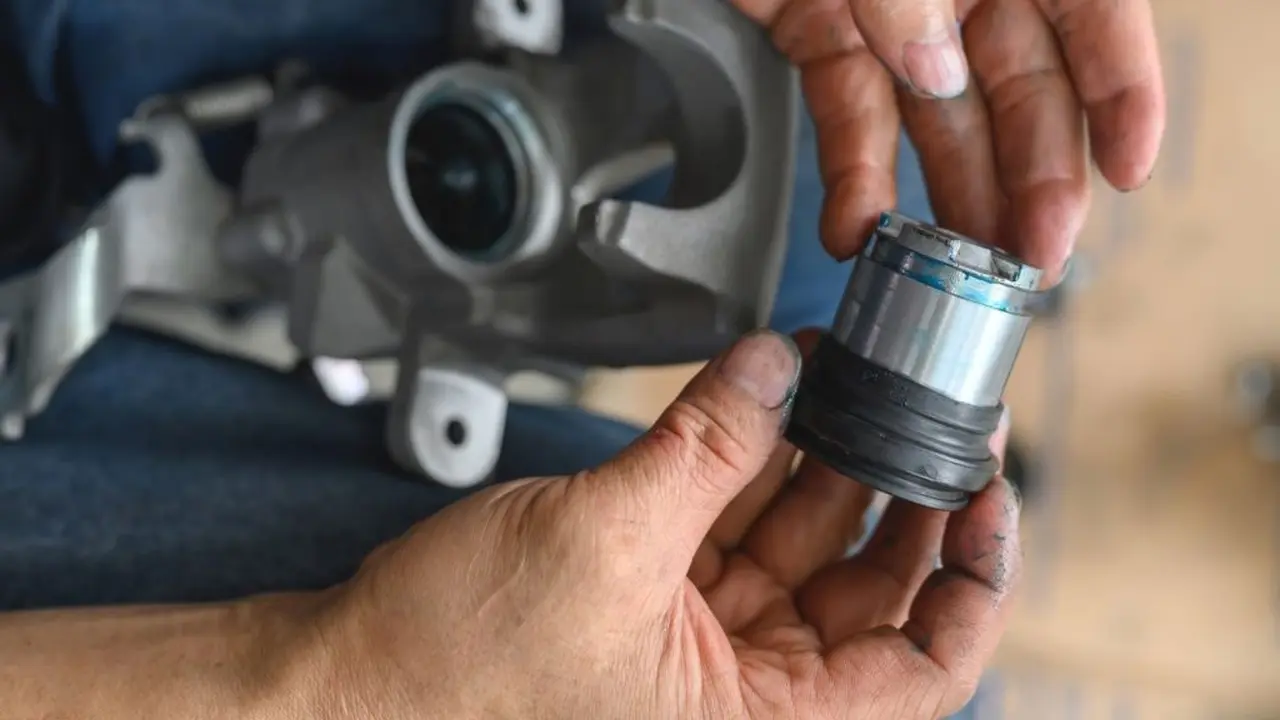
The brake caliper piston is one of the most important components inside a disc brake system. Although it is relatively simple in design, its proper operation is essential for converting hydraulic brake pressure into the mechanical force that presses the brake pads against the brake disc.
When you press the brake pedal, the master cylinder generates hydraulic pressure in the brake fluid. This pressure travels through the brake lines and reaches the caliper. The caliper piston responds to this pressure by moving outward and pushing the brake pad against the rotating disc.
If the piston becomes seized, corroded, contaminated, or begins leaking brake fluid, braking performance can be seriously affected. In some cases, a faulty caliper piston can cause the vehicle to pull to one side, excessive brake heat, uneven pad wear, or even continuous brake drag.
Understanding how the caliper piston works and recognizing its failure symptoms can help prevent more serious brake problems.
What Is a Brake Caliper Piston?
A brake caliper piston is a cylindrical component located inside the brake caliper. Its main job is to transfer hydraulic pressure from the brake fluid into mechanical force.
In a typical disc brake system, the sequence is:
-
You press the brake pedal.
-
The brake booster assists the pedal force when equipped.
-
The master cylinder generates hydraulic pressure.
-
Brake fluid carries this pressure through the hydraulic circuit.
-
Pressure reaches the caliper.
-
The caliper piston moves outward.
-
The piston pushes the brake pad toward the brake disc.
-
Friction between the pad and disc slows the wheel.
The piston itself does not normally touch the brake disc. Instead, it applies force to the brake pad or, depending on the caliper design, acts through the caliper mechanism that positions the pads.
Where Is the Brake Caliper Piston Located?
The piston is installed inside a bore in the brake caliper body.
A rubber component called the piston seal is installed around the piston. The seal has two important functions:
-
It prevents brake fluid from escaping.
-
It helps the piston return slightly after the brake pedal is released.
Many calipers also have an external dust boot around the piston. The dust boot helps prevent water, dirt, road salt, and other contaminants from reaching the piston and its sealing area.
The condition of these seals is extremely important. A damaged dust boot can allow contamination and moisture to enter the piston area, eventually causing corrosion and piston movement problems.
How Does a Brake Caliper Piston Work?
The operation is based on hydraulic pressure.
When the brake pedal is pressed, the master cylinder pressurizes the brake fluid. Because brake fluid is effectively incompressible under normal operating conditions, hydraulic pressure is transmitted through the brake system.
When this pressure reaches the caliper, it acts on the surface of the piston.
The piston then moves outward and applies force to the brake pad.
The amount of force depends on several factors, including hydraulic pressure and piston area. This is one reason brake system designers carefully select piston diameters and caliper configurations.
When the brake pedal is released, hydraulic pressure decreases. The piston does not normally retract a large distance. Instead, the caliper piston seal deforms slightly during braking and helps return the piston by a small amount when pressure is released.
This small movement is important because it allows the brake pad to release its excessive clamping force without creating significant clearance between the pad and disc.
What Is the Difference Between a Single-Piston and Multi-Piston Caliper?
Not all brake calipers use the same number of pistons.
A single-piston floating caliper commonly uses one piston on one side of the caliper. When the piston pushes the inner pad toward the disc, the caliper body moves in the opposite direction and pulls the outer pad into contact with the disc.
This design is widely used because it is relatively simple, compact, and cost-effective.
Fixed calipers can use multiple pistons. For example, a performance brake caliper may have two, four, six, or more pistons depending on the application.
In a multi-piston fixed caliper, pistons can be positioned on both sides of the brake disc. This allows the brake pads to be clamped more directly and can provide more even pressure distribution.
However, having more pistons does not automatically mean the brake system is better. Caliper design, piston area, pad material, disc size, thermal capacity, hydraulic balance, and vehicle characteristics all matter.
What Happens When the Brake Caliper Piston Becomes Seized?
A seized piston is one of the most common serious caliper problems.
The piston should be able to move smoothly inside the caliper bore. If corrosion, contamination, damaged seals, or mechanical damage prevents normal movement, the piston may become stuck.
There are two general ways this can cause problems.
The piston may fail to move outward sufficiently when the brake pedal is pressed. In this situation, the affected brake may produce less braking force.
Alternatively, the piston may move outward during braking but fail to retract sufficiently afterward. The brake pad can then remain in contact with the disc, creating brake drag.
The second situation can generate significant heat.
Symptoms of a Faulty Brake Caliper Piston
A damaged or malfunctioning piston can produce several different symptoms. However, these symptoms are not exclusive to the piston itself. Brake pads, brake hoses, caliper slides, the hydraulic system, and other components can create similar symptoms.
For that reason, diagnosis should not be based on a single symptom.
Brake Pulling to One Side
One of the most noticeable symptoms can be the vehicle pulling left or right during braking.
If one caliper piston does not apply sufficient pressure, the corresponding wheel may provide less braking force than the other side.
For example, if the right front brake is not applying correctly while the left front brake operates normally, the vehicle may tend to pull toward the side producing greater braking force.
However, brake pull can also be caused by:
-
Uneven brake pads
-
Contaminated brake pads
-
A damaged flexible brake hose
-
Sticking caliper guide pins
-
Uneven disc condition
-
Tire problems
-
Suspension or steering issues
-
Hydraulic problems
Therefore, pulling to one side does not automatically mean that the piston is defective.
Brake Drag
A sticking caliper piston can cause the brake pad to remain pressed against the disc after the pedal is released.
This condition is called brake drag.
A small amount of pad-to-disc contact can be normal, but excessive continuous contact is not.
A dragging brake may cause:
-
Increased fuel consumption
-
Reduced vehicle performance
-
Excessive brake temperature
-
Premature pad wear
-
Premature disc wear
-
Burning smells
-
Brake noise
-
Vehicle pulling
-
Brake fluid overheating
If one wheel becomes significantly hotter than the others after normal driving, the corresponding brake assembly should be inspected.
Excessive Heat From One Wheel
A seized piston can keep the brake partially applied.
The friction between the brake pad and disc converts mechanical energy into heat. If the brake remains partially applied while driving, the temperature can rise rapidly.
After a drive, you may notice:
-
A strong burning smell
-
Smoke in severe cases
-
Excessive heat around one wheel
-
Discoloration of the brake disc
-
Abnormal brake noise
Never touch a brake disc or caliper immediately after driving to determine whether it is hot. Brake components can become hot enough to cause severe burns.
Uneven Brake Pad Wear
A caliper piston problem can contribute to uneven brake pad wear.
If the piston does not move correctly, one pad may wear significantly faster than the other.
However, uneven pad wear can also occur because of:
-
Sticking guide pins
-
Caliper body problems
-
Incorrect pad installation
-
Pad movement restrictions
-
Hydraulic problems
-
Poor-quality or incorrectly fitted components
The pattern of wear is therefore useful for diagnosis.
For example, if one pad is dramatically thinner than the other, the caliper assembly should be inspected rather than simply replacing the pads.
Brake Fluid Leakage Around the Caliper
A leaking caliper piston seal can allow brake fluid to escape.
You may notice wetness around the caliper or a gradual decrease in brake fluid level.
Brake fluid leaking onto the brake pad is particularly dangerous because it can contaminate the friction material and significantly reduce braking performance.
Possible signs include:
-
Brake fluid around the caliper
-
Falling brake fluid level
-
Soft brake pedal
-
Brake warning light
-
Reduced braking performance
A brake fluid leak should never be ignored.
Soft or Spongy Brake Pedal
A faulty piston itself is not the most common cause of a soft brake pedal, but a caliper problem can sometimes contribute to abnormal pedal behavior.
More common causes include:
-
Air in the brake system
-
Old or contaminated brake fluid
-
Hydraulic leaks
-
Flexible brake hose problems
-
Master cylinder problems
-
Incorrect brake bleeding
If the pedal feels unusually soft or spongy, the entire hydraulic brake system should be checked.
Brake Noise
A sticking piston can contribute to brake noise because the pad may remain in contact with the disc.
Possible noises include:
-
Grinding
-
Squealing
-
Scraping
-
Clicking
-
Humming or rubbing sounds
However, brake noise has many possible causes. A noise by itself is not sufficient evidence of piston failure.
Brake Disc Discoloration
A severely dragging brake can generate enough heat to change the appearance of the brake disc.
The disc may develop dark or blue-colored areas, depending on the severity and temperature reached.
Heat-related discoloration can indicate that the brake assembly has been operating outside its normal temperature range.
If a disc is overheated, simply replacing the caliper piston may not be enough. The disc and pads may also require inspection and possible replacement.
What Causes a Brake Caliper Piston to Fail?
Several factors can cause piston problems.
Corrosion
Moisture and road contaminants can cause corrosion on the piston or inside the caliper bore.
Corrosion is particularly problematic when the protective dust boot has been damaged.
Damaged Dust Boot
A torn or incorrectly installed dust boot allows water, dirt, salt, and other contaminants to reach the piston area.
This can eventually lead to corrosion and sticking.
Old or Contaminated Brake Fluid
Brake fluid absorbs moisture over time in many brake systems. Contaminated fluid can contribute to corrosion and deterioration of internal hydraulic components.
This is one reason brake fluid should be replaced according to the vehicle manufacturer's recommended maintenance schedule.
Mechanical Damage
A damaged piston or caliper bore may prevent the piston from moving smoothly.
Improper servicing techniques can also damage sealing surfaces.
Long-Term Vehicle Storage
Vehicles that remain unused for long periods can develop corrosion in brake components, particularly when exposed to moisture.
Can a Brake Caliper Piston Be Cleaned?
Sometimes a piston can be serviced rather than replacing the entire caliper, but this depends on its condition and the manufacturer's service procedures.
If the piston is only lightly contaminated and the caliper components remain within specification, rebuilding may be possible.
A proper caliper rebuild can involve:
-
Removing the caliper
-
Removing the piston
-
Inspecting the piston surface
-
Inspecting the caliper bore
-
Replacing seals
-
Replacing the dust boot
-
Cleaning the appropriate components
-
Lubricating components with the correct brake-compatible products
-
Reassembling the caliper
-
Bleeding the brake system
If the piston or bore is heavily corroded, damaged, or worn, rebuilding may not be appropriate.
In that case, replacing the caliper or using a professionally remanufactured unit may be the safer solution.
Should a Seized Brake Caliper Piston Be Replaced?
Not every sticking piston requires the complete caliper to be replaced.
The correct repair depends on why it is sticking.
If the piston, bore, and sealing surfaces are serviceable, a properly performed rebuild may restore the caliper.
If the piston is heavily corroded or the caliper bore is damaged, replacement is generally more appropriate.
It is also important to determine why the problem occurred. Replacing a piston without checking the dust boot, seals, brake hose, guide pins, and brake fluid condition can allow the underlying problem to return.
How Is a Brake Caliper Piston Diagnosed?
A proper diagnosis starts with a visual inspection.
A technician may inspect:
-
Brake fluid leaks
-
Dust boot condition
-
Piston condition
-
Brake pad wear
-
Disc condition
-
Caliper guide pins
-
Flexible brake hose
-
Brake fluid condition
-
Caliper movement
The brake assembly can then be checked for abnormal resistance or drag.
Temperature comparison between the wheels after controlled driving can also provide useful diagnostic information, although temperature alone does not identify the exact failed component.
Hydraulic pressure testing may be appropriate when a hydraulic restriction or pressure imbalance is suspected.
Could the Brake Hose Be Mistaken for a Bad Caliper Piston?
Yes.
A damaged flexible brake hose can sometimes create a condition that looks like a seized caliper.
An internally deteriorated hose can restrict the return of brake fluid after the brake pedal is released. This may leave hydraulic pressure trapped at the caliper.
The result can be a dragging brake even though the caliper piston itself is not the original problem.
This is why replacing the caliper without checking the hydraulic hose can sometimes fail to solve the problem.
What About Caliper Guide Pins?
On floating calipers, guide pins are just as important to proper brake operation as the piston.
If the guide pins seize, the caliper may not move correctly.
This can create:
-
Uneven pad wear
-
Brake drag
-
Reduced braking efficiency
-
Noise
-
Uneven contact with the disc
Therefore, when diagnosing a suspected piston problem, the complete caliper assembly should be inspected.
Can a Faulty Caliper Piston Damage the Brake Disc?
Yes.
If a piston sticks and keeps the brake pad against the disc, continuous friction generates heat.
Over time, this can cause:
-
Disc overheating
-
Uneven disc surface
-
Heat spots
-
Disc distortion or thickness variation
-
Accelerated pad wear
-
Reduced braking performance
A severely overheated disc may need replacement rather than simply being reused after repairing the caliper.
Can a Faulty Caliper Piston Increase Fuel Consumption?
It can.
A dragging brake creates continuous resistance against the movement of the vehicle.
The engine must then produce additional power to maintain the same speed.
The increase in fuel consumption may be small or significant depending on how severely the brake is dragging.
However, increased fuel consumption alone should never be used to diagnose a caliper piston problem.
Is It Safe to Drive With a Bad Brake Caliper Piston?
Driving with a confirmed severely sticking or leaking caliper piston can be dangerous.
A dragging brake can overheat the braking system and affect vehicle control. A leaking caliper can also reduce hydraulic pressure and braking performance.
If you notice a combination of symptoms such as:
-
Strong burning smell from one wheel
-
Severe vehicle pulling during braking
-
Brake fluid leakage
-
Smoke from a wheel
-
Extremely hot brake components
-
Significant loss of braking performance
the vehicle should not be treated as normal to drive.
The brake system should be inspected as soon as possible.
Brake Caliper Piston Maintenance
Preventing piston problems largely depends on maintaining the complete brake system.
Useful practices include:
-
Replace brake fluid according to the manufacturer's schedule.
-
Inspect caliper dust boots during brake service.
-
Check for brake fluid leaks.
-
Inspect brake pads for uneven wear.
-
Check caliper guide pins on floating calipers.
-
Avoid using unsuitable chemicals on brake seals.
-
Use only brake-system-compatible lubricants where specified.
-
Inspect vehicles that have been stored for long periods.
-
Repair damaged dust boots before corrosion develops.
During brake pad replacement, simply pushing a piston back without inspecting its condition may hide an existing problem.
What Should Be Checked When Replacing a Brake Caliper Piston?
A piston replacement or caliper rebuild should not be treated as an isolated repair.
The technician should consider inspecting:
-
Piston surface
-
Caliper bore
-
Piston seal
-
Dust boot
-
Brake hose
-
Brake pads
-
Brake disc
-
Guide pins
-
Brake fluid
-
Other components in the same hydraulic circuit
After hydraulic work, the brake system must be correctly bled according to the vehicle manufacturer's procedure.
Some modern vehicles may require additional procedures when equipped with electronically controlled braking or integrated ABS systems.
Brake Caliper Piston vs. Brake Caliper
The piston is only one component of the caliper assembly.
A brake caliper may contain:
-
Piston or pistons
-
Piston seals
-
Dust boots
-
Brake pad mounting hardware
-
Guide pins on floating designs
-
Bleeder screw
-
Hydraulic connection
-
Caliper body
Therefore, when someone says "the brake caliper is bad," the actual problem may be the piston, seal, guide pin, hose, mounting mechanism, or another component.
Correct diagnosis is important because replacing the entire caliper is not always necessary.
Final Thoughts
The brake caliper piston is a small but critical part of the disc brake system. It converts hydraulic pressure into the mechanical force needed to clamp the brake pads against the disc.
A healthy piston should move smoothly, maintain hydraulic pressure without leaking, and allow the brake assembly to release correctly after braking.
A damaged or seized piston can cause brake drag, uneven pad wear, excessive heat, brake noise, vehicle pulling, fluid leakage, and reduced braking performance.
However, these symptoms can also be produced by other brake components. A sticking flexible hose, seized guide pins, contaminated brake pads, hydraulic problems, or disc-related issues can sometimes produce very similar symptoms.
For this reason, the safest approach is to inspect the complete brake assembly rather than replacing the piston or caliper based on a single symptom.
Because the braking system is directly responsible for vehicle control and stopping, suspected caliper piston problems should be diagnosed and repaired using the vehicle manufacturer's procedures and appropriate brake-system components.