TR
TR EN
EN

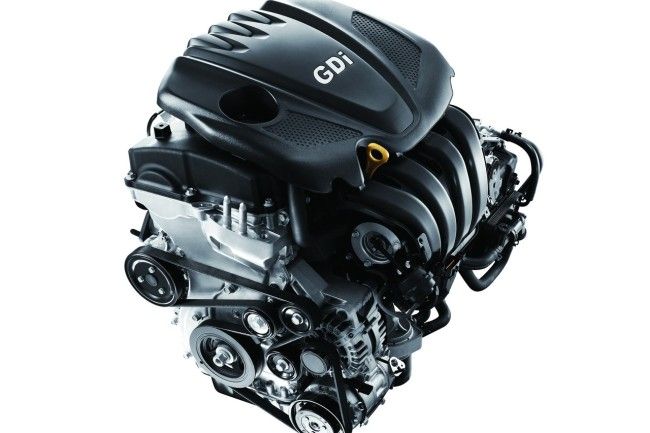
What Is a GDI Engine?
GDI stands for Gasoline Direct Injection. In Turkish, it refers to a gasoline engine with direct fuel injection. In a GDI engine, gasoline is injected directly into the combustion chamber rather than being injected only into the intake manifold or intake port.
This technology allows the engine to control fuel delivery more precisely and can improve efficiency, performance, and emissions when combined with an appropriate engine design.
GDI technology is used by many different manufacturers. Some manufacturers market similar direct-injection technologies under different names, such as FSI, TFSI, EcoBoost, DISI, SIDI, and other brand-specific names.
How Does a GDI Engine Work?
A GDI fuel system can generally be considered as having two main stages.
The low-pressure fuel pump inside or near the fuel tank sends gasoline toward the engine. Depending on the engine design, a high-pressure fuel pump then increases the fuel pressure to the level required for direct injection.
The pressurized fuel reaches the injectors through the fuel rail.
The injectors then spray gasoline directly into the combustion chamber.
The engine control unit continuously evaluates information from components such as:
-
Engine speed
-
Engine load
-
Accelerator position
-
Intake air pressure
-
Intake air temperature
-
Engine coolant temperature
-
Fuel pressure
-
Crankshaft position
-
Camshaft position
-
Oxygen sensors
-
Knock sensors
The ECU uses this information to determine the appropriate injection quantity and timing.
This allows the fuel supply to be adjusted very precisely according to the engine's operating conditions.
GDI vs. Conventional Gasoline Injection
The main difference between GDI and traditional port fuel injection is where the fuel is injected.
In a conventional port-injected gasoline engine, the injector normally sprays fuel into the intake port, where it mixes with incoming air before entering the cylinder.
In a GDI engine, the injector sprays fuel directly into the cylinder.
This difference affects the entire engine design.
A GDI engine may require:
-
Higher fuel pressure
-
Special direct-injection injectors
-
A different piston design
-
More sophisticated ECU control
-
A specially designed combustion chamber
-
More precise fuel management
Advantages of GDI Engines
One of the biggest advantages of GDI technology is its ability to control fuel injection very precisely.
Depending on the engine design, GDI can provide:
-
Improved fuel economy
-
Better thermal efficiency
-
Higher specific power
-
Improved throttle response
-
More precise combustion control
-
Better emissions management
-
Greater flexibility in engine design
Direct injection can also allow manufacturers to use higher compression ratios in suitable engines.
When combined with a turbocharger, GDI technology makes it possible to produce substantial power and torque from relatively small engine displacements.
High-Pressure Fuel Systems in GDI Engines
One of the most important characteristics of a GDI engine is its high-pressure fuel system.
The fuel pressure required by direct injection is significantly higher than that used by many conventional port-injection systems.
A typical system can be represented as:
Fuel tank → low-pressure fuel pump → high-pressure fuel pump → fuel rail → direct injectors
A problem anywhere in this system can affect engine operation.
Possible causes include:
-
Low fuel pressure
-
High-pressure fuel pump failure
-
Fuel pressure sensor problems
-
Injector problems
-
Fuel supply restrictions
-
Electrical wiring problems
-
Fuel-pressure control faults
Symptoms may include difficult starting, long cranking, misfires, hesitation, loss of power, or an engine that fails to start.
Carbon Buildup in GDI Engines
One of the most commonly discussed characteristics of gasoline direct-injection engines is carbon buildup on the intake valves.
This is related to the way direct injection works.
In a port-injected engine, gasoline passes through the intake ports and can provide some cleaning effect around the intake valves.
In a GDI engine, fuel is injected directly into the combustion chamber. Therefore, gasoline normally does not wash over the back of the intake valves.
Over time, deposits can form from:
-
PCV system vapors
-
Oil mist
-
Blow-by gases
-
EGR or internal EGR flow
-
Other combustion-related contaminants
As deposits become heavier, airflow through the intake ports can be affected.
Possible symptoms include:
-
Rough idle
-
Cold-start shaking
-
Misfires
-
Delayed throttle response
-
Reduced performance
-
Increased fuel consumption
-
Check engine light
However, there is no universal mileage at which every GDI engine needs intake-valve cleaning.
The rate of carbon buildup depends on the specific engine design, PCV system, driving conditions, oil consumption, maintenance history, and other factors.
Injector Problems in GDI Engines
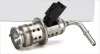
GDI injectors operate under demanding conditions because they inject fuel directly into the combustion chamber.
If an injector does not operate correctly, the engine may experience:
-
Misfires
-
Rough idle
-
Increased fuel consumption
-
Difficult starting
-
Reduced engine performance
-
Abnormal emissions
-
Check engine light
Injector diagnosis should not rely only on an electrical resistance measurement.
Fuel pressure, injector operation, injection quantity, cylinder-specific data, ignition components, and compression may also need to be checked.
GDI Engines and Turbochargers
GDI technology is frequently combined with turbocharging.
The turbocharger forces additional air into the engine, while the GDI system precisely adjusts fuel delivery to match the increased air supply.
This combination allows relatively small engines to produce high levels of power and torque.
However, turbocharged GDI engines also contain additional components that must be considered during diagnosis, including:
-
Intercooler
-
Charge-air hoses
-
Wastegate
-
Turbocharger actuator
-
MAP sensor
-
Boost-control system
A boost problem does not automatically mean that the turbocharger itself has failed.
A leaking intercooler hose, faulty wastegate actuator, boost-control problem, or defective pressure sensor can create similar symptoms.
Oil Consumption in GDI Engines
Some GDI engine families have developed a reputation for increased oil consumption, particularly certain older engine generations.
However, this should not be generalized to every GDI engine.
Excessive oil consumption can be caused by:
-
Piston rings
-
Cylinder wear
-
Valve stem seals
-
Turbocharger problems
-
PCV system faults
-
External oil leaks
If a GDI engine is consuming excessive oil, the actual cause should be diagnosed rather than assuming that oil consumption is simply a characteristic of direct injection.
GDI Engines and Knock Control
Direct injection allows fuel delivery to be controlled very precisely inside the combustion chamber.
The ECU also uses information from knock sensors to monitor abnormal combustion.
Depending on the engine design, the ECU can adjust ignition timing and other parameters when knock is detected.
Knock behavior can be affected by:
-
Fuel octane
-
Engine temperature
-
Intake air temperature
-
Engine load
-
Ignition timing
-
Compression ratio
-
Combustion conditions
Using fuel below the manufacturer's recommended minimum octane rating can increase the amount of knock-control intervention on some engines.
What Fuel Should a GDI Engine Use?
The most important rule is to use fuel that meets the octane rating and fuel specification recommended by the vehicle manufacturer.
Higher-octane fuel does not automatically increase power in every GDI engine.
Whether higher octane provides a benefit depends on the engine's compression ratio, ECU calibration, ignition strategy, and knock-control system.
Using fuel below the manufacturer's recommended minimum octane rating can affect performance and may increase the need for knock-control intervention.
The Role of the PCV System
The PCV system controls crankcase ventilation and helps manage gases that pass the piston rings during normal engine operation.
The PCV system is particularly relevant to GDI engines because oil vapors and blow-by gases can eventually contribute to deposits in the intake system.
A faulty PCV system can cause:
-
Rough idle
-
Mixture-related faults
-
Vacuum problems
-
Increased oil consumption
-
Whistling or hissing noises
-
Check engine light
-
Unstable engine operation
A PCV problem can sometimes resemble a vacuum leak or an MAF/MAP-related problem, so the entire intake and crankcase ventilation system should be evaluated.
GDI Engine Maintenance
Maintaining a GDI engine involves more than changing the engine oil and air filter.
Depending on the specific engine, the following systems should also receive attention:
-
Engine oil and correct oil specification
-
Air filter
-
Fuel system
-
Fuel pressure
-
Direct injectors
-
Spark plugs
-
Ignition coils
-
PCV system
-
Intake system
-
Turbocharger
-
Intercooler connections
-
Cooling system
-
OBD fault history
When selecting engine oil, the manufacturer's required oil specification and approval are more important than viscosity alone.
Common GDI Engine Problems
A GDI engine should be diagnosed carefully if it develops symptoms such as:
-
Check engine light
-
Rough idle
-
Misfires
-
Difficult starting
-
Long cranking
-
Hesitation during acceleration
-
Loss of power
-
Increased fuel consumption
-
Excessive oil consumption
-
Turbo boost problems
-
Fuel-pressure faults
-
Cold-start problems
-
Changes in exhaust smoke
None of these symptoms automatically identifies a particular failed component.
For example, if a GDI engine develops a misfire, replacing the injector immediately may not solve the problem. Spark plugs, ignition coils, fuel pressure, injectors, intake leaks, compression, and intake-valve deposits may all need to be considered.
What Are the Disadvantages of GDI Engines?
GDI technology provides significant benefits in terms of efficiency and performance, but it also increases system complexity.
Potential disadvantages include:
-
High-pressure fuel system
-
More complex injectors
-
Potential intake-valve carbon buildup
-
More sensitive fuel-system components
-
More complicated diagnosis
-
Oil-consumption problems on certain engine families
-
Additional components when combined with turbocharging
These issues should not be assumed to affect every GDI engine equally. Engine generation and engine code are important.
Should You Buy a GDI Engine?
There is nothing inherently wrong with buying a GDI-powered vehicle. However, the fact that an engine uses GDI technology should not by itself determine whether the vehicle is a good or bad purchase.
When inspecting a used GDI vehicle, it is worth checking:
-
Cold-start behavior
-
Idle quality
-
Misfire data
-
Fuel pressure
-
Injector operation
-
Oil consumption
-
Turbocharger boost where applicable
-
Intake system
-
PCV system
-
Cooling system
-
OBD fault history
-
Maintenance records
A properly maintained GDI engine can provide long-term reliable service.
The most important factors are the specific engine design, maintenance history, correct oil and fuel specifications, and whether known problems for that particular engine generation have been addressed.
GDI, FSI, and TFSI: What Is the Connection?
GDI is a general description of Gasoline Direct Injection technology.
FSI is one of the names used by Volkswagen Group for its direct-injection gasoline technology.
TFSI is generally associated with the combination of direct injection and turbocharging in Volkswagen Group engines.
In simple terms:
GDI → General term for gasoline direct injection
FSI → Volkswagen Group terminology associated with gasoline direct injection
TFSI → Volkswagen Group terminology generally associated with direct injection combined with turbocharging
Other manufacturers use different names for similar technologies.
The fundamental principle remains the same: gasoline is injected directly into the combustion chamber rather than being injected only into the intake port.
GDI technology can provide significant advantages in fuel efficiency, performance, and combustion control. At the same time, its high-pressure fuel system, direct injectors, and potential intake-valve deposits make proper maintenance and accurate diagnosis particularly important.