TR
TR EN
EN

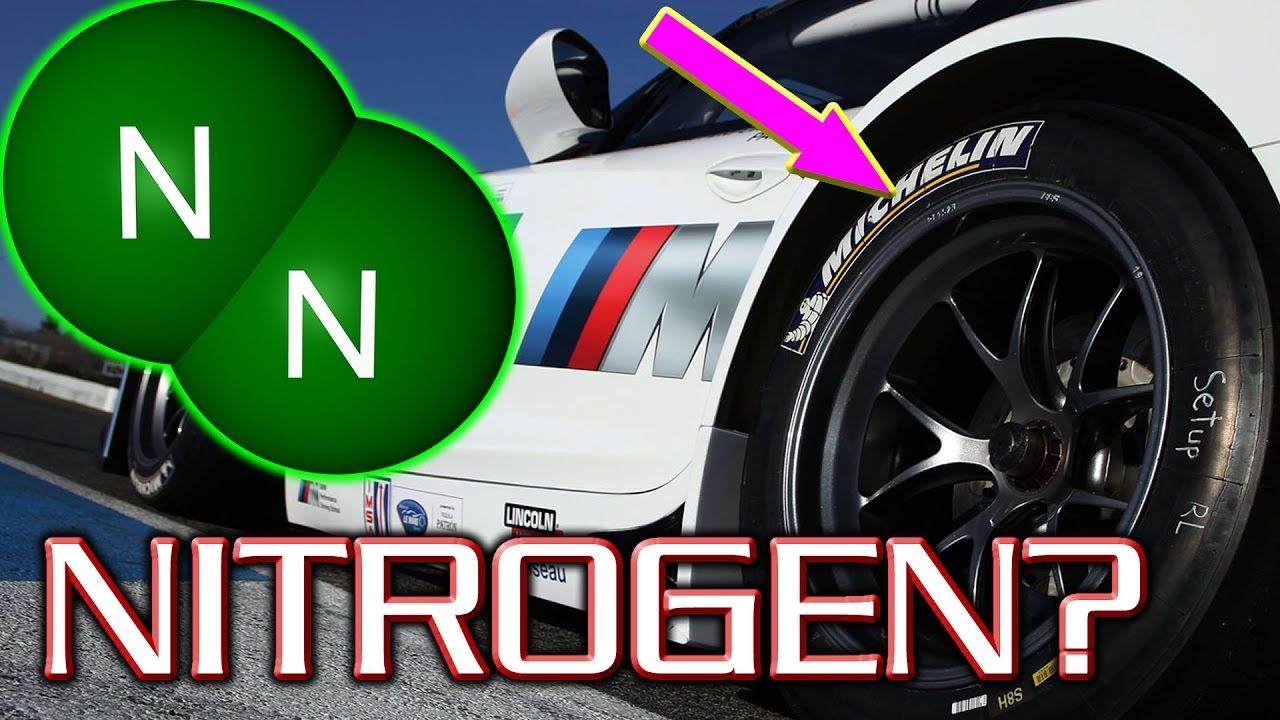
Using Nitrogen in Car Tires: What Are the Benefits?
Using nitrogen instead of regular compressed air in car tires is an option that is often promoted by tire shops and automotive service centers. Nitrogen can provide some real benefits, particularly in applications where pressure stability and moisture control are important. However, many claims about nitrogen-filled tires are exaggerated.
Normal atmospheric air already contains approximately 78% nitrogen. Therefore, filling a passenger-car tire with nitrogen does not completely change how the tire operates. The main difference is that the gas inside the tire contains a much higher percentage of nitrogen and, when properly supplied, less moisture.
What Does Filling Tires With Nitrogen Mean?
Normal compressed air is primarily nitrogen and oxygen, along with small amounts of other gases and potentially moisture.
When nitrogen is used, the goal is to replace much of the existing air with a dry, high-purity nitrogen gas.
However, if a tire already contains normal air, a single nitrogen refill does not instantly produce a tire containing 100% pure nitrogen. Some of the original air remains inside and mixes with the newly added nitrogen.
For this reason, nitrogen-filled tires should not be thought of as operating under completely different conditions from conventional tires.
Does Nitrogen Keep Tire Pressure Stable for Longer?
This is one of the main reasons nitrogen is used.
Nitrogen can reduce the rate at which tire pressure is lost through normal gas permeation. The difference can be useful in applications where maintaining pressure over long periods is particularly important.
However, the difference is generally not dramatic for ordinary passenger cars.
Tire pressure can decrease because of many other factors, including:
-
Small punctures
-
Valve leaks
-
Bead sealing problems
-
Damaged or bent wheels
-
Temperature changes
-
Aging tires
-
Damage to the tire or wheel
Nitrogen does not eliminate these causes of pressure loss.
Regular pressure checks are still necessary even when a vehicle uses nitrogen.
Does Nitrogen Prevent Tires From Overheating?
Not in normal driving.
Tire temperature depends on many factors, including:
-
Tire pressure
-
Vehicle load
-
Driving speed
-
Road conditions
-
Ambient temperature
-
Tire construction
-
Driving style
Using dry nitrogen can offer advantages in applications where temperature and pressure stability are particularly important, such as motorsports, heavy-duty vehicles, and other specialized applications.
But it would be incorrect to say that nitrogen-filled tires simply do not get hot.
A tire still heats up during driving, and its internal pressure still increases as temperature rises.
Does Nitrogen Reduce Fuel Consumption?
Nitrogen itself does not provide a significant direct reduction in fuel consumption.
One of the most important tire-related factors affecting fuel economy is correct tire pressure. An underinflated tire generally has greater rolling resistance, which can increase the energy required to move the vehicle.
This means maintaining the correct pressure is much more important than whether the tire contains nitrogen or conventional air.
A tire filled with normal air at the correct pressure can be more efficient than a nitrogen-filled tire that is significantly underinflated.
Can Nitrogen Extend Tire Life?
Nitrogen may provide some benefits because dry nitrogen contains very little moisture compared with ordinary compressed air that has not been properly dried.
However, tire life depends on many other factors that are usually much more important.
These include:
-
Correct tire pressure
-
Wheel alignment
-
Wheel balancing
-
Suspension condition
-
Vehicle load
-
Driving speed
-
Braking habits
-
Cornering style
-
Road conditions
-
UV exposure
-
Ambient temperature
-
Tire age
-
Tread wear
Therefore, using nitrogen alone should not be expected to dramatically increase tire life.
Maintaining the correct pressure and replacing aging or damaged tires are far more important.
Why Is Nitrogen Different From Normal Air?
The main argument for nitrogen is not simply that it is nitrogen. The important point is that properly supplied nitrogen can be very dry and contains significantly less moisture than ordinary compressed air.
Moisture can influence pressure behavior as temperature changes. This is particularly relevant in demanding applications involving high temperatures and high tire pressures.
Nevertheless, modern passenger-car tires are designed to operate with normal atmospheric air. The oxygen naturally present in conventional air does not mean that a tire will quickly deteriorate during everyday use.
Can You Add Normal Air to a Nitrogen-Filled Tire?
Yes.
If a nitrogen-filled tire is underinflated and the only available source is a normal air compressor, adding air to restore the correct pressure is perfectly reasonable.
There is no practical safety benefit in deliberately driving with an underinflated tire just to preserve a higher nitrogen concentration.
For example, if you are on the road and discover that a tire is significantly below the recommended pressure, use available compressed air and restore the tire to the correct pressure.
The tire can be refilled with nitrogen later if desired.
Does Nitrogen Prevent Tire Blowouts?
No.
Nitrogen does not make a tire puncture-proof or blowout-proof.
A tire can still be damaged by:
-
Nails or screws
-
Sharp objects
-
Wheel damage
-
Severe underinflation
-
Excessive load
-
Excessive heat
-
High-speed operation
-
Structural tire damage
-
Manufacturing defects or aging
Nitrogen provides no physical barrier against these problems.
A properly maintained tire with the correct pressure remains essential for safe driving.
Is Nitrogen Pressure More Stable During Temperature Changes?
Nitrogen does not eliminate the effect of temperature on tire pressure.
When a tire heats up during driving, its internal pressure increases. When the tire cools down after the vehicle is parked, the pressure decreases again.
This basic behavior occurs regardless of whether the tire is filled with nitrogen or conventional air.
For this reason, tire pressure should preferably be checked when the tires are cold.
The pressure shown on a hot tire should not be directly compared with the manufacturer's recommended cold tire pressure.
Is Nitrogen Worth Using in Passenger Cars?
For an everyday passenger car, the benefits are usually relatively modest.
Nitrogen can be useful if:
-
The vehicle is driven long distances frequently.
-
The vehicle carries heavy loads.
-
Tire pressure stability is particularly important.
-
The tires operate in demanding temperature conditions.
-
The owner wants to minimize moisture inside the tire.
-
A reliable nitrogen service is already available.
However, nitrogen is not essential for normal passenger-car operation.
If a vehicle is used mainly for commuting, city driving, and ordinary highway trips, maintaining the correct tire pressure is much more important than choosing nitrogen over regular air.
What Is More Important Than Nitrogen?
Regardless of which gas is inside the tire, several maintenance practices have a much greater effect on safety and tire performance.
Check tire pressure regularly and follow the vehicle manufacturer's recommended values. These values are normally found on the driver's door-frame label, fuel-filler area, owner's manual, or another manufacturer-specified location.
It is also important to inspect tires for:
-
Uneven tread wear
-
Cracks
-
Bulges
-
Cuts
-
Embedded objects
-
Excessive tread wear
-
Abnormal pressure loss
Wheel alignment and balancing should also be checked when necessary, particularly if the vehicle pulls to one side, the steering wheel is not centered, or the tires are wearing unevenly.
Nitrogen or Regular Air: Which Is Better?
Nitrogen is not a magic solution for tire maintenance. It can offer measurable advantages, particularly because dry nitrogen can reduce moisture and slightly slow pressure loss. These characteristics are valuable in specialized and demanding applications.
For most passenger cars, however, the difference between nitrogen and normal air is much smaller than many advertisements suggest.
Claims that nitrogen dramatically reduces fuel consumption, completely prevents pressure loss, prevents tire blowouts, or makes tires last several times longer should be treated with caution.
For everyday driving, the most important thing is not whether the tire contains nitrogen. It is whether the tire has the correct pressure, is in good condition, is properly aligned, and is replaced when it reaches the end of its service life.