TR
TR EN
EN

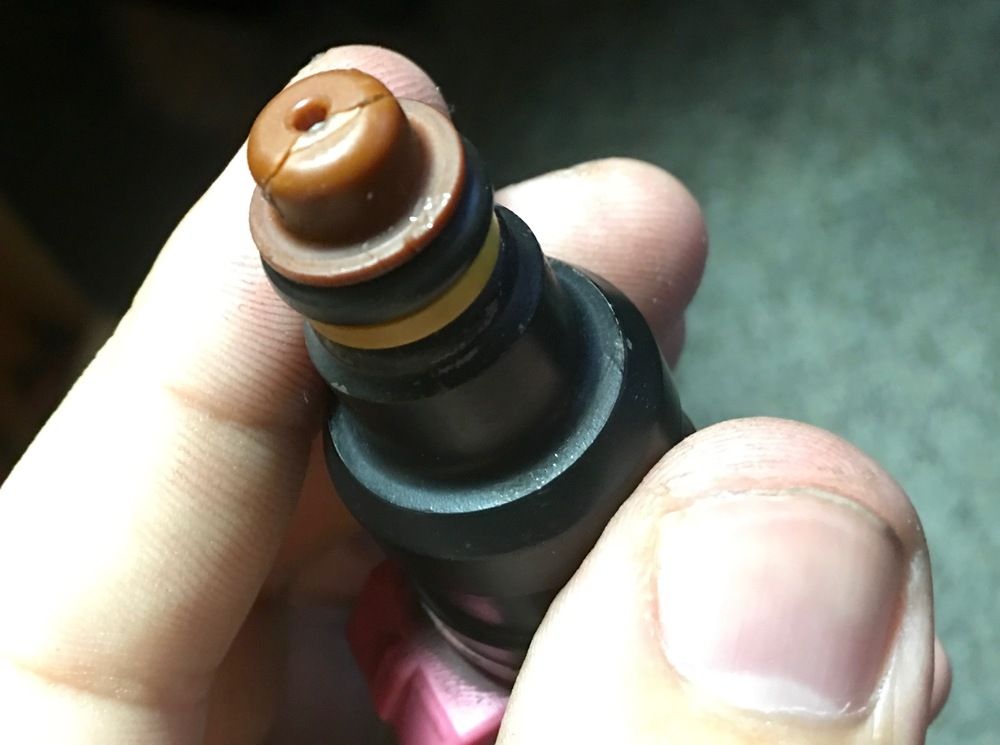
How Can You Tell If an Injector Is Failing? Symptoms, Causes, and Testing Methods
Fuel injectors play a critical role in engine operation by delivering the correct amount of fuel at the correct time and, depending on the system, at very high pressure. When an injector becomes clogged, leaks, sticks, or develops an electrical problem, engine performance can be affected significantly.
An injector problem may initially cause only a slight loss of performance, but a serious or prolonged fault can lead to hard starting, misfires, increased fuel consumption, excessive exhaust smoke, and potentially more expensive engine or emissions-system problems.
One important point should be made from the beginning: engine misfires or poor performance do not automatically mean that the injectors are faulty. Ignition components, the fuel pump, fuel pressure, air leaks, sensors, EGR, turbocharging systems, or internal engine problems can produce very similar symptoms.
Common Symptoms of a Bad Fuel Injector
The symptoms of injector failure depend on the type of engine and the nature of the injector problem.
Rough or uneven engine operation
An engine that shakes, vibrates, or runs unevenly at idle can have an injector-related problem.
If one injector is not delivering the correct amount of fuel, its cylinder may operate differently from the others, causing the engine to run unevenly.
Engine misfire and hesitation
A clogged or malfunctioning injector may cause the engine to hesitate, stumble, or misfire, especially during acceleration.
The problem may be barely noticeable during light driving but become much more obvious when the accelerator is pressed harder.
Hard starting
An engine that takes longer than normal to start, particularly after sitting for several hours, may have a fuel-delivery problem.
A leaking injector, insufficient fuel pressure, a weak fuel pump, a clogged fuel filter, or excessive fuel pressure loss can all contribute to hard starting.
In diesel engines, glow plugs and other components of the starting system should also be considered.
Loss of engine power
If an injector cannot deliver the required amount of fuel, the engine may lose power.
The problem may become especially noticeable when climbing hills, accelerating at higher engine speeds, carrying a heavy load, or attempting to overtake.
Increased fuel consumption
An injector that delivers too much fuel can cause excessive fuel consumption.
However, increased fuel consumption alone is not enough to diagnose an injector problem. Faulty sensors, incorrect fuel pressure, poor combustion, a clogged air filter, and other engine-management problems can produce the same symptom.
Can Exhaust Smoke Indicate an Injector Problem?
The color, amount, and operating conditions under which smoke appears can provide useful diagnostic clues.
Black smoke
Black smoke, particularly from a diesel engine, generally indicates that the air-fuel mixture contains too much fuel or not enough air.
A leaking or over-fueling injector can cause black smoke, but turbocharger problems, boost leaks, a restricted air filter, EGR problems, and air-measurement issues can also be responsible.
White or gray smoke
White or gray smoke can occur when fuel is not burning properly.
Persistent smoke during cold starts may be related to injector problems, glow plugs, injection timing, compression, or other combustion-related issues.
Blue smoke
Blue smoke is generally associated with engine oil entering the combustion chamber rather than a typical injector problem.
Worn piston rings, turbocharger problems, valve seals, or other mechanical issues should be investigated when persistent blue smoke is present.
Can a Bad Injector Turn On the Check Engine Light?
Yes. Some injector problems can trigger the check engine light.
The engine control module monitors injector circuits and uses information from various sensors to determine whether the engine is operating correctly.
An electrical injector fault may generate a circuit-related diagnostic trouble code. A combustion problem caused by incorrect fuel delivery may instead trigger a cylinder misfire code.
For example, codes such as P0301, P0302, P0303, or P0304 indicate a detected misfire in a particular cylinder.
However, an important distinction must be made:
A P0301 code, for example, indicates a problem involving cylinder 1; it does not prove that the cylinder 1 injector is defective.
The same misfire can be caused by a spark plug, ignition coil, compression problem, vacuum leak, fuel-pressure problem, or wiring issue.
How Are Fuel Injectors Tested?
Injector diagnosis should be based on measurements rather than symptoms alone.
Scan the vehicle for diagnostic trouble codes
The first step is usually to scan the engine control module.
Stored and pending fault codes, misfire counters, fuel trims, fuel pressure, engine speed, and other live data can help identify the area where the problem is occurring.
Check the injector's electrical circuit
The injector connector, wiring, power supply, control signal, and electrical resistance should be checked according to the manufacturer's specifications.
An injector may be mechanically healthy but fail to operate because of a damaged wire, corroded connector, poor ground, or an ECU control problem.
Compare cylinder operation
If one cylinder is behaving differently from the others, technicians can perform controlled diagnostic tests to determine whether the problem follows the injector.
On some engines, swapping a suspect injector with another cylinder can be a useful diagnostic procedure, provided the injector and engine design allow it and the correct procedures are followed.
If the misfire moves with the injector, the injector becomes a much stronger suspect.
Perform a fuel injector return-flow test
Return-flow testing is particularly important on common-rail diesel engines.
The amount of fuel returned by each injector can be measured and compared. An injector that returns significantly more fuel than the others may have excessive internal leakage or another internal fault.
This test can provide valuable information before replacing expensive diesel injectors.
Check fuel pressure
Fuel pressure is critical in both modern diesel common-rail systems and direct-injection gasoline engines.
Low fuel pressure can prevent injectors from operating correctly even when the injectors themselves are in good condition.
The fuel pump, fuel filter, high-pressure pump, pressure regulator, pressure sensor, and fuel lines may therefore need to be checked before condemning the injectors.
Can Injector Cleaner Fix a Bad Injector?
Fuel injector cleaning products can sometimes help when the problem is caused by light deposits or contamination.
However, an electrical failure, mechanical damage, severe internal wear, or an injector with excessive internal leakage cannot normally be repaired simply by adding a fuel-system cleaner.
If the vehicle has serious misfires, hard starting, heavy smoke, or a significant loss of power, repeatedly using injector additives without proper diagnosis is not a substitute for testing the fuel system.
Gasoline vs. Diesel Injector Problems
Gasoline and diesel engines use different fuel systems, so injector problems can present themselves differently.
Gasoline injector problems may cause:
-
Rough idle
-
Misfires
-
Hesitation during acceleration
-
Increased fuel consumption
-
Check engine light
-
Hard starting
-
Reduced engine performance
Diesel injector problems can produce these symptoms as well as:
-
White, gray, or black exhaust smoke
-
Difficult cold starts
-
Rough or unusually harsh engine operation
-
Reduced power
-
Fuel-pressure-related problems
-
Increased DPF loading in some situations
-
Abnormal injector return-flow values
Modern common-rail diesel injectors operate under extremely demanding conditions, making correct diagnosis particularly important.
Can You Drive With a Bad Injector?
It depends on the severity of the problem.
If the vehicle has only a minor drivability issue and the check engine light is steady, it may be possible to drive it a short distance to a repair facility.
However, a vehicle that is severely misfiring, producing heavy smoke, developing a strong fuel smell, losing significant power, or showing signs of a serious fuel-system problem should not continue to be driven unnecessarily.
A severely over-fueling injector can create additional problems. In some circumstances, fuel can enter the engine oil and reduce its ability to properly lubricate the engine.
On diesel engines, injector problems can also increase the load on the DPF, turbocharger, and other emissions components.
Can a Faulty Injector Damage the Engine?
Yes, depending on the type and severity of the failure.
An injector that delivers excessive fuel can disrupt combustion and potentially create conditions that damage engine components over time.
In some cases, fuel may enter the engine oil, reducing lubrication quality. Incorrect fuel delivery can also increase deposits and place additional stress on emissions-control components.
This is why a suspected injector problem should not be ignored simply because the engine still runs.
Is It Really the Injector?
One of the most common diagnostic mistakes is replacing injectors simply because an engine is misfiring.
Many other components can produce similar symptoms, including:
-
Spark plugs
-
Ignition coils
-
Fuel pump
-
Fuel filter
-
Fuel pressure sensor
-
Fuel pressure regulator
-
Mass airflow sensor
-
MAP sensor
-
Oxygen sensor
-
EGR system
-
Turbocharger system
-
Intercooler and boost hoses
-
Intake manifold
-
Vacuum system
-
Engine compression
-
Wiring and electrical connectors
For this reason, “the engine is misfiring, so replace the injectors” is not a proper diagnostic procedure.
Injectors can be expensive, especially on modern diesel engines. Testing should be performed first to determine whether the injector is actually responsible.
The Most Important Signs of Injector Failure
The most common warning signs that may justify checking the fuel injectors include:
-
Rough or unstable idle
-
Engine misfires
-
Hesitation or jerking during acceleration
-
Loss of power
-
Hard starting
-
Increased fuel consumption
-
Unusual exhaust smoke
-
Check engine light
-
Abnormal engine operation
-
Fuel-pressure-related fault codes
-
One cylinder operating differently from the others
-
Excessive injector return flow on applicable diesel systems
Seeing one or more of these symptoms does not automatically confirm an injector failure. They indicate that the fuel and combustion systems should be investigated.
On modern common-rail diesel and direct-injection gasoline engines, injectors are precision components and can be expensive to replace. The best approach is to confirm the fault with diagnostic data and appropriate testing before replacing any injector.