TR
 EN


What Is a Solar Sensor? What Does It Do? What Are the Symptoms of Failure?
In modern vehicles, the air conditioning system does more than simply measure the temperature inside the cabin. It can also adjust cooling and ventilation settings based on the intensity of sunlight entering the vehicle. One of the components responsible for this function is the solar sensor.
So, what is a solar sensor, what does it do in a vehicle, and what symptoms can appear when it fails? Let's take a closer look at this small but important component of the climate control system.
What Is a Solar Sensor?
A solar sensor, also known as a sunload sensor or sunlight sensor, is an electronic component that detects the intensity of sunlight entering the vehicle cabin and sends this information to the climate control system.
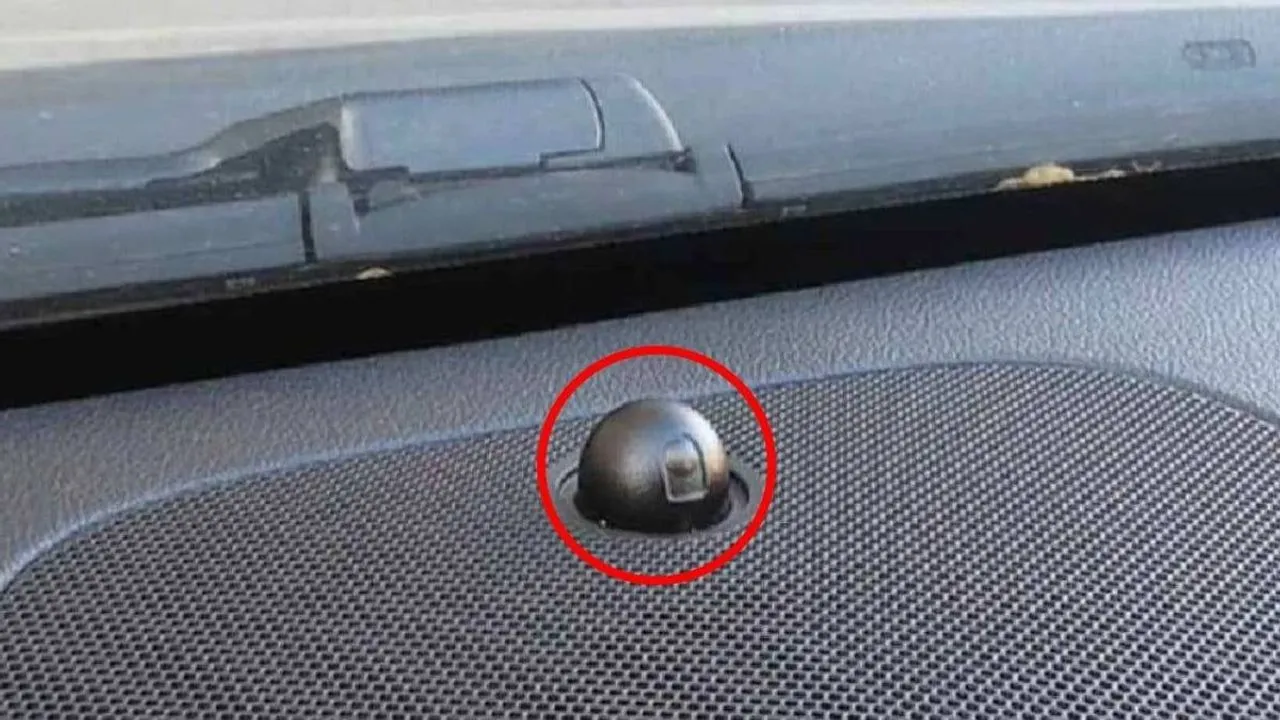
It is generally located on top of the dashboard, just below the windshield, where it can receive sunlight directly. Its design and exact location may vary depending on the vehicle model.
The solar sensor measures the intensity of sunlight and helps the climate control unit evaluate the additional heat entering the cabin. This allows the air conditioning system to respond not only to the ambient temperature but also to the effects of direct sunlight on the driver and passengers.
Solar sensors are particularly important in vehicles equipped with automatic climate control systems, where they help improve passenger comfort.
What Does a Solar Sensor Do?
The primary function of a solar sensor is to inform the climate control system about the effects of sunlight on cabin temperature and passenger comfort.
Adjusts Air Conditioning Performance
When direct sunlight enters the vehicle, the cabin can feel significantly hotter than the outside temperature might suggest. The solar sensor detects this additional heat load and helps the air conditioning system increase its cooling output when necessary.
Helps Manage Automatic Climate Control
Automatic climate control systems use information from various sensors to adjust fan speed, air distribution, and cooling levels. The solar sensor is one of the inputs used by these systems.
Improves Passenger Comfort
Sunlight entering through the windshield and side windows can make the driver and passengers feel warmer. The solar sensor helps the climate control system compensate for this additional heat.
Helps Maintain Consistent Cabin Temperature
As sunlight intensity changes, the climate control system can adjust its operation accordingly. This helps maintain a more stable and comfortable cabin temperature.
How Does a Solar Sensor Work?
Most solar sensors use photodiodes or similar light-sensitive electronic components.
The sensor detects the intensity of sunlight falling on its surface and converts it into an electrical signal. This signal is then transmitted to the climate control unit.
The climate control unit evaluates the information received from the solar sensor together with other data, including:
-
Interior cabin temperature
-
Outside air temperature
-
Selected climate control temperature
-
Sunlight intensity
-
Fan speed and air distribution settings
Based on this information, the climate control system can automatically adjust its cooling output and airflow.
For example, on a hot summer day with strong sunlight, the solar sensor detects a higher level of sunlight exposure. The climate control system can interpret this as an increased cooling demand. When the vehicle moves into the shade or sunlight becomes less intense due to cloud cover, the system can adjust its operation accordingly.
Where Is the Solar Sensor Located?
The solar sensor is generally located on the upper part of the dashboard, directly below the windshield.
This position allows the sensor to detect sunlight as accurately as possible.
In some vehicles, it appears as a small, round, raised component, while in others, it may have a different design integrated into the dashboard.
Some vehicles have a single solar sensor, whereas models equipped with dual-zone or more advanced automatic climate control systems may use multiple sensors to evaluate sunlight exposure on the driver and passenger sides separately.
What Are the Symptoms of a Solar Sensor Failure?
When a solar sensor fails, the vehicle may not always display a warning light. This is because the sensor is generally associated with the climate control and comfort systems rather than engine management.
Air Conditioning Does Not Cool the Cabin Effectively
In conditions with strong sunlight, the air conditioning system may fail to increase its cooling output sufficiently. The cabin may take longer to cool, especially when the vehicle has been parked in direct sunlight.
Automatic Climate Control Operates Inconsistently
The climate control system may struggle to maintain a stable cabin temperature. Fan speed or airflow distribution may not adjust as expected when sunlight intensity changes.
Fan Speed Is Higher or Lower Than Necessary
Incorrect information from the solar sensor may cause the climate control unit to miscalculate the cooling demand. As a result, the blower fan may operate at an unnecessarily high or low speed.
Delayed Response to Temperature Settings
When the selected temperature is changed or sunlight intensity increases, the automatic climate control system may respond more slowly than expected.
Different Cooling Performance on the Driver and Passenger Sides
In some vehicles equipped with dual-zone automatic climate control, separate solar sensors may measure sunlight exposure on each side of the cabin. If one of these sensors fails, the system may incorrectly calculate the cooling requirements for the driver and passenger sides.
Climate Control System Stores a Fault Code
In some vehicles, a solar sensor malfunction can trigger a fault code in the climate control module. However, not every vehicle identifies a solar sensor failure through a diagnostic trouble code.
Why Does a Solar Sensor Fail?
Several electrical and physical problems can cause a solar sensor to malfunction.
Electronic Sensor Failure
The light-sensitive electronic component inside the sensor may lose its accuracy or fail completely over time.
Electrical Wiring Problems
Broken wires, short circuits, loose connectors, or corrosion may occur in the sensor's electrical connections. These problems can prevent the sensor from sending accurate information to the climate control unit.
Physical Damage to the Dashboard Area
Work performed around the dashboard, removal of dashboard components, or physical impact can damage the sensor or its mounting position.
Sensor Is Covered or Dirty
Accessories placed over the solar sensor, heavy dirt, or other obstructions can prevent it from detecting sunlight correctly. This does not necessarily mean that the sensor itself is faulty, but it can affect its readings.
Excessive Heat and Sun Exposure
The dashboard is exposed to high temperatures, particularly during the summer months. Long-term exposure to temperature fluctuations can affect the sensor's electronic components.
How Is a Solar Sensor Failure Diagnosed?
When a solar sensor malfunction is suspected, the climate control system should be inspected before replacing the sensor.
1. Check the Air Conditioning System
First, the overall operating condition of the automatic climate control system should be evaluated. Refrigerant level, compressor operation, cabin temperature sensor readings, and other air conditioning components should also be checked.
2. Read Fault Codes Using an OBD Scanner
A diagnostic scanner capable of accessing the climate control module can be used to retrieve stored fault codes.
Depending on the vehicle, fault codes related to the solar sensor circuit, signal level, or communication problems may be available. However, standard OBD scanners cannot always access the climate control module.
3. Check Live Data
In vehicles that support this function, the sunlight intensity measured by the solar sensor can be monitored through the live data section of a diagnostic scanner.
Readings can be compared in direct sunlight and in shaded conditions to determine whether the sensor responds correctly to changes in light intensity.
4. Perform Electrical Measurements
The sensor's supply voltage, ground connection, and signal output should be checked.
Operating voltage and signal values may vary depending on the vehicle model, so the manufacturer's technical documentation should be used as a reference.
5. Perform a Physical Inspection
The sensor should be checked for dirt, accessories covering its surface, or anything else that may prevent sunlight from reaching it.
The connector and electrical connections should also be inspected for physical damage.
How Is a Solar Sensor Failure Fixed?
Once the cause of the problem has been identified, the appropriate repair should be carried out.
-
If the sensor has an internal electronic fault, it should be replaced with a new one.
-
If there is a problem with the connector or wiring, the electrical connections should be repaired.
-
If the sensor is covered or dirty, it should be cleaned and any obstructions should be removed.
-
If the sensor is measuring correctly but the climate control system is still malfunctioning, the climate control unit and other related components should be inspected.
Some vehicles do not require any adaptation after solar sensor replacement, while others may need the climate control system to be recalibrated.
What Happens If a Solar Sensor Failure Is Ignored?
A solar sensor failure generally does not directly affect engine operation. However, it can negatively affect the efficiency and comfort of the automatic climate control system.
If the sensor provides incorrect readings, the climate control unit may fail to accurately evaluate the additional heat entering the cabin. This can cause the interior to take longer to cool, the blower fan to operate at unnecessarily high speeds, or the cabin temperature to become less consistent.
If the problem continues, driving comfort may be reduced, particularly during hot weather. Therefore, it is worth checking the solar sensor whenever a noticeable change in air conditioning performance occurs.
Is a Solar Sensor the Same as a Cabin Temperature Sensor?
No. These two sensors perform different functions.
A cabin temperature sensor measures the air temperature inside the vehicle and sends this information to the climate control system.
A solar sensor, on the other hand, measures the intensity of sunlight entering the cabin. In other words, one measures the existing cabin temperature, while the other helps evaluate the additional heat load caused by sunlight.
The automatic climate control system can use information from both sensors to provide more accurate and consistent temperature regulation.
Conclusion
The solar sensor is a small but important component used in the automatic climate control systems of modern vehicles.
By measuring sunlight intensity, it helps the climate control unit adjust cooling output and airflow distribution.
When the sensor fails, symptoms such as reduced air conditioning performance, inconsistent automatic temperature control, and unusual blower fan operation may occur.
However, these symptoms do not automatically indicate a faulty solar sensor. Other climate control components and the sensor's electrical connections should also be inspected.
Accurate diagnosis can prevent unnecessary component replacement and help restore comfortable driving conditions inside the vehicle.