TR
TR EN
EN

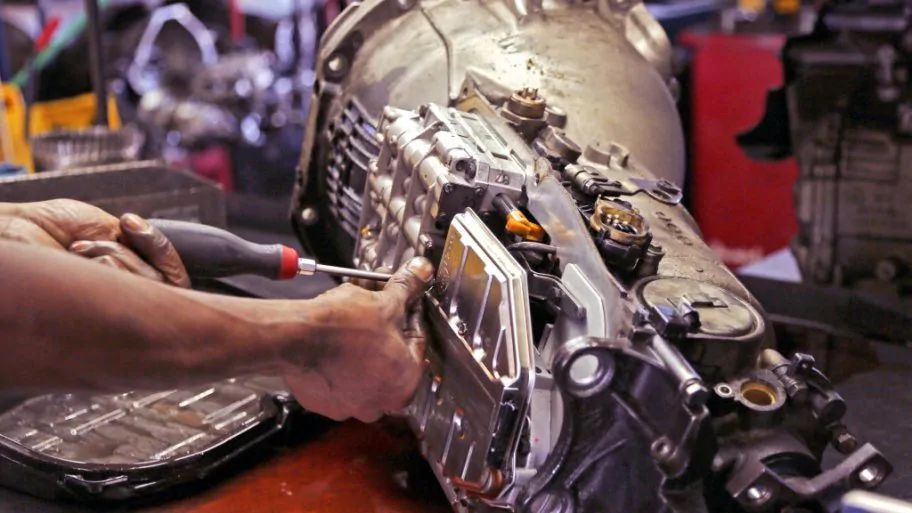
Why Does an Automatic Transmission Slip?
An automatic transmission is designed to transfer engine power to the wheels smoothly while changing gears automatically. When the transmission begins to slip, engine speed may increase without a corresponding increase in vehicle speed.
Transmission slipping is not a normal operating condition. It can be caused by low or deteriorated transmission fluid, worn clutch packs, hydraulic pressure problems, solenoid faults, torque converter issues, or internal transmission wear.
What Is Automatic Transmission Slipping?
Transmission slipping occurs when the transmission fails to transfer engine power effectively through the selected gear.
For example, you may press the accelerator and notice the engine RPM suddenly rises, but the vehicle does not accelerate at the same rate. In some cases, the transmission may also feel as if it temporarily loses the selected gear before engaging again.
Depending on the transmission type, slipping can occur in conventional automatic transmissions, dual-clutch transmissions, CVTs, and other electronically controlled transmission systems.
What Are the Symptoms of a Slipping Automatic Transmission?
Common symptoms include:
-
Engine RPM suddenly increases during acceleration
-
Vehicle speed does not increase proportionally
-
Delayed engagement when selecting Drive or Reverse
-
Flare between gear changes
-
Harsh or irregular shifting
-
Transmission slipping when accelerating uphill
-
Loss of power transfer
-
Transmission overheating
-
Burning smell
-
Transmission warning light
-
Check Engine Light
-
Transmission fault codes
-
Vehicle entering limp mode
-
Difficulty maintaining a selected gear
One of the most recognizable symptoms is high engine RPM without the expected acceleration.
Low Transmission Fluid
One of the most common causes of transmission problems is insufficient transmission fluid.
Automatic transmissions use fluid not only for lubrication but also for hydraulic control. The fluid is used to operate clutches, brakes, valves, and other internal components.
When the fluid level is too low, the transmission may not be able to maintain the hydraulic pressure required for proper gear engagement.
This can result in:
-
Slipping
-
Delayed gear engagement
-
Erratic shifting
-
Overheating
-
Pump noise
-
Premature internal wear
A low fluid level should never be ignored because continuing to drive can turn a relatively simple leak into a major transmission repair.
Old or Degraded Transmission Fluid
Transmission fluid does not remain in perfect condition indefinitely.
High temperatures, oxidation, clutch material, and long-term use can degrade the fluid.
When the fluid loses its required properties, hydraulic control and lubrication can suffer. This can contribute to slipping and poor shift quality.
However, the correct fluid specification is extremely important. Different transmissions require different fluids, and using an incorrect product can create additional problems.
Worn Clutch Packs
Conventional automatic transmissions contain multiple internal clutch packs.
These clutches engage and release different transmission components to create the required gear ratios.
Over time, the friction material on the clutch plates can wear.
When the clutch pack can no longer hold the required torque, the transmission may slip under load.
This is especially noticeable during:
-
Hard acceleration
-
Uphill driving
-
Towing
-
High-load conditions
-
Higher-mileage operation
Severely worn clutch packs generally require internal transmission repair rather than a simple fluid change.
Hydraulic Pressure Problems
Automatic transmissions depend heavily on hydraulic pressure.
The transmission pump generates pressure, while valves, solenoids, and passages control where that pressure is applied.
If hydraulic pressure is too low or unstable, a clutch pack may not be applied firmly enough.
Possible causes include:
-
Worn transmission pump
-
Low fluid level
-
Internal fluid leakage
-
Valve body wear
-
Blocked passages
-
Faulty pressure-control solenoid
-
Excessive internal clearance
Hydraulic pressure testing can be an important part of diagnosing transmission slipping.
Faulty Shift Solenoids
Modern automatic transmissions use electronic solenoids to control hydraulic fluid flow.
The transmission control module determines when and how these solenoids should operate.
A defective solenoid may prevent the transmission from applying the correct clutch or hydraulic circuit at the right time.
Depending on the fault, this can cause:
-
Delayed shifting
-
Incorrect gear selection
-
Harsh shifting
-
Gear slipping
-
Limp mode
-
Transmission fault codes
A solenoid fault does not necessarily mean the entire transmission needs to be replaced.
Valve Body Problems
The valve body is one of the most important hydraulic control components inside a conventional automatic transmission.
It contains passages, valves, and control circuits that direct transmission fluid to different clutches and components.
Wear, contamination, sticking valves, or damaged passages can cause incorrect hydraulic pressure.
This may lead to slipping, delayed engagement, harsh shifts, or inconsistent gear changes.
Torque Converter Problems
The torque converter transfers engine power to the transmission and allows the vehicle to remain stationary while the engine is running.
It also contains a lock-up clutch that can mechanically connect the engine and transmission under certain conditions.
A damaged torque converter or lock-up clutch can cause:
-
RPM fluctuations
-
Shuddering
-
Slipping
-
Poor acceleration
-
Overheating
-
Abnormal vibration
Torque converter problems can sometimes be confused with internal clutch or transmission problems.
Transmission Overheating
Excessive transmission temperature can cause serious problems.
High temperatures accelerate fluid degradation and can damage clutch materials, seals, solenoids, and other internal components.
Transmission overheating can be caused by:
-
Low fluid level
-
Heavy towing
-
Aggressive driving
-
Restricted transmission cooler
-
Cooling-system problems
-
Faulty transmission cooler
-
Internal transmission problems
Repeated overheating can eventually lead to actual clutch failure and transmission slipping.
Internal Transmission Leakage
Automatic transmissions depend on hydraulic pressure to engage their internal clutches.
If fluid leaks internally because of worn seals, pistons, or other components, the required pressure may not reach the intended clutch.
This can create slipping even when the external transmission fluid level appears normal.
Internal leakage can be particularly difficult to diagnose because there may be no visible fluid leak underneath the vehicle.
Worn Transmission Bearings and Gears
Not every slipping complaint is caused by clutch packs.
Internal mechanical wear involving bearings, gears, shafts, or other components can affect transmission operation and create abnormal noise, vibration, or gear engagement problems.
In severely worn transmissions, multiple internal components may need to be inspected.
Why Does the Transmission Slip More Under Heavy Acceleration?
A transmission that appears normal during gentle driving may begin slipping when the engine produces higher torque.
This happens because worn clutches may still be capable of holding the relatively low torque produced during light acceleration.
When the driver demands significantly more torque, the clutch can no longer maintain sufficient grip.
For this reason, slipping that occurs mainly during hard acceleration or uphill driving should not be ignored.
Can a Transmission Filter Cause Slipping?
A restricted transmission filter can reduce the amount of fluid available to the transmission pump.
If fluid flow becomes insufficient, hydraulic pressure can be affected.
Depending on the transmission design, this may contribute to delayed engagement, poor shifting, or slipping.
However, a filter problem is not automatically the cause of every slipping transmission. Proper diagnosis is still required.
Can an Electrical Problem Cause Transmission Slipping?
Yes.
Modern automatic transmissions are electronically controlled.
Problems with:
-
Transmission speed sensors
-
Pressure sensors
-
Shift solenoids
-
Wiring
-
Connectors
-
Transmission control module
-
Power supply
-
Ground connections
can cause the transmission to apply the wrong gear or hydraulic pressure.
A transmission fault code can provide an important clue, but the code should be diagnosed rather than interpreted as proof that a particular part needs replacement.
Does a Transmission Fluid Change Fix Slipping?
It depends on the cause.
If the problem is related to incorrect fluid level, degraded fluid, or another service-related issue, correcting the fluid condition may improve transmission operation.
However, if the clutch packs are already severely worn, changing the fluid cannot restore worn friction material.
In some cases, a transmission that has been slipping for a long time may require significant internal repair.
This is why it is better to diagnose the cause of slipping before performing unnecessary maintenance or repairs.
How Is an Automatic Transmission Diagnosed?
A proper diagnosis usually begins with a road test and a visual inspection.
The technician may then:
-
Check the transmission fluid level
-
Inspect fluid condition
-
Look for external leaks
-
Scan the transmission control module for fault codes
-
Check transmission live data
-
Monitor input and output shaft speeds
-
Check commanded and actual gear
-
Monitor transmission temperature
-
Test hydraulic pressure
-
Check solenoid operation
-
Inspect the valve body when necessary
-
Perform torque converter and clutch-related tests
On electronically controlled transmissions, comparing commanded gear, actual gear, input speed, output speed, and hydraulic pressure can provide valuable information.
Can You Continue Driving With a Slipping Transmission?
It is generally not a good idea to continue driving a transmission that is clearly slipping.
Every slipping event can generate additional heat and friction. Continued operation can turn a repairable problem into extensive internal damage.
If the transmission is slipping severely, the vehicle may eventually lose the ability to transfer engine power to the wheels.
Early diagnosis can therefore make a significant difference in repair cost.
Why Does an Automatic Transmission Slip?
In summary, the most common causes include:
-
Low transmission fluid
-
Incorrect transmission fluid
-
Degraded or overheated fluid
-
Restricted transmission filter
-
Worn clutch packs
-
Low hydraulic pressure
-
Valve body problems
-
Faulty shift solenoids
-
Torque converter problems
-
Internal hydraulic leakage
-
Worn seals
-
Internal mechanical wear
-
Transmission overheating
-
Electrical or sensor faults
-
Transmission control module problems
The exact cause depends heavily on the transmission design and the conditions under which the slipping occurs.
Final Diagnosis Matters More Than the Symptom
Automatic transmission slipping should not be treated as a single specific fault. The same symptom can be produced by something as relatively simple as an incorrect fluid level or as serious as severely worn internal clutches.
The most useful diagnostic clue is often when the slipping occurs. If it happens only during hard acceleration, uphill driving, when the transmission is hot, during a specific gear change, or when selecting Drive or Reverse, that information can help narrow down the cause.
A transmission should therefore be diagnosed systematically before expensive components are replaced.