TR
TR EN
EN

What Is a Clutch Release Bearing? What Are the Symptoms of Clutch Release Bearing Failure?
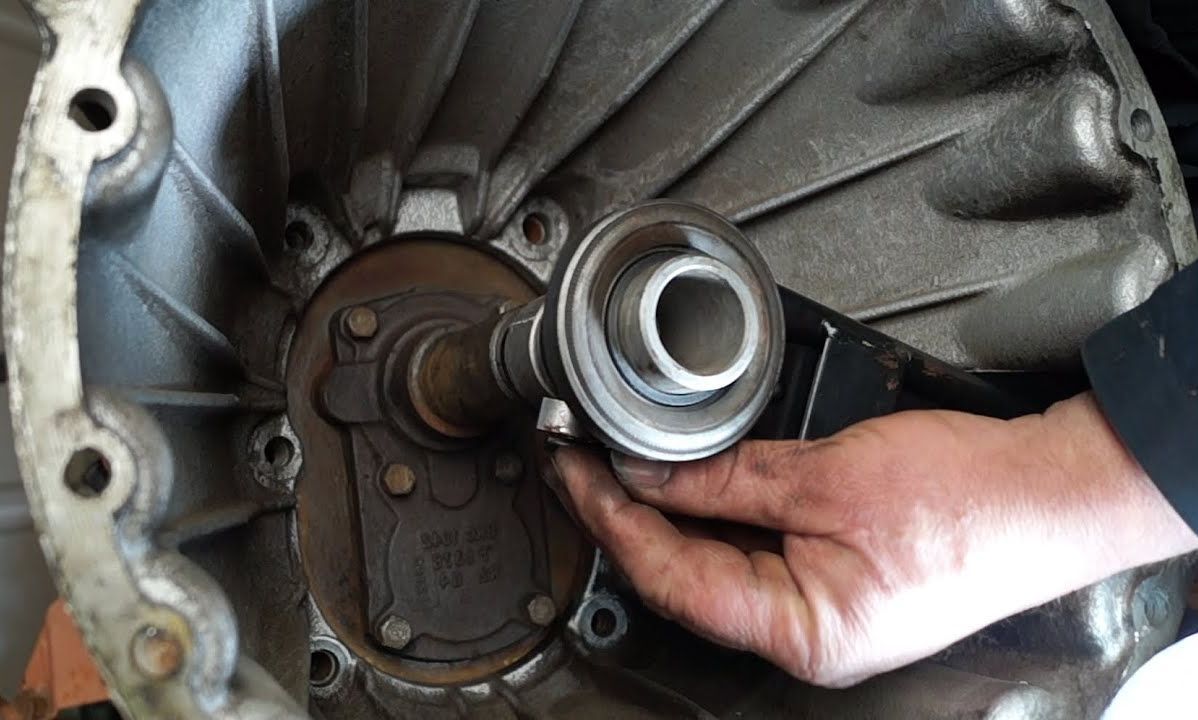
The clutch release bearing, also known as a throwout bearing, is a key component of a manual transmission clutch system. Its main function is to transfer the movement of the clutch release mechanism to the pressure plate when the driver presses the clutch pedal.
Although the clutch release bearing is relatively small, it operates under significant mechanical load and is used every time the clutch pedal is pressed.
When the bearing begins to wear, the driver may notice unusual noises, vibration, changes in clutch pedal feel, or difficulty operating the clutch.
Because the release bearing works together with the clutch fork, pressure plate, clutch disc, and release mechanism, diagnosing the source of a noise correctly is important before replacing any parts.
What Does the Clutch Release Bearing Do?

The clutch release bearing allows the clutch pressure plate to be disengaged from the engine's flywheel.
When the clutch pedal is released, the pressure plate clamps the clutch disc against the flywheel. Engine power can then be transferred through the clutch disc to the transmission.
When the driver presses the clutch pedal, the release mechanism moves the release bearing toward the pressure plate.
The bearing then applies force to the pressure plate's diaphragm spring or release fingers. This reduces the clamping force on the clutch disc and allows the engine and transmission to temporarily separate from each other.
This makes it possible to change gears without transmitting full engine torque through the clutch.
Where Is the Clutch Release Bearing Located?
The release bearing is located inside the clutch housing, between the transmission and the clutch pressure plate.
This means it is not normally visible without removing or separating the transmission from the engine.
Depending on the clutch design, the bearing may be operated by a traditional clutch fork or integrated into a hydraulic concentric slave cylinder.
The latter is commonly known as a concentric slave cylinder (CSC) and combines the hydraulic slave cylinder and release bearing into one assembly.
How Does a Clutch Release Bearing Work?
The release bearing is designed to rotate while applying pressure to the stationary or rotating components of the clutch release mechanism.
When you press the clutch pedal, the bearing moves toward the pressure plate.
Because the pressure plate components rotate with the engine, the release bearing must accommodate the difference in movement while transferring the required force.
When you release the pedal, the bearing moves away from the pressure plate and returns to its resting position.
This repeated movement and loading eventually causes wear.
What Are the Symptoms of a Bad Clutch Release Bearing?
A worn release bearing usually produces symptoms that become more noticeable when the clutch pedal is pressed.
However, the exact behavior can vary depending on the bearing design and the condition of the rest of the clutch system.
Noise When the Clutch Pedal Is Pressed
One of the most recognizable symptoms is a noise that appears when the clutch pedal is depressed.
You may hear:
-
Whining
-
Humming
-
Grinding
-
Rattling
-
Growling
-
Squealing
The noise may become louder as the clutch pedal is pressed further.
This happens because pressing the clutch pedal loads the release bearing. If its internal surfaces are worn or damaged, the additional load can make the noise more noticeable.
However, noise when pressing the clutch does not automatically prove that the release bearing is faulty. The pressure plate, pilot bearing, transmission input shaft bearing, or other components can create similar sounds.
Noise Changes When You Press the Clutch Pedal
The relationship between the noise and clutch-pedal position is an important diagnostic clue.
For example, a noise that is present with the pedal released but disappears when the pedal is pressed may point toward a different component than a noise that appears only when the pedal is depressed.
This distinction is useful because the transmission contains several rotating bearings that can produce noises similar to a worn release bearing.
Therefore, simply listening for "a clutch noise" is not enough. The technician should determine exactly when the noise appears and how it changes as the pedal is operated.
Grinding or Rough Bearing Noise
As a release bearing deteriorates further, the noise may change from a light humming or whining sound into a rough grinding or growling noise.
This can indicate significant internal bearing wear.
At this stage, continuing to operate the clutch may increase the risk of damage to the bearing and other clutch components.
Squealing When the Clutch Pedal Is Pressed
A squeaking or squealing noise can sometimes be associated with the release bearing or its contact surfaces.
However, this symptom can also come from the clutch fork, release mechanism, pivot points, or other components that require lubrication or inspection.
A squeal alone is therefore not enough to confirm a defective bearing.
Vibration Through the Clutch Pedal
A damaged or worn release bearing may sometimes cause vibration that can be felt through the clutch pedal.
The sensation may become more noticeable when the pedal is pressed.
However, clutch pedal vibration can also result from a worn pressure plate, clutch disc, flywheel problems, hydraulic issues, or other mechanical faults.
Clutch Pedal Becomes Rough
A healthy clutch pedal should generally move smoothly.
If the release mechanism becomes worn or the release bearing starts to fail, the pedal may feel rough, notchy, or less consistent.
You may feel a slight vibration or resistance as the pedal moves.
A rough pedal does not necessarily mean the bearing itself is damaged. The clutch fork, hydraulic system, pedal mechanism, or pressure plate can also affect pedal operation.
Clutch Pedal Becomes Heavier
A change in clutch-pedal effort can sometimes accompany a problem in the release mechanism.
A damaged bearing may increase resistance as it moves against the pressure plate.
However, a heavy clutch pedal is more commonly associated with several possible causes, including:
-
Pressure plate problems
-
Clutch cable problems
-
Hydraulic system problems
-
Clutch fork wear
-
Release mechanism problems
-
Incorrect clutch components
The entire system should therefore be inspected.
Difficulty Disengaging the Clutch
If the clutch release system cannot move the pressure plate far enough, the clutch may not fully disengage.
The driver may experience difficulty selecting gears, especially first gear or reverse.
The vehicle may also attempt to move forward even when the clutch pedal is fully depressed.
This symptom can be serious, but it does not automatically mean that the release bearing is the cause.
A hydraulic clutch fault, worn pressure plate, warped clutch disc, air in the hydraulic system, or damaged release mechanism can produce similar symptoms.
Difficulty Changing Gears
A clutch that does not fully disengage can make gear changes difficult.
You may notice:
-
Gear grinding
-
Difficulty selecting first gear
-
Difficulty selecting reverse
-
Increased effort when shifting
-
The vehicle creeping forward with the clutch fully depressed
The release bearing is one possible cause, but the complete clutch-release system needs to be checked.
Clutch Release Bearing vs. Pilot Bearing
These two bearings are sometimes confused.
The clutch release bearing operates the pressure plate when the clutch pedal is pressed.
The pilot bearing, when used in a particular drivetrain design, supports the transmission input shaft at the engine/flywheel end.
They perform different functions and can produce different noise patterns.
A technician should distinguish between them before deciding which component needs replacement.
What Causes a Clutch Release Bearing to Fail?
Several factors can shorten the life of a release bearing.
Normal wear
The bearing operates repeatedly whenever the clutch is used. Over time, its internal components can wear.
Excessive clutch use
Keeping the clutch pedal partially depressed or unnecessarily resting a foot on the pedal can keep the release mechanism under load.
Traffic and frequent clutch operation
Heavy stop-and-go traffic can significantly increase the number of clutch cycles.
Pressure plate problems
A damaged or excessively worn pressure plate can place abnormal loads on the release bearing.
Incorrect installation
Incorrect installation or improper adjustment can cause abnormal bearing movement or loading.
Contamination
Depending on the design, grease, oil, dirt, or other contamination can affect the bearing and surrounding components.
Hydraulic release-system problems
On systems using a concentric slave cylinder, hydraulic or mechanical problems can affect the release bearing assembly.
Can Driving Habits Damage the Release Bearing?
Yes.
One of the most common habits that can increase clutch-release-system wear is keeping the clutch pedal partially depressed.
For example, waiting at a traffic light with the clutch pedal continuously pressed keeps the release mechanism engaged unnecessarily.
A better habit during longer stops is to select neutral and release the clutch pedal.
Resting your foot lightly on the clutch pedal can also create unnecessary pressure even if the clutch does not appear to be slipping.
Is It Safe to Drive With a Noisy Clutch Release Bearing?
A vehicle may continue to operate for some time with a noisy release bearing, but there is no reliable way to predict how long it will last once significant bearing noise has developed.
If the bearing deteriorates severely, it may interfere with clutch operation.
In extreme cases, a damaged bearing can affect the pressure plate or release mechanism and make it difficult or impossible to disengage the clutch properly.
If the noise is becoming progressively louder, the clutch pedal behavior is changing, or gear engagement is becoming difficult, the vehicle should be inspected rather than continuing to drive until the clutch completely fails.
How Is a Clutch Release Bearing Diagnosed?
Diagnosis usually starts by identifying exactly when the noise occurs.
The technician may listen to the vehicle:
-
With the clutch pedal fully released
-
With the pedal lightly pressed
-
With the pedal fully depressed
-
During clutch engagement
-
During gear changes
This helps determine whether the sound is more likely to come from the release bearing, pressure plate, pilot bearing, transmission bearing, or another component.
The clutch pedal and hydraulic or mechanical release system should also be inspected.
If the bearing itself needs to be examined directly, transmission removal may be necessary.
Does a Noisy Release Bearing Mean the Whole Clutch Must Be Replaced?
Not always, but the economics of the repair are important.
The release bearing is located in an area that generally requires significant labor to access.
If the transmission must already be removed to replace the bearing, technicians often inspect the clutch disc, pressure plate, flywheel, and other related components at the same time.
If the clutch has significant mileage or shows signs of wear, replacing the complete clutch kit may make more sense than installing a new release bearing and paying for the same labor again later.
The correct decision depends on the condition of the individual components and the vehicle.
What Is a Concentric Slave Cylinder?
Some modern manual transmissions use a concentric slave cylinder instead of a traditional external slave cylinder and clutch fork arrangement.
The concentric slave cylinder is mounted around the transmission input shaft and incorporates the hydraulic slave-cylinder mechanism with the release bearing.
This design saves space and can provide consistent clutch operation, but if the hydraulic cylinder or integrated bearing fails, the complete assembly may need to be replaced.
A hydraulic leak from a concentric slave cylinder can also cause clutch disengagement problems.
Clutch Release Bearing Maintenance
There is normally no routine maintenance interval for replacing a release bearing.
Its condition is generally assessed when clutch work is being performed or when symptoms develop.
Good driving habits can help reduce unnecessary wear.
Avoid holding the clutch pedal down unnecessarily, do not rest your foot on the pedal while driving, and avoid excessive clutch slipping during starts.
When clutch replacement becomes necessary, the release bearing should also be evaluated because of the labor required to access the clutch assembly.
When Should You Have the Clutch Checked?
A clutch inspection is recommended if you notice a new or worsening noise associated with clutch-pedal movement, especially when accompanied by vibration, difficulty changing gears, or abnormal pedal feel.
A noise that appears only when the clutch pedal is pressed is an important clue, but it should not be used alone to diagnose the release bearing.
Because several clutch and transmission components can create similar sounds, an accurate diagnosis can prevent replacing an expensive component unnecessarily.
If the release bearing is confirmed to be worn and the transmission has to be removed, checking the clutch disc, pressure plate, flywheel, and related release components at the same time is often the most sensible approach.