TR
TR EN
EN

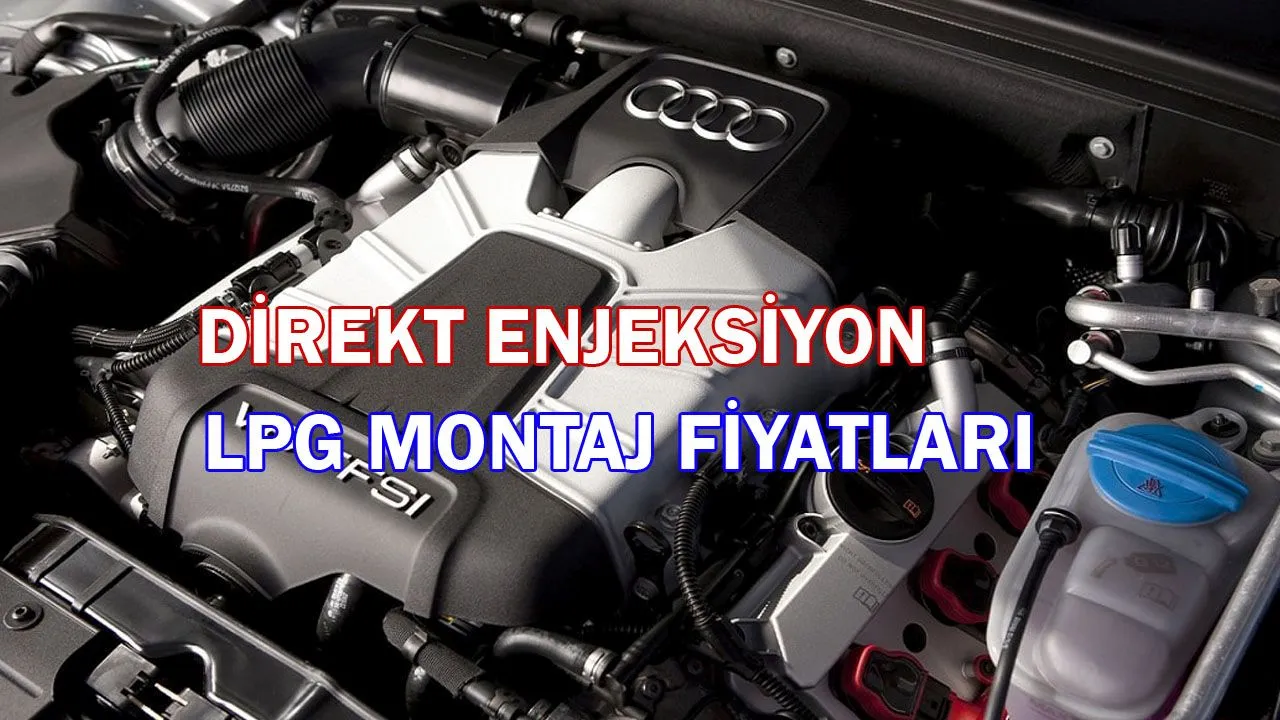
FSI – TSI – GDI – TFSI Direct Injection LPG Installation Prices 2026
LPG conversion for vehicles equipped with FSI, TSI, GDI, and TFSI direct-injection engines requires more advanced and specialized systems than conventional LPG conversions. For this reason, direct-injection LPG installation prices in 2026 are generally higher than those of conventional sequential and carbureted LPG systems.
These engines can be converted using gas-phase LPG systems designed for direct injection engines or, depending on the vehicle and available technology, liquid LPG systems such as LDI (Liquid Direct Injection) systems. Choosing the correct system is particularly important for engine reliability, fuel-system compatibility, performance, and long-term operation.
Factors Affecting Direct Injection LPG Installation Prices
Several factors can affect the total installation cost of a direct-injection LPG system:
-
Engine type and fuel-injection technology
-
Engine code and vehicle-specific application
-
Number of cylinders
-
Whether a gas-phase or liquid LPG system is used
-
LPG kit brand and model
-
Compatibility of the kit with the original ECU and fuel system
-
Exchange rates and distributor pricing
-
Installation and calibration quality
-
Additional components required for the specific vehicle
Direct-injection LPG systems are generally more expensive because they must work with the original gasoline injection strategy and the engine's electronic control system.
Liquid LPG systems can occupy the premium end of the market because of their more complex fuel-delivery technology and vehicle-specific installation requirements.
2026 Atiker Direct Injection LPG Kits
Atiker offers several direct-injection LPG kit configurations for different engine and cylinder applications, including:
-
Atiker 3–4 Cylinder Grand DI Kit
-
Atiker 3–4 Cylinder Grand DI Kit CZ
-
Atiker 5–6 Cylinder Grand DI Kit
-
Atiker 8 Cylinder Grand DI Kit
-
Atiker 3–4 Cylinder Elit DI Kit
-
Atiker 3–4 Cylinder Elit DI Kit CZ
-
Atiker 5–6 Cylinder Elit DI Kit
-
Atiker 8 Cylinder Elit DI Kit
Atiker DI kit prices can vary depending on the vehicle, engine code, cylinder configuration, required components, and installation requirements.
2026 AKL Direct Injection LPG Kits
AKL also offers direct-injection LPG systems in different configurations:
-
AKL 3–4 Cylinder Elegand DI Kit
-
AKL 3–4 Cylinder Elegand DI Kit CZ
-
AKL 5–6 Cylinder Elegand DI Kit
-
AKL 8 Cylinder Elegand DI Kit
-
AKL 3–4 Cylinder Elit DI Kit
-
AKL 3–4 Cylinder Elit DI Kit CZ
-
AKL 6 Cylinder Elit DI Kit
-
AKL 8 Cylinder Elit DI Kit
As with other direct-injection systems, the final installation price depends on the vehicle and the exact engine application.
BRC Direct Injection and Liquid LPG Systems
BRC offers both gas-phase direct-injection solutions and liquid LPG technology.
-
BRC 4-Cylinder Maestro DI Kit: €970
-
BRC 4-Cylinder LDI Liquid LPG System: €2,500
The significant difference between these prices reflects the different technologies involved. A liquid LPG system is not simply a more expensive version of a conventional gas-phase kit; it uses a different fuel-delivery approach.
Lovato Direct Injection LPG Kits
Lovato direct-injection systems include several configurations:
-
Lovato Direct Injection Kit: €710
-
Lovato EXR Direct Injection Kit: €735
-
Lovato Direct Injection UHP Kit: €765
-
Lovato EXR Direct Injection UHP Kit: €790
The appropriate system should be selected according to the vehicle's engine code and technical requirements rather than simply choosing the most expensive kit.
Prins Direct Injection LPG Kits
One of the listed Prins options for direct-injection engines is:
-
Prins 4-Cylinder VSI-3 DI Kit: €1,350
Prins direct-injection systems are designed to work with the specific fuel and engine-management characteristics of compatible direct-injection engines.
Compatibility must be checked before installation because not every FSI, TSI, GDI, or TFSI engine can use the same LPG kit.
Other Direct Injection LPG Systems
Other systems available for direct-injection applications include:
-
Cangas Master DI Kit
-
Ecogas Taurus DI Front Kit LPG Installation, excluding tank
-
Landirenzo 4-Cylinder EVO DI Kit
-
Nazorati Vega DI Kit
-
Zavoli 4-Cylinder Bora Direct
-
Zavoli 4-Cylinder Alisei Direct
-
Zavoli 4-Cylinder ZLI Liquid LPG System
-
Romano 3–4 Cylinder DI Kit
-
Romano 5–6 Cylinder DI Kit
-
Romano 8 Cylinder DI Kit
Prices for these systems can vary depending on the vehicle, engine type, cylinder configuration, available application, and the LPG service performing the installation.
Why Is Direct Injection LPG More Expensive?
The main reason is the complexity of the original fuel system.
In a conventional port-injection engine, gasoline injectors spray fuel into the intake port. Direct-injection engines, on the other hand, inject fuel directly into the combustion chamber.
The LPG system therefore has to work together with the original engine-management strategy.
Depending on the specific technology, the LPG system may need to monitor or interact with parameters such as:
-
Engine load
-
Injector operation
-
Injection timing
-
Engine speed
-
Fuel pressure
-
Intake pressure
-
Coolant temperature
-
Throttle position
-
Lambda feedback
-
Original ECU commands
This makes installation and calibration more demanding than a conventional LPG conversion.
Does Every FSI, TSI, GDI, or TFSI Engine Support LPG?
No.
The engine name alone is not enough to determine LPG compatibility.
For example, two vehicles may both use a TSI engine but have different engine codes, injector configurations, ECU strategies, fuel pressures, and emissions systems.
Therefore, a proper compatibility check should be based on the exact vehicle, engine code, ECU configuration, and LPG system application.
This is particularly important when choosing a direct-injection LPG kit.
Does Direct Injection LPG Cause Performance Loss?
A properly selected and correctly calibrated system should aim to maintain normal engine operation without creating a significant performance problem.
However, LPG conversion does not automatically guarantee identical performance in every vehicle.
Calibration quality, LPG injector capacity, gas pressure, fuel strategy, ignition condition, engine condition, and the specific LPG technology all affect the result.
A poorly calibrated system can cause hesitation, misfires, poor acceleration, increased fuel consumption, or Check Engine warnings.
For this reason, installation quality can be just as important as the brand of the LPG kit.
What About Gasoline Consumption?
Direct-injection LPG systems can differ significantly in how they handle the original gasoline injectors.
Some systems may continue to use a certain amount of gasoline under particular operating conditions, while other technologies are designed to minimize gasoline consumption differently.
Therefore, it is not accurate to assume that every direct-injection LPG system operates with exactly the same gasoline consumption strategy.
The actual gasoline and LPG consumption should be evaluated according to the specific kit and engine application.
Who Is a Direct Injection LPG System Suitable For?
Direct-injection LPG conversion may be attractive for:
-
Owners of turbocharged direct-injection vehicles
-
Drivers looking to reduce gasoline costs
-
High-mileage drivers
-
Vehicle owners who want to continue using LPG without replacing a direct-injection vehicle
-
Drivers who want an LPG system specifically designed around the original direct-injection technology
However, conversion should only be considered after confirming that a suitable application exists for the exact engine.
Is Liquid LPG Better Than a Gas-Phase System?
Not necessarily.
Liquid LPG technology can offer important advantages in certain applications, but it should not simply be described as universally better.
The best system is the one that is properly matched to the engine and vehicle.
A well-designed gas-phase direct-injection system can be an appropriate solution for one engine, while a liquid LPG system may be more suitable for another.
The technology, compatibility, installation quality, calibration, service support, and long-term maintenance requirements should all be considered.
Important Information About 2026 Prices
The prices listed in this article are based on information prepared as of January 1, 2026 and are provided for informational purposes.
Direct-injection LPG installation prices can change because of exchange-rate fluctuations, distributor pricing, promotions, component availability, installation costs, and regional differences.
The final price may also be higher if the vehicle requires additional components or special installation work.
Most importantly, the exact price cannot be determined from the engine name alone. The vehicle's engine code and technical configuration should be checked before a final quotation is given.
For the most accurate current price, the vehicle should be evaluated by the LPG service that will perform the conversion.