TR
TR EN
EN

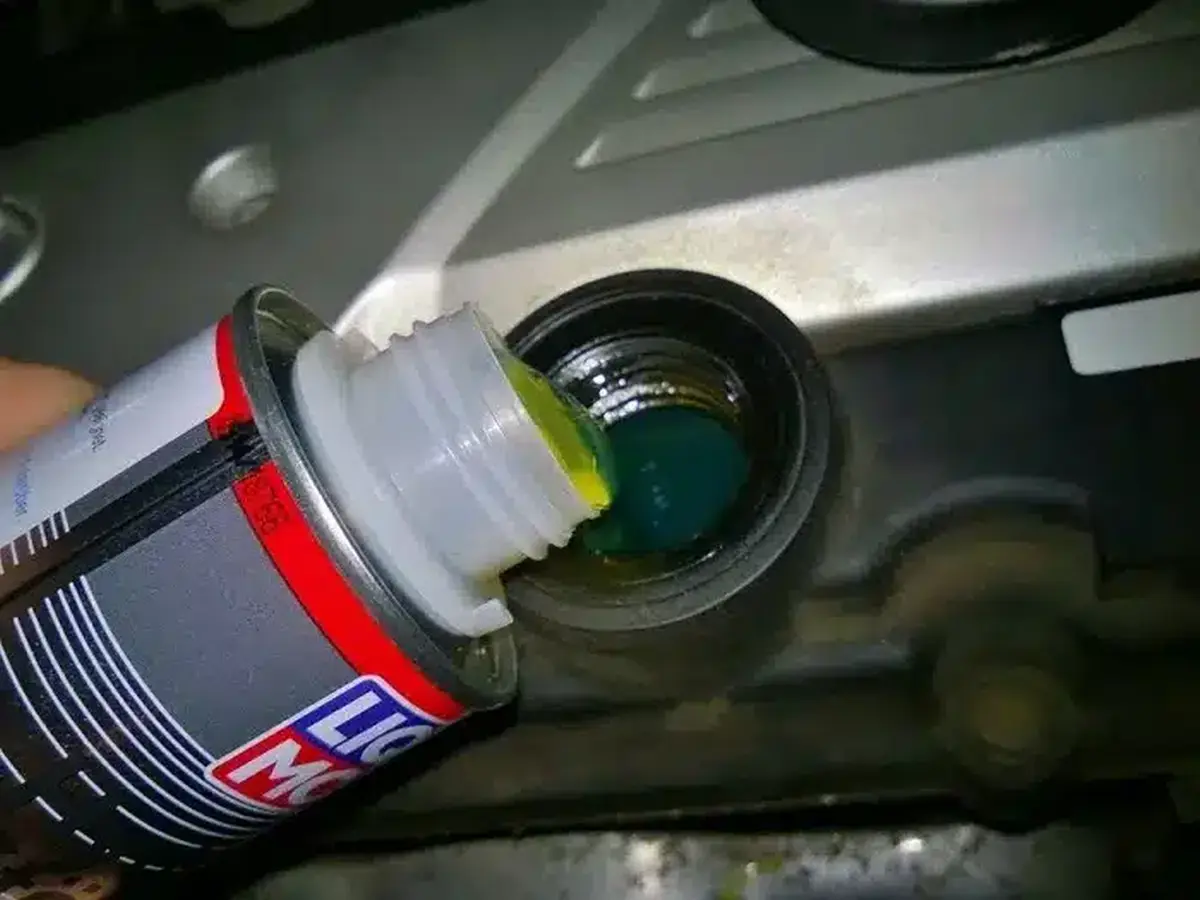
What Is an Engine Protector? Does It Really Help?
An engine protector is a product generally added to engine oil and designed to help reduce friction, wear, and the effects of demanding operating conditions on the engine’s moving components.
Products sold under names such as “engine protector,” “engine treatment,” “engine oil additive,” “friction reducer,” or “engine restorer” can use very different technologies. They are not all the same, and they are not necessarily required for every engine.
For this reason, an engine protector should not be treated as a universal solution. The product’s intended purpose, compatibility with the engine oil, and the vehicle manufacturer’s recommendations should all be considered before use.
What Does an Engine Protector Do?
When an engine is running, components such as pistons, piston rings, crankshaft bearings, camshafts, valve-train components, and many other parts are constantly moving. Engine oil creates a lubricating film between moving surfaces to reduce friction and wear.
Engine protectors are generally designed to support these lubrication conditions.
Depending on the product, the claimed or intended benefits may include:
-
Helping reduce friction
-
Supporting protection against metal-to-metal wear
-
Helping reduce mechanical operating noise
-
Supporting lubrication under high-temperature conditions
-
Helping improve the operating characteristics of high-mileage engines
-
Forming a protective layer on certain metal surfaces
However, one important distinction should always be made: an engine protector does not replace engine oil.
The primary lubrication function is still performed by engine oil that meets the specifications required by the vehicle manufacturer.
Does an Engine Protector Really Help?
The answer depends on the product, the engine, and what you expect from it.
A properly formulated additive may help reduce friction or wear under certain operating conditions. However, it would be incorrect to say that every engine will benefit from an additional oil additive.
Modern engines are designed around specific lubrication requirements, including the characteristics of the recommended engine oil. In many cases, using the correct oil with the correct viscosity and manufacturer specification is much more important than adding an aftermarket product.
In other words, an engine protector should be considered a supplementary product, not an alternative to good-quality engine oil.
Is an Engine Protector Necessary for a New Engine?
Usually, an additional engine protector is not necessary for a new and healthy engine.
Modern engines are engineered with specific clearances, lubrication systems, bearing materials, piston designs, and oil specifications. The recommended engine oil already provides the lubrication and protection required by the engine under normal conditions.
Therefore, adding an aftermarket additive simply because it seems like it would provide “extra protection” does not automatically mean the engine will be better protected.
In some cases, using an unapproved additive can even alter the properties of the engine oil.
Can It Help a High-Mileage Engine?
High-mileage engines are among the most common applications where engine protectors are considered.
As mileage increases, normal wear can occur on internal metal surfaces. The lubrication system may continue to operate correctly, but clearances and surface conditions can gradually change.
Some engine protection products are designed specifically to reduce friction and support protection under these conditions.
However, expectations must remain realistic.
An engine protector cannot repair:
-
Worn crankshaft or connecting-rod bearings
-
Broken or severely worn piston rings
-
Scored cylinder walls
-
A damaged oil pump
-
Low compression caused by mechanical wear
-
Severe oil consumption caused by mechanical damage
-
A damaged turbocharger bearing
-
Other major internal engine damage
If an engine has significant mechanical wear, an additive cannot replace mechanical repair.
Can an Engine Protector Reduce Engine Noise?
Some drivers report that their engine becomes quieter after using an engine protection additive.
This can happen because the product may alter friction characteristics or the way certain components interact under lubrication. Such changes can sometimes be more noticeable in older or high-mileage engines.
However, reduced noise does not necessarily mean that the underlying problem has been repaired.
For example, if an unusual engine noise is caused by low oil pressure, bearing wear, or another mechanical problem, an additive might temporarily change the sound without eliminating the actual fault.
Therefore, a quieter engine should not automatically be interpreted as a repaired engine.
Can an Engine Protector Reduce Oil Consumption?
Some engine additives are marketed as products that can help reduce oil consumption, particularly in high-mileage engines.
However, the cause of oil consumption is extremely important.
Oil consumption can be caused by:
-
Worn piston rings
-
Cylinder wear
-
Hardened or damaged valve-stem seals
-
Turbocharger problems
-
Crankcase ventilation problems
-
Other mechanical faults
An additive may sometimes produce a temporary or limited change in oil consumption, but it cannot repair severely worn piston rings, damaged cylinders, or a failed turbocharger component.
If an engine is consuming a significant amount of oil, the cause should be diagnosed before relying on an additive.
Can an Engine Protector Reduce Fuel Consumption?
Some engine protection products claim that reducing internal friction can also improve fuel economy.
In theory, reducing mechanical friction can improve efficiency. However, real-world fuel consumption depends on many factors, including:
-
Driving style
-
Traffic conditions
-
Engine temperature
-
Tire pressure
-
Vehicle weight
-
Air-conditioning use
-
Fuel quality
-
Engine condition
For this reason, a major reduction in fuel consumption should not be expected simply because an engine protector has been added.
Claims suggesting that an additive alone will dramatically reduce fuel consumption should be treated cautiously.
Can an Engine Protector Increase Engine Performance?
Increasing engine power is not the primary purpose of an engine protector.
If an engine is already healthy and its lubrication system is functioning properly, an oil additive should not be expected to produce a significant horsepower increase.
A driver may sometimes notice smoother operation or a change in engine noise, but this does not mean that the engine has gained a substantial amount of power.
Claims such as gaining a large number of horsepower simply by adding an engine protector should therefore be viewed skeptically.
Can an Engine Protector Fix an Engine Problem?
No.
An engine protector is not a mechanical repair product.
Problems such as:
-
Low oil pressure
-
Bearing knock
-
Piston or ring wear
-
Low compression
-
Severe oil consumption
-
Turbocharger failure
-
Camshaft wear
-
Oil pump failure
-
Internal mechanical damage
require proper diagnosis.
An additive may sometimes change a symptom, but that does not mean the underlying problem has disappeared.
For example, if the oil-pressure warning light comes on, adding an engine protector and continuing to drive is not a safe solution. Low oil pressure can cause severe engine damage within a short period of time.
Can an Engine Protector Replace Engine Oil?
Absolutely not.
Engine oil performs several critical functions, including lubrication, cooling, cleaning, corrosion protection, and in some engines, supporting hydraulic components such as variable valve timing systems.
An engine protector is an additional product that may be mixed with engine oil. It cannot replace the oil itself.
Delaying an oil change, using an unsuitable oil, or using the wrong viscosity and attempting to compensate with an additive is not a proper maintenance strategy.
The engine should always receive the oil specification recommended by its manufacturer.
Can an Engine Protector Be Added to Any Engine Oil?
Not necessarily.
Modern engine oils contain carefully balanced additive packages. These can include detergents, dispersants, anti-wear additives, oxidation inhibitors, friction modifiers, and other components.
The manufacturer may have developed the required oil specification around this complete chemical formulation.
Adding another product can alter the characteristics of the finished lubricant. Therefore, it is better to check the compatibility of the specific additive and the recommendations for the vehicle rather than assuming that every additive is suitable for every engine.
Extra care is especially important with modern turbocharged engines, engines equipped with particulate filters, start-stop systems, or engines that require specific low-ash oil formulations.
What Should You Consider Before Using an Engine Protector?
The first step is to make sure the product is actually designed to be added to engine oil.
The recommended dosage is also important. Adding more product does not necessarily provide more protection.
Using several different oil additives at the same time is also generally not a good approach because different products may contain different chemical formulations.
Before using an engine protector, consider the following:
-
Is the engine oil the correct specification?
-
Is the oil level correct?
-
Is the engine oil pressure normal?
-
Does the vehicle manufacturer allow or recommend additional oil additives?
-
Is the product compatible with the engine and oil being used?
-
What is the correct dosage?
-
Does the engine already have a mechanical problem?
If the engine has a noticeable mechanical problem, diagnosing the fault should come before trying to mask the symptoms with an additive.
Engine Protector vs. Engine Cleaner
Engine protectors and engine cleaners are sometimes confused, but they have different purposes.
An engine protector is generally intended to support lubrication, reduce friction, and protect surfaces.
An engine or oil-system cleaner, on the other hand, is designed to help remove deposits, sludge, or contamination from specific parts of the lubrication system.
Therefore, the fact that a product is marketed as an “engine additive” does not mean that it is necessarily a cleaning product.
Its purpose should always be determined from the product's actual formulation and intended application.
Is a Good Engine Oil More Important Than an Engine Protector?
Yes.
For long-term engine durability, using the correct engine oil is much more important than using an additional protection additive.
The oil should have the correct:
-
Viscosity
-
Performance level
-
Manufacturer approval, where required
-
Specification for the engine
Regular oil and filter changes are also essential.
Other maintenance habits are equally important, such as:
-
Avoiding excessive engine load when the engine is cold
-
Allowing the engine to reach normal operating temperature
-
Checking the oil level regularly
-
Not extending oil-change intervals beyond appropriate limits
-
Replacing oil and air filters when required
-
Preventing engine overheating
-
Investigating unusual noises, smoke, warning lights, or oil consumption
These factors have a much more fundamental effect on engine life than simply adding an aftermarket treatment.
So, Should You Use an Engine Protector?
An engine protector may provide useful benefits in certain engines and under certain operating conditions, particularly when a suitable product is used correctly.
It may be considered for some high-mileage engines or applications where additional friction and wear protection is desired. However, it should not be treated as a mandatory product for every vehicle.
A healthy engine does not necessarily need an aftermarket additive simply because the product claims to provide additional protection.
The most important factors remain the engine's mechanical condition, the correct oil specification, regular maintenance, proper oil pressure, and appropriate operating conditions.
In short, an engine protector can provide additional protection in some applications, but it is not a product that restores a worn-out engine or repairs mechanical damage. If an engine already has an oil-pressure problem, excessive oil consumption, unusual mechanical noise, low compression, or another serious fault, proper diagnosis and repair should always come before relying on an additive.