TR
TR EN
EN

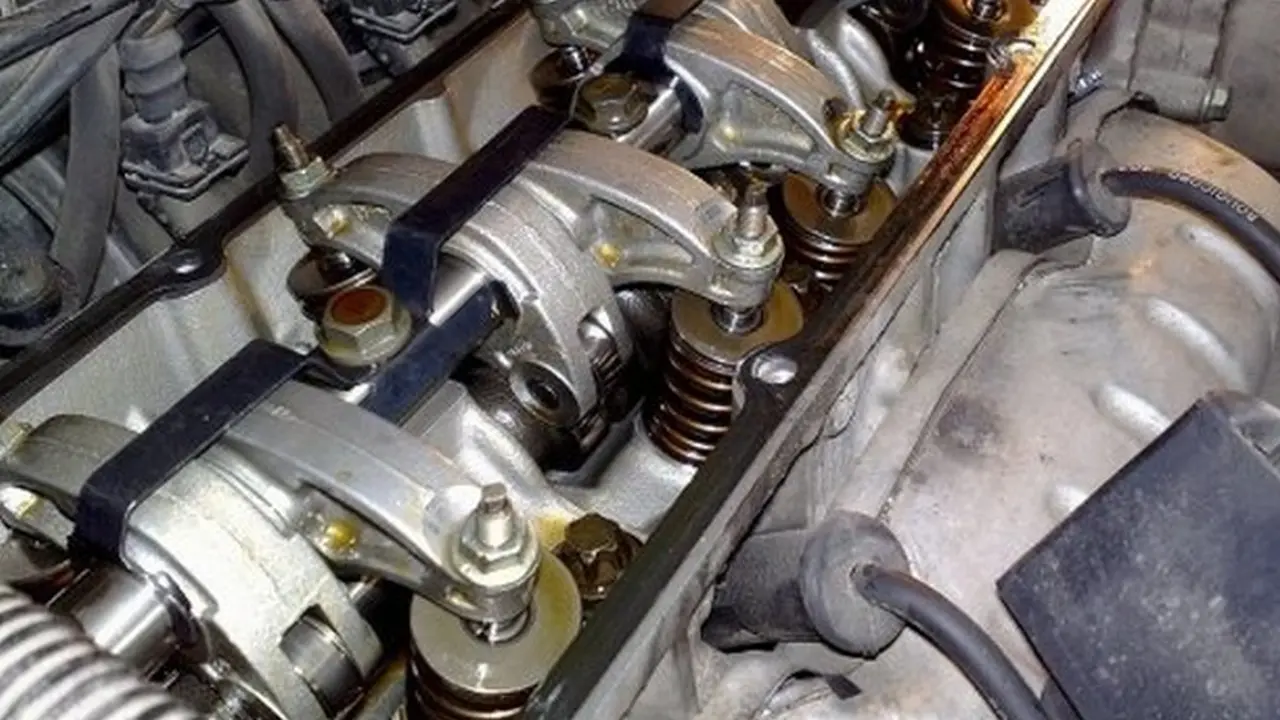
What Is a Valve Lubrication System? Does It Have Any Benefits?
A valve lubrication system is an additional protection system used mainly on gasoline engines converted to LPG or CNG. Its purpose is to help reduce valve and valve-seat wear by introducing a specially formulated additive into the engine's intake system.
These systems are commonly known as valve saver, valve protection, or valve lubrication systems. Products such as Flashlube and similar systems are examples of this approach.
But an important question is: Does every LPG vehicle need one?
The answer is no.
Whether a valve lubrication system is useful depends on the engine's design, its valve-seat materials, operating conditions and how well the LPG/CNG system is installed and calibrated.
Why Are Valve Lubrication Systems Used With LPG?
LPG and CNG have different combustion characteristics from gasoline.
Some gasoline engines can operate on LPG for many years without any special valve-protection system. However, certain engines can be more sensitive to valve-seat wear during prolonged operation on gaseous fuels.
The exhaust valves are particularly exposed to high temperatures and repeated thermal loads.
If an engine is susceptible to valve-seat recession, the valve can gradually move deeper into the cylinder head as the valve seat wears.
This can eventually affect valve clearance and sealing.
A valve lubrication system is intended to help reduce this type of wear in engines where additional protection may be beneficial.
How Does a Valve Lubrication System Work?
The basic system consists of an additive reservoir and a dosing mechanism.
The special valve-protection fluid is delivered into the intake system while the engine is running. The fluid then enters the cylinders together with the incoming air.
Depending on the system, dosing can be controlled in different ways.
Some basic systems use engine vacuum to draw the fluid into the intake. More advanced systems can use electronic control to regulate the amount of additive according to engine operating conditions.
The exact dosing method therefore depends on the specific system being used.
What Does the Valve Additive Actually Do?
The additive is intended to provide additional protection to the valve and valve-seat area under the operating conditions associated with LPG or CNG use.
The goal is not to “lubricate the valve” in the same way engine oil lubricates bearings or camshafts.
This distinction is important.
A gasoline engine's valves are not simply relying on a layer of liquid lubricant in the conventional sense. The valve-protection additive is intended to influence the conditions around the valve and valve-seat area and help reduce wear.
Therefore, calling the system simply a “valve oiling system” can be somewhat misleading.
Does a Valve Lubrication System Really Prevent Valve Wear?
It can help reduce the risk of valve and valve-seat wear in suitable engines, but it should not be presented as a guarantee.
The effectiveness depends on several factors, including:
-
Engine design
-
Valve-seat material
-
Operating temperature
-
Engine load
-
LPG calibration
-
Fuel mixture
-
Ignition timing
-
Additive dosage
-
Driving conditions
-
Overall engine condition
A valve-protection system cannot compensate for an LPG system that is badly calibrated or an engine that already has mechanical damage.
Does Every LPG Engine Need Valve Protection?
No.
This is probably the most important point for vehicle owners.
Not every engine is equally sensitive to valve-seat recession.
Some engines have valve-seat materials and combustion characteristics that allow them to operate on LPG without significant valve-seat problems.
Other engines may be more sensitive, especially when used for high mileage and under heavy loads.
Therefore, installing a valve lubrication system simply because a vehicle has LPG is not automatically necessary.
The engine should be evaluated first.
Which Engines May Benefit More?
A valve protection system may be worth considering when an engine is known to have greater sensitivity to valve-seat wear during LPG operation.
It may also be considered for vehicles that:
-
Cover very high annual mileage
-
Spend long periods operating under high load
-
Frequently drive at high engine speeds
-
Are used for long-distance highway driving
-
Carry heavy loads
-
Are converted to LPG and expected to remain in service for many years
However, these factors do not prove that the engine requires a valve lubrication system.
Does Turbocharging Make Valve Protection Necessary?
Not automatically.
Turbocharged engines can operate under higher cylinder pressures and thermal loads, especially when producing high boost.
This makes correct LPG calibration particularly important.
However, having a turbocharger does not mean that a valve lubrication system is automatically required.
The engine's valve and valve-seat design remains more important.
A turbocharged engine with appropriate valve-seat materials may have no particular need for additional valve protection, while a naturally aspirated engine with a more sensitive valve-seat design may benefit from it.
What Happens When Valve-Seat Wear Occurs?
Valve-seat wear can gradually change the position of the valve in the cylinder head.
As the valve seat wears, valve clearance may decrease on engines with adjustable valve clearances.
If the problem continues, the valve may no longer close correctly.
This can result in:
-
Loss of compression
-
Rough idle
-
Misfires
-
Reduced engine power
-
Difficult starting
-
Increased fuel consumption
-
Check Engine Light
-
Poor LPG performance
-
Valve damage in advanced cases
In severe cases, cylinder-head repair may be necessary.
Can Valve Lubrication Repair a Burned Valve?
No.
A valve lubrication system is a preventive support system, not a repair system.
If the engine already has:
-
Burned valves
-
Severe valve-seat recession
-
Low compression
-
Valve leakage
-
Damaged valve seats
-
Cylinder-head damage
the mechanical problem must be repaired.
Installing a valve protection system after the damage has occurred will not restore the damaged components.
Does Valve Protection Replace Proper LPG Calibration?
Absolutely not.
This is extremely important.
A valve protection system should never be used as an excuse for poor LPG calibration.
The LPG system must still have:
-
Correct gas pressure
-
Correct injector sizing
-
Proper injector operation
-
Correct fuel mapping
-
Appropriate air-fuel mixture
-
Healthy oxygen sensors
-
Proper fuel trims
-
Correct ignition operation
If the LPG mixture is excessively lean, simply adding a valve-protection fluid does not solve the problem.
The LPG system must first be diagnosed and calibrated correctly.
Can a Valve Lubrication System Reduce LPG Consumption?
Generally, no.
Valve lubrication systems are not designed to reduce fuel consumption.
If an LPG vehicle has excessive fuel consumption, the cause should be investigated separately.
Possible causes include:
-
Incorrect LPG calibration
-
Excessive LPG pressure
-
Faulty LPG injectors
-
Dirty LPG filters
-
Regulator problems
-
Oxygen sensor problems
-
Intake leaks
-
Ignition problems
-
Thermostat or engine-temperature problems
-
Incorrect tire pressure
-
Driving conditions
Installing a valve lubrication system should not be expected to solve these problems.
Does It Increase Engine Power?
No.
A valve protection system is not a performance modification.
It does not directly increase:
-
Horsepower
-
Torque
-
Turbo pressure
-
Throttle response
-
Acceleration
Its purpose is to provide additional protection where valve and valve-seat wear is a concern.
Does It Replace Valve Clearance Checks?
No.
If an engine requires periodic valve-clearance inspection, that maintenance must continue even when a valve lubrication system is installed.
In fact, valve-clearance monitoring can be particularly useful on LPG engines that are known to be sensitive to valve-seat recession.
A gradual reduction in valve clearance can be an early warning sign of a developing mechanical problem.
Is the Additive Put Into Engine Oil?
No.
This is a common misunderstanding.
Valve-protection fluid is not the same thing as engine oil additive.
It should not be poured into:
-
Engine oil
-
Coolant
-
LPG tank
-
Gasoline tank
The fluid belongs in its dedicated reservoir and should be delivered through the system for which it was designed.
Can Any Additive Be Used?
No.
Different valve-protection systems use different formulations and dosing strategies.
The additive specified for the particular system should be used.
Mixing unrelated products or using a random additive can cause dosing problems and may affect the system's intended operation.
Flashlube, ValveCare and Similar Systems
There are several valve-protection solutions on the market.
Flashlube is one of the better-known names in this field, while Prins ValveCare is another system designed for integration with compatible Prins LPG/CNG installations.
Although their general purpose is similar, their dosing methods, control strategies and installation requirements can differ.
They should not automatically be considered interchangeable.
Are Valve Lubrication Systems Just Marketing?
Not necessarily, but they should also not be treated as a miracle solution.
There is a legitimate engineering reason for using additional valve protection on certain engines where valve-seat recession is a known concern.
However, the benefit depends heavily on the particular engine.
The mistake is to assume that every LPG engine needs the system or that installing one automatically makes an LPG conversion completely safe for the valves.
It does not.
What Is More Important Than Valve Lubrication?
A valve protection system can be useful, but several other factors are usually more important for long-term LPG engine health.
Correct LPG calibration
The air-fuel mixture must be properly controlled across the entire operating range.
Correct gas pressure
The regulator must maintain stable pressure under both low and high engine loads.
Healthy LPG injectors
Injectors must deliver the correct amount of fuel to each cylinder.
Good ignition system
Spark plugs and ignition coils must be in good condition.
Proper engine temperature
The cooling system and thermostat must keep the engine within its intended temperature range.
Regular valve inspection where applicable
Valve clearances should be checked according to the engine manufacturer's requirements.
Good-quality LPG installation
Incorrect injector placement, poor hose routing, unsuitable components or incorrect calibration can create problems regardless of whether a valve-protection system is installed.
So, Does a Valve Lubrication System Have Benefits?
Yes, it can have benefits, but not for every engine.
Its main potential benefit is helping reduce valve and valve-seat wear in engines that are susceptible to this type of wear during long-term LPG or CNG operation.
It should be considered an additional protective measure, not an essential component for every LPG vehicle.
It also cannot replace proper LPG calibration, regular maintenance or mechanical inspection.
The best decision is therefore not simply “LPG means valve lubrication is required.” Instead, the engine's valve-seat design, LPG compatibility, expected mileage and operating conditions should be considered together.
For a susceptible engine that will be used on LPG for many years, a properly installed and correctly dosed valve-protection system can be a sensible additional precaution.