TR
TR EN
EN

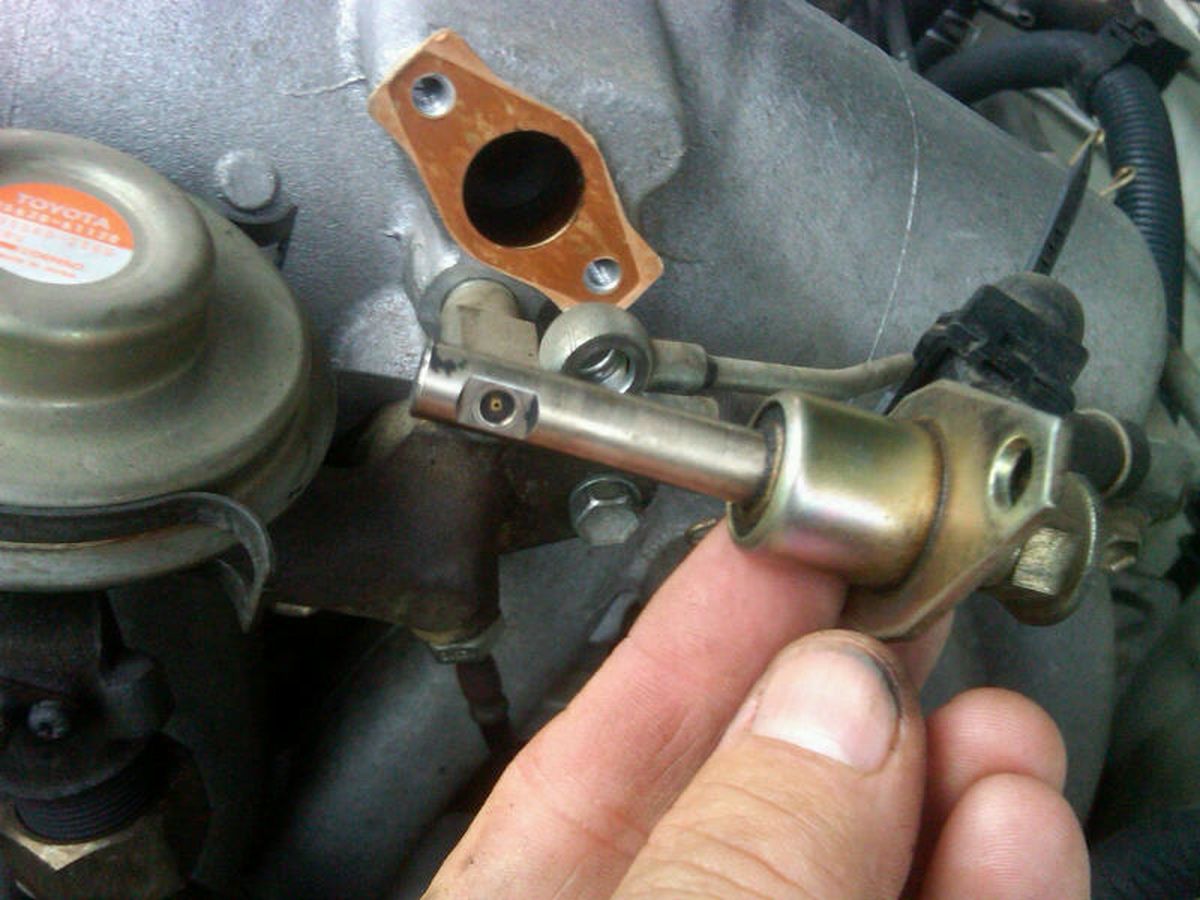
What Is a Cold Start Injector? Failure Symptoms and Causes
The cold start injector is a fuel injector used on certain gasoline engines to provide additional fuel during cold starting. Its purpose is to help the engine start and run smoothly when the engine and intake system are at low temperatures.
Unlike the main fuel injectors, which operate throughout normal engine operation, a traditional cold start injector is primarily associated with the cold-start phase.
This component was particularly common on older gasoline fuel-injection systems. Many modern engines no longer use a separate cold start injector because the ECU can control the regular fuel injectors precisely enough to provide the additional fuel required during a cold start.
What Does a Cold Start Injector Do?
A cold engine requires a different fuel mixture from a fully warmed engine.
When the engine is cold:
-
Fuel does not vaporize as easily.
-
More fuel can condense on the intake surfaces.
-
Combustion is less stable.
-
The engine needs additional enrichment during starting and initial warm-up.
The cold start injector compensates for these conditions by supplying extra fuel for a short period.
On traditional systems, the injector may spray fuel into the intake manifold while the engine is being started or immediately afterward.
The amount and duration of additional fuel depend on the engine design and the temperature-control strategy.
How Does a Cold Start Injector Work?
A conventional cold start injector is an electrically operated fuel injector.
When the control system determines that the engine is cold enough to require additional fuel, the injector receives an electrical command and opens.
Fuel under pressure then passes through the injector nozzle and enters the intake system.
Older systems may use a thermo-time switch or another temperature-dependent control device to determine when the cold start injector should operate.
A simplified sequence is:
Cold engine → starting command → cold-start enrichment activated → additional fuel injected → engine starts → enrichment ends
The exact strategy varies significantly between fuel-injection systems.
On newer vehicles, the ECU often achieves the same result by increasing the injection quantity and changing injector timing through the normal fuel injectors rather than using a separate cold start injector.
Where Is the Cold Start Injector Located?
On systems equipped with a separate cold start injector, it is generally mounted on or near the intake manifold.
Its location allows the additional fuel to enter the intake air stream.
Depending on the vehicle, you may find it:
-
Directly on the intake manifold
-
Near the throttle body
-
On a common intake plenum
-
Connected to the fuel rail or a dedicated fuel line
Because cold start injector designs are mostly associated with older fuel-injection systems, their exact location and appearance can vary considerably.
Cold Start Injector Failure Symptoms
A faulty cold start injector can produce symptoms that are most noticeable when the engine is cold.
Common symptoms include:
-
Difficult cold starting
-
Extended cranking time
-
Engine starts and immediately stalls
-
Rough idle during cold operation
-
Cold-start misfires
-
Poor throttle response immediately after starting
-
Excessive fuel consumption
-
Fuel smell
-
Black exhaust smoke
-
Hard starting when the engine is cold
-
Engine running too rich or too lean during initial operation
The symptoms depend on whether the injector is not supplying enough fuel, supplying too much fuel, leaking, or failing to operate at all.
What Happens If the Cold Start Injector Does Not Work?
If the injector fails to deliver the required additional fuel, the engine may have difficulty starting when cold.
The engine might crank for several seconds before starting, especially in low temperatures.
After the engine warms up, the vehicle may operate almost normally because the main fuel-injection system takes over normal fuel delivery.
This can make the problem difficult to diagnose.
For example, a vehicle might:
Start poorly in the morning → run roughly for a short time → warm up → operate normally for the rest of the day.
This pattern can point toward a cold-start enrichment problem, but it does not prove that the cold start injector itself is defective.
Other components involved in cold-start fueling must also be checked.
What Happens If the Cold Start Injector Stays Open?
A cold start injector that leaks or remains open can create an entirely different set of symptoms.
Instead of too little fuel, the engine may receive excessive fuel.
Possible symptoms include:
-
Very rich mixture
-
Strong gasoline smell
-
Difficult starting
-
Black smoke
-
Rough running
-
Poor fuel economy
-
Fouled spark plugs
-
Increased emissions
-
Engine oil contamination in severe cases
A leaking injector can be especially problematic because fuel may continue entering the intake even when the engine does not require additional enrichment.
Can a Cold Start Injector Cause Hard Starting?
Yes, but the circumstances matter.
A cold start injector that does not operate correctly can contribute to difficult starting when the engine is cold.
However, hard starting should not automatically be blamed on this injector.
Other possible causes include:
-
Weak fuel pump
-
Low fuel pressure
-
Faulty fuel pressure regulator
-
Engine coolant temperature sensor
-
Intake air temperature sensor
-
Main fuel injectors
-
Ignition system
-
Weak battery
-
Starter motor
-
Vacuum leak
-
Crankshaft position sensor
-
Camshaft position sensor
The important clue is whether the problem occurs only during cold starts or also when the engine is warm.
Cold Start Injector vs Main Fuel Injector
These two components have different roles on systems that use a dedicated cold start injector.
The main fuel injectors provide the primary fuel delivery required for engine operation.
The cold start injector provides additional fuel during the cold-start phase.
A cold start injector therefore does not normally replace the main injectors.
On modern engines, however, a separate cold start injector may not exist at all. The ECU simply commands the standard injectors to provide additional fuel during cold starting.
This is an important distinction when searching for a replacement part or diagnosing an older vehicle.
Common Causes of Cold Start Injector Failure
Internal injector failure
The injector's internal coil or mechanical valve can fail, preventing it from opening correctly.
Injector blockage
Fuel deposits or contamination can restrict the injector nozzle.
This can reduce fuel delivery and make cold starting difficult.
Injector leakage
A worn or contaminated injector valve may fail to seal completely.
Fuel can then enter the intake when it should not.
Electrical wiring problems
A broken wire, short circuit, poor connection, or damaged insulation can prevent the injector from receiving the correct electrical command.
Corroded connector
Older vehicles can be particularly susceptible to connector corrosion.
A poor electrical connection may make the injector work intermittently.
Fuel pressure problems
The injector needs sufficient fuel pressure to deliver the expected amount of fuel.
Low fuel pressure can therefore produce symptoms that resemble an injector failure.
Thermo-time switch failure
On older systems, a thermo-time switch may control the cold-start injector.
If the switch incorrectly determines engine temperature or activation time, the injector may receive too much or too little operating time.
Vacuum or intake problems
An intake leak can also make cold starting difficult and can sometimes be mistaken for a fuel-enrichment problem.
How Is a Cold Start Injector Diagnosed?
The diagnosis should focus on the entire cold-start system, rather than immediately replacing the injector.
First, identify the fuel-injection system.
Determine whether the vehicle actually uses a separate cold start injector.
This is particularly important on modern vehicles because many engines have no dedicated cold start injector.
Check the symptoms when the engine is cold.
Record:
-
Ambient temperature
-
Engine coolant temperature
-
Cranking time
-
Whether the engine starts
-
Initial idle quality
-
Fuel smell
-
Smoke from the exhaust
A cold-start problem that disappears once the engine reaches operating temperature is an important diagnostic clue.
Check fuel pressure.
The injector cannot operate correctly if fuel pressure is outside the manufacturer's specification.
Check electrical operation.
Depending on the system, the technician may check:
-
Power supply
-
Ground
-
Injector control signal
-
Wiring continuity
-
Connector condition
-
Injector coil resistance
The correct electrical specifications are vehicle-specific. There is no universal resistance value that applies to every cold start injector.
Check injector leakage.
If excessive fuel is suspected, the injector can be tested for leakage using the appropriate fuel-system testing procedure.
A leaking injector can cause rich running even when the electrical control signal appears normal.
Can a Cold Start Injector Be Cleaned?
Sometimes an injector can be cleaned, but cleaning is not always an appropriate repair.
If the injector is restricted by deposits, professional injector cleaning may restore its spray pattern.
However, cleaning cannot repair:
-
A failed electrical coil
-
A damaged internal valve
-
Severe mechanical wear
-
A cracked injector body
-
A persistent sealing problem
The injector should be tested before deciding whether cleaning or replacement is appropriate.
Does Every Gasoline Car Have a Cold Start Injector?
No.
This is one of the most important points about this component.
A separate cold start injector is mainly associated with certain older gasoline fuel-injection systems.
Modern gasoline engines generally use electronically controlled main injectors and sophisticated ECU software to provide cold-start enrichment.
Therefore, if a modern vehicle has a "cold start injector" fault description, the actual system may use a normal fuel injector strategy, a temperature sensor, or another component rather than a separate injector.
Can a Bad Cold Start Injector Increase Fuel Consumption?
Yes, particularly if the injector leaks or supplies excessive fuel.
Excess fuel during cold operation can cause:
-
Rich combustion
-
Increased fuel consumption
-
Higher hydrocarbon emissions
-
Spark plug fouling
-
Poor combustion
-
Potential catalytic-converter damage if the condition is severe and prolonged
However, increased fuel consumption has many possible causes, so it should not be attributed to the cold start injector without testing.
Can You Drive With a Faulty Cold Start Injector?
If the vehicle starts and runs normally after warming up, it may still be possible to drive it.
However, the problem should not be ignored.
A faulty injector that causes excessive fueling can create more serious problems than a simple hard-start condition. Excess fuel can contaminate engine oil or damage the catalytic converter if the engine operates excessively rich.
If the engine has severe misfires, heavy smoke, strong fuel odor, or repeatedly stalls, diagnosis should be performed as soon as possible.
The Most Important Diagnostic Point
A cold start injector is designed to help a cold gasoline engine start and operate smoothly during its initial warm-up period. When it fails, the symptoms are often concentrated around cold starting rather than normal operation at operating temperature.
But a difficult cold start does not automatically mean the injector is bad.
Fuel pressure, wiring, temperature sensors, the control system, ignition components, vacuum leaks, and the main injectors can all produce similar symptoms.
On older vehicles with a dedicated cold start injector, testing the injector's fuel delivery, leakage, electrical circuit, and temperature-dependent control is the correct way to identify the actual cause rather than replacing parts based only on the symptom.