TR
TR EN
EN

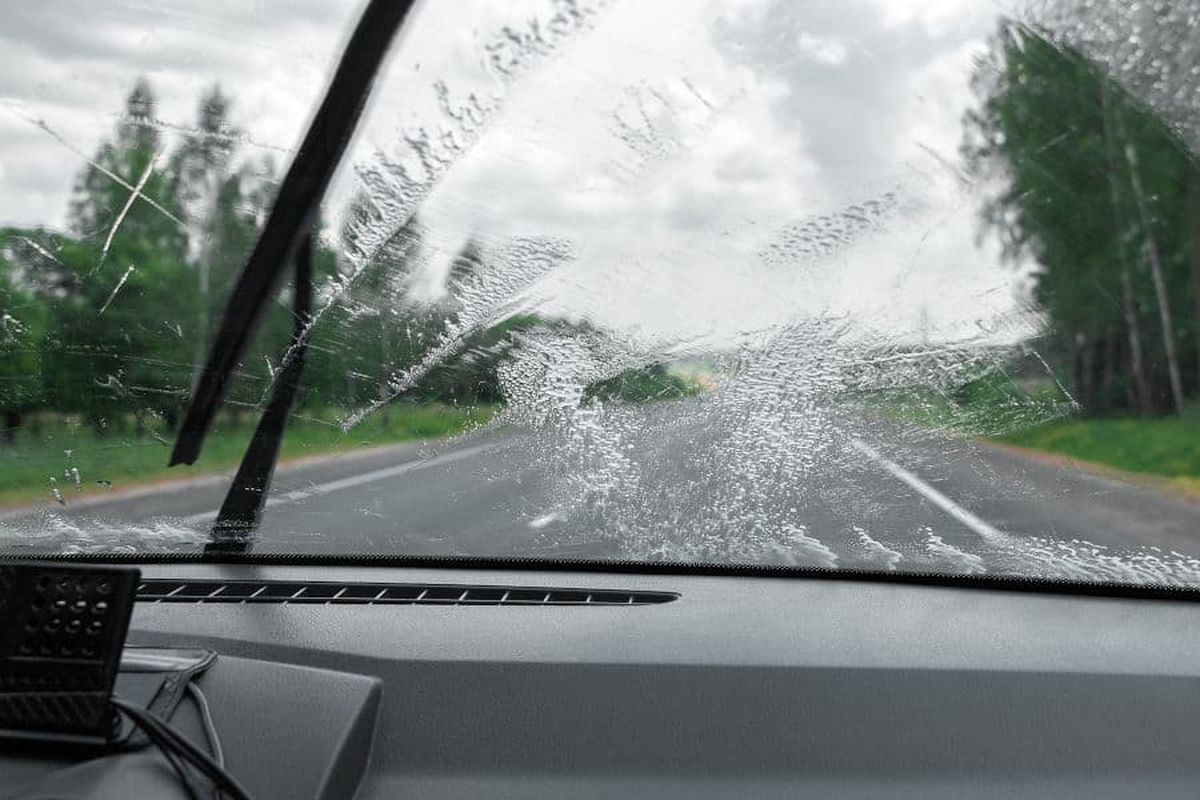
Why Do Windshield Wipers Make Noise? Causes and Solutions
Windshield wipers are simple components, but they play a critical role in driving safety. When the blades are working correctly, they should move smoothly across the windshield with minimal noise.
If you hear squeaking, chattering, rubbing, knocking, or skipping while the wipers are operating, there is usually an underlying reason.
Sometimes the problem is as simple as a dirty windshield or worn wiper blades. In other cases, the noise can be caused by incorrect blade pressure, damaged rubber, a bent wiper arm, contaminated glass, or a mechanical problem in the wiper linkage.
Understanding the type of noise is one of the easiest ways to identify the likely cause.
What Should Normal Windshield Wipers Sound Like?
A healthy wiper system should operate relatively quietly.
Some light mechanical or rubber-on-glass noise is normal, especially when the windshield is nearly dry. However, loud or repeated noise is generally a sign that something needs attention.
Common abnormal sounds include:
-
Squeaking
-
Chattering
-
Scraping
-
Rubbing
-
Clicking
-
Knocking
-
Thumping
-
Grinding
-
Wiper blades skipping across the glass
The location and timing of the sound can provide useful diagnostic clues.
Squeaking Wiper Blades
A high-pitched squeaking sound is one of the most common complaints.
It often occurs when the rubber blade does not move smoothly across the windshield.
Possible causes include:
-
Dirty windshield
-
Dirty wiper blade
-
Hardened rubber
-
Old wiper blades
-
Contaminated glass
-
Insufficient windshield moisture
-
Incorrect blade angle
-
Excessive friction between rubber and glass
If the windshield is almost dry, even a good wiper blade can make some noise.
However, if the squeaking continues when plenty of washer fluid is present, the blade or windshield surface should be inspected.
Why Do Wipers Chatter or Jump?
Wiper chatter occurs when the rubber blade does not maintain smooth contact with the windshield.
Instead of continuously sliding across the glass, the blade sticks and releases repeatedly.
This can produce a rapid:
stick → release → stick → release
movement.
Common causes include:
-
Hardened wiper rubber
-
Incorrect blade angle
-
Contaminated windshield
-
Wax or silicone residue
-
Oil or road film
-
Bent wiper arm
-
Incorrect blade pressure
-
Poor-quality replacement blades
Chattering can become particularly noticeable when the wipers are operating at high speed.
Dirty Windshield Can Make Wipers Noisy
A windshield may look clean while still carrying a thin layer of contamination.
Road film, insects, oil, dust, wax, silicone, and other contaminants can change the friction between the rubber blade and the glass.
The wiper may then start squeaking, chattering, or skipping.
Cleaning the windshield thoroughly can sometimes solve the problem without replacing anything.
The blade itself should also be cleaned because contamination can accumulate along the rubber edge.
Wiper Blades Can Become Hard With Age
Wiper rubber is exposed to:
-
Sunlight
-
Heat
-
Cold weather
-
Ozone
-
Rain
-
Washer fluid
-
Road contaminants
-
Dust
Over time, the rubber can become harder and less flexible.
A hardened blade cannot follow the curvature of the windshield properly.
Instead of maintaining continuous contact with the glass, it may chatter or leave streaks.
Old blades can therefore become noisy even when the wiper motor and linkage are working perfectly.
Cracked or Damaged Wiper Rubber
Inspect the rubber edge carefully.
Signs of deterioration include:
-
Cracks
-
Splits
-
Tears
-
Missing sections
-
Deformation
-
Hardened areas
-
Uneven edges
A damaged blade can make scraping or squeaking noises and may also leave visible lines on the windshield.
If the rubber is physically damaged, cleaning it is unlikely to provide a lasting solution. Replacing the blade is normally the better option.
Wax and Silicone Contamination
Some vehicle cleaning products can leave a film on the windshield.
Wax, silicone-based products, polish, detailing chemicals, and certain glass treatments can alter the friction characteristics of the surface.
This can cause the wiper blade to stick and release instead of moving smoothly.
If the problem started after washing, detailing, polishing, or applying a windshield treatment, contamination should be considered.
The windshield may require a proper glass-cleaning treatment to remove the residue.
Wipers Can Make Noise When the Windshield Is Dry
Windshield wipers are designed to move across a wet surface.
Using them on a completely dry windshield creates considerably more friction.
This can cause:
-
Squeaking
-
Chattering
-
Rubber wear
-
Increased blade stress
-
Excessive motor load
If you need to clean a dry windshield, use the washer system rather than repeatedly operating the wipers on dry glass.
Incorrect Wiper Blade Installation
A replacement blade can sometimes be installed incorrectly.
An improperly fitted blade may not sit correctly in the wiper arm and can produce unusual movement or noise.
Possible problems include:
-
Incorrect adapter
-
Loose attachment
-
Incorrect blade orientation
-
Poorly seated connector
-
Blade not matching the original specification
If the noise began immediately after replacing the wiper blades, installation should be checked before looking for more complicated causes.
Poor-Quality Wiper Blades
Not all replacement wiper blades perform the same way.
Low-quality blades may have:
-
Poor rubber compounds
-
Incorrect stiffness
-
Uneven pressure distribution
-
Poor aerodynamic design
-
Weak connectors
-
Poor resistance to temperature changes
A cheap blade can therefore be noisy even when it is brand new.
A quality blade that is correctly matched to the vehicle is generally more likely to maintain smooth contact with the windshield.
Wiper Arm Pressure Can Cause Noise
The wiper arm must apply the correct amount of pressure to keep the blade against the windshield.
If the arm does not provide sufficient pressure, the blade can skip or chatter.
If the pressure is excessive, friction can increase and the blade may produce squeaking or wear more quickly.
The arm spring can also become weak with age.
A damaged or incorrectly shaped wiper arm can create uneven pressure along the blade.
A Bent Wiper Arm Can Cause Chattering
The angle between the wiper arm and blade is important.
If the arm becomes bent, the blade may not flip correctly as it changes direction.
This can produce:
-
Chattering
-
Skipping
-
Uneven wiping
-
Squeaking
-
Areas of poor contact
Wiper arms can be bent by accidental force, incorrect lifting, snow or ice, or improper maintenance.
Do not deliberately bend the arm without knowing the manufacturer's specified geometry. A small change can significantly alter blade pressure and angle.
Ice and Snow Can Damage the Wiper System
Operating wipers while they are frozen to the windshield can put considerable stress on the entire mechanism.
The blade can tear, the arm can bend, or the linkage and motor can be overloaded.
In cold weather, make sure the blade is free before activating the wipers.
Do not use excessive force to pull a frozen blade from the glass.
Properly clearing ice from the windshield is safer for both the blades and the wiper mechanism.
Why Do Wipers Make a Knocking Sound?
A knocking or clicking noise is different from ordinary rubber-on-glass squeaking.
If the sound appears to come from underneath the windshield or near the wiper arms, the mechanical system should be inspected.
Possible causes include:
-
Loose wiper arm
-
Worn wiper linkage
-
Loose linkage joint
-
Worn bushing
-
Loose mounting
-
Damaged wiper motor mechanism
-
Excessive mechanical play
A worn linkage can cause the wiper arms to move unevenly or change direction with a noticeable knock.
Wiper Motor Problems Can Also Cause Noise
The wiper motor is an electric motor connected to the wiper linkage.
A failing motor can produce:
-
Grinding
-
Whining
-
Clicking
-
Humming
-
Slow operation
-
Intermittent operation
-
Wipers stopping in unusual positions
If the sound continues even when the blades are lifted away from the windshield, the problem is more likely to be mechanical or electrical rather than caused by the rubber blade itself.
This is a useful diagnostic test.
Worn Wiper Linkage
The wiper linkage transfers movement from the motor to the wiper arms.
Its joints and bushings can wear over time.
When there is excessive play, the linkage may produce:
-
Knocking
-
Clicking
-
Clunking
-
Irregular movement
The wipers may also become slower or fail to maintain their normal sweep pattern.
A linkage problem should not be ignored because excessive mechanical play can eventually cause the wipers to stop working.
Wiper Arm Nut May Be Loose
The wiper arm is usually attached to the wiper spindle with a retaining nut.
If this connection becomes loose, the arm can move relative to the spindle.
Possible symptoms include:
-
Clicking
-
Knocking
-
Wiper movement that is weaker than normal
-
Incorrect parking position
-
One arm moving differently from the other
The retaining connection should be inspected and tightened according to the manufacturer's specification.
Washer Fluid Quality Matters
The washer fluid can also affect wiper performance.
Using plain water may not provide the same cleaning performance as a suitable windshield washer fluid.
Water alone may allow more road film and contamination to remain on the glass.
In cold weather, plain water can also freeze.
A suitable washer fluid helps remove dirt and reduces the need for repeated dry wiping.
Contaminated Wiper Blades
Sometimes the windshield is clean but the blade itself is dirty.
The rubber edge can collect:
-
Dust
-
Road grime
-
Oil
-
Wax
-
Insect residue
-
Fine particles
This contamination can cause streaking and noise.
The blade can be gently wiped with a clean, damp cloth.
If the cloth becomes heavily dirty or the rubber edge remains rough and damaged, replacement is usually more appropriate.
Why Do New Wiper Blades Make Noise?
New wiper blades should not normally be noisy, but installation of a new blade does not guarantee perfect operation.
Possible causes include:
-
Incorrect blade size
-
Wrong adapter
-
Poor-quality rubber
-
Protective residue
-
Dirty windshield
-
Wax or silicone contamination
-
Incorrect blade angle
-
Damaged wiper arm
If the old blades were quiet and the noise appeared immediately after installation, the new blade and its installation should be investigated first.
Rain Sensors and Automatic Wipers
Vehicles equipped with automatic rain-sensing wipers can sometimes behave differently from conventional systems.
The rain sensor determines when the wipers should operate, but it does not normally cause mechanical squeaking by itself.
If the wipers activate when the windshield is almost dry, however, the lack of moisture can increase friction and noise.
Sensor sensitivity, windshield contamination, sensor installation, and the optical area around the sensor may need to be checked if automatic operation is abnormal.
Why Do Wipers Leave Streaks and Make Noise?
Streaking and noise often appear together.
Possible causes include:
-
Worn rubber
-
Dirty windshield
-
Contamination
-
Damaged blade edge
-
Uneven blade pressure
-
Bent wiper arm
-
Incorrect blade size
If cleaning the windshield and blade does not improve the situation, replacing the blades is a logical next step.
If new blades still chatter or skip, the wiper arm angle and pressure should be inspected.
How to Fix Noisy Windshield Wipers
The correct solution depends on the cause.
A sensible troubleshooting sequence is:
Clean the windshield
Remove road film, dirt, oil, insects, and other contaminants.
Clean the wiper blades
Wipe the rubber edge and inspect it for damage.
Check the blades
Look for cracks, tears, hardening, deformation, and uneven wear.
Use washer fluid
Avoid repeatedly operating the wipers on a dry windshield.
Check installation
Make sure the blade is correctly attached and properly seated.
Inspect the wiper arms
Look for bending, looseness, corrosion, or unusual pressure.
Listen to the location of the noise
Noise directly on the glass points more toward the blade or glass surface.
Noise from underneath the windshield may indicate a linkage, spindle, or motor problem.
Inspect the mechanical system
If the noise continues with the blades lifted away from the glass, investigate the motor, linkage, spindle, and mounting points.
When Should Wiper Blades Be Replaced?
There is no single replacement interval that applies to every vehicle.
Blade life depends on:
-
Climate
-
Sun exposure
-
Vehicle storage
-
Driving conditions
-
Washer-fluid use
-
Blade quality
-
Frequency of use
Instead of replacing blades based only on mileage, inspect their condition and performance.
Replacement is advisable when the blades:
-
Leave persistent streaks
-
Skip across the windshield
-
Produce excessive noise
-
Have cracked rubber
-
Have torn edges
-
Leave unwiped areas
-
Do not maintain proper contact with the glass
Can Noisy Wipers Damage the Windshield?
Yes, in some circumstances.
A severely damaged or contaminated wiper blade can contain hard particles or a damaged edge that may scratch the glass.
Repeated operation with a damaged blade can increase the risk of windshield damage.
A worn blade should therefore not be left in service simply because the wipers still move.
Can Noisy Wipers Damage the Wiper Motor?
A small amount of blade noise does not necessarily mean the motor is being damaged.
However, excessive friction from a dry windshield, frozen blades, or mechanical resistance can increase the load on the wiper system.
If the wipers become noticeably slower, the motor becomes unusually hot, or the mechanism begins making mechanical noises, the problem should be investigated.
When Is a Wiper Noise a Serious Problem?
A squeak from an old blade is usually not an emergency.
A mechanical knocking or grinding sound, however, deserves more attention.
Inspection is particularly important when:
-
The wipers move slowly
-
One arm moves differently from the other
-
The wipers stop unexpectedly
-
The blades do not return to the correct park position
-
There is loud grinding or knocking
-
The wipers jump significantly
-
The linkage appears loose
-
The motor becomes unusually noisy
-
The wipers stop working during rain
A windshield wiper failure can become a serious safety issue because visibility can deteriorate rapidly during heavy rain.
Final Thoughts
Windshield wipers can make noise for many different reasons, and the sound itself often provides an important clue.
Squeaking and chattering are commonly related to worn blades, contaminated glass, incorrect blade angle, or unsuitable surface conditions.
Clicking, knocking, or grinding is more likely to require inspection of the wiper arms, linkage, spindle, motor, or mounting components.
The simplest approach is to start with the windshield and blades. Clean both, check the rubber condition, make sure the correct blades are installed, and use suitable washer fluid.
If the noise continues with new, properly installed blades, the wiper arm geometry and mechanical components should then be examined.
A quiet wiper system is not just about comfort. Proper blade contact is essential for maintaining clear visibility, especially during heavy rain, and a small wiper problem can become a significant safety issue if it causes the system to stop working when it is needed most.