TR
TR EN
EN

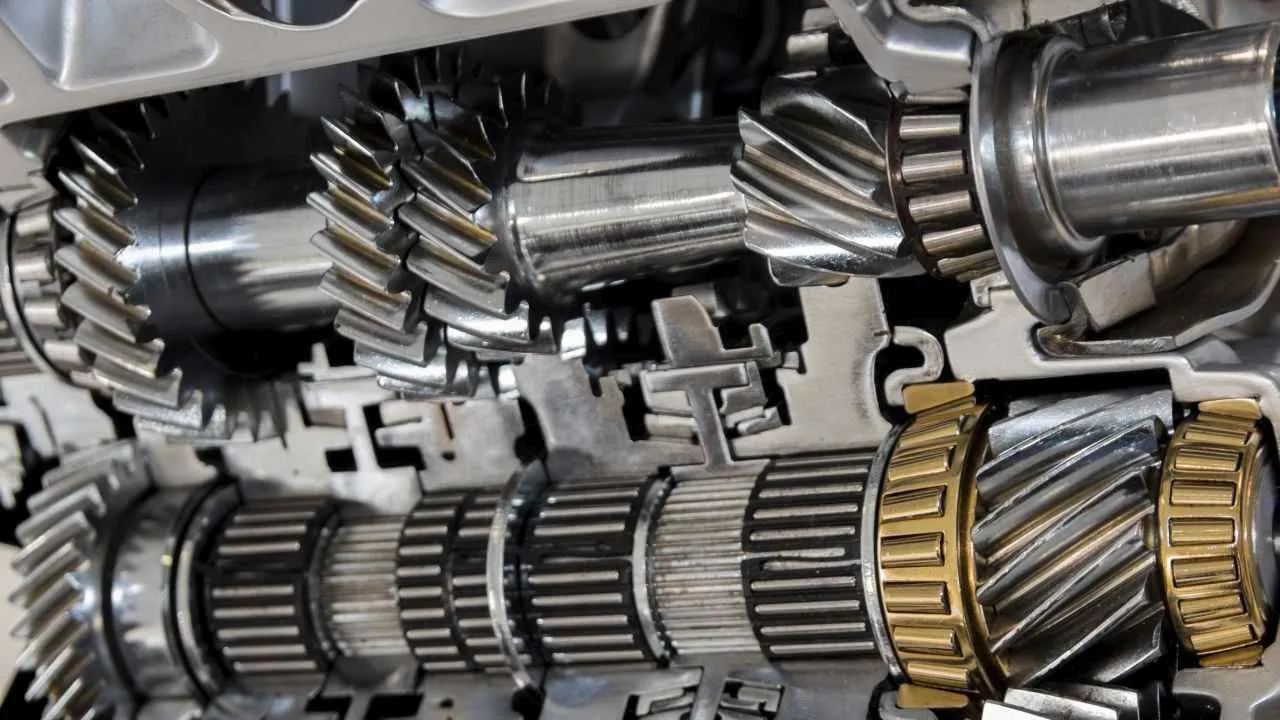
Why Does the Transmission Vibrate or Shake?
A transmission should transfer engine power to the wheels smoothly. When a vehicle begins to shake, vibrate, jerk, or shudder, the transmission is often one of the first components that comes to mind.
However, a vibration that appears to come from the transmission does not necessarily mean that the transmission itself is defective.
The vibration can originate from the engine, clutch, transmission mounts, driveshafts, CV joints, differential, torque converter, wheels, or other drivetrain components.
The conditions under which the vibration occurs are particularly important.
For example, a vehicle that vibrates only when accelerating has a different diagnostic path from one that vibrates while idling in Neutral. Likewise, a vibration during gear changes can have a completely different cause from a vibration that increases with vehicle speed.
Understanding when and how the vibration occurs is therefore the first step toward finding the actual problem.
What Does Transmission Vibration Feel Like?
Transmission-related vibration can be experienced in several different ways.
The driver may notice:
-
Shaking during acceleration
-
A vibration when selecting Drive or Reverse
-
Jerking during gear changes
-
Shuddering at low speed
-
A vibration when releasing the clutch
-
A knocking sensation when shifting
-
Vibration under heavy load
-
A humming or buzzing sensation
-
A rhythmic vibration that increases with speed
-
A sudden jolt when engaging a gear
-
Vibration that disappears when the transmission is placed in Neutral
The location of the vibration can also provide useful information.
A vibration felt mainly through the steering wheel may point toward the front wheels, suspension, or driveline.
A vibration felt through the floor or seat may be more closely related to the drivetrain, rear axle, driveshaft, or transmission mounts.
These are only diagnostic clues, however, and not definitive proof of a particular component failure.
The Most Important Question: When Does the Vibration Occur?
Before replacing any transmission component, determine exactly when the vibration appears.
Ask:
Does it happen while stationary?
Does it happen only while driving?
Does it occur during acceleration?
Does it occur during deceleration?
Does it happen during gear changes?
Does it occur at a specific engine RPM?
Does it occur at a specific vehicle speed?
Does it happen only when the engine or transmission is cold?
Does it disappear when the accelerator is released?
These details can dramatically narrow down the possible causes.
Transmission Vibration While Idling
If the vehicle vibrates while stationary, the transmission may not actually be the source.
An engine running roughly at idle can transmit vibration through the drivetrain.
Possible causes include:
-
Engine misfire
-
Dirty throttle body
-
Fuel delivery problems
-
Vacuum leaks
-
Faulty engine mounts
-
Faulty transmission mounts
-
Incorrect idle control
-
Ignition problems
-
Air-fuel mixture problems
If the engine is running smoothly but the vibration changes significantly when selecting Drive or Reverse, the engine and transmission mounts become particularly important.
Vibration When Selecting Drive or Reverse
Automatic transmission vehicles can sometimes produce a noticeable movement when selecting Drive or Reverse.
A small change in engine load is normal.
However, a strong vibration, clunk, or excessive movement is not something that should automatically be considered normal.
One common cause is a worn engine or transmission mount.
The mounts are designed to support the powertrain while isolating its vibration from the vehicle body.
When a mount becomes damaged or loses its ability to absorb movement, engaging a gear can produce a pronounced shake.
Worn Transmission Mounts
Transmission mounts are among the most frequently overlooked causes of drivetrain vibration.
Their job is not simply to hold the transmission in place.
They also control powertrain movement and isolate vibration.
A damaged mount can cause:
-
Excessive engine or transmission movement
-
Vibration at idle
-
Clunking when shifting
-
A jolt when accelerating
-
A jolt when releasing the accelerator
-
Increased vibration when selecting Drive or Reverse
-
Noise from the drivetrain
Rubber components can deteriorate with age, while hydraulic or electronically controlled mounts can develop their own specific faults.
A broken mount can make a perfectly functional transmission appear to be defective.
Why Does the Transmission Shake During Acceleration?
A vibration that occurs specifically during acceleration deserves careful attention.
When the engine produces torque, the entire drivetrain is subjected to increased load.
If a component has excessive play or is no longer properly supported, the additional torque can expose the problem.
Possible causes include:
-
Worn transmission mount
-
Worn engine mount
-
Damaged inner CV joint
-
Worn driveshaft
-
Driveshaft imbalance
-
Differential problems
-
Loose drivetrain components
-
Clutch or dual-mass flywheel problems
-
Torque converter problems
-
Internal transmission problems
If the vibration disappears immediately when the accelerator is released, this is useful diagnostic information because the vibration is related to the drivetrain's load condition.
Inner CV Joint Problems
A worn inner CV joint can produce a vibration that is easily mistaken for a transmission problem.
The vibration may become noticeable during acceleration, particularly under higher torque.
Depending on the vehicle and the severity of the wear, the driver may also experience:
-
Shuddering
-
Clicking or knocking
-
Vibration under load
-
Jerking during acceleration
The outer CV joint is more commonly associated with clicking noises during tight turns, while inner CV joint problems can be more closely associated with vibration under acceleration.
Nevertheless, the exact symptoms vary by vehicle.
Driveshaft Problems
Rear-wheel-drive, four-wheel-drive, and all-wheel-drive vehicles may use one or more driveshafts.
A driveshaft that is bent, imbalanced, damaged, or incorrectly installed can create significant vibration.
Possible causes include:
-
Bent driveshaft
-
Damaged universal joint
-
Worn center support bearing
-
Incorrect driveshaft balance
-
Loose mounting hardware
-
Damaged coupling or flex disc
-
Incorrect alignment of drivetrain components
A driveshaft vibration usually follows vehicle speed more closely than engine RPM.
This distinction can help separate a driveshaft problem from an engine-related vibration.
Vibration Related to Engine RPM vs. Vehicle Speed
This is one of the most useful diagnostic distinctions.
If the vibration occurs at a particular engine RPM, the engine, clutch, torque converter, or another component rotating at engine speed may deserve attention.
If the vibration occurs at a particular road speed, wheels, tires, driveshafts, wheel bearings, or other components whose rotational speed depends on vehicle speed may be more likely.
However, gear selection changes the relationship between engine RPM and vehicle speed, so a proper road test is often necessary.
Clutch Problems and Transmission Shudder
Manual transmission vehicles can experience a vibration commonly called clutch judder or clutch shudder.
This usually occurs when the clutch is engaging rather than while the transmission itself is internally vibrating.
The driver may feel the vehicle shake when:
-
Pulling away from a stop
-
Releasing the clutch pedal
-
Starting on an incline
-
Reversing slowly
Possible causes include:
-
Uneven clutch disc surface
-
Contaminated clutch disc
-
Worn pressure plate
-
Flywheel damage
-
Dual-mass flywheel problems
-
Clutch installation problems
-
Engine or transmission mount problems
A clutch shudder should therefore not automatically be diagnosed as an internal transmission fault.
Dual-Mass Flywheel Problems
Vehicles equipped with a dual-mass flywheel (DMF) can develop vibration and rattling when the flywheel's internal damping mechanism wears.
Possible symptoms include:
-
Vibration at idle
-
Rattling from the transmission area
-
Shudder during clutch engagement
-
Noise when starting or stopping the engine
-
Vibration during acceleration
-
Changes in noise when the clutch pedal is pressed
A failing DMF can sometimes be mistaken for a transmission problem because it is located between the engine and transmission.
Automatic Transmission Torque Converter Shudder
Automatic transmissions that use a conventional torque converter can develop a condition commonly referred to as torque converter shudder.
This may feel like:
-
Repeated vibration
-
A rapid shudder
-
A sensation similar to driving over a rough surface
-
Vibration during light acceleration
-
Vibration during torque converter lock-up
The problem can be associated with the torque converter clutch and its operating conditions.
Transmission fluid condition, incorrect fluid specification, hydraulic problems, solenoid operation, or mechanical wear can all be relevant depending on the transmission.
Correct diagnosis is important because changing fluid alone is not guaranteed to solve every torque-converter shudder problem.
Transmission Fluid Problems
Transmission fluid performs several functions.
It lubricates moving components, carries heat away, provides hydraulic pressure in many automatic transmissions, and allows various clutches and control elements to operate correctly.
Incorrect, degraded, contaminated, or insufficient fluid can contribute to abnormal transmission behavior.
Possible symptoms include:
-
Harsh shifting
-
Delayed engagement
-
Shuddering
-
Slipping
-
Gear-change vibration
-
Overheating
-
Abnormal noises
The correct fluid specification is critical.
Different transmissions require different fluids, and using a fluid simply because it is marketed as "universal" may not be appropriate for a particular transmission.
Low Transmission Fluid
Low fluid level can cause problems in transmissions that depend on hydraulic fluid pressure.
Depending on the transmission design, insufficient fluid can lead to:
-
Delayed engagement
-
Erratic shifting
-
Slipping
-
Shuddering
-
Noise
-
Overheating
However, the correct fluid level must be checked using the procedure specified by the manufacturer.
Some transmissions require a specific fluid temperature and checking procedure, and there may not be a conventional dipstick.
Can Old Transmission Fluid Cause Vibration?
It can contribute to abnormal shifting or shuddering in some transmissions, particularly where fluid condition affects hydraulic operation or clutch friction behavior.
But old fluid should not automatically be assumed to be the cause.
If a transmission has a mechanical defect, replacing the fluid will not necessarily repair the underlying problem.
The transmission's maintenance requirements and fluid service procedure should therefore be followed according to the manufacturer.
Transmission Solenoid Problems
Modern automatic transmissions use electronically controlled solenoids to regulate hydraulic pressure and control gear changes.
A malfunctioning solenoid can cause:
-
Harsh shifting
-
Delayed shifting
-
Incorrect gear selection
-
Shift flare
-
Shuddering
-
Transmission warning lights
-
Stored diagnostic trouble codes
A solenoid-related problem may be electrical, hydraulic, mechanical, or software-related.
A diagnostic scan and examination of transmission data are often necessary before replacing a solenoid.
Transmission Valve Body Problems
The valve body controls hydraulic fluid flow inside many automatic transmissions.
Wear, contamination, sticking valves, damaged passages, or pressure-control problems can affect clutch and gear engagement.
Symptoms may include:
-
Harsh gear changes
-
Delayed engagement
-
Shuddering
-
Incorrect shifting
-
Gear slipping
-
Pressure-related fault codes
Because valve body problems can produce symptoms similar to solenoid or internal clutch problems, professional diagnosis is often necessary.
CVT Transmission Shudder
A Continuously Variable Transmission (CVT) can produce a shudder that feels different from conventional automatic transmission behavior.
A CVT may shudder during:
-
Low-speed acceleration
-
Take-off
-
Light throttle operation
-
Certain temperature conditions
-
High-load operation
Possible causes depend heavily on the specific CVT design and can include fluid condition, clutch operation on transmissions equipped with a launch clutch, pulley and belt/chain behavior, control problems, or internal wear.
Because CVTs vary considerably between manufacturers and generations, there is no single universal repair for CVT shudder.
DCT and Dual-Clutch Transmission Shudder
Dual-clutch transmissions can also produce low-speed judder or vibration.
This is particularly noticeable during:
-
Take-off
-
Low-speed maneuvering
-
Stop-and-go traffic
-
Parking
-
Reverse
The clutch packs in a DCT must engage progressively.
If clutch adaptation, friction characteristics, overheating, contamination, or mechanical wear causes engagement to become inconsistent, the driver may feel shuddering.
Some DCT systems also require specific adaptation or calibration procedures after certain repairs.
Transmission Control Software
Not every transmission problem is purely mechanical.
Modern transmissions are controlled by software that determines:
-
Shift timing
-
Clutch pressure
-
Torque converter lock-up
-
Adaptation values
-
Gear selection
-
Torque management
A control-system problem, incorrect adaptation, or software issue can therefore produce abnormal shifting or shuddering.
If a vehicle has recently had a transmission repair, control-module replacement, battery-related event, or software update, the applicable manufacturer procedures should be considered.
Why Does the Transmission Shake When Changing Gear?
A noticeable jerk during gear changes can have many causes.
The possibilities include:
-
Worn engine or transmission mounts
-
Incorrect hydraulic pressure
-
Transmission fluid problems
-
Solenoid problems
-
Valve body wear
-
Clutch wear
-
Torque converter problems
-
Transmission adaptation issues
-
Internal mechanical damage
-
Excessive drivetrain backlash
The exact shift in which the problem occurs can provide useful information.
For example, a problem that occurs only during one particular shift may point toward a specific clutch, solenoid, or control strategy.
A problem affecting every gear change may indicate a broader hydraulic, electrical, fluid, or mounting issue.
Could a Transmission Vibration Come From the Differential?
Yes.
In many vehicles, the differential is integrated into the transmission or mounted very close to it.
A differential problem can therefore create noises and vibrations that appear to come from the transmission.
Possible causes include:
-
Worn differential bearings
-
Damaged gears
-
Incorrect lubricant
-
Low lubricant level
-
Excessive gear backlash
-
Worn differential components
A differential-related vibration may change with vehicle speed and load.
Wheel and Tire Problems Can Be Misdiagnosed as Transmission Vibration
Not every vibration felt through the vehicle's body comes from the drivetrain.
A tire with:
-
Uneven wear
-
Structural damage
-
Imbalance
-
Excessive runout
can produce vibration at certain speeds.
Wheel imbalance is particularly likely to produce a vibration that increases with vehicle speed.
Wheel and tire problems should therefore be eliminated before expensive transmission repairs are considered.
Wheel Bearing Problems
A worn wheel bearing can produce a humming, rumbling, or vibration sensation.
The noise may increase with vehicle speed and sometimes change when the vehicle turns.
Because wheel bearings are connected directly to the rotating wheels, their symptoms can be mistaken for drivetrain or transmission noise.
Transmission Mount vs. Transmission Failure
This distinction is extremely important.
A vehicle that shakes when shifting into Drive may have a severely worn transmission mount rather than a damaged transmission.
A relatively inexpensive mounting component can produce symptoms that feel dramatic because the entire powertrain moves when torque is applied.
Therefore, the transmission should not be removed or rebuilt before the mounts and external drivetrain components have been properly inspected.
Can a Bad Transmission Cause Engine Vibration?
Yes, but the relationship can work in both directions.
The transmission and engine are mechanically connected.
A transmission problem can cause abnormal load, shifting behavior, or vibration that affects the powertrain.
At the same time, an engine problem can transmit vibration through the transmission.
This is why diagnosing the engine and transmission separately is not always effective.
They should often be evaluated as a complete powertrain system.
How Is Transmission Vibration Diagnosed?
A proper diagnosis usually begins with a road test.
The technician should attempt to reproduce the vibration under controlled conditions.
Important observations include:
-
Engine RPM when the vibration occurs
-
Vehicle speed
-
Selected gear
-
Throttle position
-
Engine temperature
-
Transmission temperature
-
Acceleration or deceleration
-
Whether the clutch is engaged or released
-
Whether the vibration changes when the accelerator is released
The vehicle can then be inspected on a lift where appropriate.
The technician may inspect:
-
Engine mounts
-
Transmission mounts
-
Driveshafts
-
CV joints
-
Wheel bearings
-
Transmission leaks
-
Fluid condition
-
Loose components
For automatic transmissions, diagnostic equipment may also be used to check stored trouble codes and transmission data.
Diagnostic Trouble Codes Can Help
A transmission vibration accompanied by a warning light should be investigated with a diagnostic scan.
Depending on the vehicle, codes may relate to:
-
Shift solenoids
-
Pressure control
-
Gear ratio
-
Torque converter clutch
-
Transmission temperature
-
Input or output speed sensors
-
Communication
-
Internal transmission performance
However, a diagnostic code should be interpreted together with the actual symptoms and test results.
Replacing the component named in a code without confirming the root cause can lead to unnecessary repairs.
What Should You Check First?
If the transmission is vibrating or the vehicle is shaking, a sensible diagnostic sequence is:
1. Determine when the vibration occurs.
Stationary, accelerating, braking, shifting, or at a particular speed?
2. Check the engine operation.
A misfire or rough idle can create drivetrain vibration.
3. Inspect engine and transmission mounts.
Look for cracks, separation, leaks, or excessive movement.
4. Inspect tires and wheels.
Eliminate simple wheel and tire problems.
5. Inspect CV joints and driveshafts.
Especially if the vibration occurs under acceleration.
6. Check transmission fluid according to the correct procedure.
Use the manufacturer's specified fluid and level-checking method.
7. Scan the transmission control system.
Look for stored codes and relevant live data.
8. Investigate internal transmission components only when the evidence points there.
This prevents unnecessary transmission removal or rebuilding.
Can You Continue Driving With a Vibrating Transmission?
It depends on the severity and cause.
A minor vibration caused by a tire imbalance is very different from a transmission that is violently shuddering, slipping, overheating, or losing fluid.
Driving should be minimized and the vehicle inspected promptly if the vibration is accompanied by:
-
Severe jerking
-
Gear slipping
-
Loss of drive
-
Transmission fluid leakage
-
Burning smell
-
Loud mechanical noise
-
Warning lights
-
Sudden worsening
-
Difficulty selecting gears
A rapidly worsening drivetrain vibration should not be ignored.
A component such as a damaged driveshaft or CV joint can potentially create a more serious mechanical problem if it fails completely.
Final Thoughts
A vibrating or shaking transmission does not automatically mean that the transmission itself is damaged.
The vibration may originate from the transmission, but it can also come from the engine mounts, transmission mounts, clutch, dual-mass flywheel, torque converter, CV joints, driveshaft, differential, wheels, tires, or electronic transmission control system.
The most useful diagnostic clue is often the exact condition under which the vibration occurs.
A vibration at idle points toward a different group of components than a vibration during acceleration. A vibration that follows engine RPM is different from one that follows road speed. Similarly, a shudder during clutch engagement is different from a vibration during automatic transmission torque converter lock-up.
For this reason, replacing the transmission should rarely be the first response to a vibration complaint.
A systematic diagnosis should begin with the engine, mounts, wheels, tires, drivetrain components, fluid condition, and electronic control system before internal transmission damage is assumed.
The goal is not simply to find the component that feels like it is vibrating. The goal is to identify what causes the vibration and under exactly which operating condition it occurs.
That distinction can prevent unnecessary transmission repairs and help ensure that the actual source of the problem is corrected.