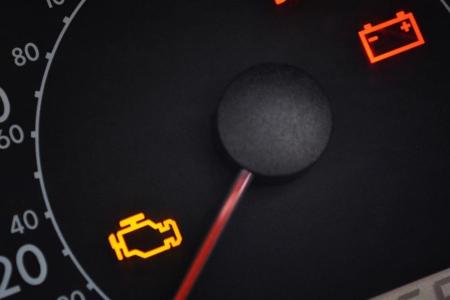
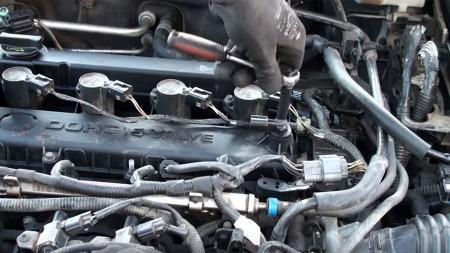
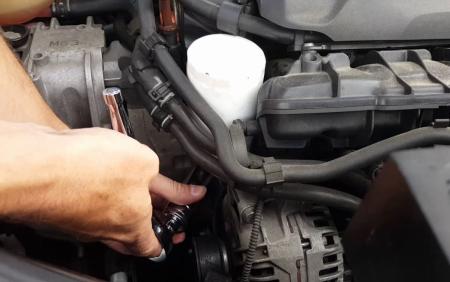
The exhaust emission light, commonly recognized by the engine-shaped warning symbol on the dashboard, indicates that the vehicle's engine management system has ...
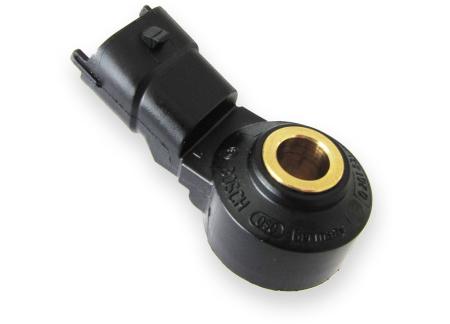
A knock sensor is an important component of the engine management system. It detects abnormal combustion, commonly known as engine knock or detonation, and send...
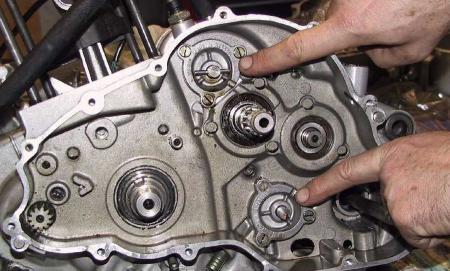
The camshaft position sensor is an important part of the engine management system. It monitors the position and rotational speed of the camshaft and sends this ...
The oil pressure sensor is an important component of the engine lubrication system. Its main job is to monitor the oil pressure inside the engine and send this ...
The airbag warning light is one of the most important warning lights on a vehicle's dashboard. It indicates that the Supplemental Restraint System (SRS), which ...
The oil pump is one of the most important components of an engine's lubrication system. Its main job is to circulate engine oil under pressure so that critical ...
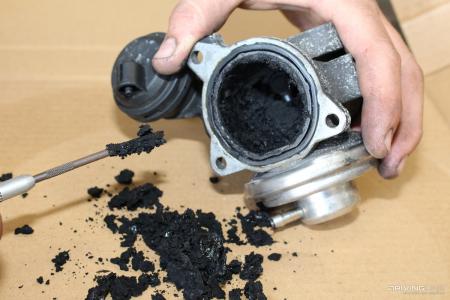
The EGR valve is an important component of the exhaust emission control system used in many gasoline and diesel engines. EGR stands for Exhaust Gas Recirculatio...
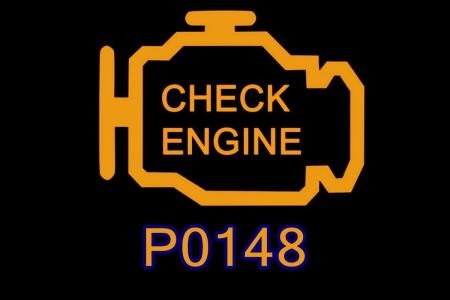
The P0148 trouble code means that the engine control module (ECM/PCM) has detected a fuel delivery problem....
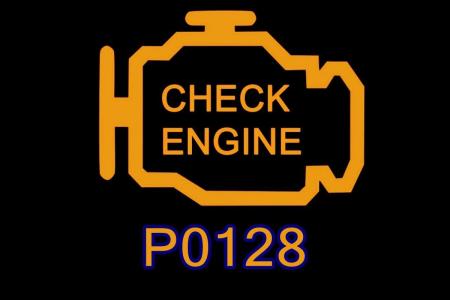
P0128 is an OBD-II diagnostic trouble code indicating that the engine control module (ECM/PCM) has determined that the engine coolant temperature is not reachin...
P0127 is an OBD-II diagnostic trouble code that means the engine control module (ECM/PCM) has detected an intake air temperature that is higher than the expecte...
P0100 is an OBD-II diagnostic trouble code indicating that the engine control module (ECM/PCM) has detected a malfunction in the Mass Air Flow (MAF) Sensor “A” ...
A healthy engine produces a certain amount of mechanical noise while running. However, if the engine suddenly becomes louder, develops a ticking, knocking, ratt...
 TR
TR EN
EN