One of the most common concerns about LPG-powered vehicles is the safety of the LPG tank. Especially when accidents, fires, high temperatures, or physical damag...
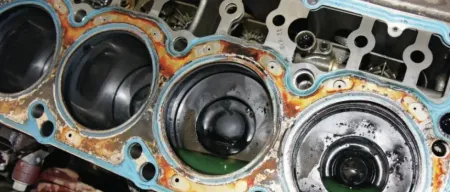
The head gasket is one of the most important sealing components inside an engine. It sits between the engine block and cylinder head and separates the combustio...
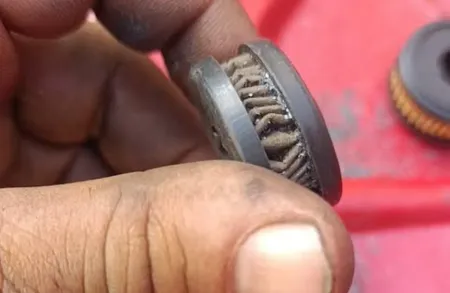
The LPG filter is a small but important component of an LPG fuel system. Its main purpose is to help prevent dirt, oil residues, and other contaminants from rea...
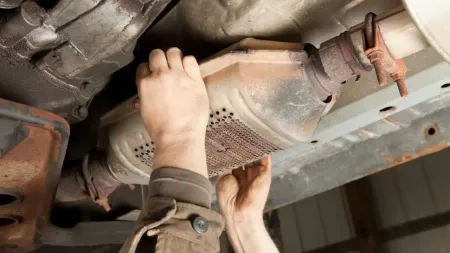
A catalytic converter is an important component of a vehicle’s exhaust system. Its main purpose is to reduce harmful exhaust emissions by converting certain pol...
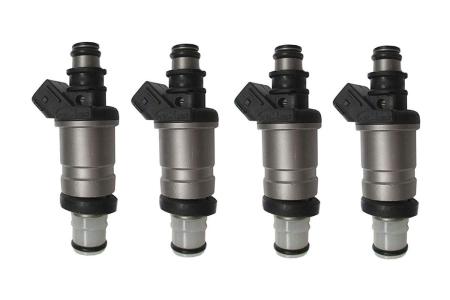
A fuel injector is one of the key components of a modern engine’s fuel system. Its job is to deliver a precisely controlled amount of fuel into the engine at th...
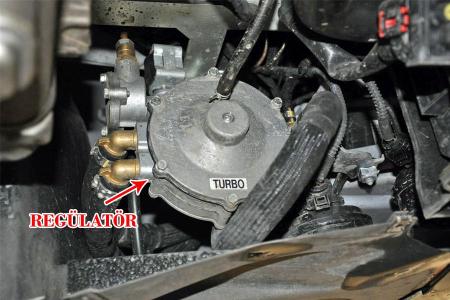
An LPG regulator is one of the most important components in a vehicle's LPG fuel system. Its primary purpose is to reduce the high pressure of LPG coming from t...
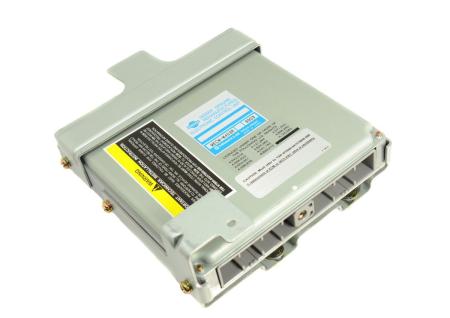
An ECU (Electronic Control Unit) is one of the most important electronic components in a modern vehicle. In simple terms, it is the computer that monitors engin...
EBD (Electronic Brakeforce Distribution) is an electronic braking system that helps distribute braking force between the vehicle's wheels according to driving c...
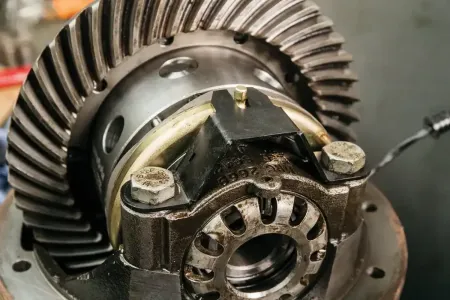
EDL (Electronic Differential Lock) is an electronic driving-assistance system designed to improve traction when one of the driven wheels begins to spin signific...
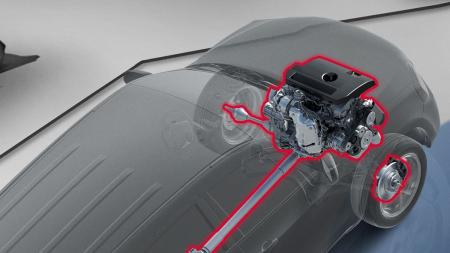
The Anti-Slip Regulation (ASR) system is an electronic vehicle safety system designed to prevent the driven wheels from spinning excessively during acceleration...
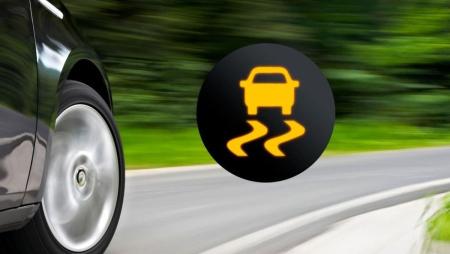
The Electronic Stability Program (ESP) is an active safety system designed to reduce the risk of skidding, loss of control, and vehicle instability during corne...
Horsepower is one of the most commonly used measurements of an engine's performance. It indicates how much power an engine can produce over a given period of ti...
 TR
TR EN
EN