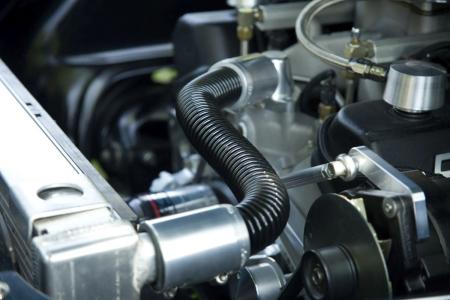
Air in the cooling system is a common problem that can reduce cooling efficiency and cause unstable engine temperatures. A cooling system is designed to circula...
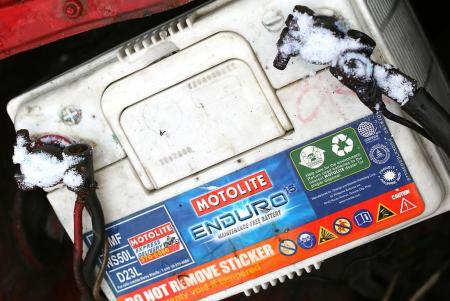
The car battery is one of the most important components of a vehicle's electrical system. It provides the electrical energy required to start the engine and sup...
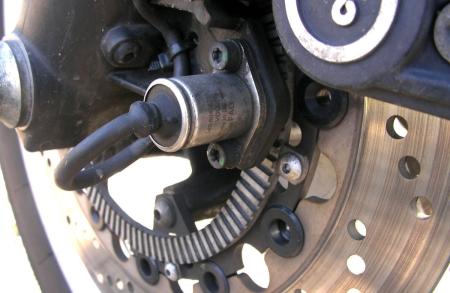
The ABS sensor is one of the most important components of a vehicle’s braking and safety systems. It continuously monitors the rotational speed of each wheel an...
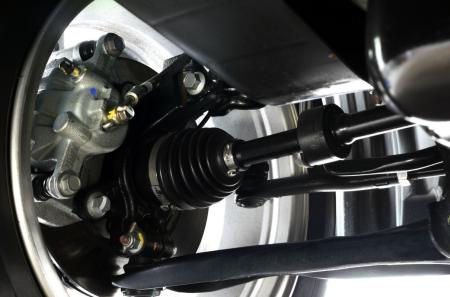
The axle shaft is one of the key components that transfers engine torque to the driven wheels. It works between the differential and the wheels, allowing the ve...
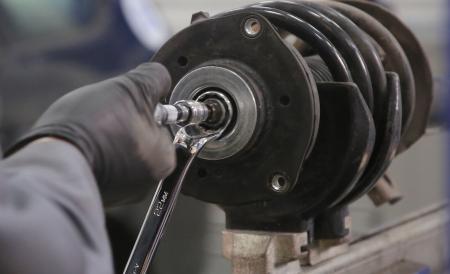
The strut mount is an important suspension component located at the upper connection point of a strut assembly. It connects the suspension strut to the vehicle ...
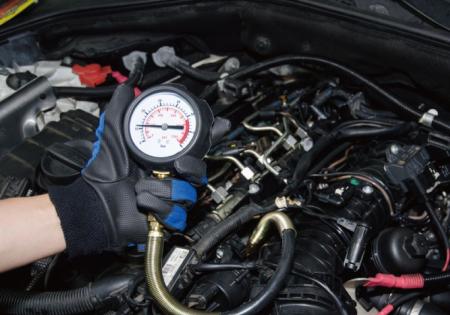
A compression test is one of the most useful diagnostic tests for determining the mechanical condition of an internal combustion engine. It measures the pressur...
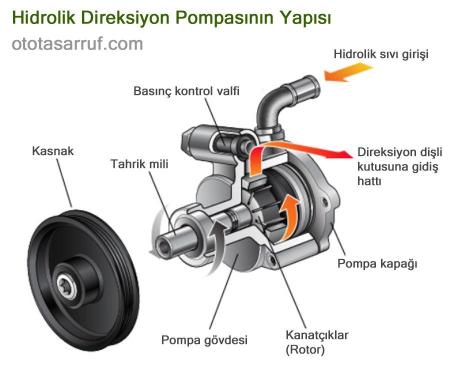
The power steering pump is one of the main components responsible for making the steering wheel easier to turn. In vehicles equipped with a hydraulic power stee...
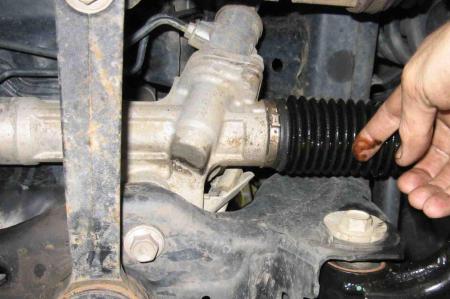
The steering rack is one of the most important components of a vehicle's steering system. It transfers the driver's steering input to the front wheels and allow...
Car windows can fog up when warm, moisture-filled air comes into contact with a colder glass surface. The moisture in the cabin air condenses on the inside or o...
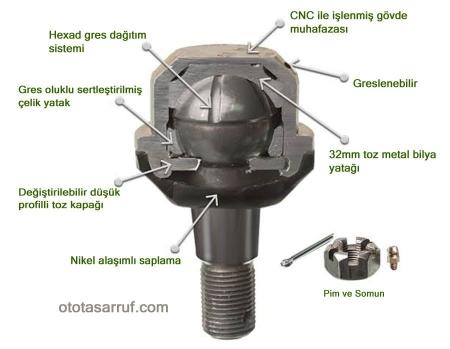
A ball joint is an important component of a vehicle's suspension and steering system. It connects the suspension control arm to the steering knuckle while allow...
A car heater is expected to blow warm air when the engine reaches operating temperature. If the heater continues blowing cold or only slightly warm air, the pro...
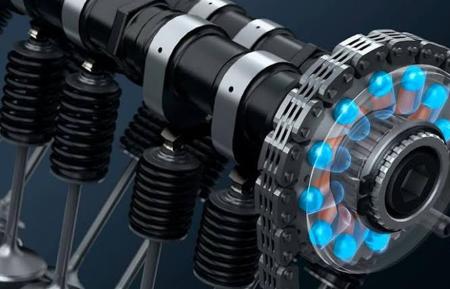
Engine timing, commonly called timing alignment, refers to correctly synchronizing the crankshaft, camshaft, and in some engines the fuel injection system so th...
 TR
TR EN
EN