TR
TR EN
EN

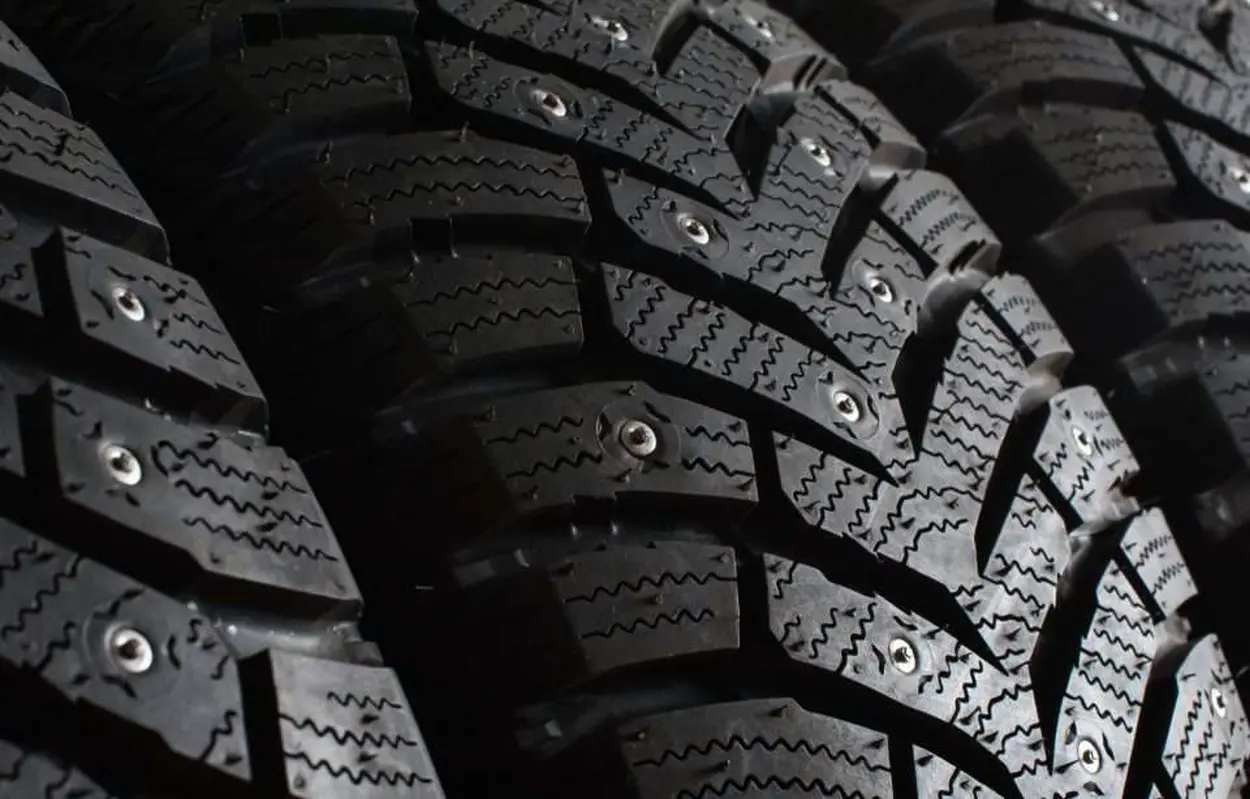
What Are Studded Tires? When Are They Used?
Studded tires are a type of winter tire designed to improve traction on icy and heavily compacted winter roads by using specially installed metal studs in the tread.
Unlike conventional winter tires, which rely primarily on their rubber compound, tread pattern, and sipes for traction, studded tires also use metal studs to mechanically grip hard surfaces such as ice.
This makes them particularly useful in areas where roads remain icy or covered with compacted snow for long periods during winter.
However, studded tires are not automatically the best choice for every winter condition. Their main advantage appears on ice and hard-packed winter surfaces, while their benefits are much less significant on dry or wet asphalt.
How Do Studded Tires Work?
The basic operating principle is different from that of a conventional tire.
A standard winter tire relies on several characteristics to maintain traction, including:
-
Rubber compound
-
Tread pattern
-
Sipes
-
Tire pressure
-
Contact patch
A studded tire uses all of these features while adding metal studs to the tread.
When the tire travels over ice, the rubber alone may not provide enough traction. The metal studs can penetrate or grip the hard icy surface and create a mechanical connection between the tire and the road.
This can significantly improve traction under suitable icy conditions.
Why Are the Studs Made of Metal?
The purpose of a stud is to provide mechanical grip against a hard surface.
Therefore, the stud must be sufficiently durable and resistant to wear.
The design of a stud involves more than simply choosing a piece of metal. Manufacturers consider:
-
Stud shape
-
Stud size
-
Mounting structure
-
Amount of stud protrusion
-
Stud placement
-
Distribution across the tread
Having studs that protrude farther from the tire does not automatically mean better traction.
Excessive protrusion can increase road noise and road surface wear without necessarily providing a proportional improvement in grip.
What Is the Difference Between Studded and Regular Winter Tires?
Both types are designed for winter driving, but they use different methods to generate traction.
A conventional winter tire uses a softer cold-weather rubber compound and a tread pattern designed to maintain grip in cold temperatures, snow, and changing road conditions.
A studded tire adds metal studs to this design.
This can give studded tires a significant advantage on hard ice compared with non-studded winter tires.
However, when the road is dry or wet asphalt, the mechanical advantage of the studs becomes much less important.
When Are Studded Tires Used?
Studded tires are primarily intended for areas where frequent and prolonged icing occurs.
They can be particularly useful on:
-
Regularly icy roads
-
Hard-packed snow
-
Frozen roads
-
Roads exposed to long periods of sub-freezing temperatures
-
Mountain roads
-
High-elevation areas
-
Roads where winter ice remains for extended periods
-
Areas where snow and ice removal is limited
The important factor is not simply low air temperature.
For example, temperatures below freezing do not automatically mean that studded tires are necessary.
If the roads are mostly dry and clear, the main advantage of studs may not be available.
Can Studded Tires Be Used on Dry Asphalt?
Yes, a vehicle can physically be driven on dry asphalt with studded tires, but this is not the surface where they provide their greatest advantage.
On dry asphalt:
-
Studs can create additional road noise.
-
Road surface wear can increase.
-
Steering feel can be different.
-
Stud wear can increase.
-
The mechanical advantage of the studs is largely absent.
Therefore, if roads remain mostly dry or clear throughout winter, studded tires may not be the most appropriate choice.
Are Studded Tires Better on Wet Roads?
The main advantage of studded tires is ice traction, not wet-asphalt traction.
On wet asphalt, the tire's rubber compound and tread design are primarily responsible for maintaining grip.
Metal studs cannot penetrate wet asphalt in the same way that they can interact with ice.
Therefore, using studded tires does not automatically mean better traction on a wet but non-icy road.
Are Studded Tires Good on Snow?
The type of snow matters.
Fresh, soft snow depends heavily on the tire's tread pattern and sipe design.
Hard-packed and frozen snow can provide conditions where studs become more useful.
Therefore, saying that studded tires are always better on snow is too simplistic.
Their greatest advantage is generally found on hard ice and compacted winter surfaces.
Do Studded Tires Reduce Braking Distance?
Under suitable conditions, studded tires can improve braking performance.
On hard ice, the mechanical grip provided by the studs can help reduce tire sliding.
However, braking distance depends on many factors, including:
-
Road surface
-
Ice temperature
-
Snow condition
-
Vehicle weight
-
Vehicle speed
-
Tire pressure
-
Tire condition
-
ABS operation
-
Brake system condition
-
Ambient temperature
Therefore, studded tires do not guarantee a short braking distance on every icy surface.
Do Studded Tires Improve Cornering?
Studded tires can provide a significant advantage when cornering on icy roads.
During cornering, lateral tire grip becomes particularly important.
On ice, the available friction between the rubber and road can be extremely low. This can cause understeer or oversteer if the vehicle exceeds the available traction.
Under appropriate conditions, studs can help the tire mechanically grip the icy surface.
However, studded tires do not eliminate the laws of physics.
A vehicle traveling too quickly into an icy corner can still lose control even with studded tires.
What Are the Disadvantages of Studded Tires?
Studded tires also have several disadvantages.
Road noise
The metal studs can create noticeable noise when traveling over asphalt.
Road surface wear
Metal studs can contribute to increased wear of asphalt surfaces, particularly when roads are dry.
Legal restrictions
Some countries and regions restrict the use of studded tires by season, date, location, or road conditions.
Limited benefit on dry surfaces
When there is no ice, the primary mechanical advantage of the studs is greatly reduced.
Stud and tire wear
The studs and the areas surrounding them can wear over time depending on driving conditions.
Can Studded Tires Be Used Everywhere?
No.
The legal requirements for studded tires vary between countries and, in some cases, between individual regions.
Some areas permit their use only during specific months, while others impose restrictions based on road conditions or local regulations.
Therefore, local regulations should always be checked before purchasing or installing studded tires.
This is particularly important for vehicles used primarily in urban areas.
When Should Studded Tires Be Installed?
Installation should not be determined solely by the calendar.
Actual road conditions are more important.
Studded tires may make sense when a region regularly experiences:
-
Icy roads
-
Freezing conditions
-
Hard-packed snow
-
Prolonged low temperatures
If most roads remain clear and dry throughout winter, conventional winter tires may be more appropriate.
When Should Studded Tires Be Removed?
Studded tires should not be used unnecessarily on dry and warm roads after the period of severe winter conditions has ended.
As temperatures rise and the likelihood of ice decreases, the main advantage of the studs also decreases.
Extended use on dry asphalt can also increase unnecessary wear on both the studs and the tire.
Local regulations should also be considered when determining when studded tires must be removed.
Should Studded Tires Be Installed on All Four Wheels?
For modern vehicles, using compatible winter tires on all four wheels is important for maintaining balanced handling.
Installing studded tires only on the driven axle while using a different tire type on the other axle can significantly change the vehicle's handling balance.
For example, installing higher-grip tires only on the front axle can create a major difference in available traction between the front and rear.
Similarly, using higher-grip tires only on the rear axle can change cornering behavior.
For this reason, the vehicle manufacturer's recommendations and the tire manufacturer's guidelines should be followed.
Are Studded Tires Necessary on AWD Vehicles?
All-wheel drive can improve the vehicle's ability to transfer engine power to the road, particularly during acceleration.
However, AWD does not provide unlimited traction on ice.
Even if engine torque is distributed to all four wheels, braking and cornering still depend on the available grip between the tires and road.
An AWD or 4WD vehicle can therefore still benefit from appropriate winter tires in areas where severe icing occurs.
What Should You Consider When Driving With Studded Tires?
Studded tires should not be treated as a substitute for careful winter driving.
On icy roads:
-
Reduce speed.
-
Increase following distance.
-
Avoid sudden steering inputs.
-
Anticipate braking situations early.
-
Maintain the tire pressure specified by the vehicle manufacturer.
-
Inspect the condition of the studs regularly.
The important point is that studs do not eliminate the limitations of physics.
They can increase available traction, but excessive speed on ice can still cause the vehicle to lose control.
Studded Tires Are Not the Same as Snow Chains
Studded tires and snow chains use different methods to improve winter traction.
Studded tires have metal studs permanently integrated into the tire tread and are designed to be used as a complete tire.
Snow chains are external traction devices installed around the tire when additional grip is required.
Chains can provide extremely strong traction in certain deep-snow and severe winter conditions.
However, chains also have specific speed limitations and usage requirements.
For this reason, studded tires, winter tires, and snow chains should not be considered direct substitutes for one another.
Who Should Use Studded Tires?
Studded tires are particularly suitable for drivers who regularly travel on roads that experience significant icing during winter.
They can be valuable on:
-
Rural roads that remain icy
-
Mountain roads
-
High-elevation routes
-
Areas with frequent freezing conditions
-
Roads where compacted snow and ice remain for long periods
On the other hand, drivers who spend most of the winter on:
-
Dry asphalt
-
Wet asphalt
-
Cleared roads
may not benefit enough from studs to justify their disadvantages.
What Should You Look for When Buying Studded Tires?
Choosing a studded tire should involve more than looking at the price or the number of studs.
Consider:
-
Overall winter performance
-
Ice traction
-
Snow performance
-
Wet-road behavior
-
Dry-road behavior
-
Stud design
-
Tire production date
-
Correct tire size
-
Load index
-
Speed rating
-
Local climate
-
Local regulations
Even tires with the same dimensions can have significantly different characteristics depending on their tread design and construction.
Are Studded Tires Really Necessary?
The answer depends entirely on the environment in which the vehicle is used.
In regions where roads regularly become icy and hard-packed snow remains for long periods, studded tires can provide an important traction advantage.
However, if most winter driving takes place on clean asphalt, the primary benefit of the studs may rarely be used. In those conditions, a high-quality non-studded winter tire may be a more appropriate solution.
The key point is that studded tires are not simply better tires for every type of cold weather.
Their main purpose is to provide additional mechanical traction on ice and hard-packed winter surfaces.
Therefore, when choosing between studded and non-studded winter tires, the most important question is not simply:
“How cold does it get?”
A better question is:
“What type of road surface will the vehicle actually be driving on during winter?”