TR
TR EN
EN

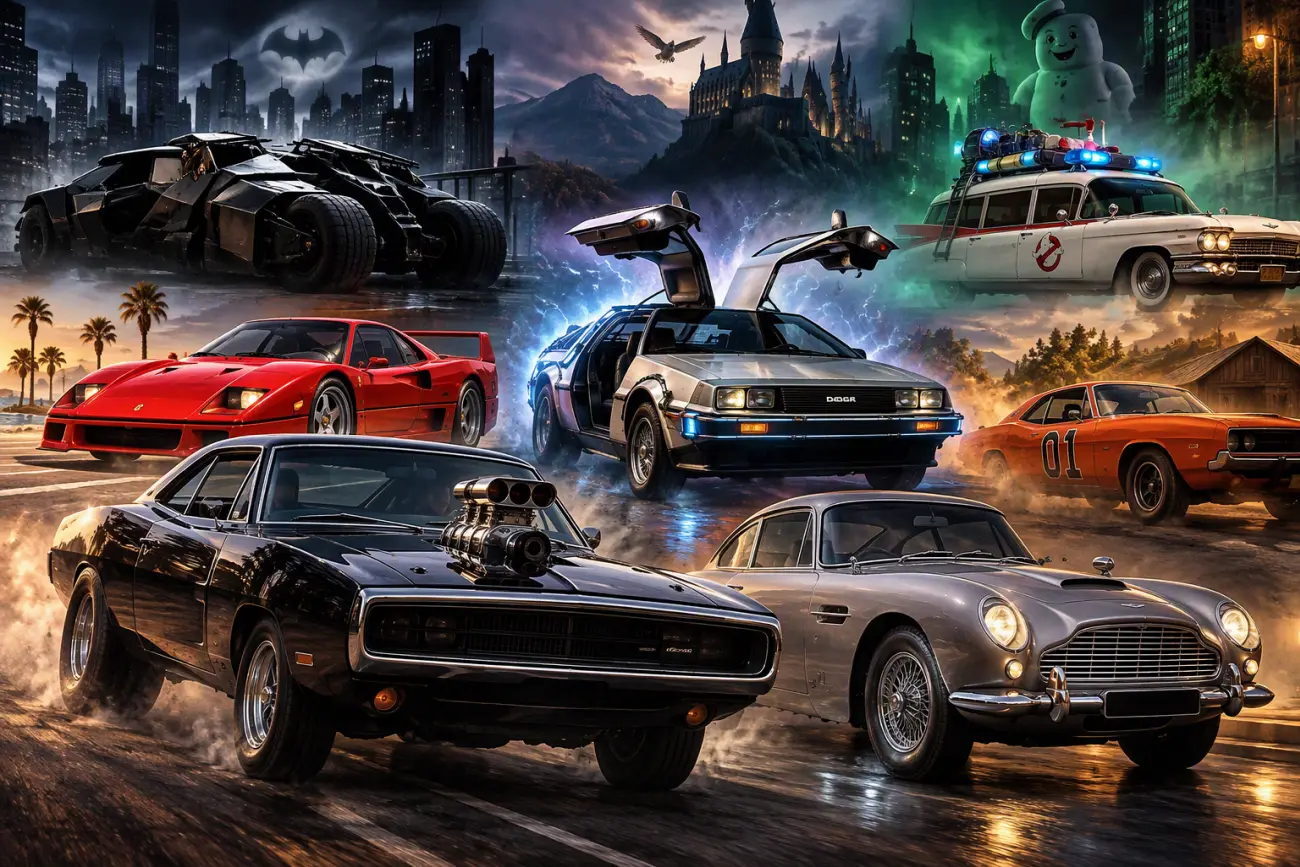
Iconic Cars Featured in Movies and TV Series
Some cars are remembered for their design, performance, or engineering. Others become famous for an entirely different reason: they become part of a movie or television series.
Over the years, cinema and television have introduced audiences to cars that eventually became cultural icons. In some cases, people remember the car almost as much as the character who drove it. A few of these automobiles became so strongly associated with their films that simply seeing the car is enough to bring an entire movie to mind.
So, which cars have become legendary through movies and TV series?
Aston Martin DB5 – James Bond
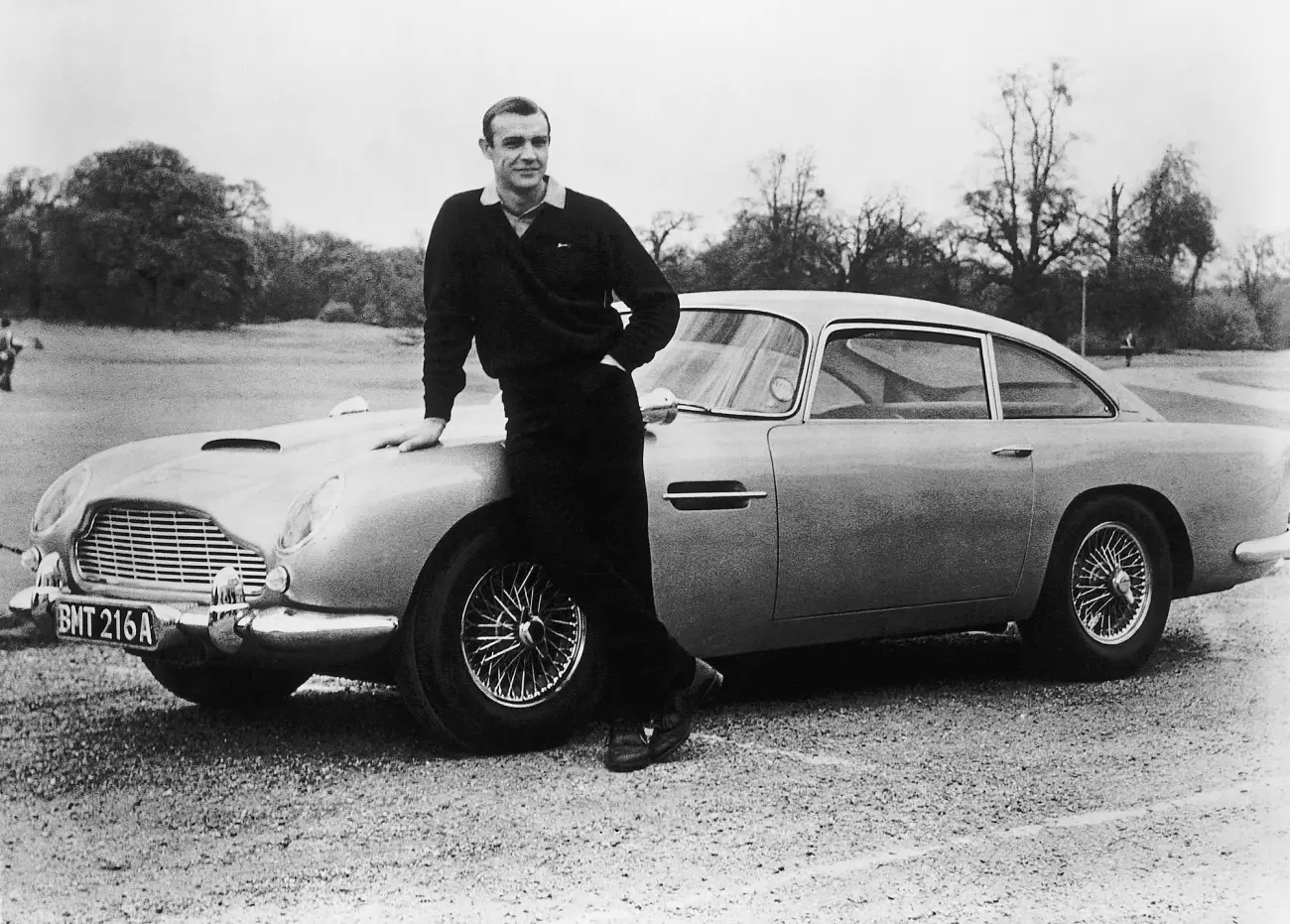
Few movie cars are as recognizable as the Aston Martin DB5.
The DB5 became closely associated with James Bond after appearing in the 1964 film Goldfinger. Equipped with fictional gadgets such as machine guns, an ejector seat, and a rotating license plate, the car became an important part of Bond's image.
The real Aston Martin DB5 was already an impressive grand tourer, but its appearance in the James Bond films transformed it into one of the most famous cars in popular culture.
The DB5 has continued to appear in later Bond films, making it one of the longest-lasting automotive symbols in cinema history.
DeLorean DMC-12 – Back to the Future
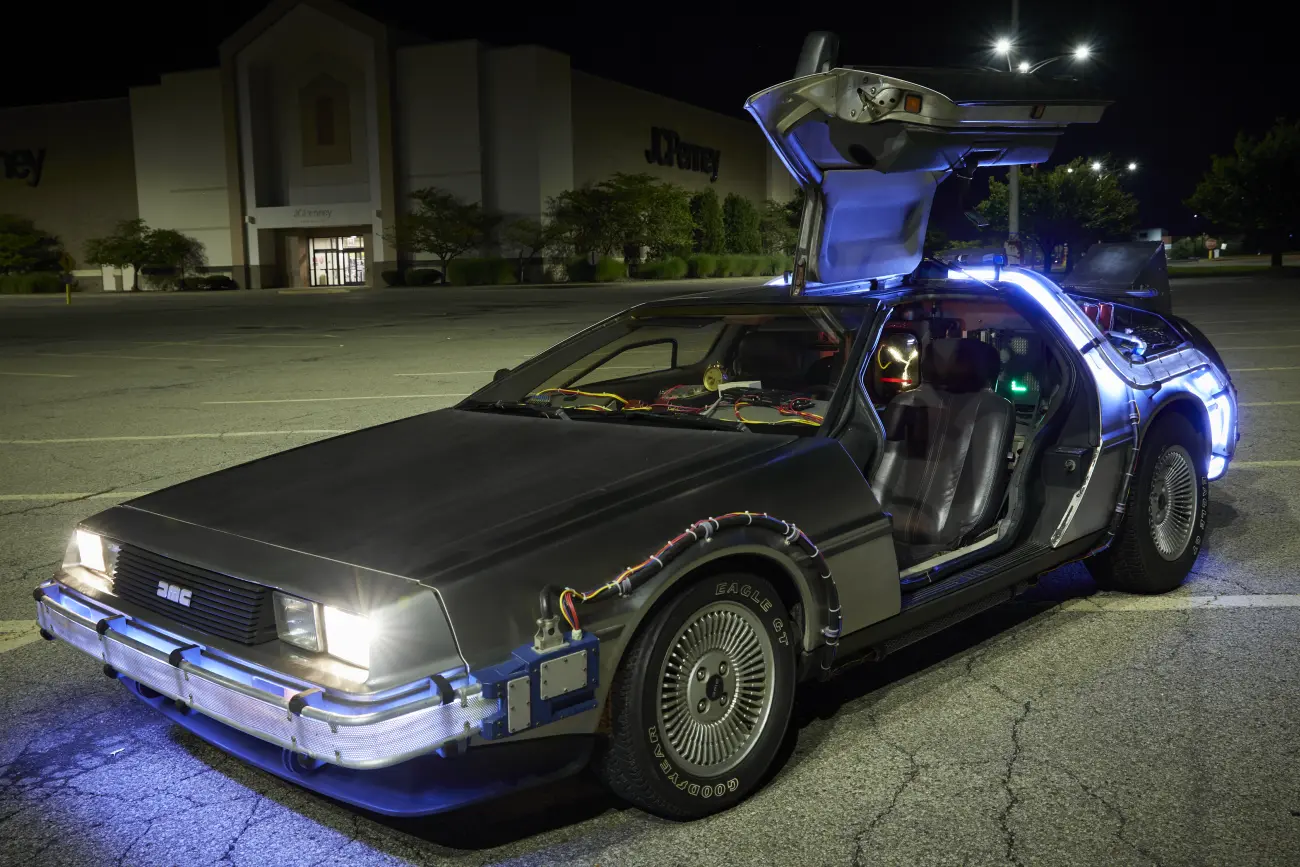
The DeLorean DMC-12 was not a huge commercial success when it was produced, but its place in automotive history was secured by Back to the Future.
In the film, the DeLorean is transformed into a time machine by Doc Brown. Its stainless-steel body, gull-wing doors, and futuristic appearance made it a perfect choice for the role.
The car became so closely associated with the film that today, many people immediately think of time travel when they see a DeLorean.
Volkswagen Beetle – Herbie
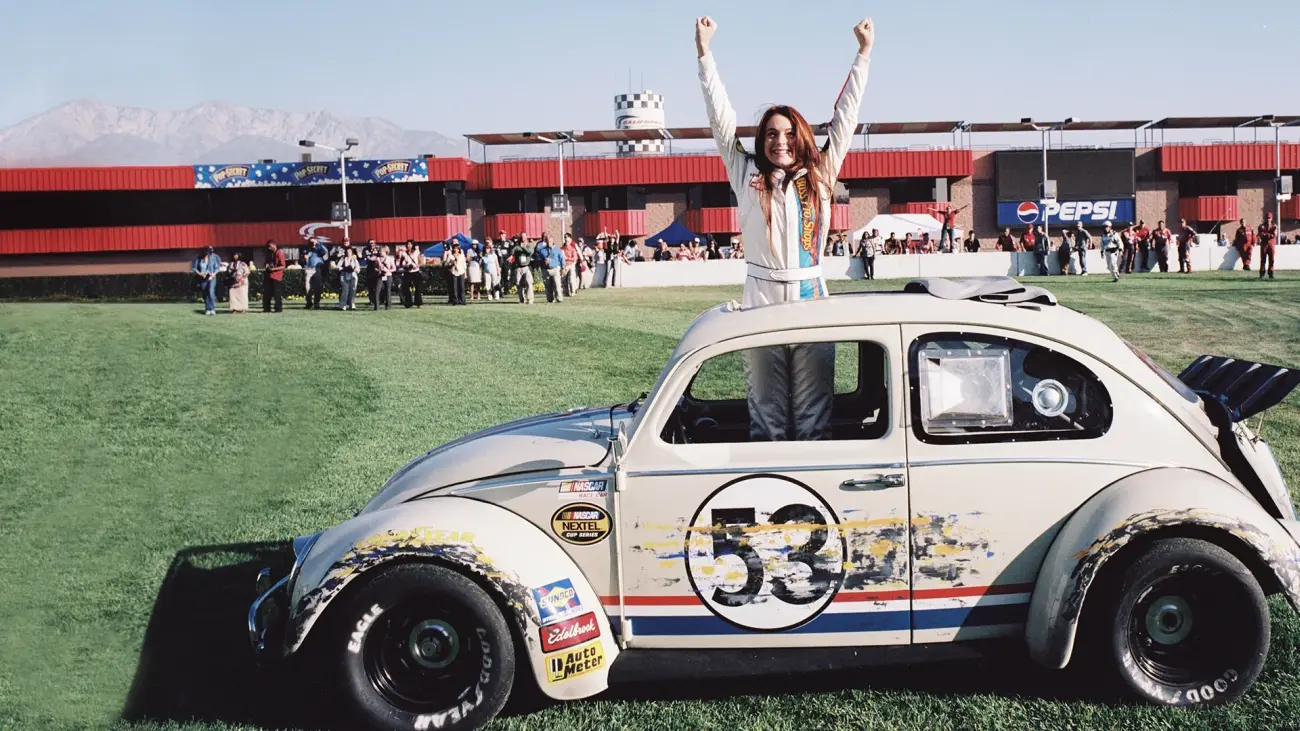
The Volkswagen Beetle became a movie star thanks to Herbie, the little white Beetle with racing number 53.
Herbie was presented as a car with its own personality and appeared in several movies and television productions.
Unlike many famous movie cars, Herbie did not rely on extreme performance or futuristic technology. Its popularity came largely from its character and charming appearance.
The films helped make the Beetle even more recognizable to audiences around the world.
Dodge Charger R/T – The Dukes of Hazzard
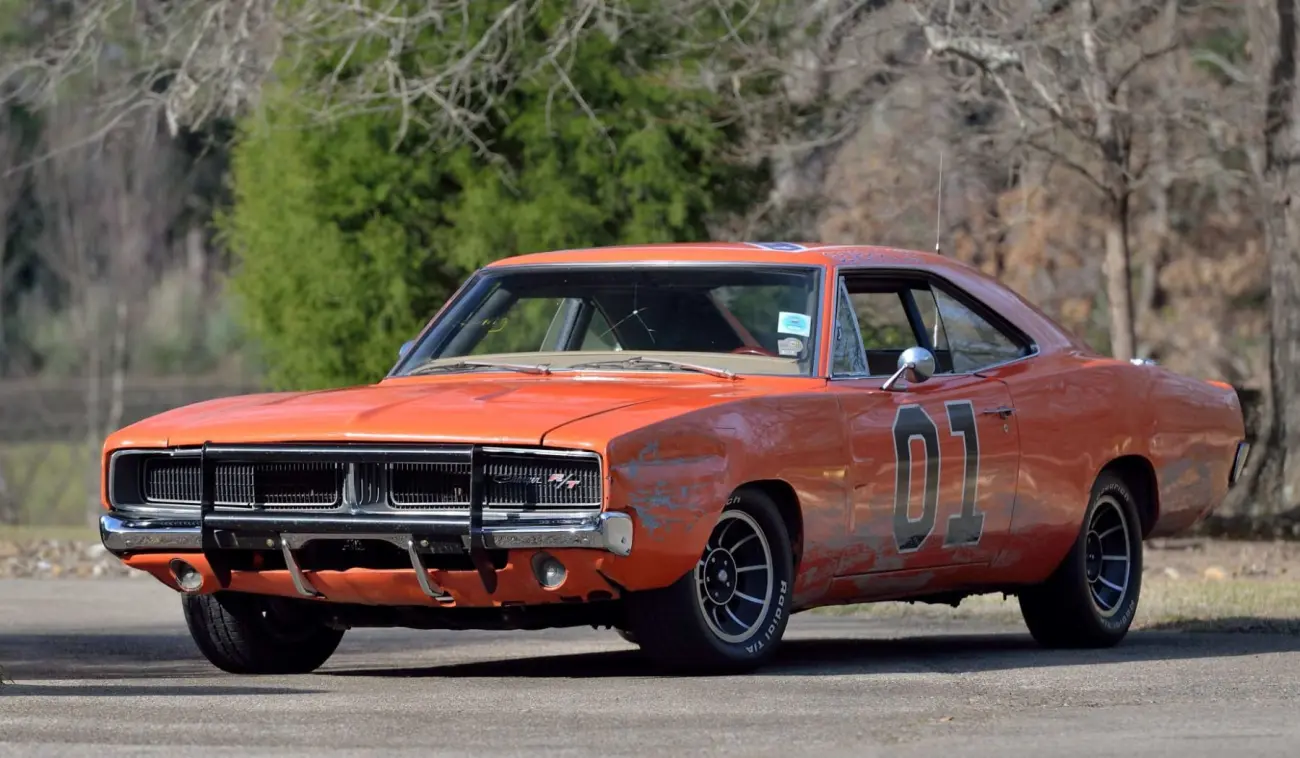
The 1969 Dodge Charger R/T became one of television's most recognizable muscle cars through The Dukes of Hazzard.
Known as the General Lee, the bright orange Charger was famous for its high-speed chases and spectacular jumps.
The car represented the classic American muscle-car era and became an important part of the show's identity.
For many viewers, the image of an orange Charger jumping over a road became inseparable from the series.
Pontiac Trans Am – Knight Rider
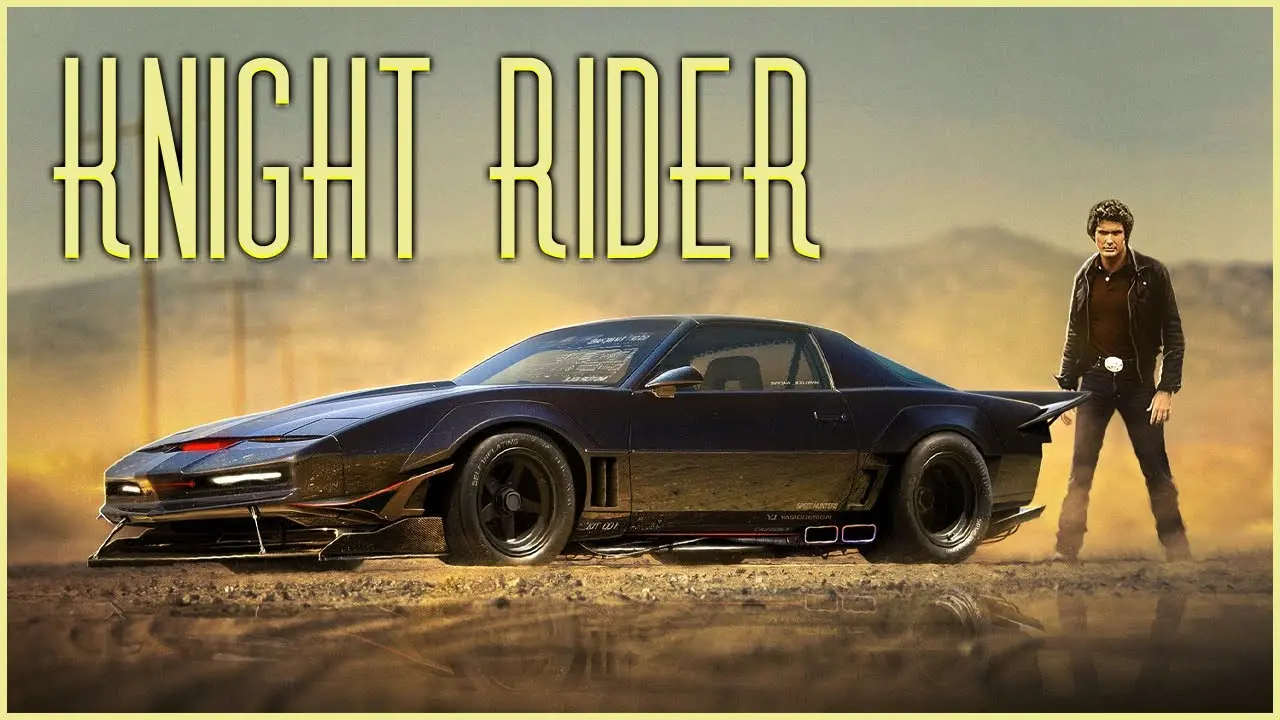
The Pontiac Trans Am became a television legend through Knight Rider.
The car, known as KITT, was presented as an intelligent vehicle capable of communicating with its driver, analyzing situations, and performing advanced tasks.
The black Pontiac Trans Am's futuristic design and electronic features made it one of the most memorable television cars of the 1980s.
KITT also introduced many viewers to the idea of a car functioning as more than just transportation.
Ford Mustang GT 390 – Bullitt
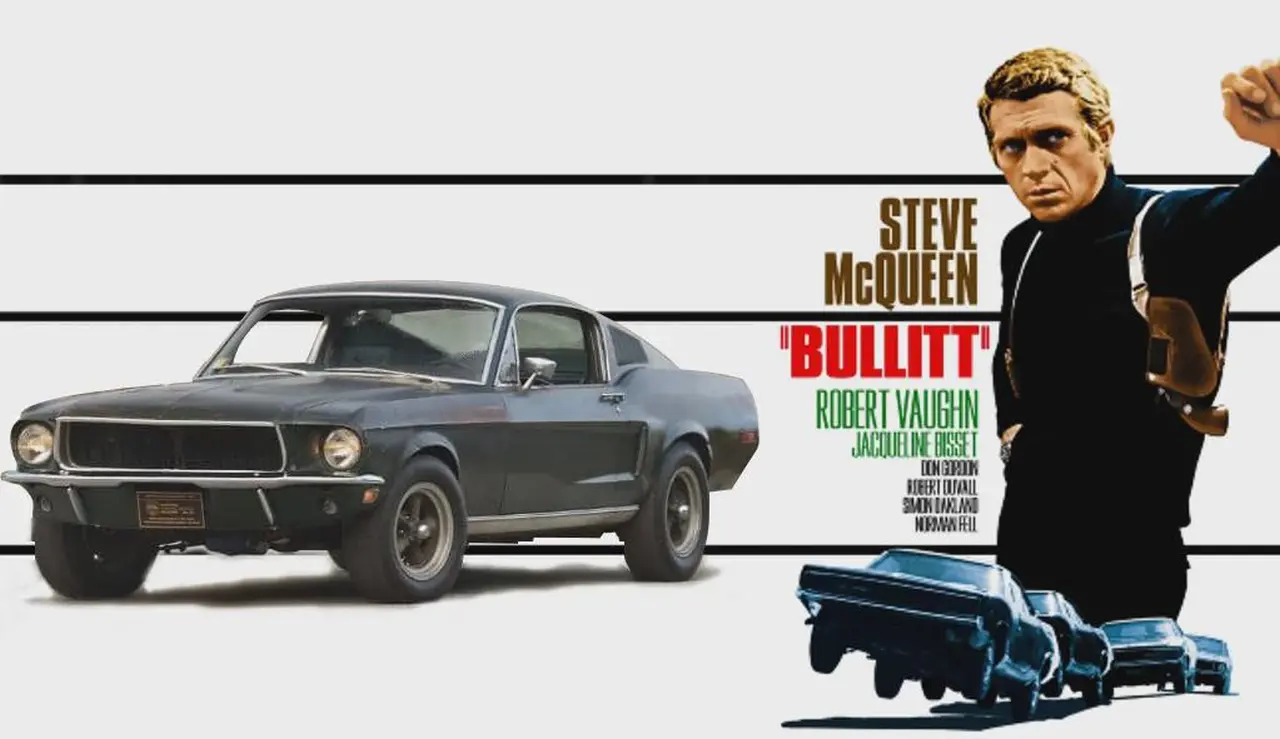
The 1968 Ford Mustang GT 390 became legendary thanks to the movie Bullitt, particularly because of its famous chase sequence through the streets of San Francisco.
Steve McQueen's character drives the dark green Mustang during one of cinema's most celebrated car chases.
The sequence helped establish the Mustang as a symbol of American performance and contributed significantly to the car's cultural image.
The Bullitt Mustang has remained an important part of the Mustang's history ever since.
Mini Cooper – The Italian Job
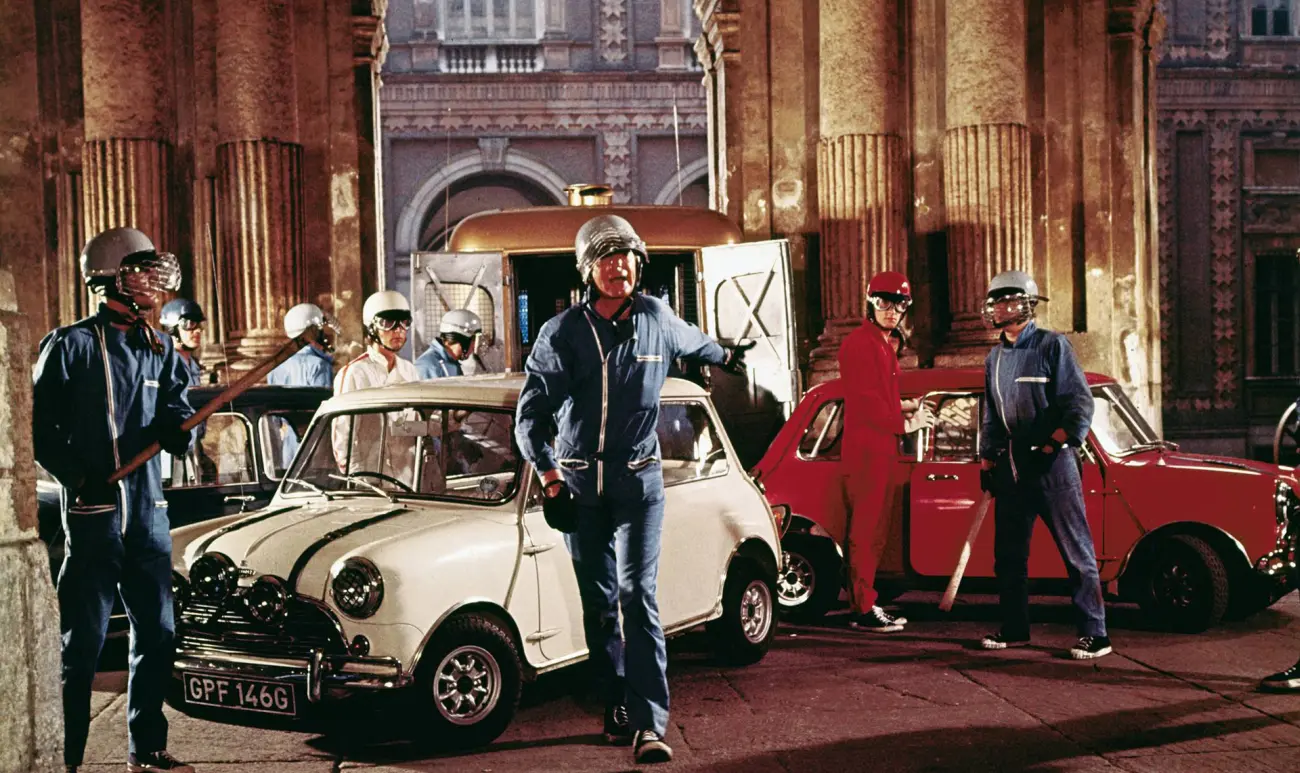
The Mini Cooper demonstrated that a small car could become the star of a major action sequence.
In The Italian Job, several Mini Coopers are used during an elaborate gold heist and escape. Their compact dimensions become an advantage as they move through narrow streets, stairways, tunnels, and crowded urban environments.
The film helped reinforce the Mini's image as a small but highly capable and entertaining car.
Ford Mustang – Eleanor / Gone in 60 Seconds
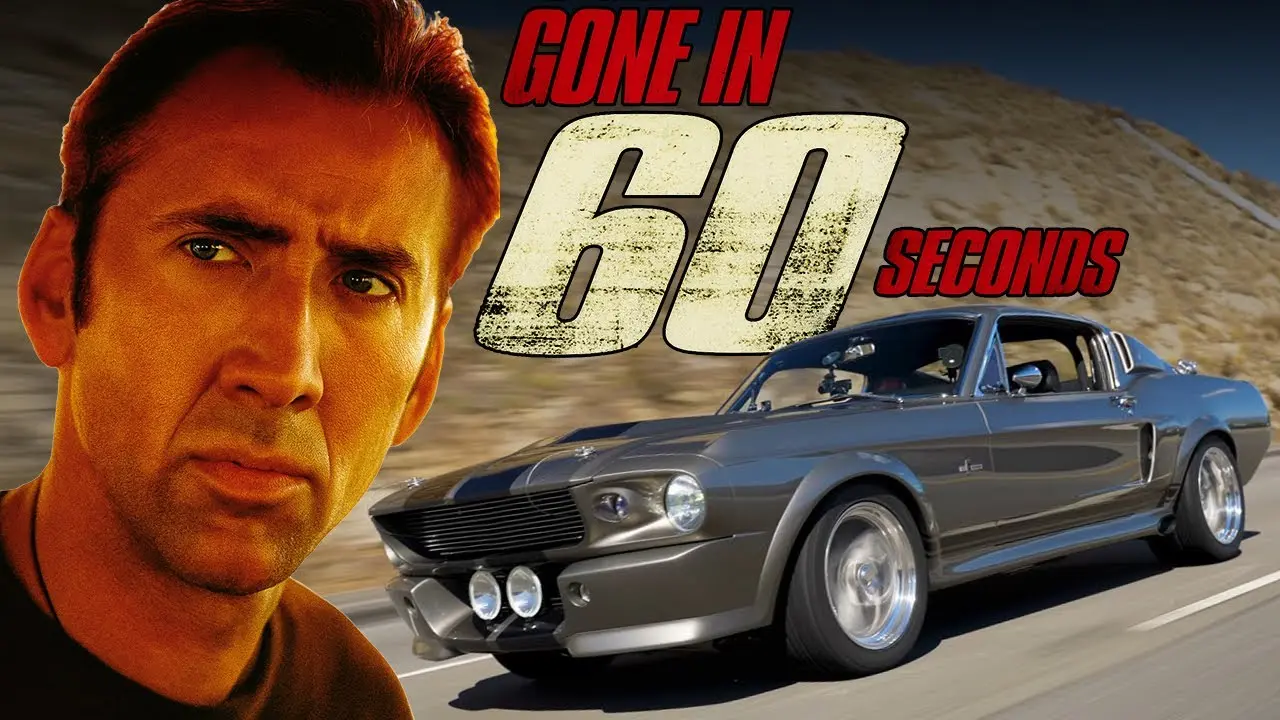
Another famous Mustang appeared in Gone in 60 Seconds.
The modified 1967 Shelby Mustang, known as Eleanor, became one of the most recognizable movie cars of the modern era.
Its aggressive styling, gray finish, and dramatic presence made Eleanor a favorite among automotive enthusiasts.
The name Eleanor eventually became almost as recognizable as the car itself.
Toyota Supra Mk4 – The Fast and the Furious
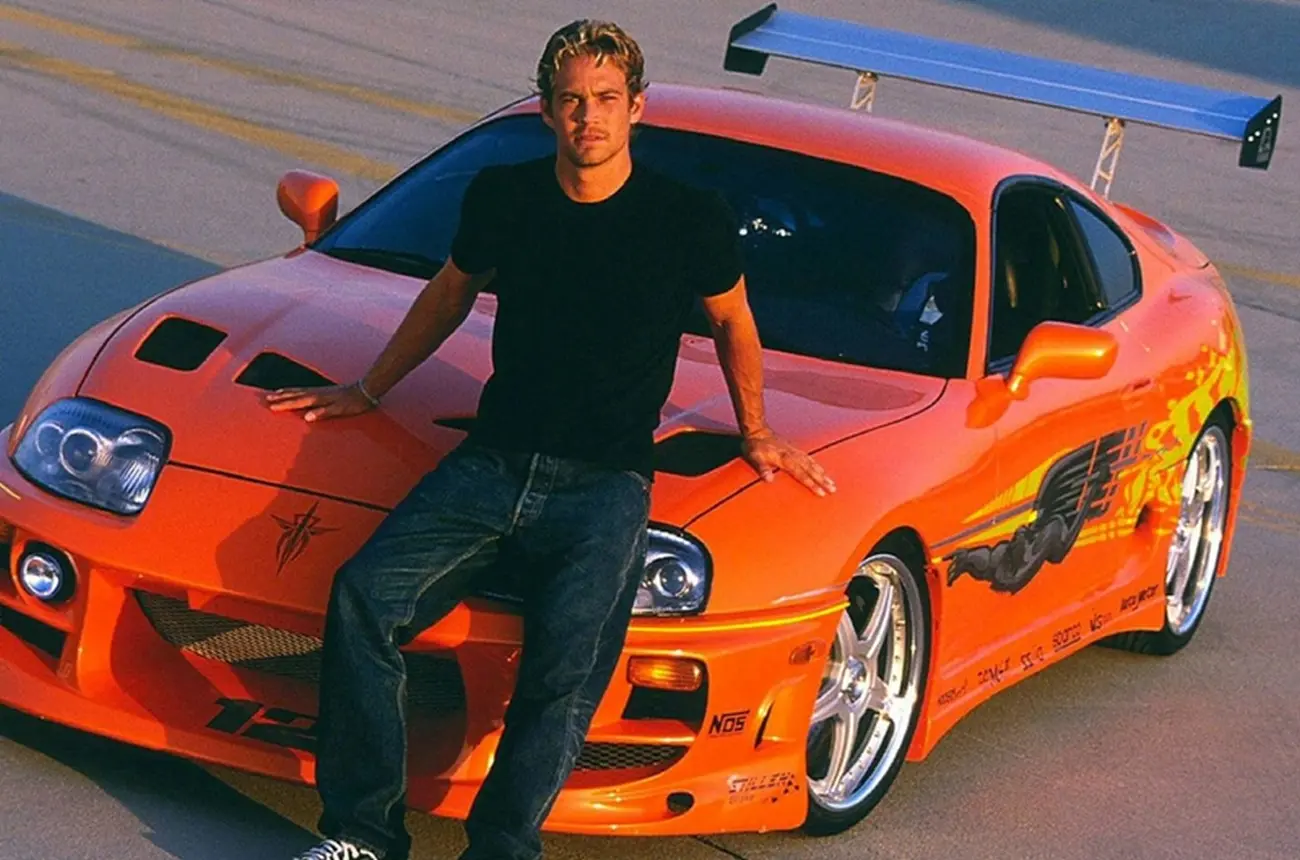
The fourth-generation Toyota Supra became a global automotive icon after appearing in The Fast and the Furious.
The orange Supra driven by Brian O'Conner became one of the defining cars of the franchise.
The movie introduced the Supra to a much wider audience and helped increase interest in Japanese performance cars and the tuning scene.
Today, the Mk4 Supra is one of the most sought-after Japanese sports cars, and its connection with the film franchise remains a major part of its cultural identity.
Mazda RX-7 – The Fast and the Furious
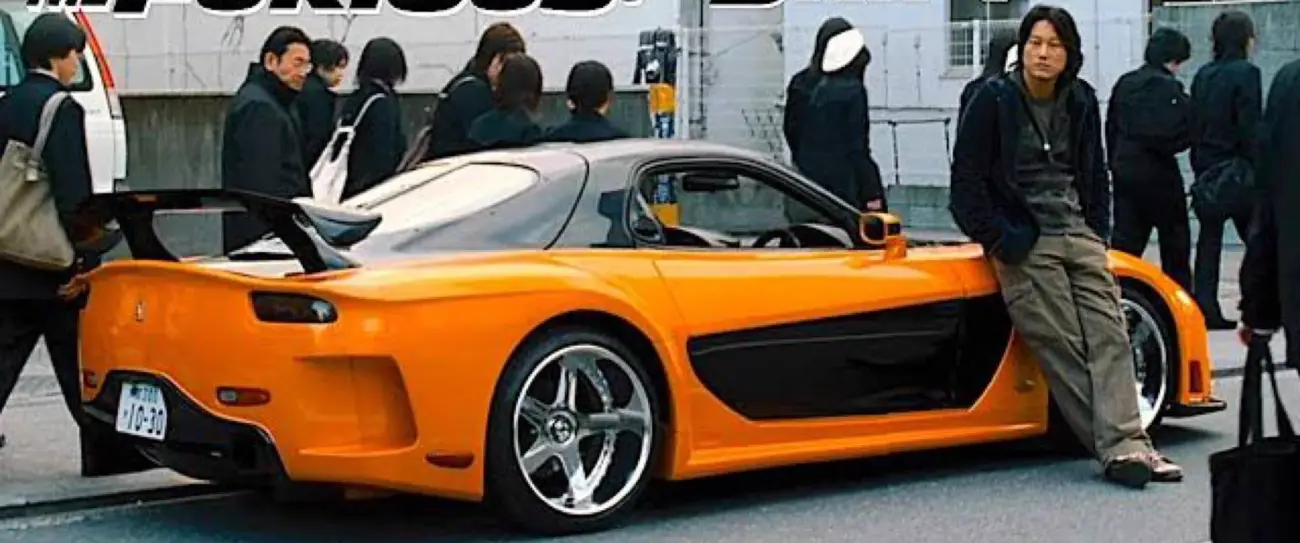
The Mazda RX-7 also played an important role in the first The Fast and the Furious movie.
Its distinctive rotary engine, lightweight construction, and tuning potential made the RX-7 a natural fit for the film's modified-car culture.
The movie helped introduce the car to audiences who may previously have been unfamiliar with Mazda's rotary-powered sports cars.
Dodge Charger – The Fast and the Furious
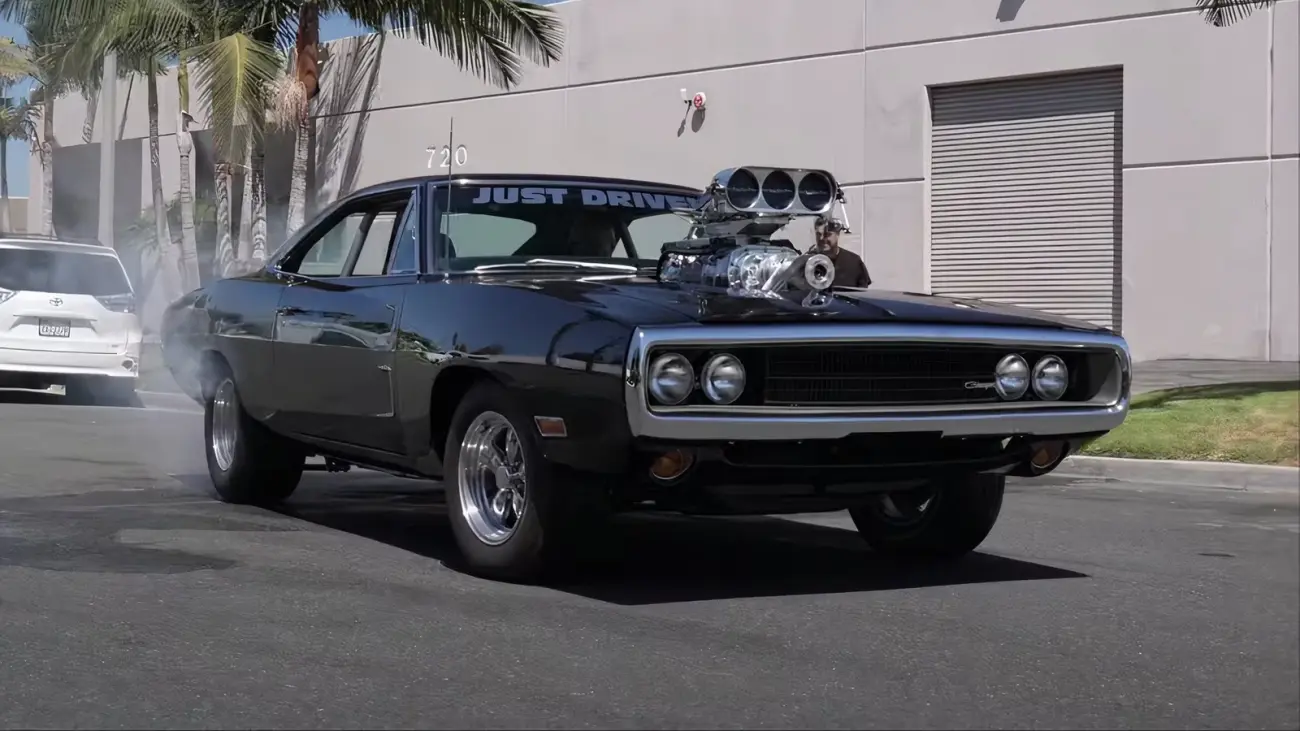
The classic Dodge Charger driven by Dominic Toretto became another symbol of the franchise.
Unlike the highly modified Japanese cars featured in the series, the Charger represented traditional American muscle.
Its powerful V8 engine, aggressive appearance, and connection with Dominic's character gave the car a unique role in the franchise.
The Charger eventually became one of the visual symbols of the series.
Chevrolet Camaro – Bumblebee / Transformers
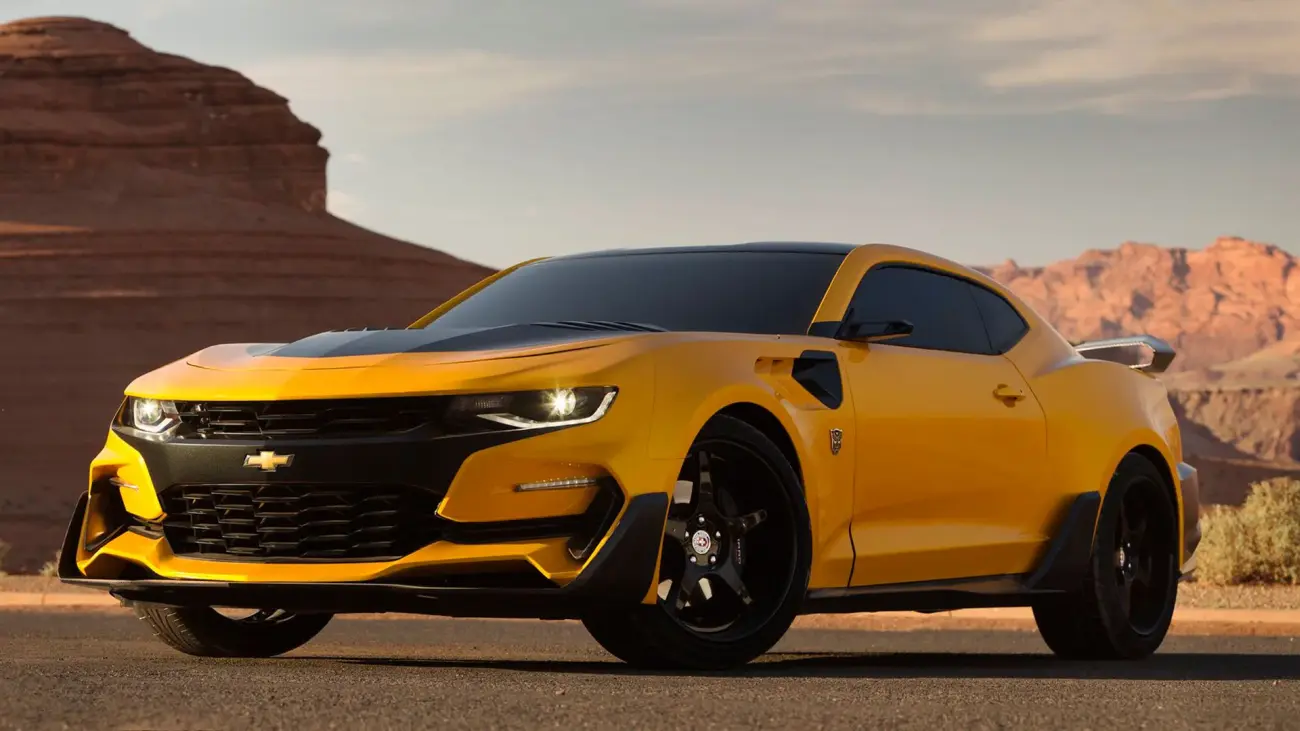
The Chevrolet Camaro gained a new generation of fans after appearing as Bumblebee in the Transformers films.
Bumblebee was initially represented as a classic Camaro and later appeared in modern Camaro form.
The character helped connect the Camaro with a younger international audience and turned the car into one of the most recognizable automotive characters in modern cinema.
Volkswagen Beetle – Bumblebee / Transformers
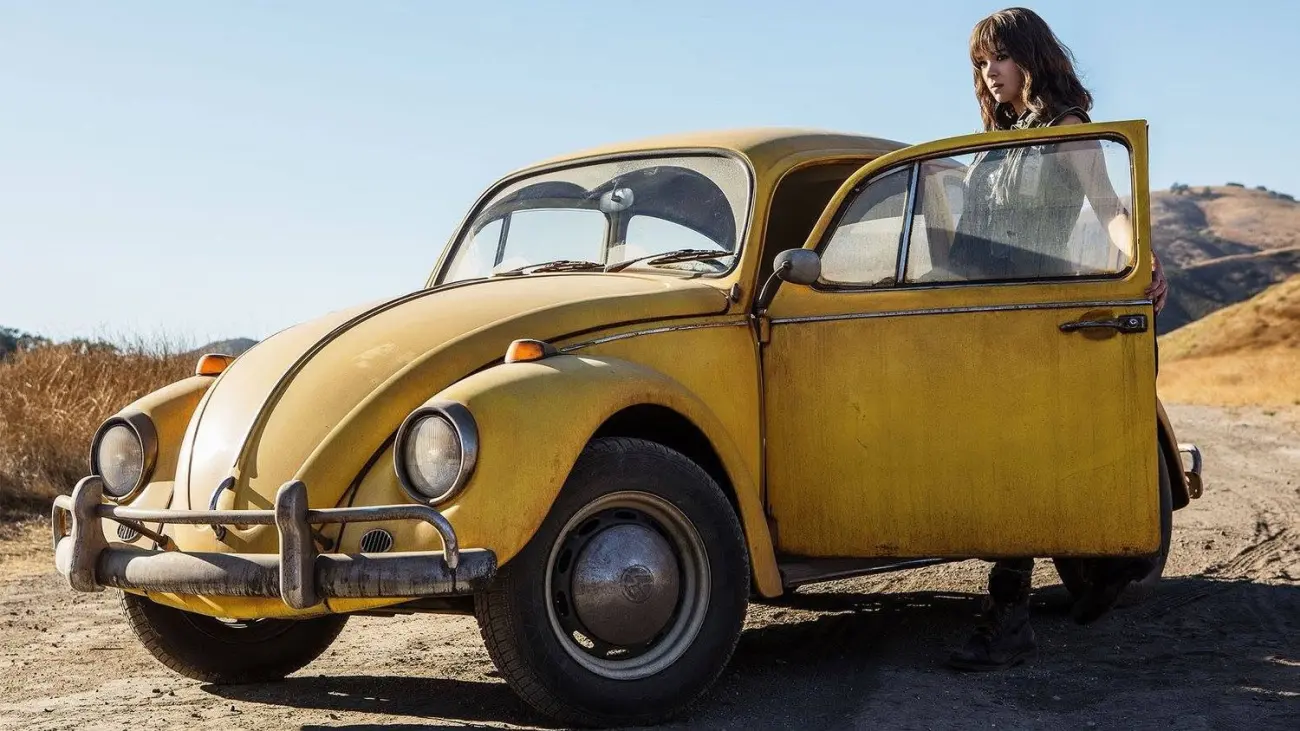
Before becoming a Camaro, Bumblebee was represented as a Volkswagen Beetle in some versions of the Transformers story.
The Beetle's friendly appearance gave the character a very different personality compared with the aggressive Camaro.
This also demonstrated how the same fictional character could be represented through different generations and types of automobiles.
Batmobile – Batman
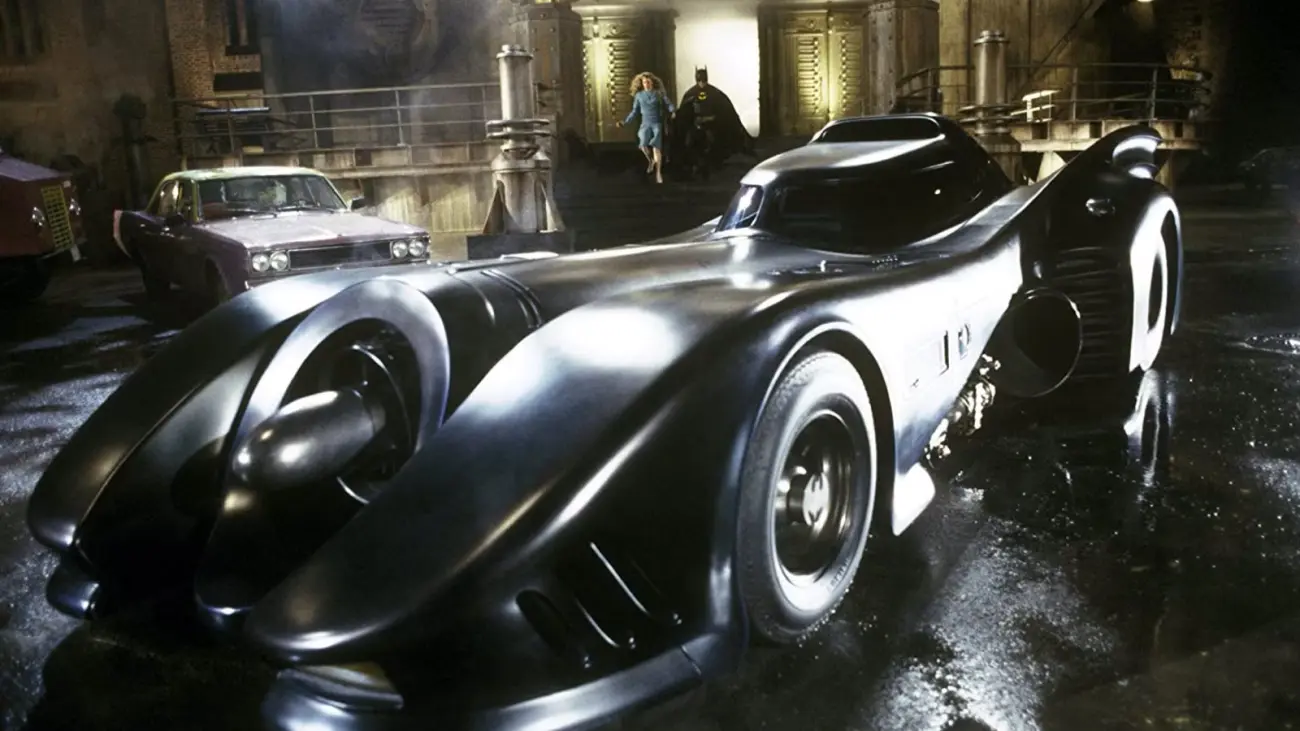
The Batmobile is perhaps the most famous fictional vehicle in comic-book history.
Unlike a conventional production car, the Batmobile has been redesigned many times depending on the Batman film or television series.
Some versions have been based on futuristic concepts, while others have drawn inspiration from classic sports cars, muscle cars, and military vehicles.
Although the design has changed dramatically over the decades, the basic idea has remained the same: the Batmobile is an extension of Batman's identity.
Aston Martin DB10 – Spectre / James Bond
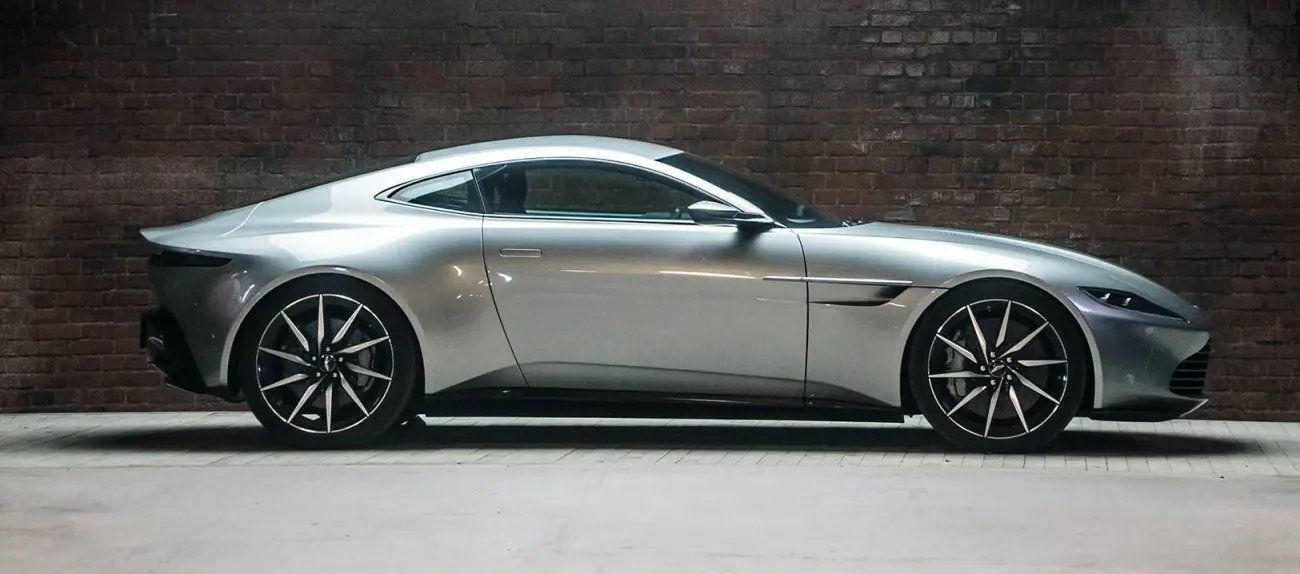
The Aston Martin DB10 was developed specifically for the James Bond film Spectre.
Unlike the DB5, which was a production car adapted for the Bond universe, the DB10 was created specifically for the film and became closely associated with Bond's modern era.
Its design later influenced the styling direction of future Aston Martin models.
Audi S8 – Ronin
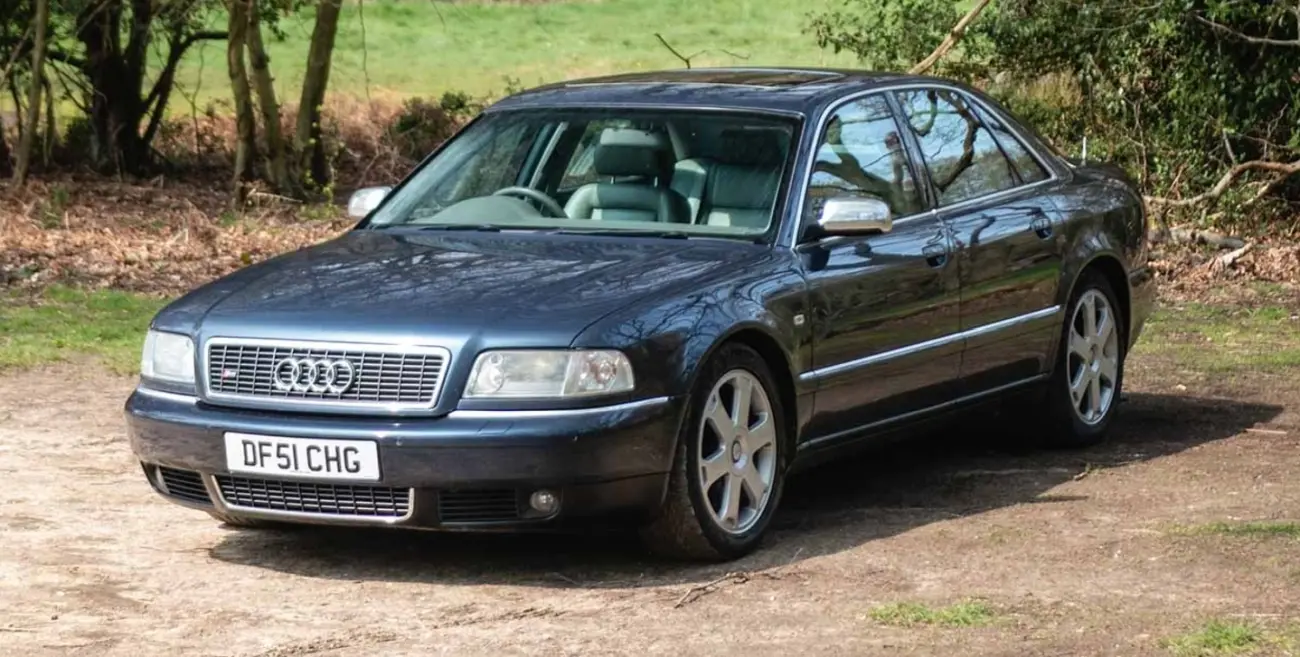
The Audi S8 gained a cult following among automotive enthusiasts because of its role in the 1998 film Ronin.
The movie contains several memorable driving sequences, and the S8 demonstrates that a luxury sedan can also be extremely effective in a high-speed action scene.
The combination of understated styling and serious performance made the S8 particularly interesting to car enthusiasts.
1967 Chevrolet Impala – Supernatural
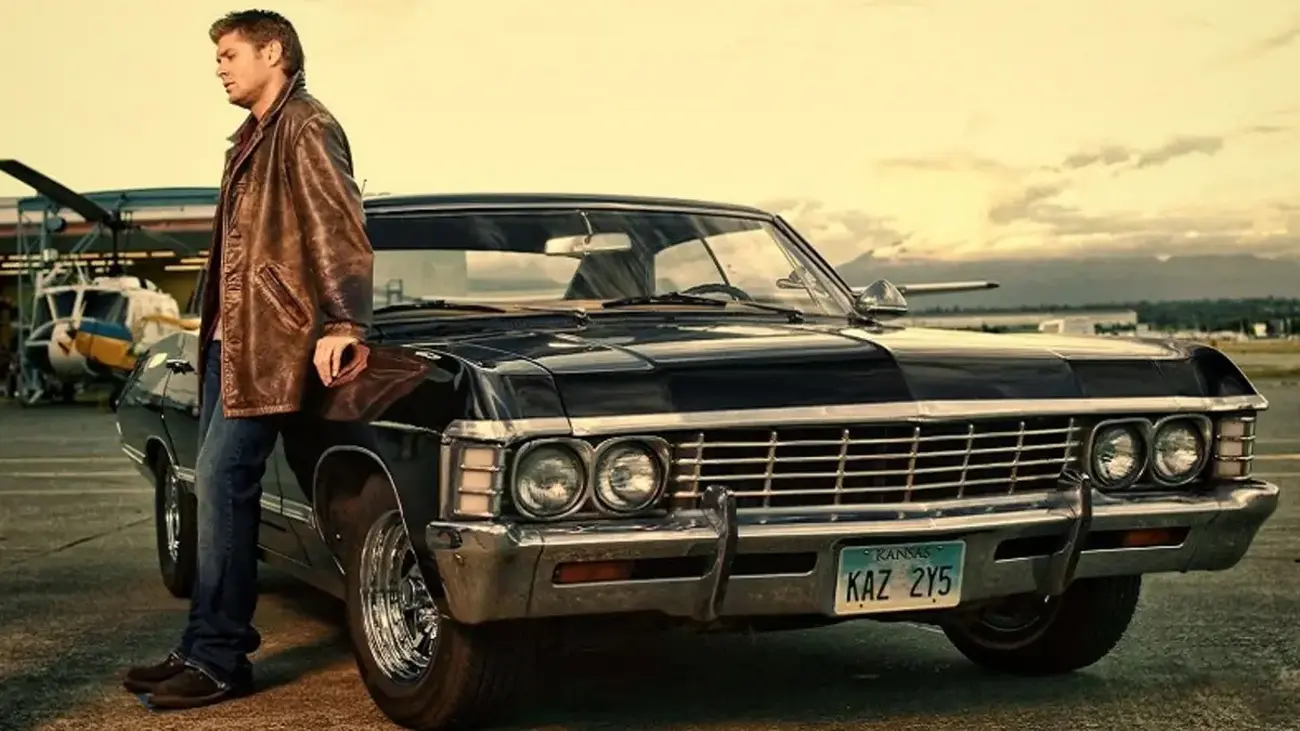
The 1967 Chevrolet Impala is one of the most recognizable television cars of the 2000s, thanks to the series Supernatural.
Known as "Baby" by Dean Winchester, the black Impala became much more than a vehicle in the series. It was a constant companion for Dean and Sam Winchester as they traveled across the United States investigating supernatural events.
The car's large body, classic American styling, black paint, and unmistakable presence perfectly matched the atmosphere of the series. Its trunk also became an important part of the brothers' equipment, carrying weapons, tools, and everything they needed for their investigations.
What makes the Impala particularly memorable is its connection with the Winchester brothers. Over the course of the series, the car becomes closely tied to their family history, their adventures, and many of the show's most memorable moments.
For Supernatural fans, the 1967 Chevrolet Impala is therefore much more than a classic American car. It is one of the defining symbols of the entire series.
The Impala also introduced a new generation of viewers to the appeal of classic American cars, proving once again that a vehicle can become just as memorable as the characters who drive it.
1959 Cadillac Miller-Meteor – Ecto-1 / GhostBusters
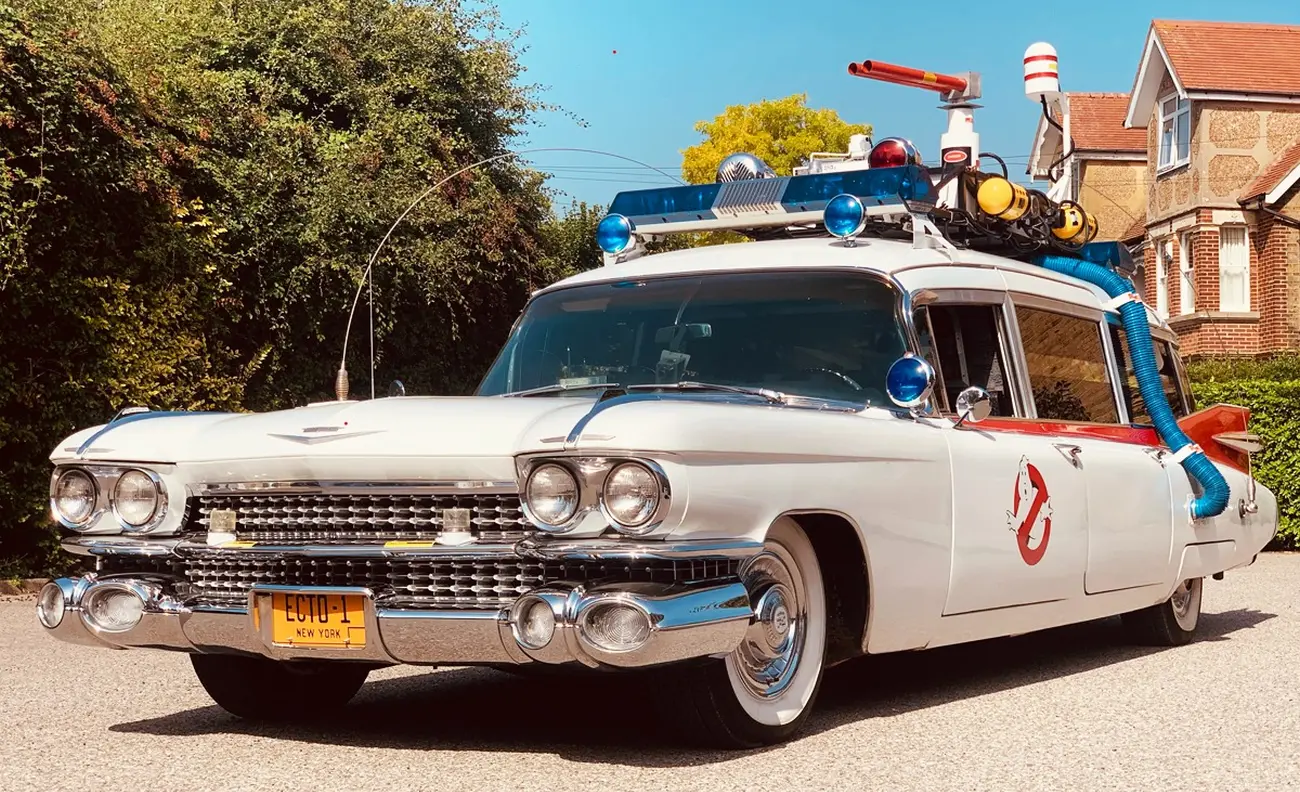
The 1959 Cadillac Miller-Meteor became one of the most recognizable movie cars in history thanks to its role as Ecto-1 in the Ghostbusters films.
Originally built as a professional vehicle based on a Cadillac chassis, the Miller-Meteor was transformed into the Ghostbusters' iconic ambulance-style vehicle.
Its long body, white paint, red details, roof-mounted equipment, and especially its distinctive siren made Ecto-1 instantly recognizable.
One of the most important things about Ecto-1 is that it was not simply a vehicle used to transport equipment. It became an important part of the Ghostbusters' identity. Whenever the team headed out on a mission, Ecto-1 became part of the scene and contributed to the unique atmosphere of the films.
Today, the sight of a long classic Cadillac equipped with emergency-style equipment is enough to remind many people of Ghostbusters. Ecto-1 successfully brought together classic American automotive design and the fantastical world of cinema.
Peugeot 406 – Taxi
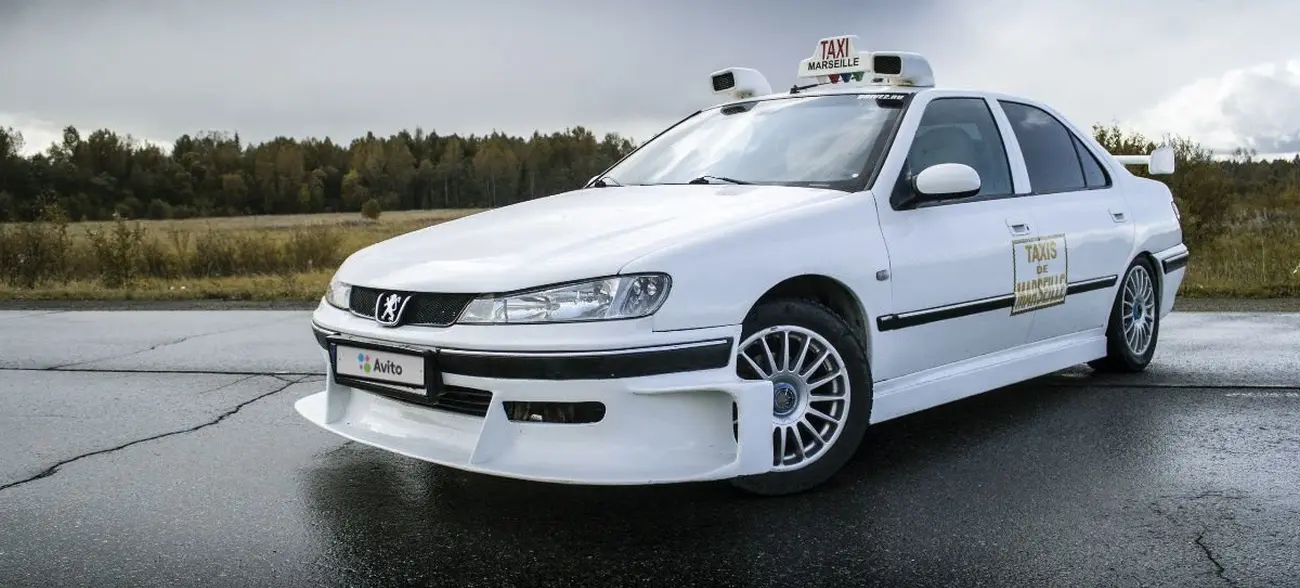
The Peugeot 406 became a memorable movie car thanks to the French Taxi film series.
Set largely around the streets of Marseille, the movies feature a white Peugeot 406 driven by Daniel Morales. What starts as an ordinary taxi is transformed into something much more extraordinary.
With a series of fictional modifications, the Peugeot 406 is portrayed as a high-performance "super taxi." One of its most memorable features is the transformation triggered by a button, which reveals special aerodynamic components and turns the sedan into something resembling a racing machine.
The Peugeot 406's appearance in the Taxi films combines the styling of a European family sedan with the exaggerated world of action cinema. The high-speed chases through the streets of Marseille also became an important part of the car's identity.
For many viewers, the Peugeot 406 is therefore more than a French sedan. For fans of the Taxi series, the white 406 is inseparable from Daniel's fast and heavily modified taxi.
Why Do Movie Cars Become So Famous?
A car appearing in a movie does not automatically make it iconic.
Usually, several factors come together.
First, the car needs a distinctive appearance. A memorable shape, color, sound, or modification can make a vehicle instantly recognizable.
Second, the car needs a meaningful role in the story. When the vehicle is closely connected to a character or an important scene, audiences begin to associate the car with the story itself.
Finally, memorable driving sequences can make a huge difference. A spectacular chase, jump, race, or escape can permanently change the way audiences see a particular automobile.
Movies Can Change the Image of a Car
Cinema does more than simply show cars to audiences. It can change how people perceive them.
A car that was once considered ordinary can become desirable after appearing in a successful movie. This has happened with several models over the years.
The opposite can also happen. A movie can create a fictional image of a car that is very different from its real-world capabilities.
For example, movie cars are often shown performing spectacular jumps, surviving extreme crashes, or accelerating far beyond what a standard production vehicle could realistically do.
That is part of the magic of cinema.
When Cars Become Characters
The most successful movie cars are not simply transportation for the actors.
They become characters in their own right.
KITT talks to its driver. The Batmobile is part of Batman's identity. Herbie has a personality. The DeLorean represents time travel. The Aston Martin represents James Bond.
This is why these cars remain memorable long after the movies themselves have ended.
The Relationship Between Cars and Cinema
Cars and movies have always had a natural relationship.
Cars represent freedom, speed, technology, adventure, status, and sometimes even rebellion. Cinema can turn all of these characteristics into visual storytelling.
A well-designed car can also tell the audience something about a character before that character even says a word.
That is why filmmakers continue to use automobiles as an important part of storytelling.
Some cars simply appear in movies.
Others become part of movie history.
And the most memorable ones eventually become something more than automobiles. They become symbols of the films, characters, and stories with which they are associated.
Some cars grow old and disappear from the roads. Others enter a movie scene and become immortal.