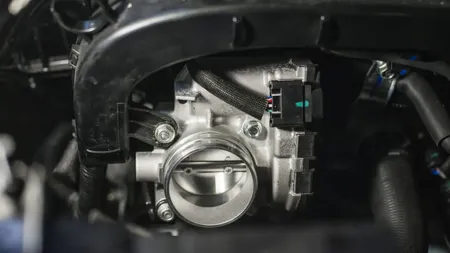
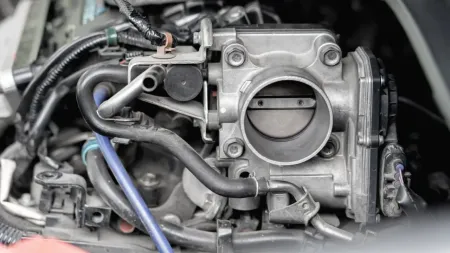
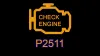
The Throttle Position Sensor (TPS) is an important sensor in a modern vehicle's engine management system. Its primary job is to provide information about the po...
Modern engines rely on information from many different sensors to control fuel injection, air management, ignition, emissions, and overall engine operation. One...
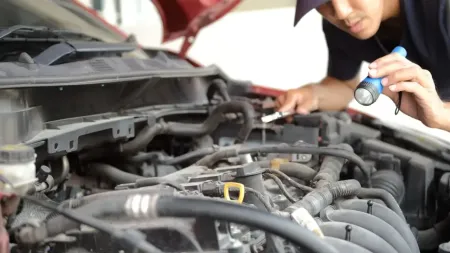
An engine that runs smoothly at idle should produce only minor, normal vibrations. When the vehicle is stopped and the engine begins to shake noticeably, the st...
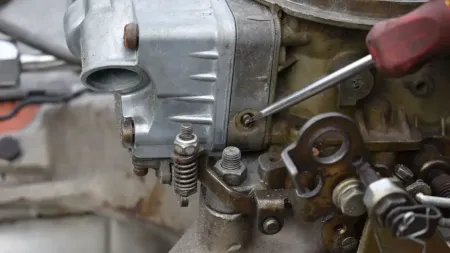
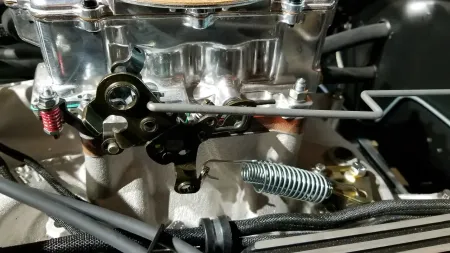
Before electronic fuel injection became standard, carburetors were used on millions of gasoline engines to control the air-fuel mixture....
Engine oil is one of the most important fluids in an internal combustion engine. It reduces friction, carries heat away from moving components, protects metal s...
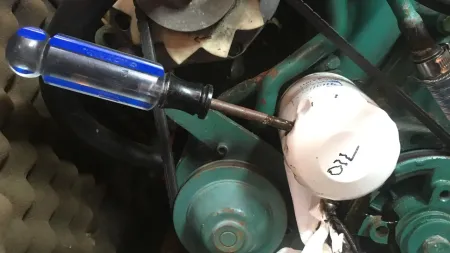
Changing the engine oil is one of the most basic maintenance procedures on a car. In theory, removing the old oil filter should be just as simple as draining th...
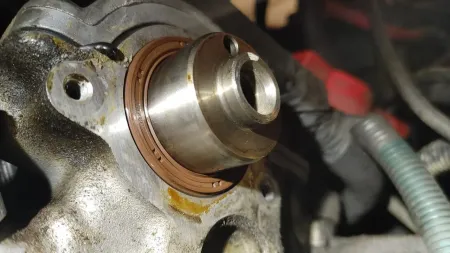
The camshaft is one of the most important components inside an internal combustion engine. It controls the opening and closing of the engine's intake and exhaus...
The throttle body controls how much air enters the engine. On traditional mechanically operated throttle systems, the throttle plate is connected to the acceler...
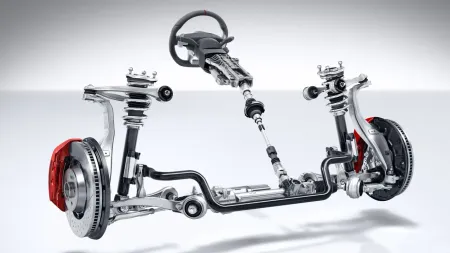
Steering is one of the most important systems in a vehicle. The driver expects the steering wheel to turn smoothly, accurately, and predictably while also provi...
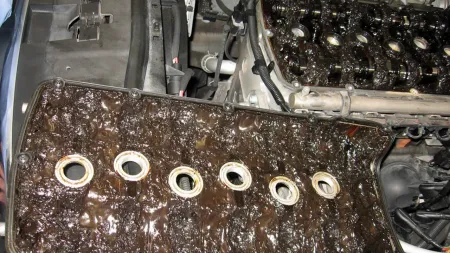
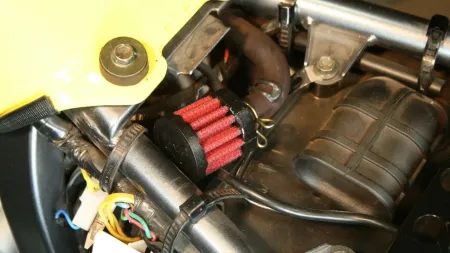
The crankcase ventilation system is one of the engine components that often goes unnoticed until it starts causing problems. Although the crankcase ventilation ...
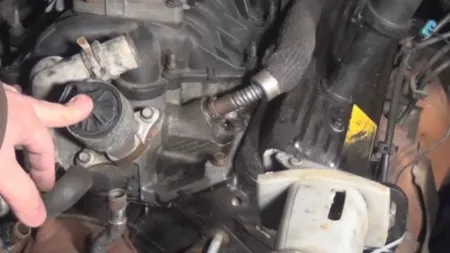
The EGR system plays an important role in reducing nitrogen oxide (NOx) emissions from an internal combustion engine. While many modern vehicles use electronica...
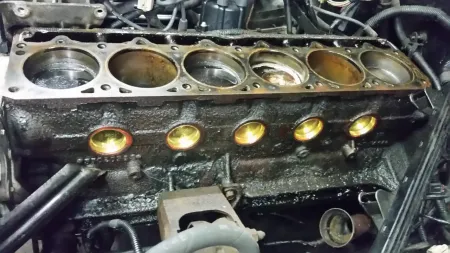
An engine freeze plug is a small metal plug installed in specific openings in an engine block. Despite its common name, its primary purpose is not to protect th...
 TR
TR EN
EN