TR
TR EN
EN

Tips for Extending the Life of a Timing Belt
The timing belt is one of the most important components inside an internal combustion engine. Although it is relatively simple in appearance, its job is critical: it keeps the crankshaft and camshaft synchronized so that the valves open and close at exactly the right time.
A timing belt failure can be far more serious than an ordinary belt problem. On many modern engines, a broken or severely damaged timing belt can cause the pistons and valves to collide, resulting in bent valves, damaged pistons, cylinder-head damage, or even extensive engine repairs.
For this reason, extending the service life of the timing belt is not simply about saving the cost of replacing one component. It is about protecting the entire engine.
While every timing belt has a limited service life and must eventually be replaced, the way a vehicle is driven, maintained, and serviced can have a significant effect on the conditions under which the belt operates.
What Is a Timing Belt?
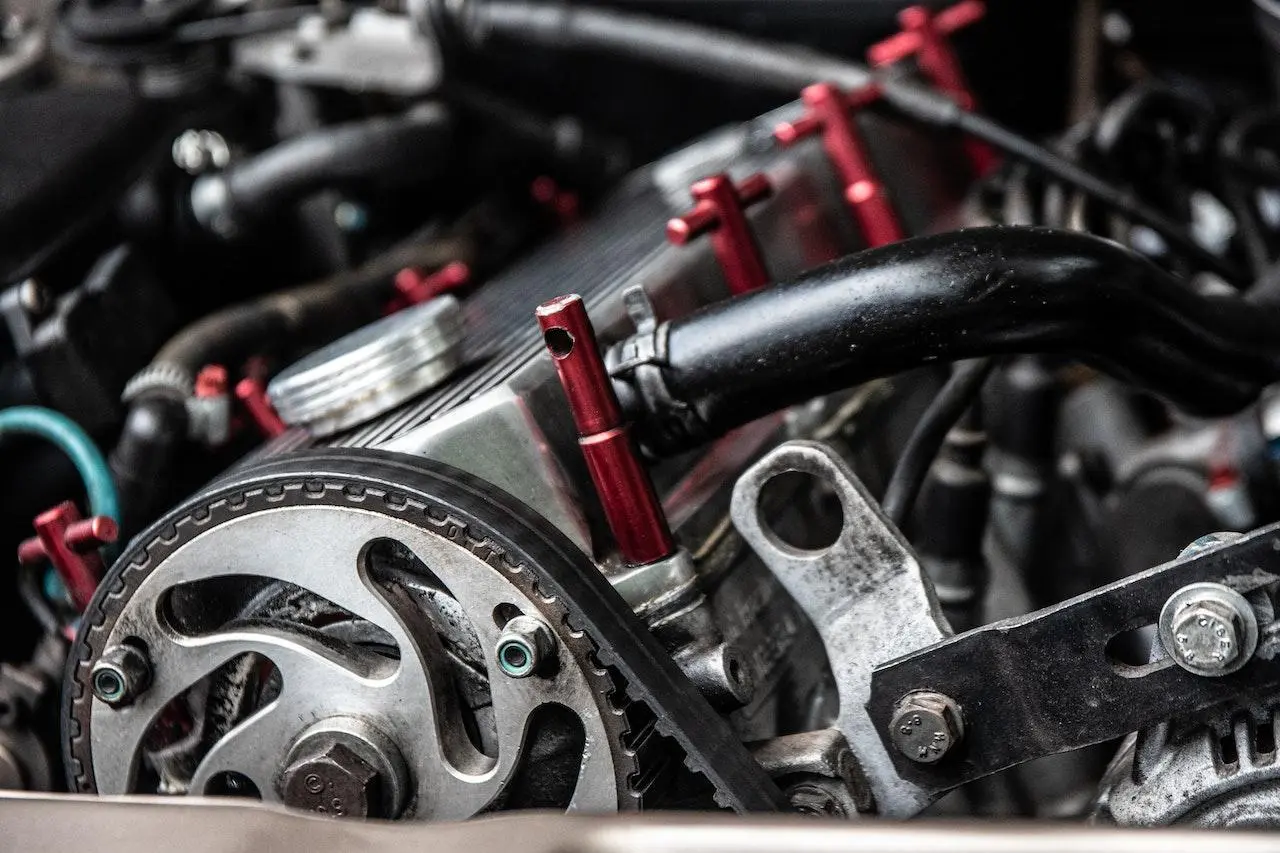
The timing belt is a reinforced toothed belt that connects the crankshaft to the camshaft or camshafts.
The crankshaft converts the pistons' movement into rotational motion, while the camshaft controls the opening and closing of the engine's valves. These two components must remain precisely synchronized.
The teeth on the timing belt engage with toothed pulleys on the crankshaft and camshaft. As the crankshaft rotates, the timing belt transfers this movement to the camshaft.
This synchronization is essential because the valves must open and close at specific moments in the four-stroke combustion cycle.
A timing belt does not simply transmit rotation. It maintains the engine's timing relationship.
Why Is Timing Belt Condition So Important?
A timing belt can continue to look reasonably normal even when it is approaching the end of its service life.
This is one of the reasons timing belt maintenance should not be based only on visual inspection.
The belt is exposed to:
-
Heat
-
Engine vibration
-
Repeated bending
-
Tensile loads
-
Oil and chemical contamination
-
Tension changes
-
Pulley movement
-
Environmental conditions
Over thousands of kilometers, these conditions gradually affect the rubber compound and internal reinforcement.
If the belt loses its strength or its teeth become damaged, the timing can jump or the belt can break completely.
A belt that jumps by only a few teeth can be enough to cause serious engine running problems. A complete failure can result in immediate loss of synchronization.
Follow the Manufacturer's Replacement Interval
The single most important rule for extending timing belt reliability is also the simplest: follow the manufacturer's replacement interval.
Timing belts are wear components. They are not designed to last indefinitely.
The replacement interval varies considerably between engines. Depending on the manufacturer and engine design, the interval may be specified in kilometers, years, engine hours, or a combination of mileage and time.
For example, a manufacturer may specify a replacement interval based on both:
-
A maximum mileage
-
A maximum number of years
Whichever limit is reached first may determine when replacement is required.
This is particularly important for vehicles that travel very few kilometers each year.
A car that has only covered 40,000 km does not necessarily have a "young" timing belt if the belt has been installed for many years.
Do Not Ignore the Age of the Timing Belt
Mileage is not the only factor that affects timing belt life.
The rubber material can deteriorate with age even when the vehicle is driven relatively little.
Long periods of inactivity do not completely protect the timing belt. In some cases, a vehicle that is driven only occasionally can actually experience challenging conditions because of repeated heat cycles, long periods of storage, and infrequent operation.
If a vehicle has an unknown timing belt replacement history, assuming that the belt is still good simply because the mileage is low is risky.
If the service history cannot confirm when the belt was replaced, checking the manufacturer's recommended interval and considering replacement may be the safest approach.
Avoid Oil and Coolant Contamination
One of the most important ways to protect a timing belt is to keep it away from fluids that can damage the belt material.
Engine oil and coolant should not be allowed to contaminate the timing belt.
Oil contamination can occur because of leaking:
-
Camshaft seals
-
Crankshaft seals
-
Valve cover components
-
Other nearby engine seals
Coolant contamination may occur because of leaks around the water pump, coolant passages, hoses, or other components located near the timing belt.
Fluid contamination can deteriorate the belt material and may reduce the belt's ability to withstand the loads placed on it.
If an oil or coolant leak is discovered near the timing belt, the leak should be repaired promptly rather than simply cleaning the outside of the belt and continuing to use it.
Never Treat an Oil-Contaminated Timing Belt as Normal
This deserves special attention.
If a timing belt has been significantly exposed to engine oil, replacing only the leaking seal may not be enough.
The belt itself may already have been chemically affected.
The correct repair depends on the level and duration of contamination, but in many situations replacing the belt is the appropriate solution.
Simply wiping the belt clean does not restore the original condition of the rubber and reinforcement material.
Maintain the Correct Engine Temperature
The timing belt operates in a relatively hot environment.
Excessive engine temperatures can accelerate the aging of rubber components and other materials surrounding the timing system.
For this reason, maintaining the cooling system is indirectly important for timing belt life.
Keep the following components in good condition:
-
Coolant
-
Radiator
-
Thermostat
-
Cooling fan
-
Water pump
-
Radiator hoses
-
Expansion tank
-
Temperature-control system
An engine that repeatedly overheats is operating under conditions that can accelerate the deterioration of many components, including belts, seals, hoses, and plastic components.
The timing belt should not be considered separately from the engine's thermal environment.
Use the Correct Coolant
Using the correct coolant is also important because coolant quality affects the condition of the cooling system.
The coolant specification recommended by the vehicle manufacturer should be followed.
Old or unsuitable coolant can contribute to corrosion and cooling-system problems. If a coolant leak develops around the timing system, it can create another potential source of belt contamination.
Do Not Neglect the Water Pump
On many engines, the water pump is driven by the timing belt.
This creates an important relationship between the water pump and the timing system.
A worn water pump bearing can create resistance, vibration, or abnormal movement. A leaking water pump can also contaminate the timing belt with coolant.
For engines where the water pump is driven by the timing belt, it is common practice to inspect or replace the water pump as part of a complete timing belt service, depending on the manufacturer's repair procedure and the condition of the component.
Replacing the water pump at the same time can also prevent the need to disturb the newly installed timing belt later if the pump fails.
Replace the Tensioner and Idler Components When Appropriate
The timing belt does not work alone.
The system may include:
-
Automatic tensioners
-
Fixed tensioners
-
Idler pulleys
-
Guide pulleys
-
Water pumps
-
Timing belt pulleys
A new timing belt installed on worn pulleys or a failing tensioner may not provide the expected reliability.
A defective tensioner can cause the belt to become too loose or too tight. Both conditions can create problems.
An improperly tensioned belt may:
-
Jump teeth
-
Produce abnormal noise
-
Wear unevenly
-
Vibrate excessively
-
Become damaged at the edges
-
Fail prematurely
This is why a proper timing belt replacement is normally a system-level repair rather than simply replacing the belt itself.
Use Quality Timing Belt Components
The timing belt is not a component where choosing the cheapest available part is always a good idea.
A high-quality belt from a reputable manufacturer, combined with compatible tensioners and pulleys, can provide more predictable durability.
The correct part must also be selected for the specific engine.
Two engines may look similar but use different belt lengths, tooth profiles, tension specifications, or component designs.
Using the wrong belt can result in premature failure even if the belt itself is new.
Avoid Incorrect Installation
A high-quality timing belt can still fail prematurely if it is installed incorrectly.
Timing belt installation requires accurate positioning of the crankshaft and camshaft timing marks, correct belt routing, and correct tension.
Depending on the engine design, special locking tools may be required.
Incorrect installation can result in:
-
Incorrect valve timing
-
Belt vibration
-
Excessive tension
-
Insufficient tension
-
Tooth jumping
-
Premature belt wear
-
Engine damage
For this reason, timing belt replacement should be performed by a technician who is familiar with the engine's specific timing procedure.
Do Not Over-Tension the Timing Belt
More tension does not necessarily mean more safety.
A timing belt that is excessively tight can place additional loads on:
-
Belt teeth
-
Belt reinforcement
-
Camshaft bearings
-
Tensioner bearings
-
Idler pulleys
-
Water pump bearings
The correct tension must be set according to the engine manufacturer's procedure.
Automatic tensioners should also be installed and adjusted correctly.
Do Not Drive Aggressively With a Neglected Timing System
Driving style does not normally override the manufacturer's timing belt replacement interval, but severe operating conditions can increase mechanical stress.
Repeated high-RPM operation, aggressive acceleration, and extreme engine loads can place additional demands on the entire timing system.
This does not mean that normal high-RPM driving will automatically destroy a healthy timing belt. Modern engines are designed to operate within their specified RPM range.
The important point is that a belt that is already old, contaminated, incorrectly tensioned, or installed with worn components has less margin for error.
A well-maintained timing system is much better equipped to handle normal engine operation.
Avoid Unnecessary Engine Modifications
Engine modifications can change the loads experienced by the timing system.
Significant increases in engine output, especially through aggressive turbocharging or other modifications, can increase overall engine loads.
The timing belt system itself may not have been designed with those modified operating conditions in mind.
If an engine has been substantially modified, the compatibility of the timing system should be considered rather than assuming the original maintenance schedule is automatically sufficient for every modified application.
Pay Attention to Unusual Timing Belt Noise
The timing belt is not normally a component that should produce obvious abnormal noise.
If you hear:
-
Whining
-
Squealing
-
Ticking
-
Grinding
-
Rhythmic rubbing
-
Bearing-like noise
from the timing area, the problem should be investigated.
The noise may not necessarily come from the belt itself.
A tensioner bearing, idler pulley, water pump, seal, or another nearby component could be responsible.
Continuing to drive without investigating a new noise from the timing area can be risky.
Do Not Spray Products on the Timing Belt
Some drivers are familiar with belt sprays used on certain accessory belts.
These products should not automatically be applied to a timing belt.
Timing belts are engineered with specific rubber compounds and reinforcement materials. Introducing unnecessary chemicals or belt treatments can create an additional risk.
A timing belt should generally be kept clean and dry according to the manufacturer's design requirements.
Keep the Timing Belt Cover Properly Installed
The timing belt cover is there for a reason.
It helps protect the belt from:
-
Dust
-
Dirt
-
Water
-
Oil contamination
-
Foreign objects
-
Debris
A damaged, incorrectly installed, or missing timing belt cover can expose the timing system to conditions it was not designed to handle.
After engine repairs, make sure all timing covers and fasteners are properly installed.
Be Careful After Major Engine Repairs
If work has been performed around the engine, particularly near the timing system, it is worth checking that the timing belt area has not been disturbed or contaminated.
Examples include:
-
Head gasket replacement
-
Water pump replacement
-
Camshaft seal replacement
-
Crankshaft seal replacement
-
Cooling system repairs
-
Engine rebuilds
A repair that requires removing or disturbing timing components should be performed according to the correct engine-specific procedure.
Replace the Belt if Its History Is Unknown
Buying a used vehicle with no reliable timing belt service record can create a difficult situation.
The belt may look perfectly normal, but its age and previous operating conditions may be unknown.
A seller's statement that "the belt looks good" is not equivalent to a documented replacement history.
If the manufacturer specifies a replacement interval and there is no reliable evidence that the belt has been replaced within that interval, preventive replacement can be a sensible approach.
This is particularly important for engines where timing belt failure can cause significant internal engine damage.
Do Not Assume a Visual Inspection Can Predict Belt Life
A common mistake is believing that a timing belt can be judged by looking at its surface.
Cracks, missing teeth, fraying, or obvious damage are serious warning signs, but the absence of visible damage does not guarantee that the belt is still within its safe service life.
Internal reinforcement and material degradation may not be visible.
That is why manufacturers specify time and mileage replacement intervals instead of telling owners to replace the belt only when visible cracks appear.
Keep Service Records
Keeping accurate maintenance records is one of the simplest ways to prevent timing belt problems.
Record:
-
Date of replacement
-
Vehicle mileage
-
Belt brand and part number
-
Tensioner replacement
-
Idler pulley replacement
-
Water pump replacement
-
Related seal repairs
This information becomes particularly valuable when selling the vehicle or performing future maintenance.
It also prevents unnecessary uncertainty about whether the timing belt needs to be replaced again.
Short Trips and Long Periods of Storage
Vehicles that are used mostly for short trips can experience different operating conditions from vehicles that regularly complete longer journeys.
Frequent cold starts and repeated heat cycles affect many rubber and mechanical components.
On the other hand, a vehicle that remains unused for very long periods should not automatically be considered protected from timing belt aging.
Time continues to affect the belt material even when the vehicle is parked.
The most important factor remains compliance with the manufacturer's time and mileage interval.
What Should Be Replaced During a Timing Belt Service?
A complete timing belt service varies depending on the engine, but it may include:
-
Timing belt
-
Tensioner
-
Idler pulleys
-
Water pump, where applicable
-
Related seals if leakage is detected
-
New mounting hardware where specified
Not every engine requires all of these components to be replaced at every service.
The correct parts list should be based on the engine manufacturer's repair procedure.
Can Regular Oil Changes Help Extend Timing Belt Life?
Indirectly, yes.
Regular oil changes help maintain the overall condition of the engine and can reduce the likelihood of certain lubrication-related problems.
More importantly, routine oil services provide an opportunity to identify oil leaks before they become serious.
If a camshaft or crankshaft seal begins leaking, early detection can prevent prolonged exposure of the timing belt to engine oil.
The oil itself should also meet the manufacturer's specification.
Timing Belt vs. Serpentine Belt: Do Not Confuse Them
The timing belt and accessory belt perform completely different jobs.
The timing belt synchronizes the crankshaft and camshaft.
The accessory or serpentine belt may drive components such as:
-
Alternator
-
Air-conditioning compressor
-
Power steering pump on some vehicles
-
Other accessories
A broken serpentine belt can cause serious problems, but its failure is mechanically different from timing belt failure.
Some engines use a timing chain instead of a timing belt, so the first step in maintenance is to determine which type of timing system the engine actually uses.
What Happens When a Timing Belt Breaks?
When the timing belt breaks, the crankshaft and camshaft can immediately lose synchronization.
The exact consequences depend on the engine design.
In an interference engine, the pistons and valves can occupy overlapping areas of the combustion chamber at different moments of the cycle. If synchronization is suddenly lost, they may collide.
This can result in:
-
Bent valves
-
Damaged valve guides
-
Damaged pistons
-
Cylinder-head damage
-
Broken rocker arms or related components
-
Extensive engine repair
Some engines are designed so that a belt failure does not cause piston-to-valve contact. However, that does not make a broken timing belt harmless.
In any case, a broken belt means the engine cannot operate normally and requires immediate repair.
The Best Way to Extend Timing Belt Life
There is no special product or driving trick that can make a timing belt last indefinitely.
The most effective approach is good maintenance:
Follow the manufacturer's replacement interval.
Keep oil and coolant away from the belt.
Repair leaks promptly.
Use the correct belt and related components.
Make sure the belt is installed and tensioned correctly.
Inspect the tensioner, idler pulleys, and water pump where applicable.
Maintain the engine's cooling system.
Keep the timing belt cover properly installed.
Investigate unusual noises immediately.
Keep accurate service records.
These measures do not eliminate normal aging, but they can prevent premature deterioration and reduce the risk of unexpected failure.
Conclusion
A timing belt has a limited service life, and no maintenance method can eliminate the need for eventual replacement. However, the conditions in which the belt operates can make a major difference to its reliability.
Oil contamination, coolant leaks, overheating, worn tensioners, damaged pulleys, incorrect installation, excessive tension, and neglected maintenance can all create conditions that shorten the belt's useful life.
The most important point is not to wait for visible cracks or obvious belt damage. A timing belt can fail without providing a reliable warning that is visible to the driver.
Following the manufacturer's time and mileage recommendations, maintaining the engine properly, repairing leaks quickly, and replacing the complete timing system components when appropriate are the best ways to protect the belt and, more importantly, the engine itself.