TR
TR EN
EN

The History and Invention of the Airbag
The airbag is one of the most important components of automotive safety systems. It is designed to protect drivers and passengers from serious injuries in vehicle crashes. Here is a detailed history of the invention and development of the airbag and how it became a standard feature in the automotive industry:
The Origins of the Airbag and Early Ideas
The basic idea behind the airbag is to create a barrier during a collision to protect occupants from severe impacts. Engineers and inventors first began working on this concept in the 1950s.
-
1951: German engineer Walter Linderer received a patent for an airbag concept. His system consisted of a cushion that was inflated with compressed air. However, the technology could not be practically implemented because it was unable to respond quickly enough.
-
1953: American engineer John W. Hetrick received a patent in the same year for the idea of a "safety cushion" for vehicles. Hetrick was inspired by a traffic accident involving his family and developed the idea of a cushion that would inflate during a collision and create a protective barrier.
Development of the Technology and Implementation Challenges
Research into airbag technology continued from the 1950s through the 1970s. However, several technical problems had to be solved before airbags could be widely used:
-
Rapid Response: The airbag needed to deploy within the first milliseconds of a crash. This was difficult to achieve with the compressed-air systems available at the time.
-
Reliable Detection: Sensors capable of accurately detecting a collision had to be developed.
-
Compact Design: The airbag system needed to be compact enough to be easily installed inside a vehicle.
During the 1960s, solutions to these problems began to emerge. In particular, pyrotechnic gas technology using gases such as nitrogen allowed airbags to inflate much more quickly and effectively.
The First Commercial Use of the Airbag
-
1971: Ford Motor Company used airbag prototypes in Mercury vehicle models for testing purposes.
-
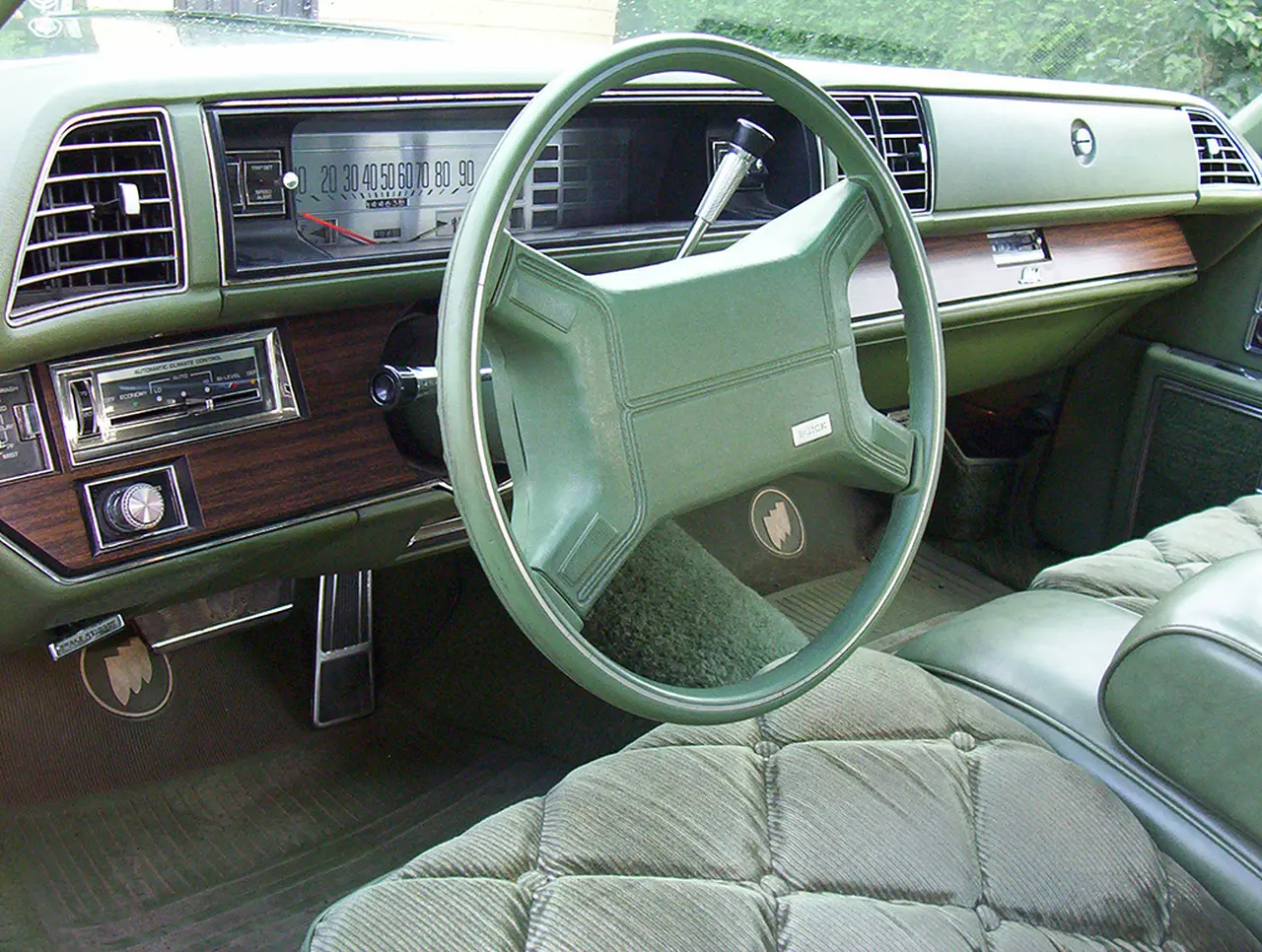
1973: General Motors (GM) offered airbags as an optional feature under the name "Air Cushion Restraint System" on the Oldsmobile Toronado. This was one of the first examples of an airbag system being commercially offered in a vehicle. The system included airbags positioned on both the driver and passenger sides.
These early applications faced several challenges in gaining widespread acceptance. High costs, low customer demand, and the fact that the technology had not yet reached full reliability prevented airbags from becoming widely adopted.
The Widespread Adoption of Airbags
The 1980s and 1990s were the period when airbags began becoming a standard safety feature in the automotive industry.
-
1981: Mercedes-Benz began offering airbags as standard safety equipment in its S-Class models. This encouraged the adoption of airbags in Europe.
-
1988: Chrysler became the first automobile manufacturer in the United States to offer airbags as standard equipment.
-
1990s: Airbags became increasingly widespread around the world as a result of government regulations and customer expectations.
-
In 1994, front airbags became mandatory for all passenger vehicles in the United States.
-
During the same period, many countries in Europe and Asia introduced similar regulations.
-
The Evolution of the Airbag System
Airbag technology has developed significantly over the years. Initially, airbags were installed only on the driver’s side, but additional systems were gradually introduced in other areas of the vehicle:
-
Side Airbags: Developed to provide protection during side-impact collisions. They were first introduced by Volvo in 1994.
-
Curtain Airbags: Mounted along the sides of the vehicle’s roof to protect occupants from side impacts.
-
Knee Airbags: Designed to help prevent lower-body injuries to drivers.
-
Rear Seat Airbags: Introduced to provide additional protection for rear-seat passengers.
-
Pedestrian Airbags: Introduced by Volvo in 2012, this system is positioned on the outside of the vehicle to help protect pedestrians.
Modern and Intelligent Airbags
Today, airbags have become much smarter and more effective. Modern systems use sensors that analyze crash severity, occupant weight, and seating position. They also include features such as:
-
Multi-Stage Airbags: Inflate at different levels depending on the severity of the collision.
-
Child Seat Sensors: Detect the presence of a child seat and can deactivate the airbag when necessary.
-
Innovative Materials: Modern airbags are manufactured using lighter and more durable materials to improve their effectiveness.
The Future of Airbag Technology
Airbag technology continues to evolve as autonomous vehicles become more widespread:
-
External Airbags: Mounted on the outside of vehicles, these systems can activate before a collision and potentially reduce the severity of an impact.
-
360-Degree Protection: Multidirectional airbag systems are being developed to protect occupants throughout the vehicle cabin.
-
Connected Systems: Airbags can work in coordination with other safety systems, such as automatic emergency braking.
Conclusion
The airbag is a revolutionary safety technology that has transformed the automotive industry. Since its invention, it has helped save millions of lives and significantly reduced the severity of injuries in vehicle crashes. In the future, airbags will continue to be an essential component of vehicle safety through the development of more innovative and effective protection systems.