TR
TR EN
EN

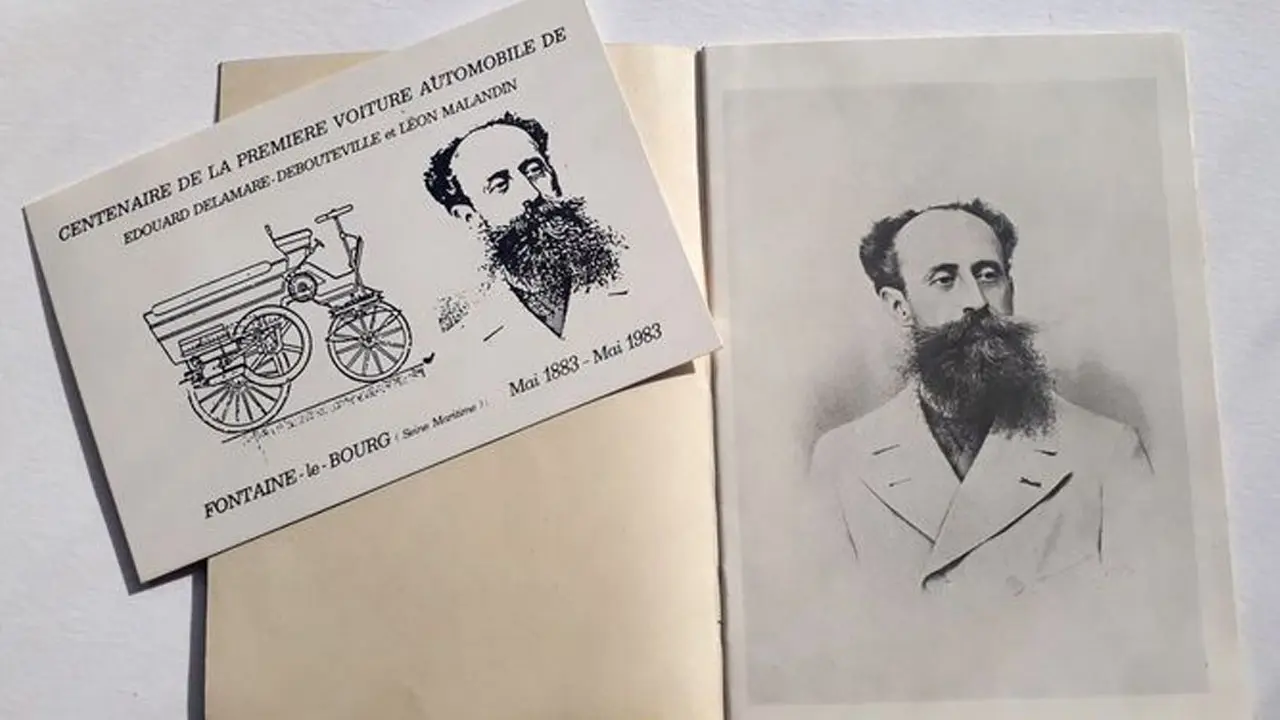
Édouard Delamare-Deboutteville: An Innovator Who Contributed to the Birth of the Automobile
Édouard Delamare-Deboutteville, a French engineer and inventor, was an important figure during the early stages of automobile history. He is known for his innovative work, which played a significant role in the development of the automobile into the form we know today.
Although many people primarily remember Carl Benz or Henry Ford when discussing the invention of the automobile, Édouard Delamare-Deboutteville’s contributions to the development of the automobile played an important role in shaping modern vehicles.
The Life Story of Édouard Delamare-Deboutteville
Birth and Early Years
Édouard Delamare-Deboutteville was born in 1866 in Rouen, France, toward the end of the 19th century. From a young age, Delamare-Deboutteville developed an interest in engineering and mechanics and received an education at one of France’s leading technical schools. During his studies, he gained extensive knowledge of mechanical systems and the operating principles of engines.
The Search for Mechanical Innovation
Before the development of the automobile, Delamare-Deboutteville strengthened his interest in motorized transportation through various experiments and inventions. However, it was his work on motor vehicles that eventually brought him the greatest recognition. In 1883, he began designing a vehicle powered by an internal combustion engine using gasoline. At that time, automobiles had not yet been established, and existing means of transportation generally relied on horse-drawn carriages or steam-powered machinery.
His Inventions and Innovations
Design of an Early Gasoline-Powered Automobile (1883)
Delamare-Deboutteville made history through his work in 1883. The French engineer designed a gasoline-powered vehicle using an internal combustion engine. This vehicle can be considered a prototype of what would later become the modern automobile. In the same year, Delamare-Deboutteville built his first prototype automobile, powered by an engine he had developed himself. The vehicle was a simple four-wheeled design, but it generated its power through an internal combustion engine.
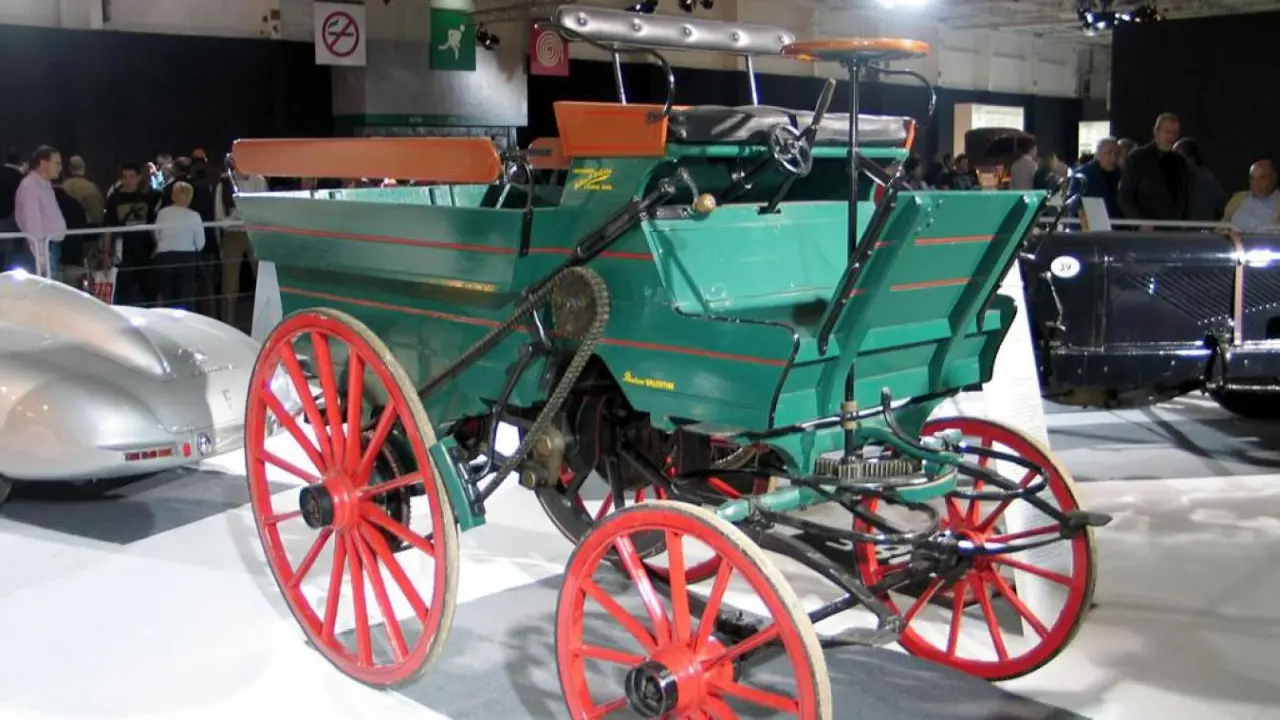
One of the vehicle’s important features was that its engine offered a more efficient and practical solution than the steam engines commonly used in vehicles at the time. The use of a gasoline-powered engine improved the vehicle’s mobility and provided a more efficient method of transportation. Delamare-Deboutteville’s innovation represented one of the early building blocks of the future automobile industry.
Patent Application and Legal Challenges
In 1883, Delamare-Deboutteville submitted a patent application to protect his invention. However, at the time, automobiles were still expected to compete primarily with steam-powered machines and horse-drawn carriages. In addition, France did not yet have a well-established legal framework for automobile patents. As a result, it took considerable time for Delamare-Deboutteville’s design to be formally recognized and widely accepted.
Today, many historians and automotive experts regard Delamare-Deboutteville’s design as one of the earliest true gasoline-powered automobiles in the world. However, because of the legal and technical obstacles of the period, more time was needed for his design to become widespread and undergo further development.
Delamare-Deboutteville’s Place in the Automotive Industry
The Birth of the Automobile in France
The vehicle developed by Édouard Delamare-Deboutteville represented an important step in the emergence of motorized transportation in France. At the time, much of the development of automobiles was taking place in countries such as England, Germany, and the United States. Delamare-Deboutteville’s work in France contributed to this broader movement and established him as one of the pioneers of early automobile engineering.
In France, Delamare-Deboutteville’s designs became a source of inspiration for future automotive engineers. His developments involving gasoline as a transportation fuel and the design of internal combustion engines had an important influence on the evolution of automobile manufacturing around the world.
The Expansion of the Automobile
Delamare-Deboutteville’s invention attracted considerable attention from engineers and inventors of the period. From the late 1880s onward, German engineers such as Carl Benz and Gottlieb Daimler were also working on motorized transportation using similar principles. However, Delamare-Deboutteville’s design contributed to the early development of gasoline-powered automobiles in the following years.
Today, historians examining the early development of the automobile continue to consider Delamare-Deboutteville’s patent application and inventions when assessing the evolution of automotive technology. The innovations he pioneered eventually helped inspire automobile manufacturers around the world to develop vehicles that were more efficient, accessible, and practical.
An Early Pioneer of the Automobile
Édouard Delamare-Deboutteville was an important figure in the foundations of the modern automobile industry. As an engineer involved in the design of an early gasoline-powered vehicle in 1883, he took an important step in the evolution of transportation technology. His contributions cannot be overlooked when examining the early development of the automobile. He earned his place in automotive history as one of the notable figures of early French engineering.
Although Édouard Delamare-Deboutteville was an important pioneer in the development of the automobile, he was an innovator ahead of his time whose contributions have often received less attention than those of better-known figures. Nevertheless, his work on an early gasoline-powered automobile prototype represents an important chapter in the history of the technology that eventually shaped the modern automotive industry.