TR
TR EN
EN

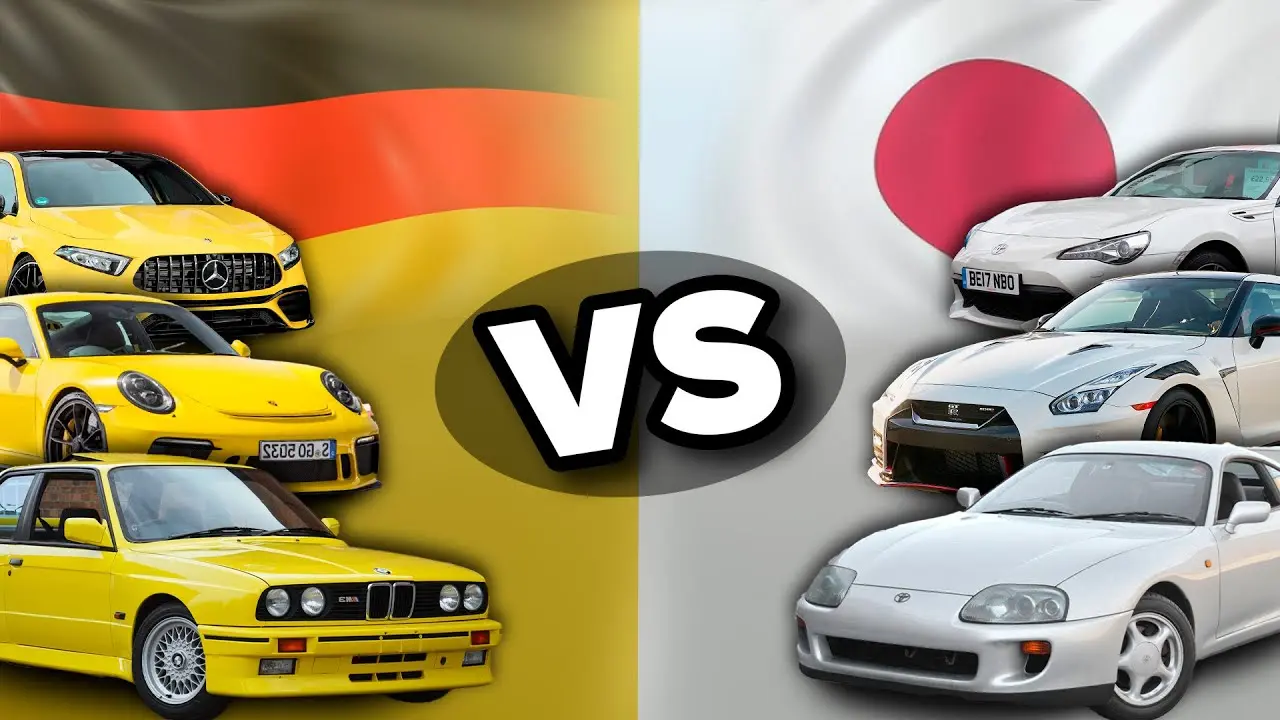
Japanese Cars or German Cars? Which Is the Better Choice?
One of the biggest questions when buying a car is: "Should I buy Japanese or German?" On one side, you have Japanese engineering, famous for reliability and longevity. On the other, German engineering is known for luxury, comfort, cutting-edge technology, and performance. Both have loyal fans, and the debate has been going on for decades.
So which one really lasts longer?
Which one breaks down less often?
Which offers lower maintenance costs?
And which makes more sense in terms of reliability, servicing, electronics, and engine technology?
Let's compare Japanese and German vehicles from an engineering perspective to help you make a more informed decision.
Different Engineering Philosophies
Japanese Manufacturers: Simplicity and Reliability
Brands such as Toyota, Honda, Mazda, Subaru, and Nissan focus on building vehicles that are dependable, efficient, and easy to maintain.
Their manufacturing philosophy is based on:
-
Lean production
-
Kaizen (continuous improvement)
-
Simplicity over unnecessary complexity
-
Long-term durability
Benefits include:
-
Fewer mechanical components
-
Lower failure rates
-
Easier servicing
-
Proven long-term reliability
The goal is simple: build a car that keeps running with minimal problems for hundreds of thousands of kilometers.
German Manufacturers: Performance and Innovation
Brands like BMW, Mercedes-Benz, Audi, Porsche, and Volkswagen emphasize advanced engineering and driving performance.
Their priorities include:
-
Powerful engines
-
Premium interiors
-
Advanced suspension systems
-
Sophisticated electronics
-
Cutting-edge technology
The result is an outstanding driving experience—but often with increased complexity.
More technology usually means:
-
More sensors
-
More electronic modules
-
More expensive repairs
-
Greater maintenance requirements over time
Engine Design: Simplicity vs Performance
Japanese Engines
Many Japanese engines are naturally aspirated and mechanically simple.
Advantages include:
-
Fewer moving parts
-
Less stress on engine components
-
Lower repair costs
-
Exceptional longevity
Many Toyota and Honda engines regularly exceed:
-
300,000 km
-
400,000 km
-
Even 500,000 km with proper maintenance.
Examples include Toyota's VVT-i engines and Honda's i-VTEC engines.
German Engines
German manufacturers often prioritize performance.
Common technologies include:
-
Turbochargers
-
Direct fuel injection
-
Variable valve lift systems
-
High-pressure fuel systems
These improve:
-
Horsepower
-
Torque
-
Fuel efficiency
However, they also introduce additional components that can eventually fail.
Potential costly repairs include:
-
Turbocharger replacement
-
High-pressure fuel pump
-
Timing chain systems
-
Carbon buildup from direct injection
-
Variable valve mechanisms
Electronics: Simple vs Sophisticated
Japanese Vehicles
Japanese manufacturers generally avoid unnecessary electronic complexity.
Advantages:
-
Fewer sensors
-
Simpler electrical systems
-
Easier diagnostics
-
Lower repair costs
Electrical failures are generally less frequent.
German Vehicles
Modern German cars are packed with technology, including:
-
Radar systems
-
Multiple cameras
-
Adaptive suspension
-
Electronic steering
-
Advanced driver assistance systems
-
Dozens of control modules
While impressive, these systems also create more opportunities for electronic failures.
When one module develops a fault, it may affect several other systems.
Repairs often require:
-
Manufacturer-specific diagnostic tools
-
Software programming
-
Specialized technicians
Maintenance and Spare Parts
Japanese Cars
Advantages include:
-
Widely available parts
-
Lower labor costs
-
Easier maintenance
-
Many independent repair shops can service them
Routine ownership costs are generally lower.
German Cars
Maintenance tends to be more expensive because:
-
Original parts cost more
-
Repairs often require specialized equipment
-
Labor charges are higher
-
Some components require coding after replacement
Premium ownership usually comes with premium maintenance costs.
Which Drivers Benefit Most?
Japanese Cars Are Ideal For
-
Families
-
Daily commuters
-
Taxi drivers
-
Long-distance drivers
-
Budget-conscious owners
-
Buyers seeking maximum reliability
Their priorities are:
-
Low maintenance costs
-
Excellent fuel economy
-
Long service life
-
Peace of mind
German Cars Are Ideal For
Drivers who value:
-
Luxury
-
Performance
-
Advanced technology
-
Driving dynamics
-
Premium comfort
-
Brand prestige
They're often favored by enthusiasts and business professionals who appreciate engineering sophistication.
Reliability Data
Independent reliability studies consistently place Japanese manufacturers near the top.
Brands like:
-
Toyota
-
Lexus
-
Honda
-
Mazda
frequently receive excellent reliability ratings thanks to their proven mechanical designs.
German manufacturers often rank highly for:
-
Driving experience
-
Technology
-
Safety
-
Performance
However, they generally require more maintenance as mileage increases.
Ownership Costs
Over ten years of ownership, Japanese vehicles typically cost less because of:
-
Fewer unexpected repairs
-
Lower parts prices
-
Lower servicing costs
-
Better long-term reliability
German vehicles may deliver a more refined driving experience but often require a larger maintenance budget.
Which One Should You Choose?
There is no universal winner—it depends entirely on what you expect from your vehicle.
Choose a Japanese car if you want:
-
Maximum reliability
-
Lower ownership costs
-
Long service life
-
Simple maintenance
-
Excellent daily practicality
Choose a German car if you prioritize:
-
Luxury
-
Performance
-
Advanced technology
-
Superior driving dynamics
-
Premium comfort
Final Thoughts
The long-running debate between Japanese and German automobiles comes down to two different engineering philosophies.
Japanese manufacturers focus on building dependable cars that last for decades with minimal maintenance, while German manufacturers push the boundaries of performance, innovation, and premium driving experiences.
If your goal is to buy a car, maintain it easily, and drive it reliably for many years, Japanese vehicles are often the smarter long-term investment.
If you value luxury, powerful performance, and cutting-edge technology, and you're prepared for higher maintenance costs, a German vehicle may be the better fit.
Ultimately, the best choice is the one that matches your driving style, budget, and expectations.