TR
TR EN
EN

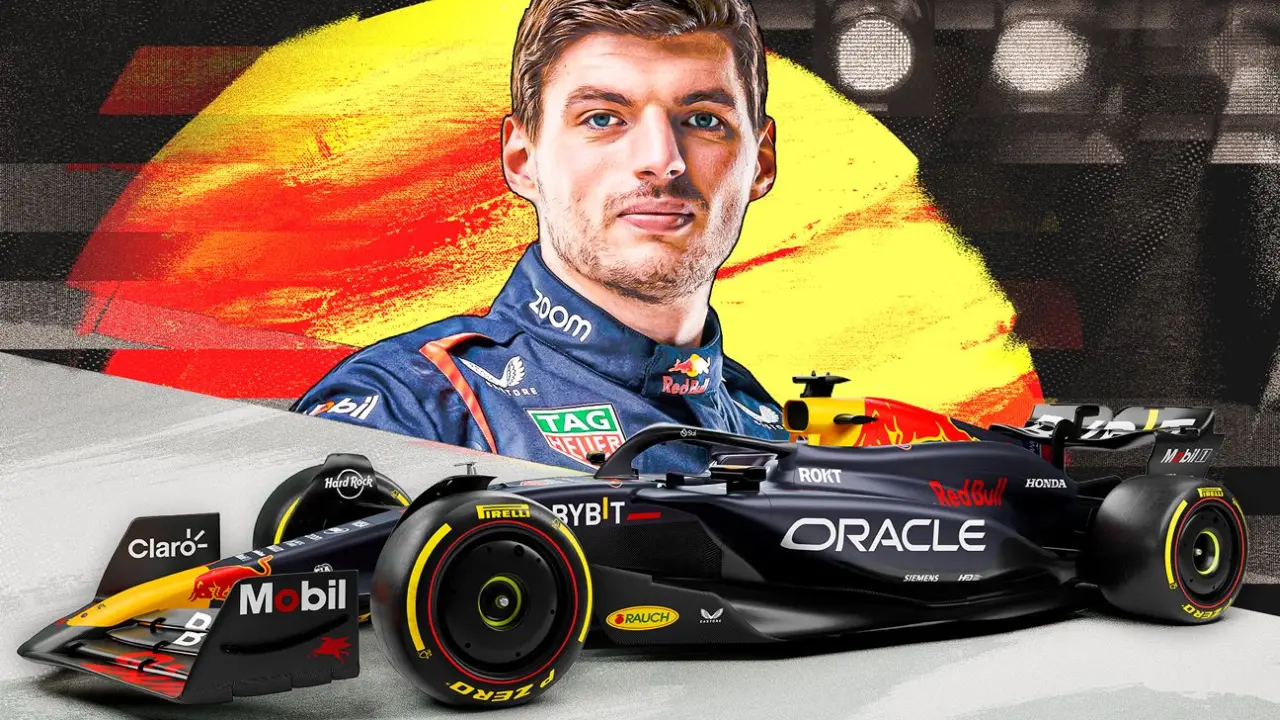
How Much Do Formula 1 Drivers Earn?
Formula 1 is not only the pinnacle of motorsport—it is also one of the world's most prestigious and financially rewarding sports. The fastest drivers on the planet compete under immense pressure, race at speeds exceeding 350 km/h (217 mph), and represent some of the biggest global brands in sports.
With such high stakes, it's no surprise that Formula 1 drivers earn salaries comparable to—or even exceeding—those of many of the world's highest-paid football and basketball stars.
However, a driver's salary is only one part of the story. Bonuses, sponsorships, endorsements, and personal business ventures often multiply their total earnings.
What Determines an F1 Driver's Salary?
A Formula 1 driver's contract is based on far more than raw speed.
Teams consider several factors before offering multi-million-dollar deals, including:
-
Racing experience
-
Championship titles
-
Consistency and race results
-
Technical feedback and car development skills
-
Marketability and global popularity
-
Sponsorship value
-
The financial strength of the team
Young rookies generally start with relatively modest salaries, while multiple world champions can negotiate contracts worth tens of millions of dollars annually.
Estimated Formula 1 Driver Salaries
While exact contracts are confidential, industry estimates provide a good picture of what top drivers earn before bonuses and personal sponsorship income.
The highest-paid drivers include:
-
Max Verstappen (Red Bull Racing) – approximately $55 million per year
-
Lewis Hamilton (Ferrari) – approximately $45 million per year
-
Charles Leclerc (Ferrari) – approximately $30 million per year
-
Fernando Alonso (Aston Martin) – approximately $20 million per year
-
Sergio Pérez (Red Bull Racing) – approximately $10 million per year
-
George Russell (Mercedes) – approximately $8 million per year
-
Lando Norris (McLaren) – approximately $6 million per year
-
Oscar Piastri (McLaren) – approximately $2 million per year
-
Logan Sargeant (Williams) – approximately $1 million per year
These figures represent estimated base salaries only and do not include performance bonuses, championship rewards, or personal commercial agreements.
Bonuses Can Add Millions
Formula 1 contracts often include generous performance-related bonuses.
Drivers may receive additional payments for:
-
Winning races
-
Achieving pole positions
-
Fastest laps
-
Championship standings
-
Constructors' Championship success
-
Meeting specific team performance targets
For championship-winning drivers, bonuses can sometimes exceed their base salary.
A dominant season may increase a driver's total compensation by tens of millions of dollars.
Sponsorships and Endorsements
For many Formula 1 stars, commercial partnerships generate as much income as racing itself.
Popular drivers work with luxury brands, watch manufacturers, fashion companies, technology firms, and energy drink brands.
Common endorsement categories include:
-
Luxury watches
-
Fashion labels
-
Sportswear
-
Automotive brands
-
Energy drinks
-
Financial services
-
Technology companies
For example, Lewis Hamilton has built one of the strongest personal brands in motorsport, working with companies such as Tommy Hilfiger, Monster Energy, and numerous luxury brands. These partnerships reportedly generate tens of millions of dollars throughout his career.
Social media has also become an increasingly valuable income source, allowing drivers to monetize their global fan bases through sponsored content and digital campaigns.
Why Do Formula 1 Drivers Earn So Much?
The enormous salaries reflect the extraordinary demands of the sport.
Exceptional Physical Fitness
Formula 1 drivers experience forces of up to 5G while braking and cornering.
During a single race they may lose 3–4 kilograms (6–9 pounds) of body weight through perspiration due to extreme cockpit temperatures.
Maintaining concentration under these conditions requires elite athletic conditioning.
Constant Risk
Although modern Formula 1 cars are significantly safer than ever before, drivers still compete at extremely high speeds where even minor mistakes can result in serious accidents.
Mental Pressure
Every race weekend involves split-second decision-making under intense pressure.
A single error can cost:
-
Race victories
-
Championship points
-
Millions of dollars
-
Team standings
-
Future contracts
Very few professions demand this level of sustained concentration.
Global Popularity
Formula 1 attracts hundreds of millions of viewers worldwide each season.
Drivers are not only athletes but also global ambassadors for their teams and sponsors, making them highly valuable from a marketing perspective.
What Do Rookie Drivers Earn?
New Formula 1 drivers typically earn much less than established champions.
Most rookies receive salaries ranging from approximately:
-
$200,000 to $1 million annually
While considerably lower than superstar contracts, these salaries remain substantial for drivers often in their early twenties.
Strong performances can quickly lead to larger contracts in subsequent seasons.
Who Is the Highest-Paid Formula 1 Driver?
In terms of base salary, Max Verstappen is widely regarded as the highest-paid Formula 1 driver today.
Multiple World Championships, consistent victories, and his dominant performances have made him one of the sport's most valuable athletes.
However, when sponsorship income and long-term commercial partnerships are included, Lewis Hamilton remains among the most commercially successful figures in motorsport history.
Total Annual Earnings
For Formula 1's biggest stars, annual income extends far beyond team salaries.
Combining:
-
Base salary
-
Performance bonuses
-
Sponsorship agreements
-
Endorsements
-
Licensing deals
-
Personal investments
A leading Formula 1 driver can earn between $60 million and $80 million per year, while some may exceed that amount during particularly successful seasons.
Final Thoughts
Formula 1 drivers are among the highest-paid athletes in the world because they operate in one of the most demanding sports ever created. They combine exceptional driving talent with elite physical conditioning, technical expertise, mental resilience, and worldwide market appeal.
The enormous salaries reflect not only their ability behind the wheel but also the immense commercial value they bring to teams, sponsors, and the Formula 1 brand itself.
For these drivers, every race is more than a competition—it's a high-speed performance where a fraction of a second can determine victory, millions of dollars in prize money, and a place in motorsport history.