TR
TR EN
EN

How to Start a Car on a Hill: Practical Tips for Beginners
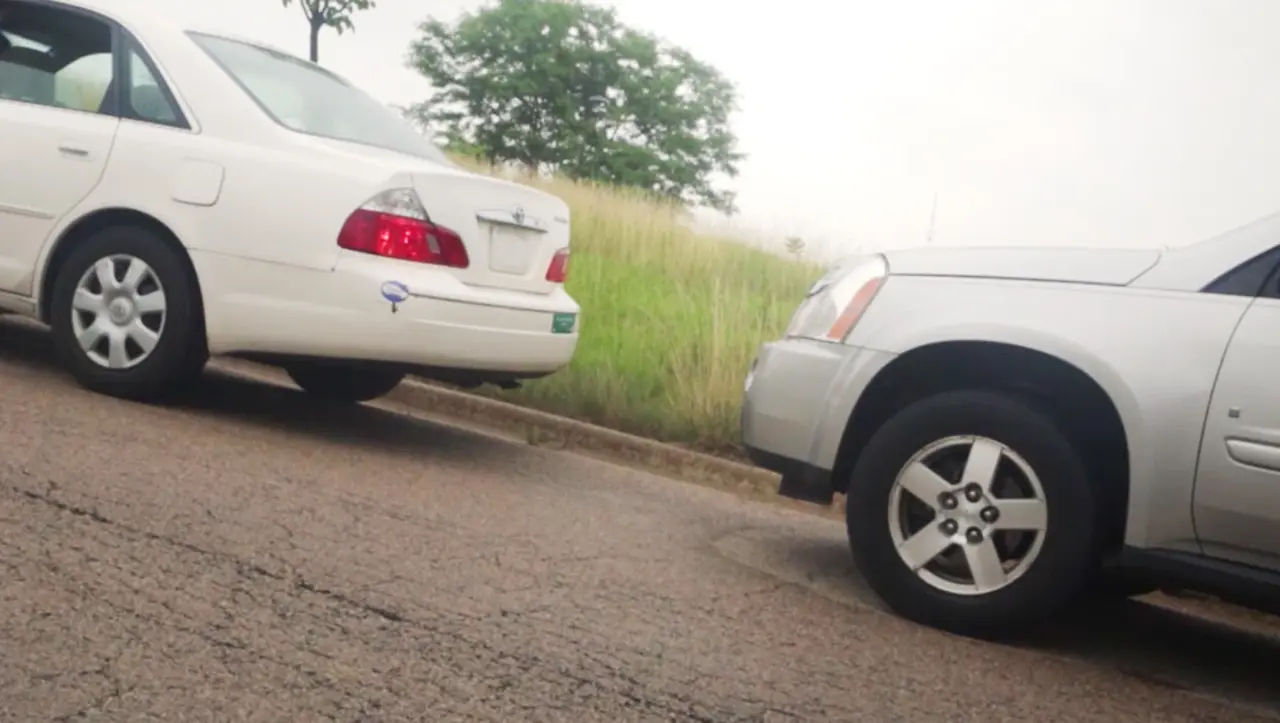
Learning to drive is an exciting milestone, but for many new drivers, one challenge stands out above the rest: starting a car on a hill. Whether you're driving a manual transmission for the first time or getting used to an older automatic vehicle, hill starts can feel intimidating.
Rolling backward, stalling the engine, or feeling pressured by the vehicle behind you are common concerns. Fortunately, hill starts become much easier once you understand the correct technique and practice regularly.
In this guide, we'll explain everything beginners need to know about hill starts, common mistakes to avoid, and practical tips to help you drive with confidence.
Why Are Hill Starts Difficult?
Unlike driving on flat roads, gravity works against your vehicle when you're stopped on an incline. As soon as you release the brake, the car naturally wants to roll backward.
For drivers of manual transmission vehicles, this means balancing three pedals at the same time:
-
The clutch
-
The accelerator
-
The brake
Coordinating these controls smoothly takes practice. Even experienced drivers once struggled with hill starts, so don't be discouraged if it doesn't feel easy at first.
Stay Calm Before Moving
One of the biggest reasons beginners struggle is panic.
When drivers become nervous, they often:
-
Release the clutch too quickly.
-
Forget to apply enough throttle.
-
Stall the engine.
-
Overreact when the vehicle rolls slightly backward.
Instead of rushing, take a deep breath and focus on performing each step smoothly. Confidence comes with repetition, not speed.
The Safest Method: Using the Parking Brake
Driving instructors around the world commonly recommend using the parking brake when learning hill starts.
This technique gives you more time to coordinate the clutch and accelerator without worrying about rolling backward.
Here's how to do it:
-
Bring the vehicle to a complete stop.
-
Apply the parking brake firmly.
-
Press the clutch pedal all the way down.
-
Shift into first gear.
-
Press the accelerator gently until the engine reaches an appropriate RPM for your vehicle.
-
Slowly release the clutch until you reach the biting point, where the vehicle begins trying to move forward.
-
Once you feel the car pulling forward, gradually release the parking brake.
-
Continue releasing the clutch smoothly while increasing throttle.
Using the parking brake greatly reduces stress for new drivers and minimizes the chance of rolling backward.
Understanding the Clutch Biting Point
The biting point is one of the most important concepts in manual driving.
It is the position where the clutch plates begin transferring power from the engine to the wheels.
You'll usually notice several signs when you've reached it:
-
The engine sound changes slightly.
-
The front of the vehicle lifts a little.
-
The vehicle feels like it wants to move forward.
-
The engine RPM may drop slightly.
Learning to recognize the biting point makes hill starts much easier.
Starting on a Hill Without the Parking Brake
Experienced drivers often perform hill starts without using the parking brake.
This method requires excellent coordination because your right foot must quickly move from the brake pedal to the accelerator while your left foot controls the clutch.
If your timing isn't perfect, the vehicle may roll backward briefly.
Although this technique can become natural with experience, beginners should first master the parking brake method before attempting it.
Hill Starts in Automatic Cars
Automatic transmission vehicles are generally much easier to drive on hills.
Most modern cars include Hill Start Assist, sometimes called Hill Holder, which temporarily keeps the brakes applied after you release the brake pedal.
This feature prevents the vehicle from rolling backward while you move your foot to the accelerator.
To perform a hill start in an automatic vehicle:
-
Keep the transmission in Drive (D).
-
Hold the brake until you're ready to move.
-
Release the brake smoothly.
-
Apply gentle pressure to the accelerator.
-
Let the vehicle move forward naturally.
Older automatic vehicles without Hill Start Assist may roll backward slightly on steep hills, so smooth throttle application is important.
What Is Hill Start Assist?
Hill Start Assist is a safety feature available in many modern vehicles.
When you stop on an incline, the system detects the slope and temporarily holds the brakes after you release the brake pedal.
This usually lasts for a couple of seconds, giving you enough time to accelerate without rolling backward.
Although Hill Start Assist is extremely helpful, it should never replace learning proper driving techniques.
Common Mistakes Beginners Should Avoid
Many new drivers develop habits that make hill starts more difficult than necessary.
Avoid these common mistakes:
-
Releasing the clutch too quickly.
-
Pressing the accelerator too hard.
-
Looking at the pedals instead of the road.
-
Holding the vehicle on the clutch instead of using the brake.
-
Panicking if the car rolls back slightly.
-
Trying to rush because of traffic behind you.
Making occasional mistakes is part of the learning process. Focus on improving gradually rather than trying to be perfect immediately.
How to Protect Your Clutch
Poor driving habits can significantly shorten clutch life.
To reduce wear:
-
Never hold the vehicle on a hill using only the clutch.
-
Use the parking brake whenever necessary.
-
Release the clutch smoothly instead of suddenly.
-
Avoid excessive engine revving during take-off.
-
Shift gears gently without forcing the transmission.
Replacing a worn clutch can be expensive, so proper technique saves money in the long run.
What If You Have to Stop on a Hill?
If you'll be stopped for more than a few seconds, it's better to reduce unnecessary strain on the vehicle.
For manual transmission vehicles:
-
Shift into neutral.
-
Apply the parking brake.
-
Remove your foot from the clutch until you're ready to move again.
For automatic vehicles:
-
Keep the brake pedal pressed during short stops.
-
If parking or waiting for an extended period, shift into Park (P) and apply the parking brake.
These habits help reduce wear on the drivetrain and improve safety.
Practice Makes Perfect
Hill starts are all about developing muscle memory.
A quiet area with a gentle incline is the best place to practice.
Spend time learning exactly where your clutch begins to engage before attempting steeper hills or heavy traffic.
As your confidence grows, you'll notice that coordinating the pedals becomes automatic.
Most drivers who once feared hill starts eventually perform them without even thinking.
Frequently Asked Questions
Can beginners learn hill starts quickly?
Yes. With regular practice, most new drivers become comfortable within a relatively short period.
Is it normal to stall while learning?
Absolutely. Stalling is a normal part of learning manual transmission driving and happens to almost everyone.
Is using the parking brake considered cheating?
Not at all. It is one of the safest and most widely recommended techniques for beginners.
Can automatic cars roll backward?
Some older automatic vehicles can roll slightly on steep hills. Most modern vehicles equipped with Hill Start Assist significantly reduce or eliminate this problem.
Final Thoughts
Hill starts may seem stressful when you're first learning to drive, but they become routine with practice and patience.
Understanding how your vehicle behaves, mastering the clutch biting point, and using the parking brake correctly will help you gain confidence behind the wheel.
Remember that every skilled driver was once a beginner. Don't let a few stalls or small mistakes discourage you. With consistent practice, hill starts will soon become just another part of everyday driving, allowing you to handle steep roads safely, smoothly, and confidently.