TR
TR EN
EN

The Most Challenging Countries to Drive In
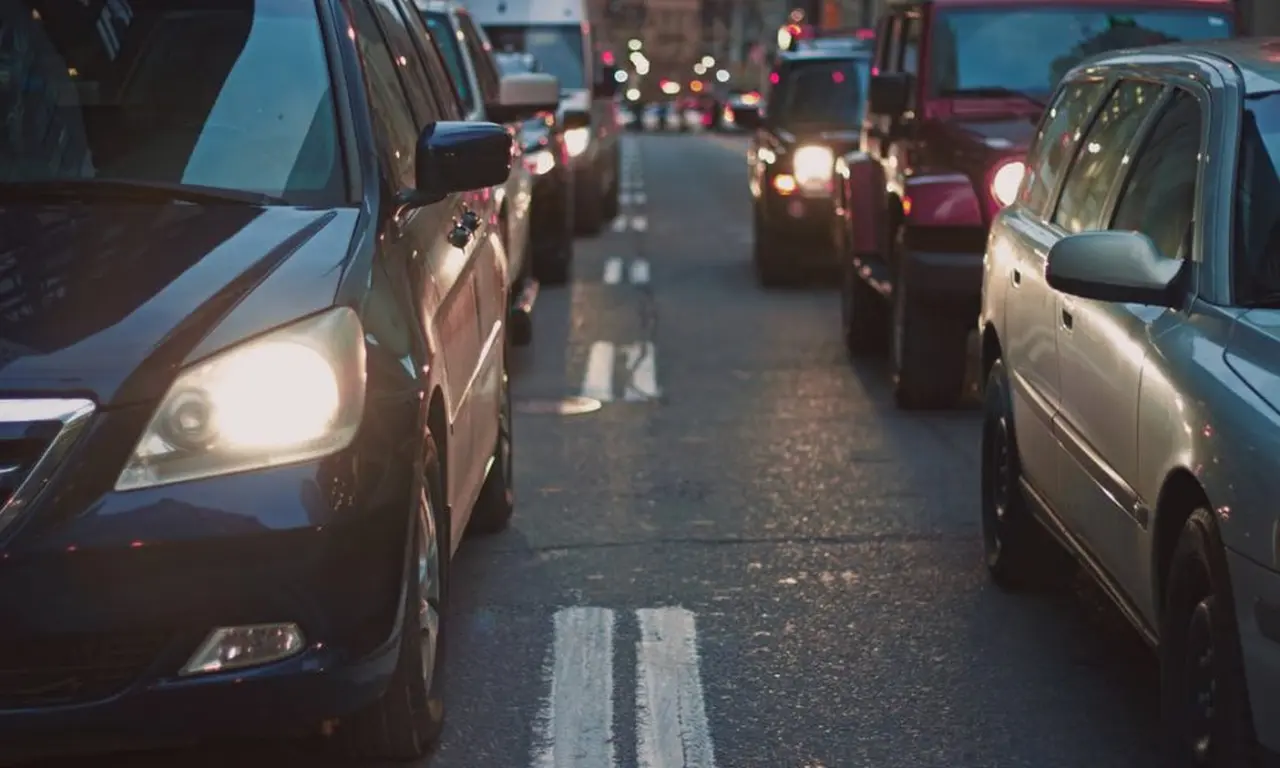
Driving abroad can be one of the best ways to explore a new destination, offering the freedom to travel at your own pace. However, not every country provides an easy driving experience. Different traffic laws, unfamiliar road layouts, aggressive driving styles, language barriers, and unique local customs can quickly turn a simple road trip into a challenging adventure.
While millions of people drive safely in these countries every day, visitors may find some destinations considerably more demanding than others. Here are some of the countries that are often considered among the most difficult places to drive.
India – Organized Chaos on the Roads
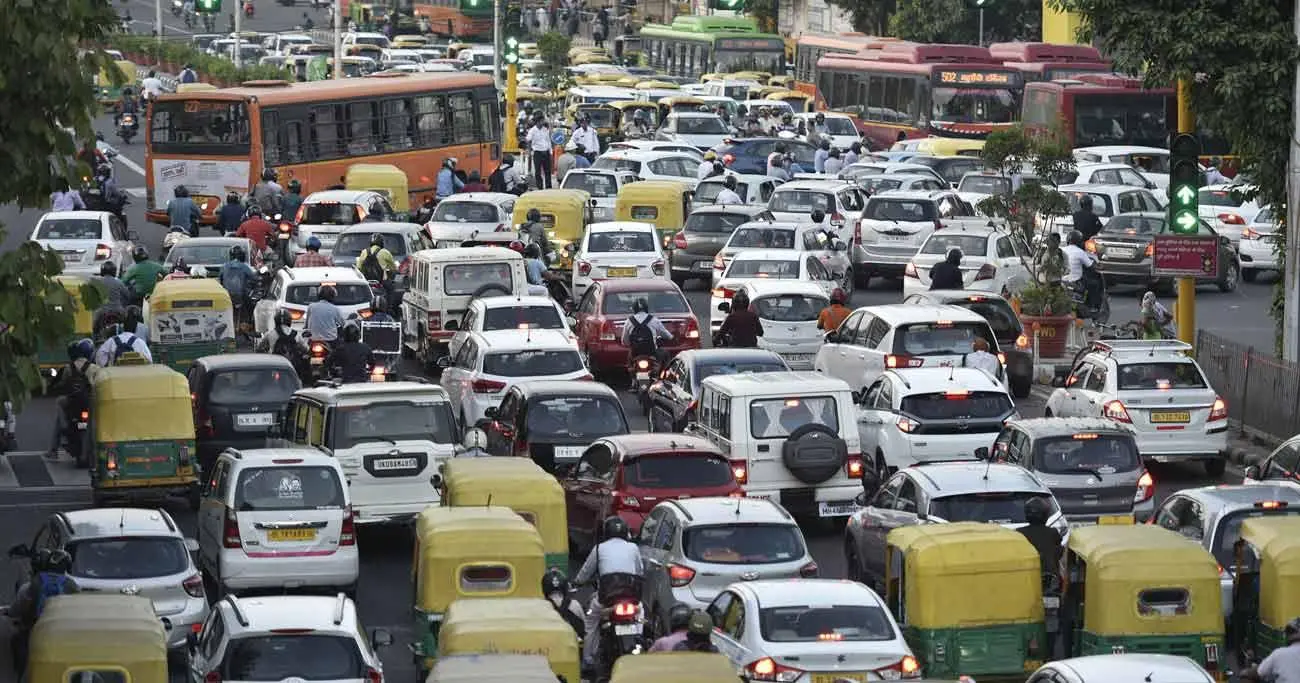
India is frequently ranked among the world's most challenging driving environments, particularly in large cities such as New Delhi and Mumbai.
Drivers share the roads with:
-
Cars
-
Motorcycles
-
Auto-rickshaws
-
Buses
-
Trucks
-
Pedestrians
-
Cows and other animals
Traffic can appear chaotic to newcomers, with frequent lane changes, heavy congestion, and widespread use of vehicle horns for communication.
Although traffic laws exist, local driving culture often relies heavily on anticipation and experience.
Difficulty Level: ⭐⭐⭐⭐⭐
Main challenges:
-
Extremely heavy traffic
-
High number of motorcycles
-
Unpredictable road users
-
Constant congestion
Egypt – Driving in Cairo Requires Confidence
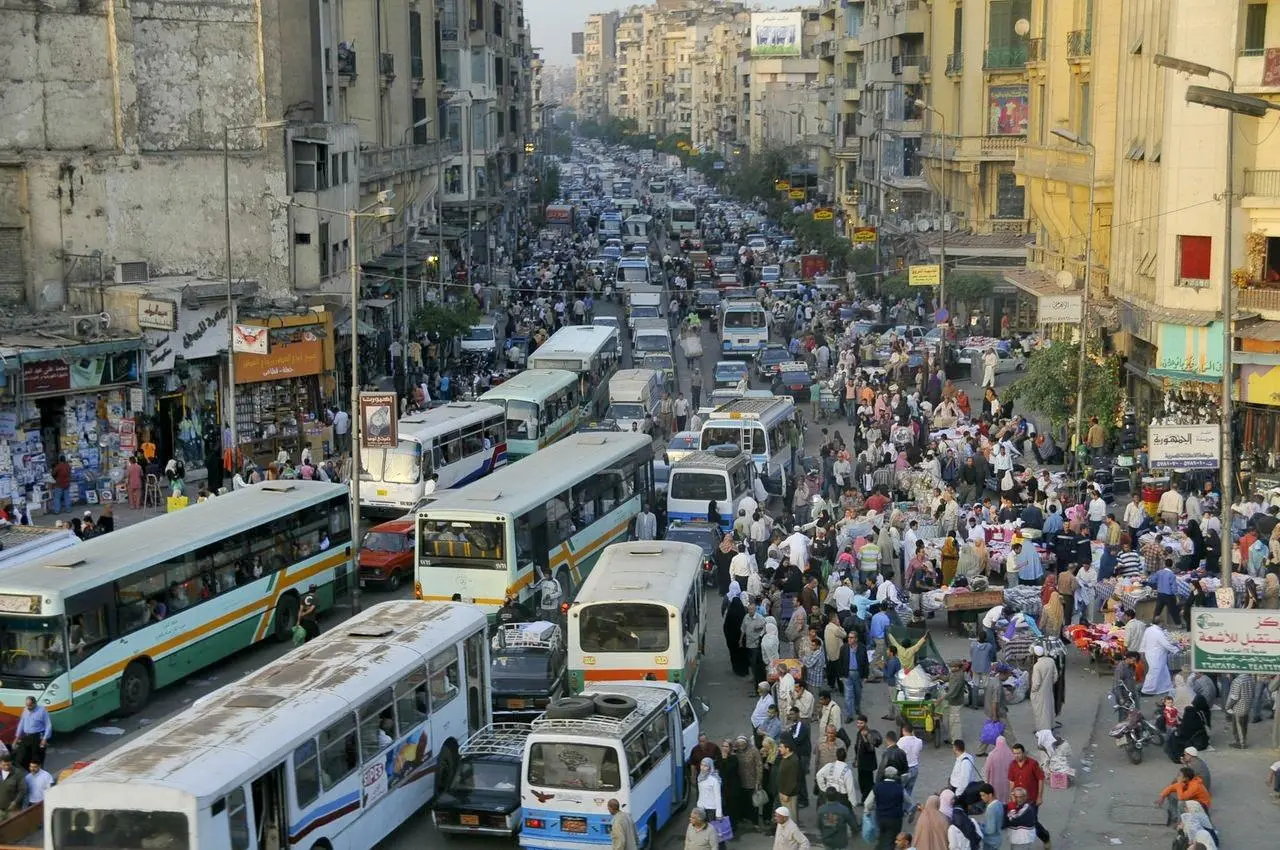
Driving in Cairo is often described as an intense experience.
Traffic is dense, lane discipline can be inconsistent, and drivers frequently communicate using their horns rather than turn signals.
Visitors may also encounter:
-
Limited lane markings
-
Congested intersections
-
Busy pedestrian activity
-
Mixed traffic conditions
For drivers unfamiliar with the local style, maintaining awareness at all times is essential.
Difficulty Level: ⭐⭐⭐⭐
Main challenges:
-
Congestion
-
Unpredictable driver behavior
-
Busy urban roads
Italy – Narrow Streets and Fast-Paced Driving
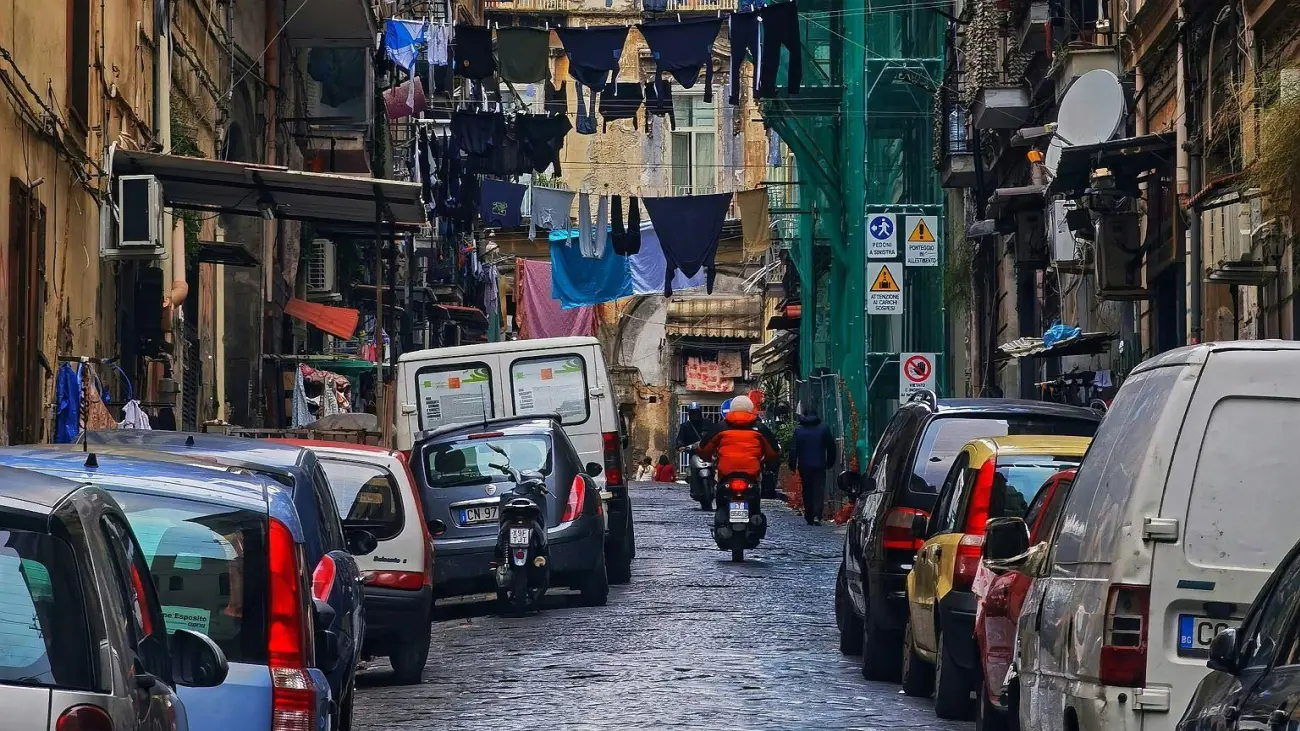
Italy offers some of Europe's most scenic roads, but driving in historic cities can be demanding.
Older city centers often feature:
-
Very narrow streets
-
Limited parking
-
Numerous scooters
-
Heavy pedestrian activity
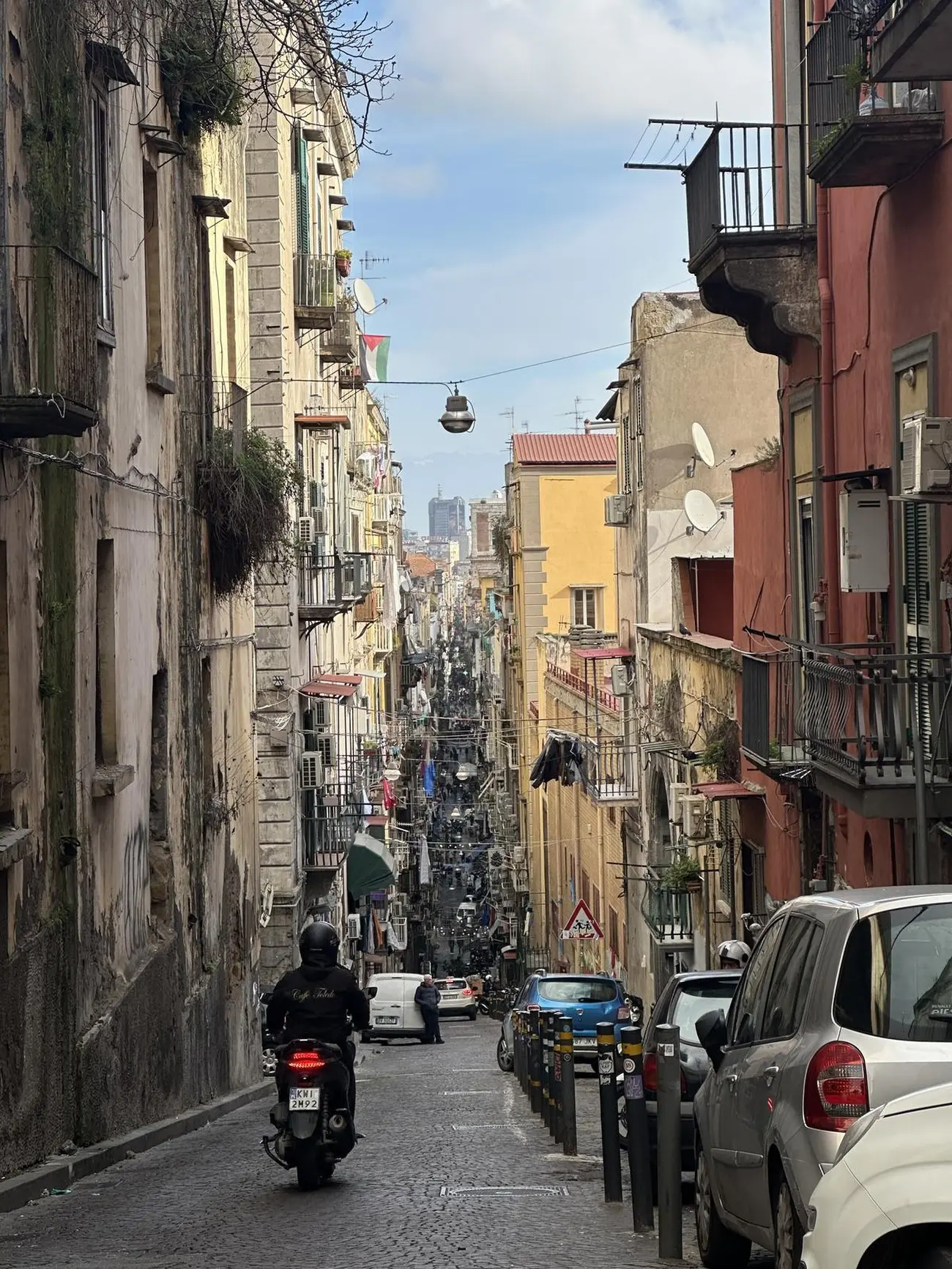
Cities such as Naples are known for energetic driving styles that may surprise visitors accustomed to calmer traffic.
Outside urban areas, however, Italy's motorway network is modern and generally well maintained.
Difficulty Level: ⭐⭐⭐
Main challenges:
-
Narrow streets
-
Fast-moving local traffic
-
Limited parking
Vietnam – A Sea of Motorcycles
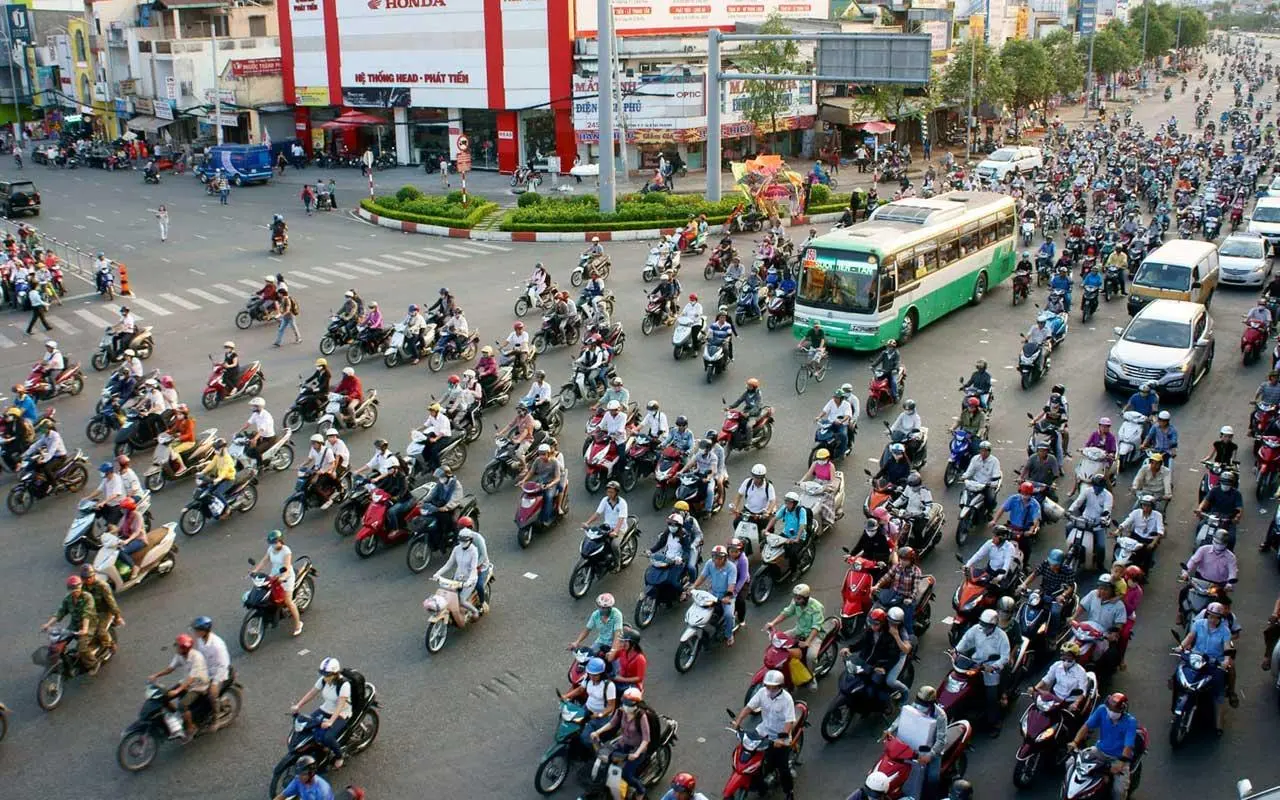
Vietnam's major cities are famous for their enormous number of motorcycles.
In places like Hanoi and Ho Chi Minh City, motorcycles dominate the roads, often moving continuously through intersections.
For first-time visitors, traffic may appear overwhelming because:
-
Motorcycles travel in large groups.
-
Pedestrians often cross slowly through moving traffic.
-
Lane discipline differs from many Western countries.
Despite the apparent chaos, local drivers are generally accustomed to these conditions.
Difficulty Level: ⭐⭐⭐⭐
Main challenges:
-
Massive motorcycle traffic
-
Continuous movement
-
Busy intersections
United Kingdom – Driving on the Left
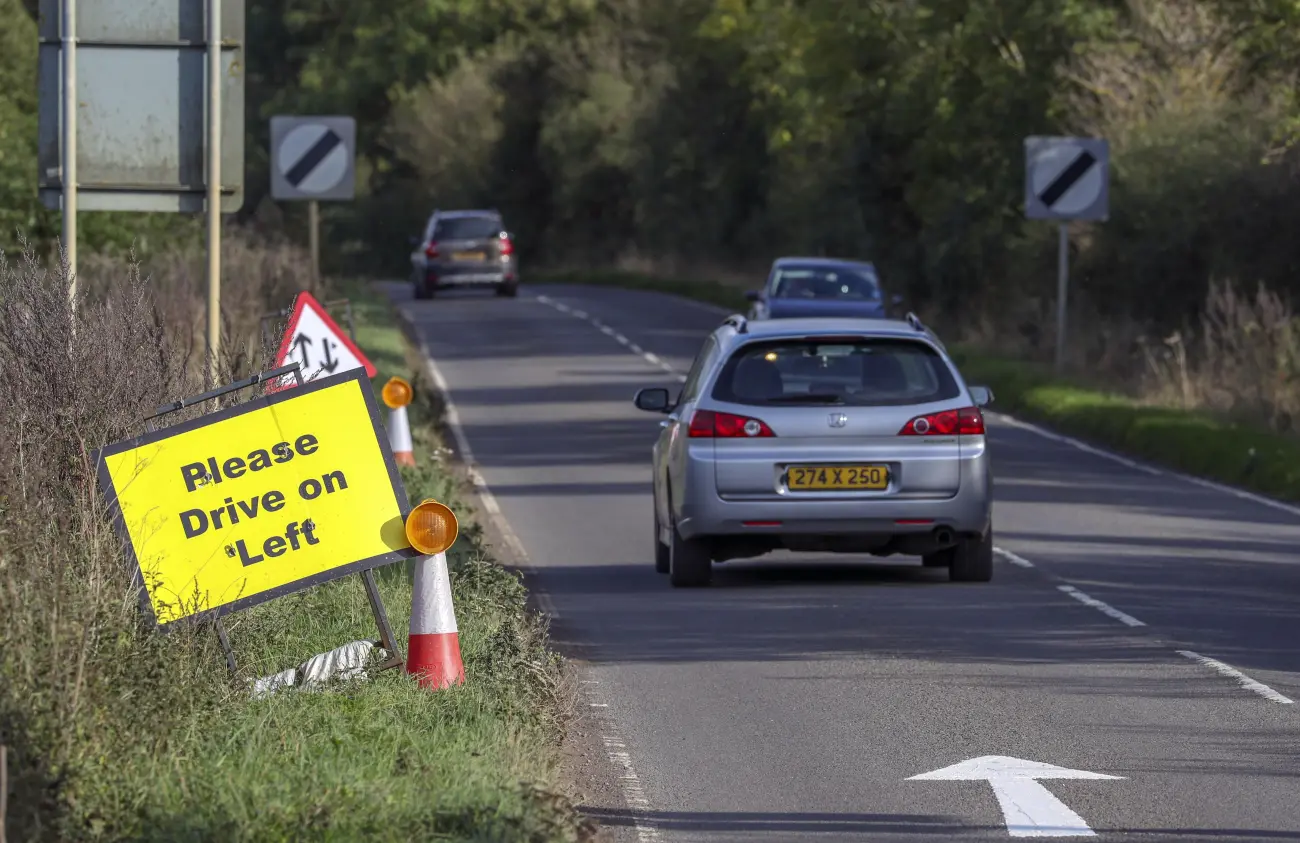
The United Kingdom presents a different challenge rather than chaotic traffic.
The biggest adjustment for many international visitors is driving on the left-hand side of the road.
Additional challenges include:
-
Right-hand-drive vehicles
-
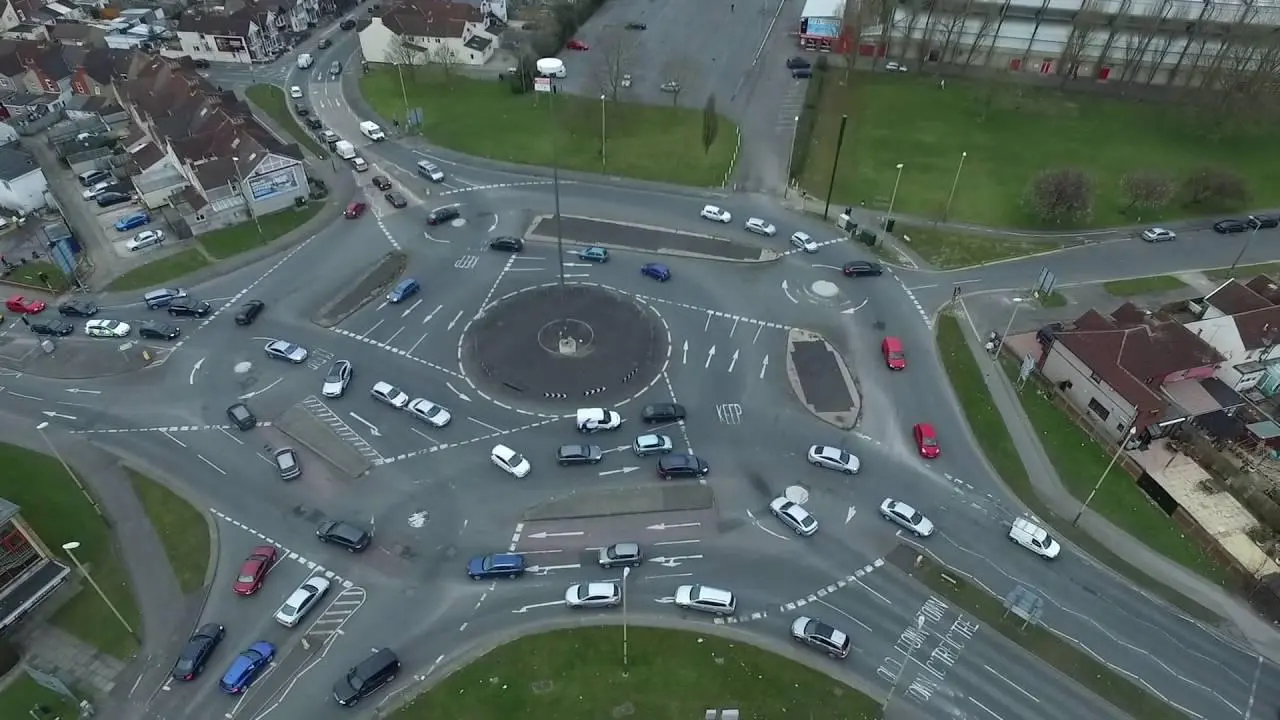
Numerous roundabouts
-
Narrow rural roads
-
Complex urban traffic
For drivers accustomed to right-hand traffic, intersections and roundabouts require extra concentration.
Difficulty Level: ⭐⭐
Main challenges:
-
Left-side driving
-
Roundabouts
-
Different road layouts
Japan – Precision and Strict Rules
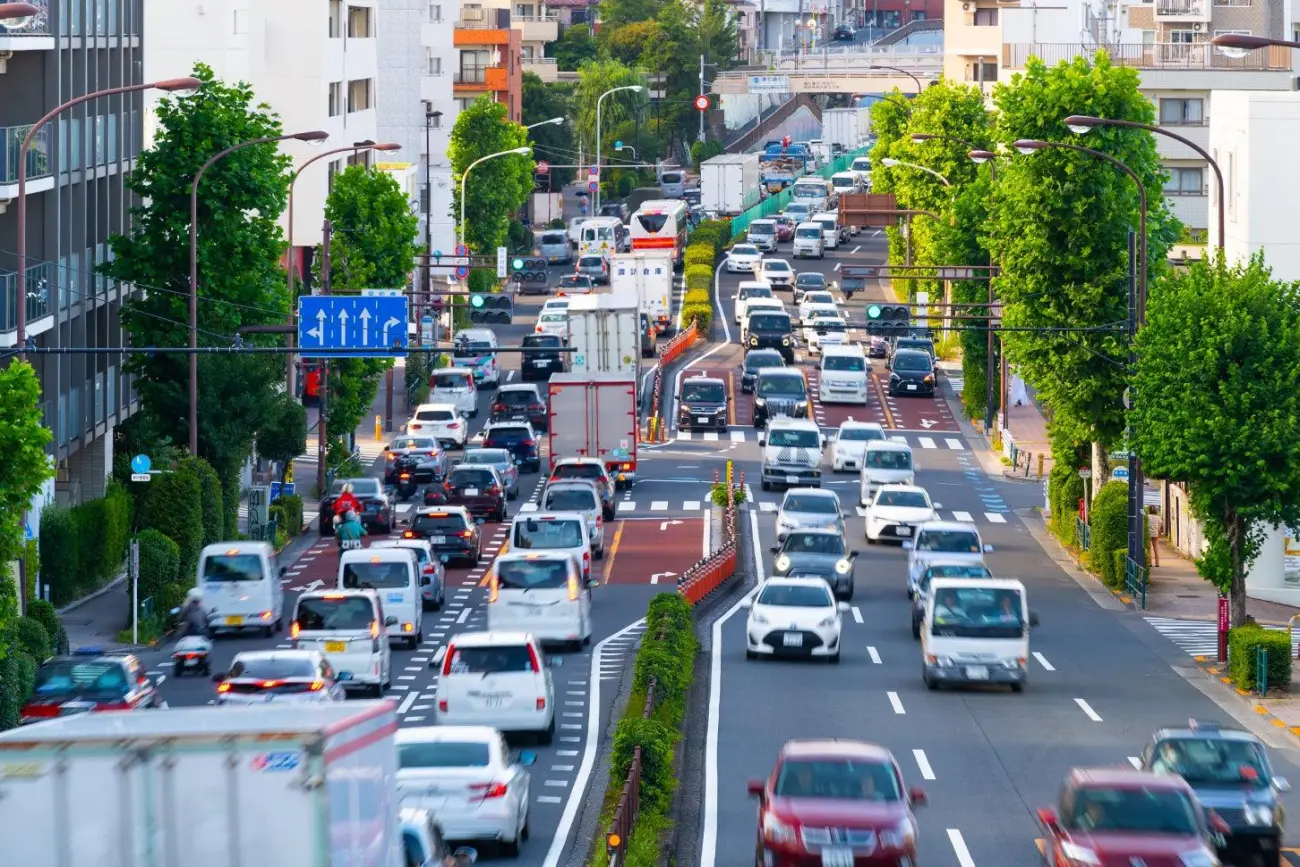
Japan has one of the safest road networks in the world.
Traffic is orderly, drivers are generally courteous, and road conditions are excellent.
However, foreign visitors may find Japan challenging because of:
-
Left-side driving
-
Strict traffic regulations
-
Dense urban road networks
-
Road signs primarily written in Japanese (although major routes increasingly include English)
The challenge lies less in aggressive driving and more in adapting to an unfamiliar but highly organized system.
Difficulty Level: ⭐⭐⭐
Main challenges:
-
Left-side driving
-
Strict compliance with traffic rules
-
Language differences
Brazil – Driving and Personal Safety
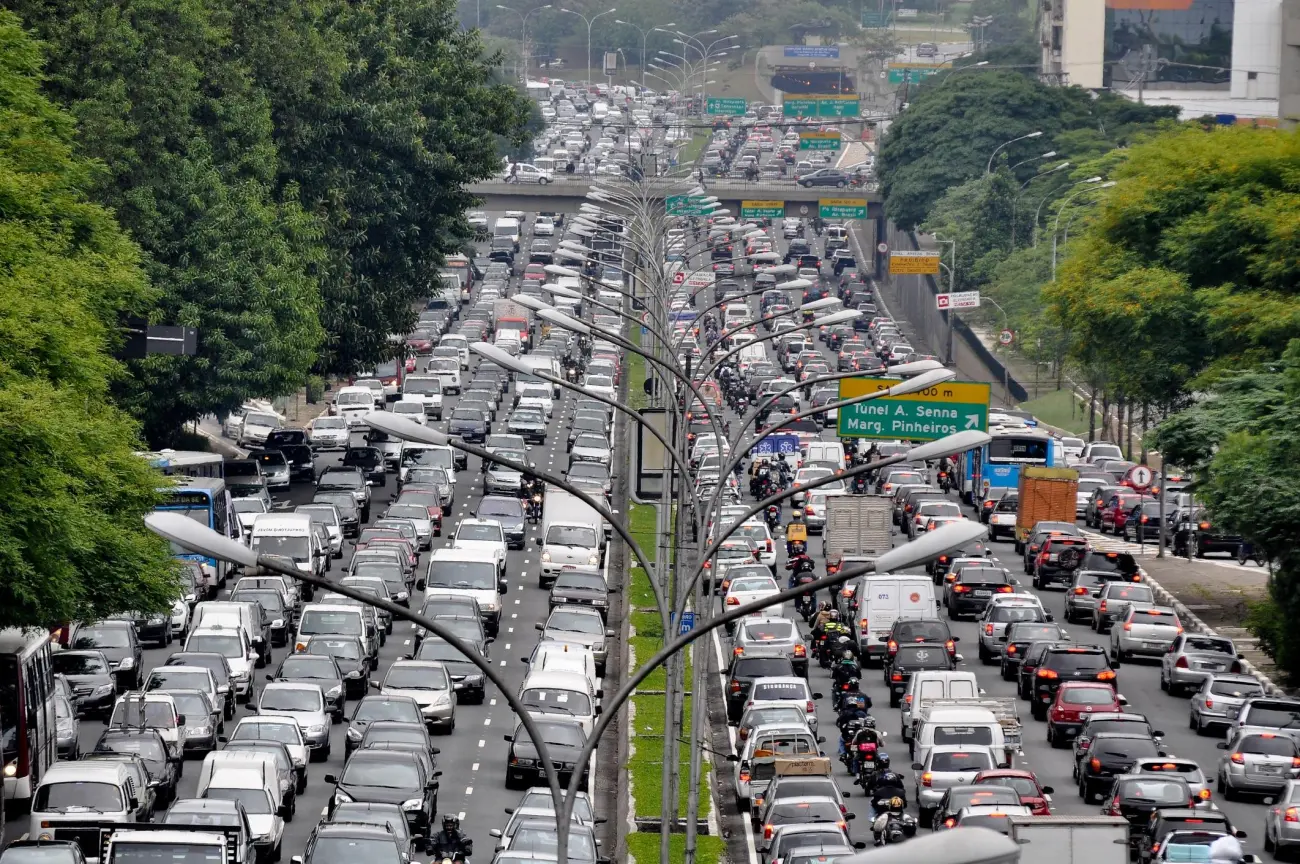
Driving in Brazil can be demanding for reasons beyond traffic alone.
Major cities often experience:
-
Heavy congestion
-
Aggressive driving
-
High numbers of motorcycles
In some areas, local safety recommendations may also influence driving behavior, particularly regarding nighttime travel and personal security.
Visitors should always follow local guidance and remain aware of regional conditions.
Difficulty Level: ⭐⭐⭐⭐
Main challenges:
-
Congestion
-
Defensive driving requirements
-
Regional security considerations
China – Large Cities, Large Traffic Volumes
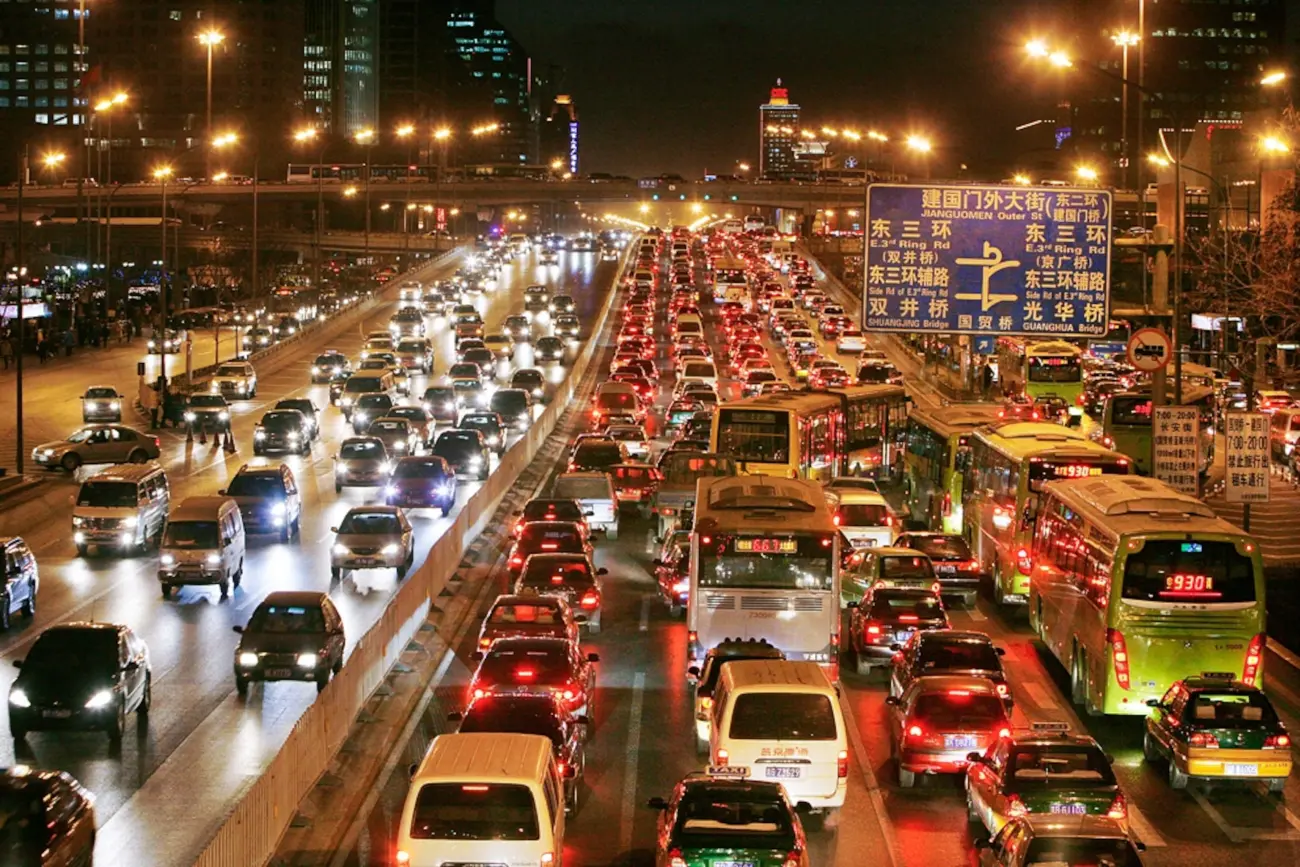
China's largest metropolitan areas present another challenging driving environment.
Cities such as Beijing and Shanghai feature:
-
Extremely high traffic volumes
-
Complex highway systems
-
Frequent congestion
-
Large numbers of cyclists and electric scooters
International visitors may also encounter language barriers when navigating local roads, although navigation technology has made travel considerably easier.
Foreign visitors should also be aware that many countries' driver's licenses are not automatically valid in mainland China, and local licensing requirements may apply.
Difficulty Level: ⭐⭐⭐⭐
Main challenges:
-
Heavy traffic
-
Large urban road networks
-
Language barriers
-
Local licensing rules
What Makes Driving Difficult in Different Countries?
Several factors influence how challenging driving can be:
-
Traffic density
-
Local driving culture
-
Road quality
-
Language barriers
-
Road signage
-
Weather conditions
-
Driving on the opposite side of the road
-
Complex intersections or roundabouts
-
Local traffic enforcement
A country with excellent roads may still feel difficult if the driving customs are unfamiliar.
Tips for Driving Abroad
Before renting a vehicle in another country:
-
Learn the local traffic laws.
-
Check whether an International Driving Permit (IDP) is required.
-
Familiarize yourself with local road signs.
-
Understand parking regulations.
-
Research toll roads and payment systems.
-
Drive defensively until you become comfortable with local traffic patterns.
-
Avoid driving immediately after arriving if you're experiencing jet lag.
Preparation can significantly reduce stress and improve safety.
Conclusion
Driving conditions vary dramatically around the world. In some countries, the biggest challenge is intense traffic and unpredictable road users. In others, adapting to left-side driving, unfamiliar road signs, or highly structured traffic rules requires extra concentration.
Regardless of the destination, understanding local laws, respecting driving customs, and remaining patient are the keys to a safe and enjoyable journey. With proper preparation, even the world's most challenging roads can become rewarding travel experiences.