TR
TR EN
EN

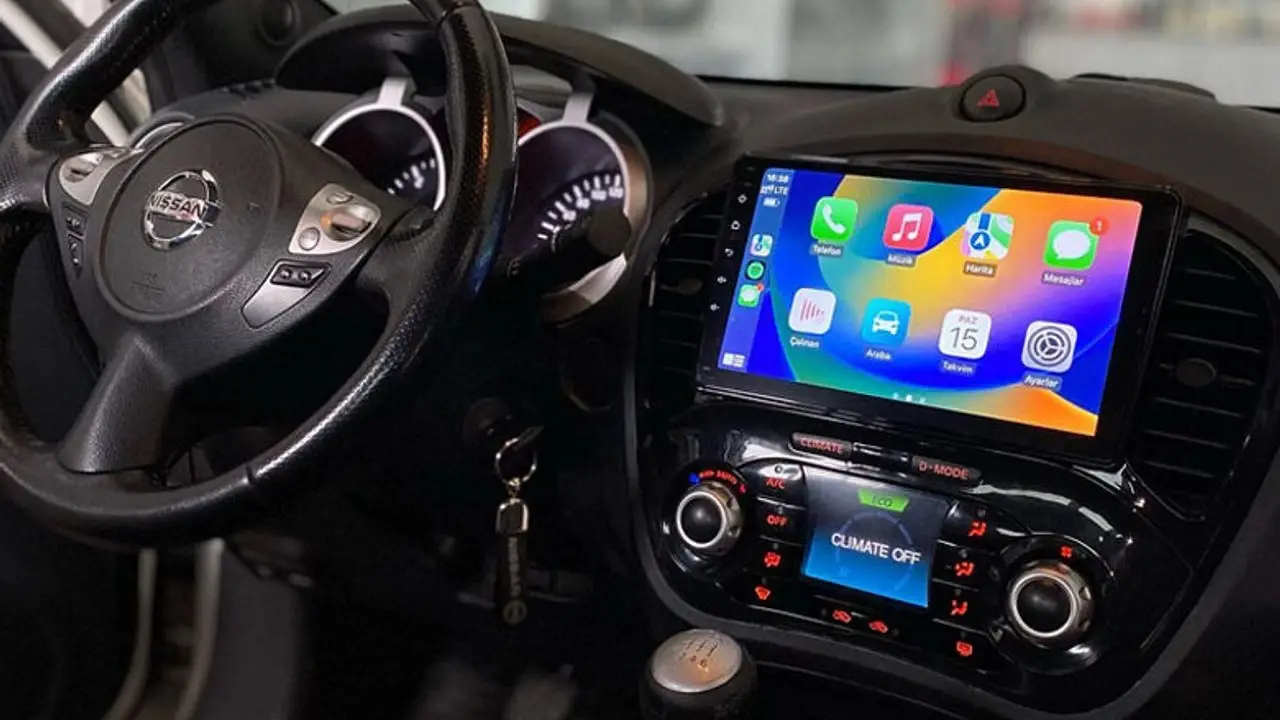
Are Aftermarket Multimedia Screens in Vehicles Legal?
Modern vehicles are increasingly equipped with large infotainment displays, leading many drivers to upgrade older cars with aftermarket multimedia systems. Features like Apple CarPlay®, Android Auto™, GPS navigation, Bluetooth connectivity, and reverse camera support make these systems attractive and practical.
However, one common question remains:
Are aftermarket multimedia screens legal?
The answer is yes—but only if they comply with road safety regulations and are installed correctly. Across Europe, there is no blanket ban on aftermarket multimedia screens, but there are strict rules governing where they are installed, how they are used, and whether they distract the driver.
This guide explains what is generally permitted, what may be prohibited, and how to stay compliant with European traffic laws.
Are Aftermarket Multimedia Screens Illegal?
No.
Installing an aftermarket multimedia head unit is generally legal throughout Europe, provided that:
-
It is securely installed.
-
It does not obstruct the driver's view.
-
It does not interfere with vehicle controls.
-
It complies with national road safety regulations.
-
It is used responsibly while driving.
Problems arise when the screen becomes a distraction or creates a safety hazard.
Why Are Authorities Concerned?
Road safety organizations have become increasingly concerned about driver distraction.
Modern infotainment systems can display:
-
Navigation
-
Music streaming
-
Phone calls
-
Vehicle information
-
Smartphone apps
While these functions are useful, excessive interaction with touchscreens can significantly reduce driver attention.
Research has shown that even a few seconds of looking away from the road dramatically increases accident risk.
Safe Installation Is Essential
An aftermarket multimedia screen should be installed where the vehicle manufacturer intended the radio or infotainment system to be located.
A properly installed unit should:
-
Sit securely within the center dashboard.
-
Be easily visible without blocking the road.
-
Remain within comfortable reach.
-
Avoid interfering with airbags or safety systems.
-
Maintain access to essential vehicle controls.
Professional installation is strongly recommended.
Screens That Block Visibility
One of the most common reasons for enforcement action is obstructed visibility.
Drivers should never install screens that:
-
Block the windshield.
-
Cover the instrument cluster.
-
Reduce visibility at intersections.
-
Obstruct traffic signs or pedestrians.
Even if the system functions correctly, blocking the driver's line of sight may violate traffic regulations.
Video Playback While Driving
Across much of Europe, displaying entertainment content that is visible to the driver while the vehicle is moving is prohibited.
Examples include:
-
Movies
-
Television broadcasts
-
Streaming services
-
YouTube videos
-
Social media videos
-
Video games
The driver's attention must remain focused on the road.
Passengers may use separate entertainment screens where permitted by local regulations.
Navigation Is Generally Allowed
Navigation is one of the primary reasons drivers install aftermarket multimedia systems.
Using GPS is generally acceptable when:
-
The destination is entered before driving.
-
Voice guidance is enabled.
-
The screen is securely mounted.
-
The driver does not continuously interact with the display.
Voice navigation helps reduce distractions and is recommended by road safety experts.
Apple CarPlay and Android Auto
Many aftermarket multimedia systems support:
-
Apple CarPlay
-
Android Auto
These platforms provide:
-
Hands-free calling
-
Voice-controlled messaging
-
Navigation
-
Music streaming
-
Voice assistants
When used correctly, these features can actually improve safety by reducing the need to handle a smartphone.
However, drivers should still avoid excessive interaction with touchscreen menus while driving.
Distracted Driving Laws Still Apply
Installing a multimedia system does not exempt drivers from distracted driving laws.
Potentially illegal activities include:
-
Browsing the internet
-
Typing messages
-
Watching videos
-
Scrolling through social media
-
Entering long navigation destinations while driving
-
Frequently adjusting complex settings
If an officer determines that the screen distracted the driver, penalties may apply regardless of whether the equipment itself is legal.
Oversized Displays Can Create Problems
Some aftermarket systems use extremely large displays that extend beyond the original dashboard design.
Potential issues include:
-
Reduced forward visibility
-
Reflections on the windshield
-
Blocked air vents
-
Obstructed warning lights
-
Interference with airbag deployment
-
Driver distraction
Choosing a screen size appropriate for your vehicle is an important safety consideration.
Reverse Cameras and Parking Assistance
Most modern multimedia systems support:
-
Reverse cameras
-
Parking sensors
-
360-degree camera systems
These features generally improve safety by:
-
Reducing blind spots.
-
Helping prevent low-speed collisions.
-
Improving parking accuracy.
Because they are activated only when needed, they are widely accepted as beneficial driver-assistance features.
Professional Installation Matters
Improper installation can create more than just legal issues.
Poor wiring may cause:
-
Electrical faults
-
Battery drain
-
Short circuits
-
Airbag warning lights
-
CAN bus communication errors
-
Steering wheel control failures
Using experienced installers helps ensure the system functions safely and reliably.
What Is Generally Permitted?
In most European countries, the following are generally acceptable:
-
Factory-style multimedia head units
-
Apple CarPlay and Android Auto
-
Bluetooth hands-free systems
-
GPS navigation
-
Reverse cameras
-
Parking assistance displays
-
Securely installed center-console screens
Always ensure the installation complies with local vehicle regulations.
What May Be Prohibited?
Drivers should avoid systems that:
-
Block the driver's view.
-
Display entertainment videos while driving.
-
Are mounted on top of the dashboard without proper support.
-
Interfere with airbags or safety equipment.
-
Encourage prolonged interaction while driving.
-
Produce excessive brightness that affects nighttime visibility.
National laws may impose additional restrictions.
Safety Organizations and the Future
Road safety organizations, including Euro NCAP, have increasingly emphasized the importance of minimizing driver distraction.
While Euro NCAP's recommendations primarily influence vehicle manufacturers rather than aftermarket products, they reflect a broader trend toward:
-
Simpler user interfaces.
-
Better voice control.
-
Reduced touchscreen dependence.
-
Easier access to essential driving functions.
Future vehicle safety standards are expected to continue prioritizing systems that help drivers keep their eyes on the road.
Tips for Safe Multimedia Screen Use
To maximize safety:
-
Install the unit professionally.
-
Keep software updated.
-
Use voice commands whenever possible.
-
Program navigation before starting your journey.
-
Avoid changing settings while driving.
-
Keep screen brightness appropriate for daytime and nighttime driving.
-
Use steering wheel controls if available.
Small habits can significantly reduce driver distraction.
Frequently Asked Questions
Are aftermarket multimedia screens banned in Europe?
No. They are generally legal, provided they are safely installed and comply with national traffic regulations.
Can I watch movies on my multimedia screen while driving?
No. Entertainment videos visible to the driver are prohibited in many European countries because they create a serious distraction.
Is Apple CarPlay legal?
Yes. Apple CarPlay and Android Auto are widely accepted when used for navigation, hands-free communication, and other driving-related functions.
Can an oversized screen cause legal problems?
Potentially. If the display obstructs visibility, interferes with vehicle controls, or creates a distraction, authorities may take enforcement action under applicable traffic laws.
Should I install the system myself?
Professional installation is recommended to ensure electrical safety, proper integration with vehicle systems, and compliance with local regulations.
Final Thoughts
Aftermarket multimedia screens can make driving more convenient by adding navigation, smartphone integration, and hands-free communication to older vehicles. However, convenience should never come at the expense of safety.
The key principles are simple:
-
Install the screen in the proper location.
-
Keep your view of the road unobstructed.
-
Never watch videos while driving.
-
Minimize interaction with the display.
-
Use voice controls whenever possible.
When installed correctly and used responsibly, an aftermarket multimedia system can enhance your driving experience while remaining compliant with road safety regulations across Europe.