TR
TR EN
EN

Are Phone Mounts Illegal in Cars? Can You Be Fined for Using One?
Using a phone for navigation has become part of everyday driving, but many motorists are unsure whether phone mounts are actually legal. Social media often spreads claims that simply attaching a phone mount to your windshield can result in a huge fine. In reality, the rules are more nuanced.
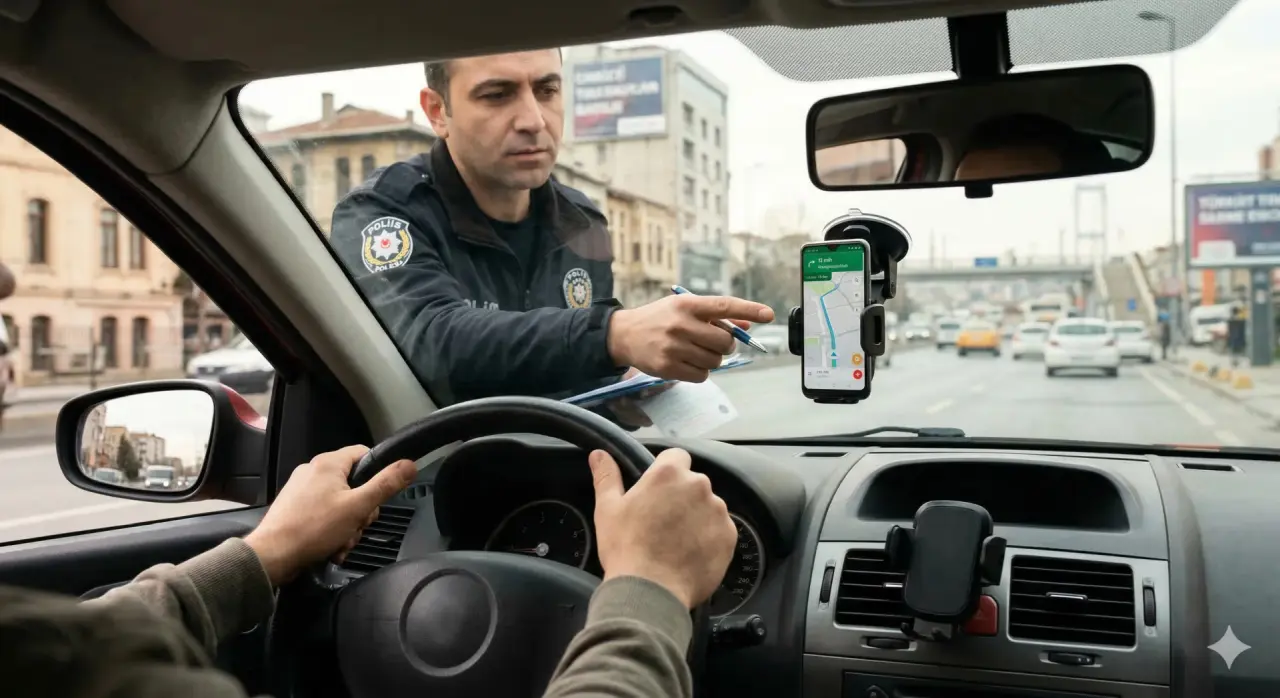
In most countries, phone mounts themselves are not illegal. What matters is where the mount is installed and how the phone is used while driving. A poorly positioned mount that blocks your view or manually using your phone while the vehicle is moving can lead to penalties under distracted driving or obstruction-of-vision laws.
In this guide, we'll explain what drivers need to know about phone mounts, safe placement, and how to avoid unnecessary fines.
Are Phone Mounts Illegal?
The simple answer is no.
Most traffic laws do not prohibit owning or using a phone mount inside your vehicle. Instead, regulations focus on whether the mount:
-
Blocks your view of the road
-
Interferes with safe driving
-
Encourages illegal phone use while driving
A properly installed phone mount used for navigation or hands-free communication is generally permitted.
Where Should You Place a Phone Mount?
The location of the mount is one of the most important factors.
A safe phone mount should:
-
Sit low on the dashboard
-
Be positioned near the lower corners of the windshield (where permitted)
-
Avoid blocking traffic signs, pedestrians, cyclists, or intersections
-
Stay outside your primary field of vision
Drivers should never place a phone mount directly in the center of the windshield where it can obstruct the road ahead.
Avoid Blocking Windshield Visibility
Many countries have rules prohibiting objects that interfere with the driver's view through the windshield.
Common examples include:
-
Large phone holders
-
Tablets
-
Dash-mounted screens
-
Decorative accessories
If a police officer determines that your device limits visibility, you could receive a citation even if the phone itself is not being used.
Be Careful Around Windshield Wiper Zones
Some jurisdictions also regulate where accessories may be attached to the windshield.
Items positioned in areas that are not effectively cleared by the windshield wipers can reduce visibility during:
-
Heavy rain
-
Snow
-
Fog
For this reason, many experts recommend dashboard-mounted or air-vent phone holders instead of large windshield mounts.
Hands-Free Use Is Generally Allowed
Using a mounted phone for certain functions is usually legal.
Examples include:
-
GPS navigation
-
Hands-free phone calls
-
Voice assistants
-
Music playback controlled by voice commands
These features help drivers keep both hands on the steering wheel and reduce distractions.
Set Up Navigation Before Driving
One of the safest habits is preparing your route before you begin your journey.
Before moving:
-
Enter your destination.
-
Choose your preferred route.
-
Start voice-guided navigation.
-
Connect Bluetooth if necessary.
Trying to program GPS while driving is both dangerous and illegal in many countries.
Can You Touch a Mounted Phone While Driving?
This is where many drivers get into trouble.
Even if the phone is securely mounted, manually interacting with it while driving may violate distracted driving laws.
Activities that are commonly prohibited include:
-
Sending text messages
-
Reading messages
-
Browsing social media
-
Typing addresses while driving
-
Watching videos
-
Playing games
In many jurisdictions, these actions remain illegal even if your vehicle is temporarily stopped at a traffic light.
What About Navigation?
Using navigation itself is generally acceptable.
However:
-
Keep the phone securely mounted.
-
Follow voice guidance whenever possible.
-
Avoid repeatedly touching the screen while driving.
-
Make route changes only after pulling over safely.
A mounted phone should function as a driving aid—not a distraction.
Best Phone Mount Locations
For maximum safety, consider these mounting options:
Dashboard Mount
-
Low driving distraction
-
Easy to reach
-
Minimal windshield obstruction
Air Vent Mount
-
Popular and inexpensive
-
Keeps the windshield completely clear
-
Simple installation
Low Windshield Corner Mount
-
Acceptable in many regions if it does not obstruct visibility
-
Should remain outside the driver's primary viewing area
Avoid placing mounts:
-
Directly in front of the steering wheel
-
In the center of the windshield
-
Near airbag deployment zones
-
Where they block instrument displays
Why Visibility Matters
Traffic safety experts consistently identify reduced visibility as a major contributor to crashes.
Even a small obstruction can hide:
-
Pedestrians
-
Motorcyclists
-
Cyclists
-
Traffic signals
-
Road signs
-
Vehicles approaching from intersections
Keeping the windshield as clear as possible improves reaction time and overall driving safety.
Tips to Avoid Fines
To stay compliant with traffic laws:
-
Mount your phone where it does not block your view.
-
Use hands-free features whenever possible.
-
Set navigation before starting your trip.
-
Never text while driving.
-
Do not watch videos or browse social media.
-
Use voice commands instead of touching the screen.
-
Pull over safely if you need to interact with your phone.
These simple habits not only reduce the risk of fines but also make the roads safer for everyone.
Frequently Asked Questions
Are phone mounts legal?
Yes. In most countries, phone mounts are legal as long as they do not obstruct the driver's view or create a safety hazard.
Can I use my phone for GPS while driving?
Generally yes, provided it is securely mounted and operated hands-free whenever possible.
Can I text using a mounted phone?
No. Mounting the phone does not make texting or manually using apps while driving legal.
Can I adjust navigation while stopped at a traffic light?
In many jurisdictions, manually using your phone—even while temporarily stopped in traffic—is still considered distracted driving. If changes are necessary, pull over safely first.
Is a dashboard mount better than a windshield mount?
In many cases, yes. A dashboard or air-vent mount usually creates less visual obstruction than a windshield-mounted holder.
Final Thoughts
A phone mount can make driving safer by keeping your device accessible for navigation and hands-free communication—but only when it is installed correctly and used responsibly.
The key principles are simple:
-
Keep your view of the road clear.
-
Position the mount in a safe location.
-
Set navigation before driving.
-
Avoid touching your phone while the vehicle is in motion.
Following these best practices helps you stay compliant with traffic laws, avoid distracted driving penalties, and focus on what matters most: driving safely.