TR
TR EN
EN

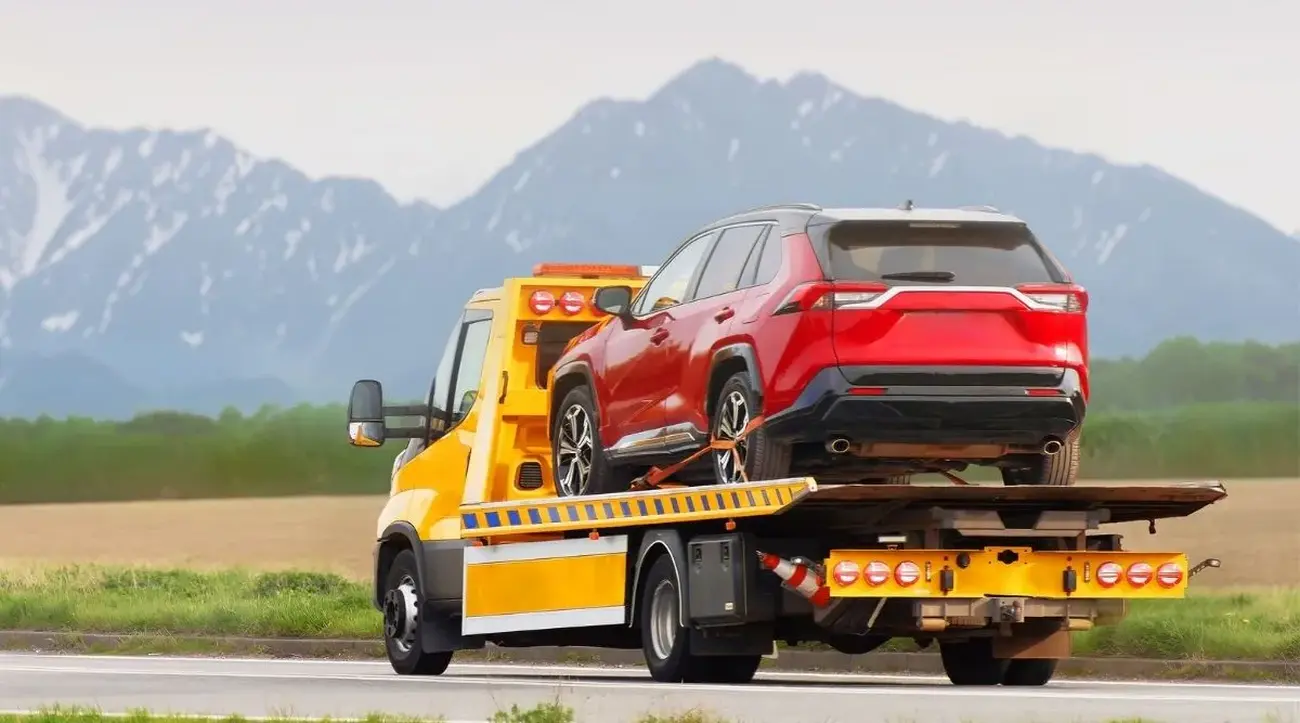
Withdrawal vs. ELV vs. Salvage: What’s the Difference?
The global used car market is filled with legal terms that can easily confuse buyers. A vehicle described as "withdrawn from traffic" in Turkey may appear similar to an End-of-Life Vehicle (ELV) in Europe or a Salvage Title Vehicle in the United States. However, these terms represent very different legal statuses.
Understanding these differences is essential if you're buying, importing, exporting, or researching used vehicles across international markets. While all three categories involve vehicles with legal or administrative restrictions, the reasons behind those restrictions—and the possibility of returning the vehicle to the road—vary significantly.
This guide explains how Turkey's withdrawal certificate system compares with the European Union's End-of-Life Vehicle (ELV) regulations and the U.S. Salvage Title system.
What Is a Withdrawal Certificate Vehicle?
In Turkey, a vehicle can be officially withdrawn from road use at the request of its owner. This administrative process temporarily removes the vehicle from active traffic registration.
Owners often choose this option when they do not plan to use the vehicle for an extended period and want to avoid certain recurring costs or keep the vehicle in storage until restoration or repairs are completed.
A withdrawal certificate does not automatically mean that the vehicle is damaged or unsafe. Many vehicles in this category remain mechanically sound and may return to public roads after completing the required inspections and registration procedures.
How Does It Compare with Europe's End-of-Life Vehicle (ELV)?
The European Union follows a completely different legal approach through the End-of-Life Vehicles (ELV) Directive (2000/53/EC).
An End-of-Life Vehicle (ELV) is generally considered a vehicle that has reached the end of its useful life and is no longer intended for normal road use. Instead of being stored for future use, these vehicles enter a regulated dismantling and recycling process designed to minimize environmental impact.
Unlike Turkey's withdrawal certificate system, an ELV is not simply a vehicle that has been temporarily taken off the road. It is typically a vehicle that has been permanently removed from circulation because repairing or maintaining it is no longer economically or environmentally practical.
Why Does the European Union Use the ELV System?
The European Union introduced the ELV Directive to reduce automotive waste and improve environmental sustainability.
The directive aims to:
-
Reduce landfill waste from discarded vehicles.
-
Increase recycling and material recovery.
-
Prevent hazardous substances from contaminating the environment.
-
Ensure proper disposal of batteries, oils, fuels, and other dangerous materials.
-
Promote circular economy principles within the automotive industry.
Today, millions of vehicles across Europe are processed through authorized treatment facilities that dismantle and recycle usable components.
What Happens to an End-of-Life Vehicle?
Once a vehicle officially becomes an ELV, it is normally delivered to an Authorized Treatment Facility (ATF).
During processing:
-
Hazardous fluids are safely removed.
-
Batteries are separated.
-
Airbags are neutralized.
-
Tires are removed.
-
Valuable spare parts may be recovered.
-
Metal components are recycled.
-
Remaining materials are disposed of according to environmental regulations.
After processing, the owner usually receives a Certificate of Destruction, confirming that the vehicle has been permanently removed from the vehicle register.
In most cases, an ELV is not expected to return to public roads.
Can an End-of-Life Vehicle Be Driven Again?
Generally, no.
Once a vehicle has officially entered the ELV process and a Certificate of Destruction has been issued, it is considered permanently withdrawn from service. Re-registration is generally not possible because the vehicle has already been designated for dismantling and recycling under national laws implementing the ELV Directive.
However, vehicles that are old, damaged, or temporarily out of use are not automatically classified as ELVs. A vehicle only becomes an ELV after it meets the legal criteria established by the relevant national authority and is processed accordingly.
What Is a Salvage Title Vehicle?
In the United States, the closest comparable concept is the Salvage Title Vehicle.
A salvage title is usually issued after an insurance company determines that repairing a damaged vehicle would cost more than a specified percentage of its market value.
This situation is commonly known as a total loss.
A salvage title may be issued after:
-
Major collision damage
-
Flood damage
-
Fire damage
-
Hail damage
-
Theft recovery with significant damage
-
Severe vandalism
-
Natural disasters
Unlike Europe's ELV system, a salvage vehicle is not automatically destined for recycling.
Can a Salvage Title Vehicle Return to the Road?
Yes—in many U.S. states.
After being repaired, the vehicle may undergo a state inspection to verify that it meets applicable safety standards. If it passes the required inspection, it may receive a Rebuilt Title (also called a Reconstructed Title in some states).
Only after obtaining this new title can the vehicle usually be legally registered and driven again.
The exact process varies by state, as each state has its own motor vehicle regulations.
Key Differences Between Turkey's Withdrawal Certificate, Europe's ELV, and the U.S. Salvage Title
Although these vehicle classifications may seem similar, they serve very different legal and practical purposes.
🇹🇷 Turkey – Withdrawal Certificate Vehicle
Primary Purpose
Temporary removal of a vehicle from public road use.
Vehicle Condition
The vehicle may still be mechanically sound or require only minor repairs.
Can It Return to the Road?
Yes. After completing inspections, insurance, registration, and other legal requirements, the vehicle can usually be driven legally again.
Main Objective
To suspend active road registration while the vehicle remains under the owner's ownership.
Ownership
The owner keeps legal ownership throughout the withdrawal period.
🇪🇺 Europe – End-of-Life Vehicle (ELV)
Primary Purpose
Permanent removal of a vehicle that has reached the end of its useful life.
Vehicle Condition
Generally considered unsuitable or uneconomical for continued road use.
Can It Return to the Road?
In most cases, no. Once processed as an ELV and issued a Certificate of Destruction, the vehicle is intended for dismantling and recycling.
Main Objective
Environmental protection, recycling, and responsible disposal of automotive waste.
Ownership
Ownership usually ends once the vehicle is officially destroyed and removed from the vehicle register.
🇺🇸 United States – Salvage Title Vehicle
Primary Purpose
To identify vehicles declared a total loss by an insurance company due to significant damage.
Vehicle Condition
Often heavily damaged but potentially repairable.
Can It Return to the Road?
Yes, in many states. After repairs and passing the required inspections, the vehicle may receive a Rebuilt Title and become road legal again.
Main Objective
Consumer protection and accurate disclosure of a vehicle's damage history.
Ownership
Ownership generally continues, although the title status changes until the vehicle is rebuilt and approved.
Which Vehicles Should Buyers Be Most Careful About?
Each category carries different risks.
Withdrawal certificate vehicles may have:
-
Long-term storage issues
-
Expired inspections
-
Mechanical deterioration from inactivity
End-of-Life Vehicles may have:
-
Permanent legal deregistration
-
Structural deterioration
-
Limited or no possibility of re-registration
Salvage Title Vehicles may have:
-
Hidden structural damage
-
Previous flood exposure
-
Airbag deployment history
-
Insurance limitations
-
Reduced resale value
For this reason, buyers should never rely solely on the vehicle's legal status. A comprehensive inspection and history report are essential before making any purchasing decision.
Why These Terms Matter for International Buyers
As cross-border vehicle trading continues to grow, understanding these legal classifications becomes increasingly important.
A vehicle that can legally return to the road in one country may be permanently prohibited from registration in another. Likewise, a title or registration status that appears familiar may have a completely different legal meaning outside its country of origin.
Whether you are importing a used vehicle, purchasing one from an online marketplace, or researching international automotive regulations, always verify the vehicle's legal status according to the laws of the country where it is currently registered.
Conclusion
Although Turkey's Withdrawal Certificate Vehicle, Europe's End-of-Life Vehicle (ELV), and the United States' Salvage Title Vehicle all refer to vehicles with special legal classifications, they represent fundamentally different concepts.
A withdrawal certificate in Turkey is primarily an administrative status that allows a vehicle to be temporarily removed from traffic and potentially returned to the road. An End-of-Life Vehicle in Europe is generally intended for permanent dismantling and environmentally responsible recycling, while a Salvage Title Vehicle in the United States reflects an insurance determination that the vehicle was a total loss but may, in many cases, be repaired, inspected, and legally driven again.
Understanding these distinctions helps buyers, sellers, importers, and automotive enthusiasts make informed decisions and avoid costly legal or financial surprises when dealing with vehicles across different countries.