TR
TR EN
EN

How Can You Tell If a Vehicle Has Had an Engine Rebuild?
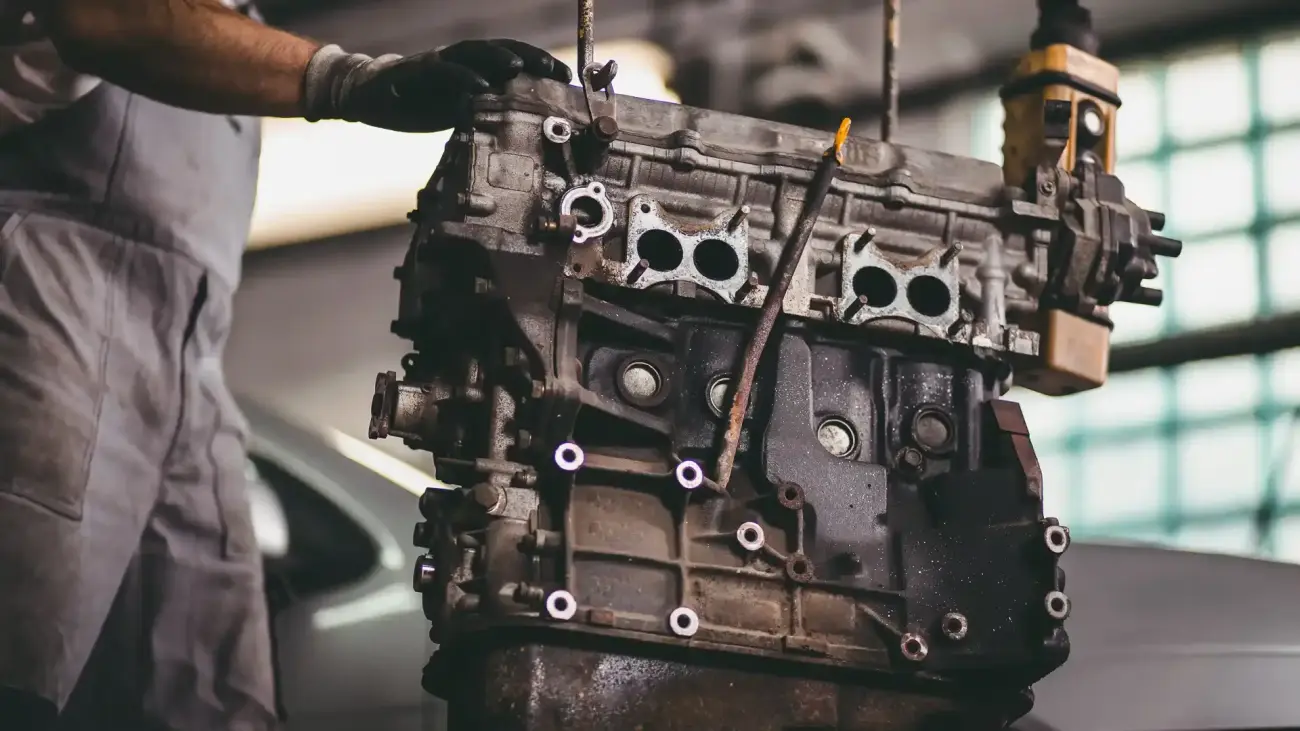
An engine rebuild (overhaul) is the process of repairing or replacing worn internal engine components to restore the engine's performance and reliability. It is usually carried out after major engine problems. When performed correctly by experienced technicians using quality parts, a rebuilt engine can provide many more years of dependable service. However, when buying a used vehicle, one of the most common questions is whether the engine has been rebuilt before.
Engine rebuilds are commonly performed after serious issues such as:
-
Excessive oil consumption
-
Engine overheating
-
Loss of compression
-
Spun bearings
-
Engine knocking
What Is an Engine Rebuild?
During an engine rebuild, the engine is completely or partially disassembled so that worn or damaged components can be inspected and repaired.
Commonly serviced or replaced parts include:
-
Pistons
-
Piston rings
-
Cylinder walls
-
Crankshaft
-
Valves
-
Engine bearings
In some cases, the engine is restored to a condition that is close to factory specifications.
How Can You Tell If an Engine Has Been Rebuilt?
There are several signs that may indicate a previous engine rebuild. However, a professionally rebuilt engine may show very few visible clues.
New Gaskets and Sealant Around the Engine
Since the engine must be disassembled during a rebuild, you may notice:
-
Fresh gasket edges
-
RTV silicone sealant residue
-
New bolts or recently removed fasteners
Pay close attention to areas around:
-
The cylinder head
-
The oil pan
-
Timing covers
An Unusually Clean Engine
Some sellers thoroughly clean the engine before selling the vehicle.
An exceptionally clean engine may indicate:
-
Recent engine work
-
An attempt to hide oil leaks or repair marks
A clean engine alone is not proof of a rebuild, but it deserves closer inspection.
Check the Exhaust Smoke
A poorly rebuilt engine may still show symptoms such as:
-
Blue smoke (burning oil)
-
White smoke (possible coolant leak)
-
Excessive exhaust emissions
Observe the exhaust carefully, especially during a cold start.
Perform a Compression Test
A compression test is one of the most reliable ways to evaluate engine condition.
It helps determine:
-
Cylinder sealing performance
-
Internal engine health
-
Compression consistency across cylinders
Uneven compression readings may indicate poor rebuild quality or internal engine problems.
Listen to the Engine
If the rebuild was not performed properly, you may hear:
-
Valve train noise
-
Bearing knock
-
Timing chain noise
-
Ticking or rattling sounds
Listen to the engine when it is both cold and fully warmed up.
Check for Excessive Crankcase Pressure
With the engine idling, carefully remove the oil filler cap.
Excessive:
-
Blow-by gases
-
Air pressure
-
Visible smoke from the oil filler opening
may indicate worn piston rings or poor sealing.
A recently rebuilt engine should not produce excessive blow-by.
Signs That the Engine Was Recently Reassembled
Possible indicators include:
-
New gasket material
-
New hose clamps
-
A freshly cleaned engine block
-
Recently machined cylinder head surfaces
These signs suggest that engine work may have been performed.
Investigate Any History of Overheating
Many engine rebuilds are the result of severe overheating or a blown head gasket.
If possible, review the vehicle's:
-
Service history
-
Repair invoices
-
Maintenance records
This can help explain why the rebuild was performed.
Can an Inspection Reveal a Rebuilt Engine?
In many cases, yes.
A professional inspection may include:
-
Compression testing
-
Dyno testing
-
Exhaust smoke analysis
-
Leak inspection
However, not every rebuild can be confirmed without partial engine disassembly.
Is It Safe to Buy a Vehicle with a Rebuilt Engine?
Not necessarily a bad idea.
A professionally rebuilt engine using quality parts can often provide long-term reliability.
However, poor workmanship, low-quality aftermarket components, or incomplete repairs may lead to expensive future problems.
What Should You Check Before Buying?
Before purchasing a vehicle with a rebuilt engine, consider:
-
Performing a compression test
-
Starting the engine from cold
-
Checking for exhaust smoke
-
Monitoring oil consumption
-
Having the vehicle inspected by an experienced mechanic
Conclusion
A rebuilt engine can often be identified through careful inspection. Signs such as new gaskets, fresh sealant, unusual engine cleanliness, exhaust smoke, compression readings, and excessive blow-by may indicate previous engine work.
A professionally rebuilt engine is not automatically a disadvantage. In fact, if the rebuild was completed correctly with quality components, it can offer many years of reliable operation. Nevertheless, before purchasing a rebuilt-engine vehicle, a comprehensive inspection by a qualified mechanic is highly recommended to ensure the quality of the repairs and avoid unexpected repair costs later.