TR
TR EN
EN

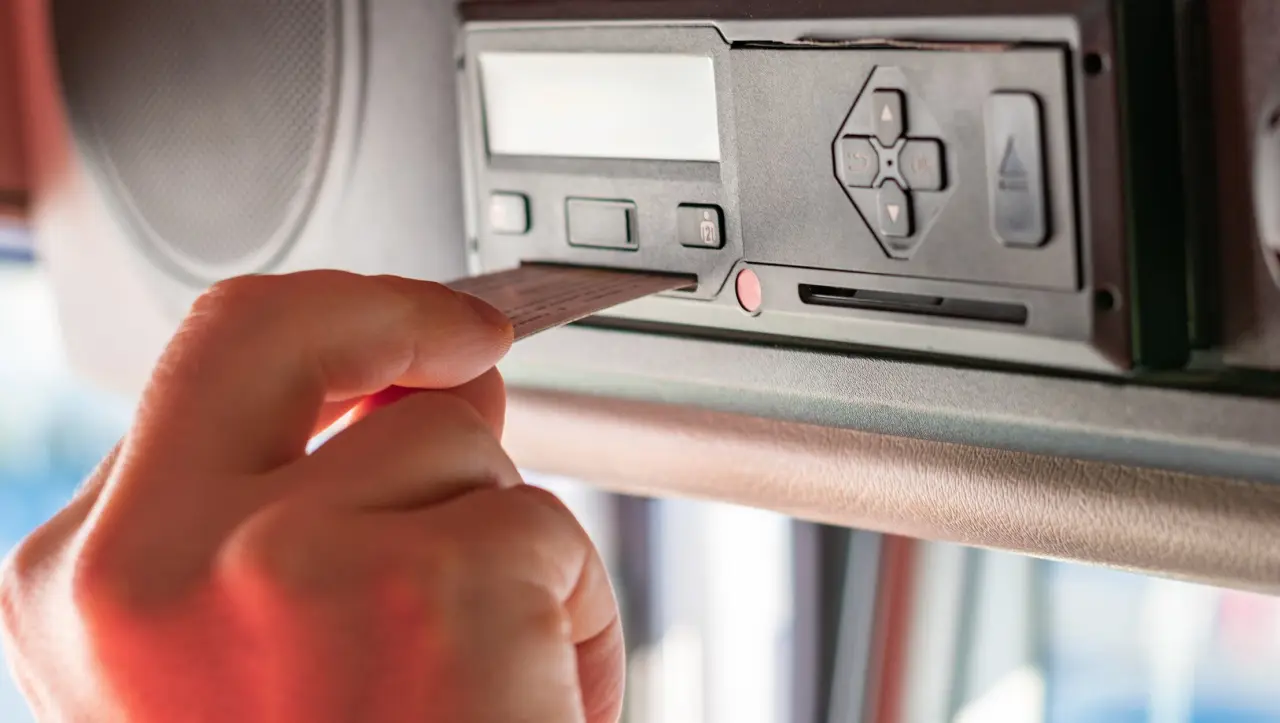
What Is a Tachograph? What Does a Tachograph Do?
A tachograph is an electronic device used in commercial vehicles to record driving times, speed information, and vehicle usage data. It is mandatory in many vehicles such as trucks, lorries, buses, and certain commercial transport vehicles. This system plays an important role in both driver safety and traffic inspections.
Thanks to the tachograph:
-
How long the vehicle has been driven
-
How long breaks were taken
-
At what speeds the vehicle was driven
can be recorded and monitored.
What Is a Tachograph?
A tachograph is:
-
A digital or analog system that records vehicle movements.
Its main purposes are:
-
Monitoring drivers’ working and driving hours
-
Preventing excessive vehicle use
-
Improving road safety
What Does a Tachograph Do?
A tachograph records many important types of information.
These include:
-
Driving time
-
Rest periods
-
Vehicle speed
-
Daily operating time
-
Distance traveled
With this information:
-
Drivers are prevented from exceeding legal driving limits.
-
Compliance with driving and rest regulations can be checked.
Why Is a Tachograph Mandatory?
Drivers who operate vehicles for long periods may experience:
-
Loss of concentration
-
Drowsiness
-
Slower reaction times
The tachograph system:
-
Monitors drivers’ rest periods
-
Helps support safer driving practices
Which Vehicles Use a Tachograph?
Tachographs are generally required in:
-
Trucks
-
Lorries
-
Tractor units
-
Buses
-
Certain commercial transport vehicles
The requirement may vary depending on the vehicle type, weight, and type of transportation.
What Is an Analog Tachograph?
Analog tachographs are older systems that:
-
Record information on paper discs.
The disc records:
-
Speed
-
Driving time
-
Vehicle usage information
What Is a Digital Tachograph?
Modern vehicles use:
-
Digital tachograph systems.
These systems:
-
Store data electronically
-
Operate with a driver card
-
Provide safer and more detailed records
What Is a Driver Card?
Drivers using digital tachographs:
-
Use a personal driver card assigned to them.
With this card:
-
Driver information and driving activities are recorded in the system.
How Does a Tachograph Work?
The tachograph system:
-
Receives data from the gearbox or speed sensor.
This information:
-
Is transferred to the device
-
Is stored in its memory
The system:
-
Automatically records data when the vehicle starts moving.
What Information Does a Tachograph Record?
A tachograph records:
-
Vehicle operating time
-
Break durations
-
Speed history
-
Daily driving hours
-
Rest periods
What Is Tachograph Manipulation?
In some cases, attempts may be made to manipulate tachographs using methods such as:
-
Magnetic interference
-
Software modifications
-
Sensor disabling
These actions:
-
Are illegal
-
May result in serious penalties
Signs of a Tachograph Malfunction
When a tachograph fails:
-
Data recording may stop
-
Speed information may be incorrect
-
The driver card may not be recognized
-
Error warnings may appear
Why Is Tachograph Inspection Important?
During inspections:
-
Tachograph records are checked.
If regulations are not followed, penalties such as:
-
Administrative fines
-
Vehicle immobilization
-
Violations of operating regulations
may be applied.
What Is Tachograph Calibration?
Tachograph devices must be:
-
Calibrated at certain intervals.
This process is necessary for:
-
Accurate measurements
-
Proper sensor synchronization
Conclusion
A tachograph is an important safety system that records driving and rest periods in commercial vehicles. It is especially important in:
-
Long-distance transportation
-
Freight transportation
-
Passenger transportation
A properly functioning tachograph system:
-
Improves road safety
-
Helps protect driver health
-
Ensures accurate legal inspections and monitoring
Maintaining and using the tachograph correctly is essential for both drivers and transportation companies.