TR
TR EN
EN

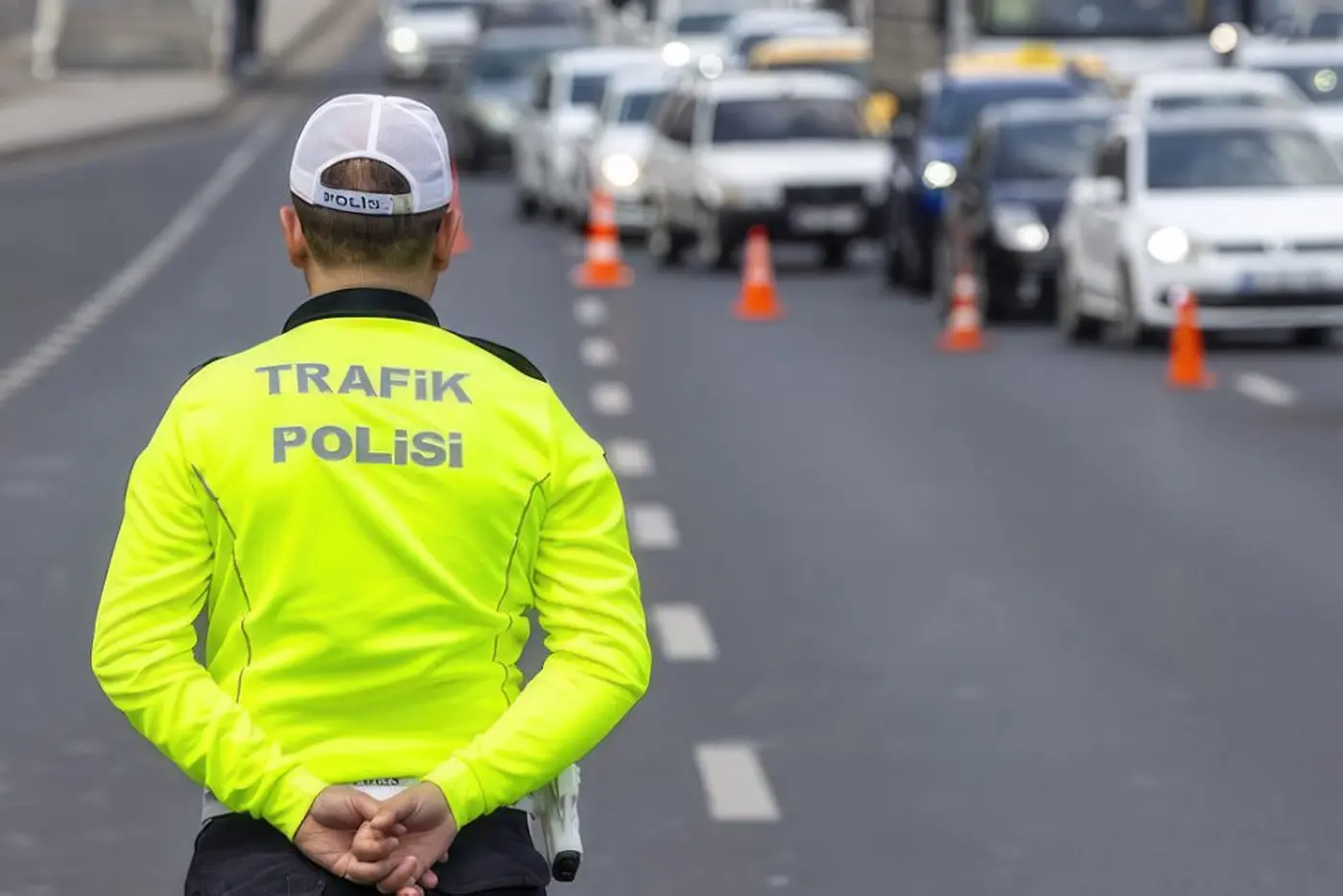
Have Traffic Fines Become an Effective Deterrent? Are the Penalties Fair?
Traffic accidents remain one of Turkey's most significant public safety issues, causing thousands of deaths and injuries every year. Dangerous behaviors such as speeding, reckless lane weaving, driving under the influence of alcohol, running red lights, and using mobile phones while driving continue to be among the leading causes of fatal crashes.
To address these problems, Turkey has introduced substantial amendments to the Highway Traffic Law in recent years, significantly increasing traffic penalties. Following the latest regulations that came into effect on February 27, monetary fines increased considerably, while serious violations may now result in driver's license suspension or even permanent revocation.
But have these tougher penalties actually worked? Has reckless driving declined? And perhaps most importantly, can these penalties be considered fair for everyone?
What Do the Statistics Show After the New Traffic Law?
Official data released after the new regulations indicate that stricter penalties and increased enforcement have had a significant impact on driver behavior.
According to figures released by Turkey's Ministry of Interior, the number of vehicles inspected nationwide increased by 4.5% between February 27 and April 30 compared with the same period of the previous year.
Even more notable is that despite the increase in inspections, the number of vehicles penalized decreased by 21.6%.
This suggests that drivers are not only being monitored more frequently but are also complying with traffic regulations more consistently.
Significant Decline in Traffic Violations
Following the implementation of the new regulations, serious reductions have been recorded in behaviors that directly threaten road safety.
Compared with the same period last year:
-
Reckless lane weaving ("makas") violations decreased by 92.6%.
-
Tachograph violations fell by 78.2%.
-
Illegal drifting incidents dropped by 62.1%.
-
Speeding violations decreased by 58.7%.
-
Failure to obey police stop orders declined by 51.8%.
-
Motorcycle helmet violations decreased by 32.4%.
-
Driving without the required license declined by 31.4%.
-
Mobile phone use while driving decreased by 27.8%.
-
Driving despite a suspended license dropped by 25.5%.
-
Wrong-way driving violations decreased by 20.7%.
The nearly 90% reduction in dangerous behaviors such as reckless lane weaving and drifting demonstrates the strong deterrent effect of the increased penalties.
Why Have the Penalties Become More Effective?
For a penalty to be truly effective, it must not only be severe but also carry a high likelihood of enforcement.
The new system has strengthened deterrence through three key factors.
1. Higher Financial Penalties
Fines for many traffic violations have increased substantially.
Especially for offenses such as:
-
Reckless lane weaving,
-
Drifting,
-
Running red lights,
-
Dangerous lane changes,
-
Driving under the influence of alcohol,
drivers now face significant financial consequences.
2. Driver's License Sanctions
According to many experts, the fear of losing one's driver's license is even more influential than monetary fines.
While drivers may eventually pay a financial penalty, losing the legal ability to drive can severely affect both daily life and employment.
Current sanctions include:
-
Temporary driver's license suspension,
-
Penalty point accumulation,
-
Permanent license revocation for repeated serious violations.
These measures have become powerful deterrents.
3. Increased Traffic Enforcement
The widespread use of speed cameras, electronic traffic enforcement systems, surveillance cameras, and increased roadside police inspections has greatly increased the likelihood of violators being caught.
Many experts believe this is one of the primary reasons for improved compliance.
What Changes Did the New Traffic Law Introduce?
The latest legislation significantly increased penalties across numerous categories.
Reduced Speeding Tolerance
One of the most widely discussed changes concerns speed enforcement.
Under the new rules, drivers exceeding the urban speed limit by as little as 6 km/h may now face penalties.
Outside urban areas, speeding fines include:
-
16–20 km/h over the limit: TRY 4,000
-
21–25 km/h: TRY 6,000
-
26–30 km/h: TRY 8,000
-
31–40 km/h: TRY 12,000
Tougher Penalties for Aggressive Driving
Penalties have also increased for aggressive behaviors such as cutting off other vehicles, persistent tailgating, and other actions that endanger road users.
Drivers who fail to obey a police stop order may face:
-
A TRY 200,000 administrative fine,
-
A 60-day driver's license suspension.
Driver's License Revocation for Repeated Red-Light Violations
Penalties become increasingly severe for repeated red-light offenses.
Drivers committing a sixth red-light violation may face:
-
A TRY 80,000 fine,
-
Permanent revocation of their driver's license.
Zero Tolerance for Alcohol and Drug-Impaired Driving
Drivers found operating a vehicle under the influence of alcohol or drugs may face:
-
A TRY 150,000 administrative fine,
-
Driver's license suspension for up to five years.
The same sanctions may also apply to drivers who refuse alcohol testing.
Record Penalties for Fake License Plates and Tachograph Tampering
The new regulations also introduced severe penalties for commercial transportation offenses.
Examples include:
-
TRY 140,000 for using counterfeit license plates.
-
TRY 185,000 to TRY 370,000 for tampering with tachographs, taximeters, or speed limiters.
But Are the Penalties Fair?
While many experts and members of the public agree that stricter penalties have improved deterrence, fairness remains a subject of debate.
Under the current system, fines are fixed amounts regardless of income.
For example:
-
A minimum-wage worker,
-
A high-income executive,
both pay exactly the same fine for the same traffic offense.
Although this satisfies legal equality, the economic impact differs significantly.
A TRY 10,000 fine may represent a serious financial burden for a low-income driver, while having relatively little effect on someone with a much higher income.
For this reason, many legal experts argue that the current system is not economically equitable.
Income-Based Traffic Fines Are Being Discussed
Several European countries have adopted an income-based fine system, an idea that has also been increasingly discussed in Turkey.
Under such a system:
-
Lower-income drivers pay lower fines.
-
Higher-income drivers pay larger fines.
The objective is to create a similar financial impact regardless of income level.
According to many experts, this approach strengthens perceptions of fairness while providing a stronger deterrent for wealthy offenders.
Are Traffic Fines Becoming a Source of Revenue?
Some members of the public argue that traffic fines have gradually become more of a revenue-generating tool than a road safety measure.
Reasons for this perception include:
-
Continually increasing fine amounts,
-
The growing number of speed cameras,
-
A belief among some drivers that enforcement rules are not always clearly communicated.
However, most traffic safety experts emphasize that the success of traffic enforcement should be measured not by the amount of revenue collected, but by reductions in accidents and traffic violations.
Recent statistics suggest that the new penalties have indeed led to meaningful behavioral changes.
Are High Fines Alone Enough?
Most experts agree that financial penalties alone cannot provide a permanent solution.
To create a stronger traffic safety culture, additional measures are needed, including:
-
Improving driver education programs,
-
Expanding first aid training,
-
Teaching road safety awareness from an early age,
-
Maintaining consistent and fair enforcement.
A sustainable traffic culture develops when people obey the rules not only because they fear punishment, but because they understand why those rules exist.
Conclusion
The statistics released since the implementation of Turkey's new traffic law indicate that stricter penalties combined with increased enforcement have significantly improved compliance with traffic regulations. Major reductions in dangerous behaviors such as reckless lane weaving, drifting, speeding, and ignoring police stop orders clearly demonstrate the deterrent effect of the new measures.
Nevertheless, the debate over fairness continues. While fixed fines treat all drivers equally under the law, they do not have the same financial impact on individuals with different income levels. As a result, alternative approaches such as income-based traffic fines are receiving increasing attention.
Overall, the current traffic penalties appear to be effective in changing driver behavior and improving road safety. However, creating safer roads in the long term will require not only strong penalties but also better education, greater public awareness, and fair, consistent enforcement policies.