TR
TR EN
EN

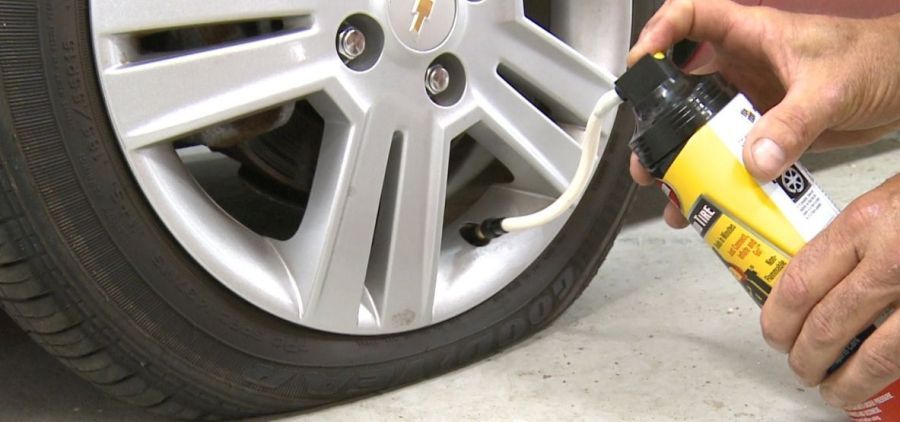
What Is a Tire Repair Kit? How Is It Used?
A tire repair kit is an emergency tool designed to temporarily deal with a punctured tire and allow the vehicle to continue to a tire shop or a safe location. Many modern cars are equipped with a tire repair kit instead of a spare wheel in order to save space and reduce vehicle weight.
A typical kit consists of a tire sealant and a small air compressor. The sealant is injected into the tire through the valve, while the compressor restores the tire pressure.
However, a tire repair kit should not be considered a permanent tire repair. It is primarily an emergency solution for small punctures in the tread area.
What Does a Tire Repair Kit Do?
A tire repair kit is designed to temporarily seal a small puncture and restore enough air pressure for the vehicle to be driven to a tire service.
For example, if a nail or screw has punctured the tread and the tire is slowly losing air, the sealant can spread inside the tire and form a temporary seal around the puncture.
The compressor then inflates the tire to the recommended pressure.
The exact size of puncture that can be repaired depends on the specific kit and manufacturer. Some products are designed for punctures of around 4 mm, while certain vehicle-specific systems may allow a different maximum size.
When Can a Tire Repair Kit Be Used?
A tire repair kit is generally intended for relatively small punctures located in the main tread area.
Typical examples include:
-
A small nail puncture
-
A small screw puncture
-
A minor hole in the tread caused by a road object
The important point is that the damage must be suitable for the particular repair kit being used.
The manufacturer's instructions should always be checked before attempting a repair.
When Should a Tire Repair Kit Not Be Used?
A tire repair kit cannot safely repair every type of tire damage.
It should generally not be used when the tire has:
-
A large hole
-
A cut or tear in the sidewall
-
Serious shoulder damage
-
A damaged or cracked wheel rim
-
Come off the rim
-
Been driven for a significant distance while completely flat
-
Serious structural damage
Sidewall damage is particularly important. The sidewall flexes considerably while the vehicle is moving, so a sealant-based emergency repair is not a reliable solution for a sidewall cut or tear.
If the tire has suffered major damage, roadside assistance or professional tire service is the safer option.
How Is a Tire Repair Kit Used?
The exact procedure varies between manufacturers, so the instructions supplied with the kit should always take priority. However, most sealant-and-compressor systems follow a similar process.
1. Move the Vehicle to a Safe Location
Safety should come before repairing the tire.
If possible, move the vehicle to a flat location away from moving traffic. Turn on the hazard warning lights and apply the parking brake.
Do not attempt to use a tire repair kit in a dangerous position on a busy road simply because the tire is flat.
If the vehicle is stopped in an unsafe location, calling roadside assistance is usually the better choice.
2. Inspect the Tire
Before using the kit, inspect the damaged tire.
Try to determine where the puncture is located and how serious the damage appears to be.
If a nail or screw is still stuck in the tire, do not automatically remove it. Removing the object can make the hole larger and cause the tire to lose air more quickly.
If the damage is on the sidewall, the tire has a large cut, or the wheel itself is damaged, do not rely on the repair kit.
3. Prepare the Sealant
Many repair kits have a separate bottle of tire sealant.
Depending on the design, the bottle may connect directly to the tire valve or to a special hose on the compressor.
Some systems combine the sealant and compressor into one unit, while others require the sealant bottle to be connected before the compressor is switched on.
Because the designs are different, follow the instructions supplied with the particular kit.
4. Connect the Hose to the Tire Valve
Remove the valve cap from the damaged tire.
Attach the sealant hose firmly to the valve. The connection must be secure to prevent air or sealant from escaping.
Some systems require the sealant bottle to remain upright during the procedure.
5. Connect the Compressor
The compressor is usually powered through the vehicle's 12-volt electrical outlet.
Depending on the vehicle and repair kit, the engine may need to be running while the compressor is operating. This helps prevent excessive battery drain.
However, the vehicle manufacturer's instructions and the repair kit's instructions should be followed rather than assuming that every compressor must be used in exactly the same way.
6. Inject the Sealant and Inflate the Tire
Once everything is connected, activate the system according to the instructions.
The compressor pushes the sealant and air into the tire. Initially, the pressure gauge may show an unusually high or fluctuating reading while the sealant is being distributed.
Once the sealant has entered the tire, the compressor continues to inflate the tire with air.
Inflate the tire to the pressure specified by the vehicle manufacturer.
The correct pressure can normally be found on the tire-pressure label located around the driver's door area or in the owner's manual.
7. Check Whether the Tire Is Holding Pressure
After inflation, switch off the compressor and check the tire pressure according to the instructions.
If the tire cannot reach the required pressure, or if air and sealant are escaping rapidly from the damaged area, do not continue driving.
The damage may be too severe for the repair kit.
8. Drive the Recommended Distance
Some sealant systems require the vehicle to be driven a short distance after inflation.
This allows the sealant to spread around the inside of the tire and reach the puncture.
The required distance varies between products, so there is no universal distance that applies to every tire repair kit.
Drive only at the speed and for the distance specified by the manufacturer.
9. Check the Tire Pressure Again
After the recommended short drive, stop in a safe location and check the tire again.
If necessary, use the compressor to restore the pressure to the recommended level.
If the tire is losing pressure quickly or the damage is visible, stop driving and arrange professional assistance.
Even if the tire appears to be holding pressure, the repair should still be considered temporary.
Is a Tire Repair Kit a Permanent Repair?
Usually, no.
A tire repair kit is designed to get you out of an emergency situation, not to replace a professional tire repair.
After using sealant, the tire should be inspected by a qualified tire professional as soon as possible.
The tire may need to be repaired properly or replaced, depending on the location and severity of the damage.
In some cases, the sealant itself can also make subsequent professional repair more complicated because the inside of the tire needs to be cleaned and inspected.
Should You Remove a Nail or Screw From the Tire?
Generally, you should not remove a nail or screw before using a sealant-based emergency repair kit unless the manufacturer's instructions specifically tell you to do so.
The object may be restricting the size of the puncture. Removing it can cause the tire to lose air much faster.
The important thing is to inspect the damage without unnecessarily making the puncture larger.
Does Tire Sealant Have an Expiration Date?
Yes.
Many tire sealant bottles have a limited shelf life. The liquid can deteriorate or dry out over time.
For this reason, it is worth checking the expiration date periodically, especially if the repair kit has been sitting in the vehicle for several years.
A compressor that still works does not necessarily mean that the entire repair kit is ready for use.
If the sealant has expired, it should be replaced according to the manufacturer's recommendations.
Can Tire Sealant Affect TPMS?
It can, depending on the product and the tire-pressure monitoring system.
Some sealants are specifically designed to be compatible with TPMS sensors, while others may cause problems or require additional cleaning after use.
If your vehicle has TPMS, make sure the sealant is approved or recommended for use with the system.
After using the kit, the tire-pressure monitoring system should also be checked if it continues to show a warning.
What Are the Advantages of a Tire Repair Kit?
One of the biggest advantages is its compact size.
A repair kit takes up considerably less space than a spare wheel, jack, and wheel-changing equipment. This is one reason why many modern vehicles are supplied with repair kits instead of spare tires.
Another advantage is convenience. You can potentially restore tire pressure without removing the wheel from the vehicle.
For a small tread puncture, this can be a practical way to continue your journey and reach a tire service.
What Are the Disadvantages?
The biggest disadvantage is that a repair kit cannot deal with every type of tire damage.
It is not a solution for:
-
Sidewall cuts
-
Large punctures
-
Serious tire damage
-
Damaged wheels
-
Tires that have been driven while severely underinflated
The sealant may also make a later professional repair more complicated.
In addition, the repair is temporary, so the driver should not assume that the tire has been permanently restored simply because it is holding air.
Tire Repair Kit or Spare Tire?
Both systems have advantages.
A spare tire allows you to completely remove the damaged tire and replace it with another wheel. However, carrying a spare tire requires additional space and weight.
A tire repair kit is smaller and lighter, but it only works for certain types of punctures.
The better solution depends on the vehicle, the type of driving you do, and the availability of roadside assistance in the areas where you travel.
Drivers who frequently make long-distance trips through remote areas may prefer having a spare tire if the vehicle allows it.
What Should You Check Before an Emergency?
A tire repair kit is most useful when you already know how it works before you actually need it.
Check where the kit is stored in the vehicle and make sure the compressor works. Check the expiration date of the sealant and replace it when necessary.
It is also worth reading the instructions before an emergency occurs.
The most important thing to remember is that a tire repair kit is an emergency mobility solution, not a substitute for proper tire repair. If it successfully seals a puncture, use it to reach a safe location or tire service, and have the tire professionally inspected as soon as possible.