TR
TR EN
EN

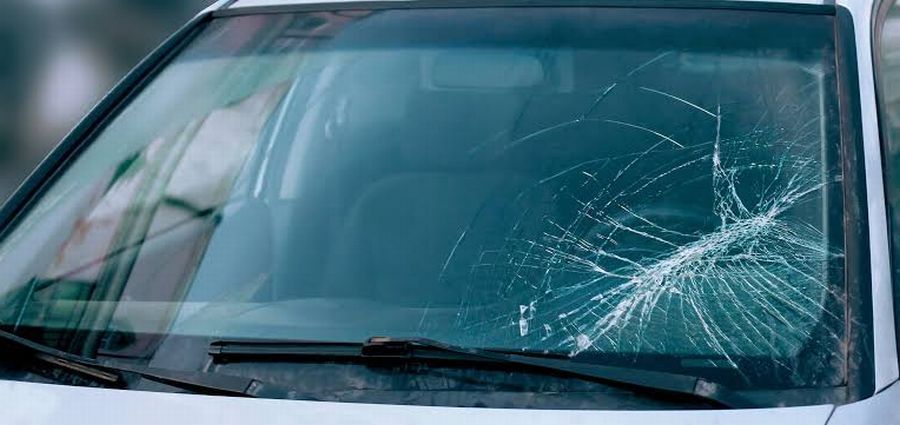
What Should You Do If Your Car Window Cracks?
A crack in a car window may look like a minor problem at first. A small crack caused by a stone impact, especially in the windshield, may not immediately affect driving. However, cracks can spread over time and may eventually affect visibility and the structural integrity of the glass.
For this reason, a cracked car window should be assessed as soon as possible. Depending on the location and size of the damage, the glass may be repairable or may need to be replaced.
First, Check Where the Crack Is
The first thing to determine is where the crack is located.
A crack in the driver's direct field of vision deserves particular attention because even a repaired area may continue to affect visibility.
Cracks close to the edge of the windshield also require careful inspection. Cracks that begin near an edge can spread across the glass more easily.
How Did the Crack Happen?
Not all windshield cracks occur for the same reason.
One of the most common causes is a stone or other object hitting the glass while driving. A small impact point may initially appear harmless, but cracks can develop outward from the damaged area.
Glass can also crack without an obvious impact. Large temperature changes, stress around the glass, installation problems or an existing weakness in the glass can contribute to cracking.
The starting point and shape of the crack can therefore provide useful information about the cause.
Can You Drive With a Small Crack?
Whether you can continue driving depends on the size, location and condition of the crack.
A small chip or limited crack may not immediately prevent you from driving, but it should still be inspected as soon as possible.
Driving with a long or rapidly growing crack is much more concerning, particularly if the damage reaches the driver's field of vision.
Vibration, road impacts, temperature changes and body movement can cause an existing crack to spread.
Therefore, continuing to drive simply because the crack has not caused a problem yet is not a good long-term solution.
Protect the Damaged Area Temporarily
Until you can have the glass inspected, try to keep the damaged area clean and dry.
Dirt, moisture and other contaminants can enter the damaged section of the glass and may make a professional repair more difficult.
However, avoid applying strong adhesives, silicone or household chemicals to the crack. Products that are not intended for automotive glass repair can interfere with a professional repair later.
Avoid Sudden Temperature Changes
Cracked glass can be more sensitive to temperature changes.
For example, pouring very cold water onto extremely hot glass can create additional thermal stress. Similarly, rapidly heating a very cold windshield can contribute to the crack spreading.
Large differences between the temperature inside and outside the vehicle can also affect the stress on the glass.
For this reason, avoid sudden temperature changes until the damage has been professionally assessed.
Can a Cracked Windshield Be Repaired?
Not every crack requires complete glass replacement.
Small stone chips and certain limited types of damage can sometimes be repaired using specialized resin. During a professional repair, resin is injected into the damaged area to fill the affected section and help prevent the damage from spreading.
Whether a repair is possible depends on several factors, including:
-
Size of the damage
-
Length of the crack
-
Location of the damage
-
Distance from the edge of the glass
-
Age of the damage
-
Whether it is within the driver's field of vision
-
Overall condition of the windshield
Some types of damage cannot be repaired effectively and require replacement.
Not Every Crack Can Be Repaired
The length of a crack is not the only factor that matters.
Dirt and moisture can accumulate inside a crack over time. Once contaminants enter the damaged area, achieving a clean repair can become more difficult.
The location is equally important.
Damage in the driver's direct field of vision or cracks that reach the edge of the windshield should be assessed particularly carefully.
When Does the Windshield Need to Be Replaced?
In some situations, replacement is a better solution than repair.
Replacement may be necessary when:
-
The crack is very long
-
The damage has spread significantly
-
The driver's visibility is affected
-
The crack reaches the edge of the glass
-
There are multiple areas of damage
-
The structural integrity of the windshield may be compromised
A windshield is not simply a piece of glass that protects occupants from wind and rain. In modern vehicles, it can also contribute to the structural strength and safety systems of the vehicle.
For this reason, the correct replacement glass and a proper installation procedure are important.
Be Extra Careful With Vehicles Equipped With ADAS
Modern vehicles may have cameras and sensors mounted behind the windshield.
Systems such as:
-
Lane departure warning
-
Lane keeping assistance
-
Automatic emergency braking
-
Traffic sign recognition
-
Adaptive cruise control
may rely on a camera positioned behind the windshield.
If the windshield is replaced on a vehicle equipped with these systems, camera calibration may be required.
Replacing the glass is therefore not always the end of the job. The driver-assistance systems should also be checked to make sure they are functioning correctly.
Proper Windshield Installation Matters
Windshield replacement should not be treated as a simple removal-and-installation procedure.
The glass needs to be positioned correctly, the appropriate adhesive must be used and the manufacturer's installation requirements should be followed.
Incorrect installation can lead to:
-
Water leaks
-
Wind noise
-
Glass movement
-
Sensor or camera problems
-
Safety-related issues
For this reason, windshield replacement should be performed by an experienced automotive glass professional.
Be Careful When Washing a Cracked Windshield
A damaged windshield should be treated carefully during washing.
High-pressure water directed at the damaged area can put unnecessary stress on the glass, particularly when the crack is already unstable.
You should also avoid applying excessive pressure to the damaged area while cleaning the windshield.
Until the glass has been inspected, it is better to handle the damaged section gently.
Can a Cracked Windshield Cause Problems During Inspection?
The rules regarding damaged automotive glass vary depending on the country and applicable inspection regulations.
However, damage that significantly affects the driver's field of vision or compromises the safety of the windshield is generally treated more seriously than a small chip outside the driver's viewing area.
If you discover a crack shortly before a vehicle inspection, having it professionally assessed beforehand is a sensible approach.
Does Tape Actually Repair a Crack?
Tape does not repair cracked glass.
In some situations, a temporary protective covering may help keep dirt and moisture away from a small damaged area until professional repair is possible.
However, tape cannot restore the strength of the glass or stop an existing crack from spreading indefinitely.
It should therefore only be considered a temporary protective measure, not a repair.
What Should You Do When Your Car Window Cracks?
When a car window cracks, the best approach is to have the damage assessed as soon as reasonably possible.
A practical approach is:
1. Check the location of the crack.
2. Check whether the crack is getting larger.
3. Keep the damaged area as clean and dry as possible.
4. Avoid sudden temperature changes.
5. Avoid putting unnecessary pressure or stress on the glass.
6. Have the damage inspected by an automotive glass professional.
7. Determine whether repair or replacement is appropriate.
8. If the windshield is replaced, check whether any cameras or driver-assistance systems require calibration.
Don't Ignore a Small Crack
A small windshield crack does not always turn into a major problem immediately. However, there is no guarantee that it will remain the same size.
A crack can grow because of road vibrations, temperature changes, additional impacts and normal movement of the vehicle body.
This is especially important when the damage is in the driver's field of vision, begins near the edge of the windshield or is visibly getting longer.
Having a small crack professionally assessed early can sometimes prevent a much larger repair or complete windshield replacement later. More importantly, the condition of the glass should be considered a safety issue, not simply a cosmetic problem.