TR
TR EN
EN

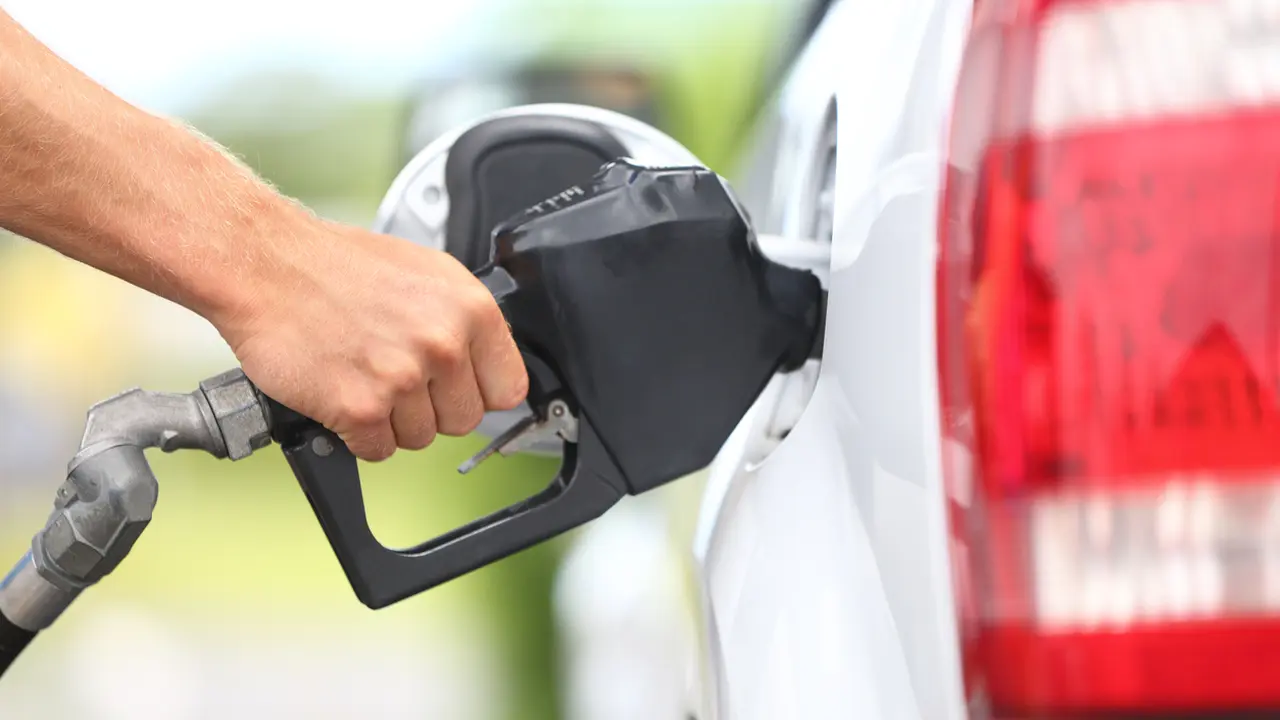
What Happens If Gasoline Is Put in a Diesel Car?
Putting gasoline into a diesel car is one of the most serious fuel mistakes a driver can make. Although gasoline and diesel are both petroleum-based fuels, they are designed for very different types of engines and fuel systems.
The consequences depend on several factors, including how much gasoline was added, how much diesel was already in the tank, and most importantly, whether the engine was started and the vehicle was driven afterward.
A small amount of gasoline accidentally added to a nearly full diesel tank is very different from filling an almost empty diesel tank completely with gasoline. However, in both cases, the safest approach is to avoid starting the engine and have the contaminated fuel removed.
Why Is Gasoline Dangerous for a Diesel Engine?
A diesel engine is designed around the properties of diesel fuel.
Diesel fuel not only provides energy for combustion but also has lubricating properties that are important for certain components of the high-pressure fuel system. Modern common-rail diesel engines operate at extremely high fuel pressures, and components such as the high-pressure fuel pump and fuel injectors depend on the fuel system being supplied with the correct fuel.
Gasoline behaves differently.
It is more volatile and has much poorer lubricating properties than diesel fuel. When gasoline enters a diesel fuel system, it can reduce the lubricating protection provided by diesel fuel.
This is one of the main reasons why gasoline in a diesel vehicle can be more serious than diesel in a gasoline vehicle.
What Happens When Gasoline Is Put in a Diesel Car?
The symptoms depend on the amount of gasoline and whether the engine has been started.
If the engine has not been started, there may be no immediate symptoms because the contaminated fuel has not yet circulated through the fuel system.
Once the engine is started, however, the gasoline-diesel mixture begins moving through the fuel pump, fuel lines, fuel rail and injectors.
The vehicle may then develop symptoms such as:
-
Difficulty starting
-
Engine misfires
-
Rough idle
-
Knocking or unusual combustion noise
-
Poor acceleration
-
Loss of power
-
Excessive smoke
-
Engine warning light
-
Engine stalling
-
Difficulty restarting
In severe cases, the engine may stop and refuse to start again.
The Most Important Question: Was the Engine Started?
This is usually the first thing that should be determined after a misfuelling incident.
If gasoline was added to a diesel vehicle but the engine was not started, the situation is much easier to deal with.
The contaminated fuel can generally be removed before it reaches the high-pressure fuel system.
If the engine was started, gasoline may already have circulated through important fuel-system components.
If the vehicle was driven for a significant distance, the risk of expensive damage becomes considerably greater.
What If You Put Gasoline in the Diesel Car but Did Not Start It?
This is the best-case scenario.
Do not start the engine.
If possible, do not even turn the ignition on unnecessarily. On many modern vehicles, switching the ignition on can activate the fuel system and allow the contaminated mixture to move toward the engine.
The safest solution is to have the fuel tank drained by a qualified technician.
After the incorrect fuel is removed, the system can be refilled with the correct diesel fuel.
In many cases, this prevents the gasoline from reaching the high-pressure fuel pump and injectors.
What If You Started the Engine?
The situation becomes more serious once the engine has been started.
The fuel pump begins moving the contaminated fuel through the system, and gasoline can reach the high-pressure pump, fuel rail and injectors.
If you realize the mistake shortly after starting the vehicle, switch the engine off as soon as it is safe to do so.
Do not continue driving simply because the engine appears to be running normally.
The vehicle may continue operating for a short time before symptoms become obvious, but that does not mean the fuel system is safe.
Can Gasoline Damage the High-Pressure Fuel Pump?
Yes. This is one of the biggest concerns with gasoline in a modern diesel vehicle.
High-pressure diesel fuel pumps are designed to operate with diesel fuel, which provides lubrication as it passes through the pump.
Gasoline has significantly different lubrication characteristics.
When gasoline reduces the lubricating properties of the fuel, friction and wear inside the high-pressure pump can increase.
If the pump becomes damaged, it may produce metal particles. Those particles can then travel through the fuel system and contaminate other components.
This can turn a relatively simple misfuelling mistake into a much more expensive fuel-system repair.
Can Gasoline Damage Diesel Injectors?
Yes, especially if the engine is operated with a significant amount of gasoline in the fuel.
Modern common-rail diesel injectors work at extremely high pressures and require precise fuel delivery.
If the fuel system is contaminated and the high-pressure pump is damaged, metal particles or other debris can reach the injectors.
The injectors may then become contaminated or damaged.
A damaged injector can cause:
-
Rough engine operation
-
Misfires
-
Poor fuel economy
-
Excessive smoke
-
Difficult starting
-
Reduced engine power
-
Engine vibration
In severe cases, multiple components of the fuel system may need to be inspected or replaced.
Why Is Gasoline Worse for Some Modern Diesel Engines?
Older diesel engines and modern common-rail diesel engines do not have exactly the same fuel-system design.
Modern diesel engines use highly sophisticated high-pressure injection systems. Fuel pressure can reach extremely high levels, and the tolerances inside the pump and injectors are very tight.
Because of this, fuel quality and fuel properties are particularly important.
A gasoline-diesel mixture can therefore create a serious problem even if the vehicle initially seems to run normally.
Can Gasoline Cause a Diesel Engine to Knock?
It can cause abnormal combustion characteristics.
Diesel engines rely on the compression and ignition properties of diesel fuel. Gasoline has different ignition characteristics, so the combustion process can become abnormal when gasoline is introduced into the system.
The engine may produce unusual knocking or rattling sounds, especially under load.
Any unusual engine noise after misfuelling should be treated seriously, particularly if the vehicle has been driven with a significant amount of gasoline in the tank.
What Happens If the Tank Was Filled Completely With Gasoline?
This is one of the most serious misfuelling situations.
If the diesel tank was nearly empty and the driver accidentally filled it with gasoline, the gasoline concentration may be extremely high.
The engine may:
-
Start with difficulty
-
Run roughly
-
Lose power
-
Produce unusual noises
-
Stall
-
Refuse to restart
-
Trigger the engine warning light
More importantly, the high-pressure fuel system may be exposed to a fuel with inadequate lubrication.
The vehicle should not be driven in this condition.
What If Only a Small Amount of Gasoline Was Added?
This is more complicated because there is no universal amount that is safe for every diesel vehicle.
For example, adding a small amount of gasoline to a nearly full diesel tank creates a much lower concentration than adding the same amount to a nearly empty tank.
Older diesel vehicles may tolerate small amounts of gasoline differently from modern common-rail systems.
However, modern diesel fuel systems are highly sensitive, and relying on dilution is not the safest approach.
If the mistake is discovered before starting the engine, draining the contaminated fuel is the safer option.
Can You Simply Add More Diesel?
This is a common question.
Some drivers assume that if gasoline has been added accidentally, filling the tank completely with diesel will dilute the gasoline enough to prevent damage.
While dilution reduces the concentration of gasoline, it does not remove it.
Whether this is acceptable depends on the vehicle, the amount of gasoline involved, and the manufacturer's specifications.
For modern common-rail diesel vehicles, particularly when a substantial amount of gasoline has been added, the safer solution is to remove the contaminated fuel rather than relying on dilution.
What Should You Do Immediately?
If gasoline has been put into a diesel car, the first priority is to prevent contaminated fuel from circulating.
If the engine has not been started:
Do not start it. Arrange for the tank to be drained.
If the engine has been started but the vehicle has not been driven far:
Switch it off as soon as it is safe to do so and arrange for professional inspection and fuel-system service.
If the vehicle has already been driven:
Stop driving if possible and have the vehicle transported to a qualified workshop.
The longer the vehicle operates with the wrong fuel, the greater the possibility of damage to the high-pressure fuel system.
Does the Fuel Tank Need to Be Drained?
When a significant amount of gasoline has entered a diesel vehicle, draining the contaminated fuel is generally the safest solution.
The technician may also need to inspect the fuel system depending on whether the engine was started.
The exact procedure varies from one vehicle to another.
Some vehicles may require only fuel removal and replacement with clean diesel, while others may require additional inspection of the fuel lines, high-pressure pump, fuel rail and injectors.
What Happens After the Wrong Fuel Is Removed?
Once the contaminated fuel has been removed, the vehicle should be refilled with the correct diesel fuel.
If the engine was never started, the risk of serious fuel-system damage is much lower.
If the engine was operated, additional checks may be necessary.
A technician may inspect:
High-pressure fuel pump: The pump should be checked for signs of abnormal wear or damage.
Fuel injectors: Injector operation and fuel delivery may need to be tested.
Fuel rail: The fuel rail and pressure system may need to be inspected.
Fuel filter: Depending on the contamination and vehicle design, the filter may need to be replaced.
Fuel lines: The system may need to be flushed.
Engine oil: If the engine experienced severe combustion problems, the oil may also need to be evaluated.
Can Gasoline Damage the Diesel Fuel Filter?
Gasoline can contaminate the fuel filter, although the filter itself is not necessarily the first component to fail.
If a large quantity of gasoline entered the fuel system, replacing the fuel filter may be recommended as part of the repair.
The important issue is preventing contaminated fuel from continuing to circulate through the system.
Can the Engine Be Permanently Damaged?
Yes, permanent damage is possible, but it is not inevitable.
If the mistake is discovered before starting the engine and the contaminated fuel is removed promptly, serious damage may be avoided.
The risk increases substantially if the vehicle is driven for a long distance.
Potential damage can involve the high-pressure fuel pump, injectors and other fuel-system components. In extreme cases, the repair can become very expensive because contamination from a damaged high-pressure pump can spread throughout the entire fuel system.
This is why acting quickly is so important.
Is Gasoline in a Diesel Car Worse Than Diesel in a Gasoline Car?
In many modern vehicles, gasoline in a diesel car can be the more serious mistake.
The reason is not simply combustion. Diesel fuel also plays an important role in lubricating components in certain diesel fuel systems.
Gasoline has different lubricating properties and can reduce the protection available to high-pressure components.
A diesel vehicle with gasoline contamination can therefore suffer fuel-system damage even before the driver notices severe engine symptoms.
What About Older Diesel Engines?
Older diesel engines can have simpler injection systems and may be less sensitive than modern common-rail engines.
Historically, small amounts of gasoline were sometimes used in diesel fuel under certain conditions, particularly in older systems and cold-weather applications.
However, this should not be applied to modern diesel vehicles.
Modern common-rail engines have highly precise and high-pressure fuel systems, and manufacturers generally design them specifically for the specified diesel fuel.
A technique that may have been used with an older mechanical diesel engine should not automatically be considered safe for a modern diesel car.
Should You Keep Driving If the Car Seems Normal?
No.
One of the dangerous aspects of misfuelling is that the vehicle may initially appear to run normally.
The driver may think:
"The engine is running, so the gasoline probably isn't causing any problem."
This assumption can be misleading.
The contaminated fuel may still be passing through the high-pressure fuel system. Damage may develop without an immediate warning.
If you know that gasoline has been added to a diesel vehicle, continuing to drive simply because the engine still runs is not a good idea.
What Are the Warning Signs of Fuel-System Damage?
After gasoline contamination, pay particular attention to:
-
Difficult starting
-
Engine hesitation
-
Loss of power
-
Unusual knocking sounds
-
Rough idle
-
Engine vibration
-
Excessive exhaust smoke
-
Engine warning light
-
Stalling
-
Difficulty restarting
If these symptoms appear, the vehicle should be inspected rather than driven further.
The Best Way to Prevent Expensive Damage
The most important thing after putting gasoline into a diesel vehicle is to stop the problem before contaminated fuel reaches the sensitive parts of the fuel system.
If you realize the mistake while still at the fuel station, do not start the engine. Arrange for the tank to be drained.
If you have already started the vehicle, stop it as soon as possible and avoid unnecessary driving.
A few minutes of caution can make a major difference in repair costs.
Final Thoughts
Putting gasoline into a diesel car is not a problem that should be ignored or solved simply by continuing to drive.
The biggest concern with modern diesel engines is the high-pressure fuel system. Gasoline can reduce the lubricating properties of the fuel and potentially damage the high-pressure pump and injectors. If the pump suffers internal wear, metal particles can spread through the fuel system and turn a simple fueling mistake into a major repair.
If the engine has not been started, the situation is usually much easier to resolve. The contaminated fuel can be removed before it circulates through the system.
If the engine has been started or the vehicle has been driven, the risk is higher and the fuel system should be inspected.
The safest rule is simple: if gasoline has been put into a diesel car, do not keep driving it. Stop the engine and have the contaminated fuel removed as soon as possible.