TR
TR EN
EN

What Is a Rearview Mirror? The History of the Rearview Mirror
The invention of the automobile brought major innovations not only to transportation but also to vehicle design and safety standards. One of these innovations was the rearview mirror. In this article, we will take an in-depth look at the history of the rearview mirror and its evolution in the automotive industry.
What Is a Rearview Mirror?
A rearview mirror is a mirror designed to allow the driver to see what is happening behind the vehicle. It is mounted inside the vehicle, usually above the driver's head and close to the interior roof, and is generally adjustable. With this mirror, the driver can observe other vehicles, obstacles, or pedestrian traffic behind the vehicle.
In addition to the rearview mirror, automobiles generally have side mirrors on both sides. These mirrors are designed to help the driver see what is happening alongside the vehicle and, in particular, in areas that may be difficult to see from the driver's position.
The rearview mirror is extremely important for traffic safety. Drivers use it to assess the situation behind the vehicle while parking, changing lanes, or reversing. Therefore, providing a clear and accurate view is critical to safe driving.
Horse-Drawn Carriages and the First Reflections
The concept behind the rearview mirror began long before the invention of the automobile, with simple reflective devices used in horse-drawn carriages and other forms of transportation. These helped drivers observe what was happening behind them.
Dorothy Levitt and the First Rearview Mirror Suggestion
Dorothy Levitt was one of the first female drivers in automobile racing. In her 1909 book, The Woman and the Car, she provided women with practical advice on driving automobiles. Levitt recommended that drivers use a hand mirror or compact mirror to see what was happening behind them. This is considered one of the early steps toward the use of the modern rearview mirror.
First Use in an Automobile: The Indianapolis 500
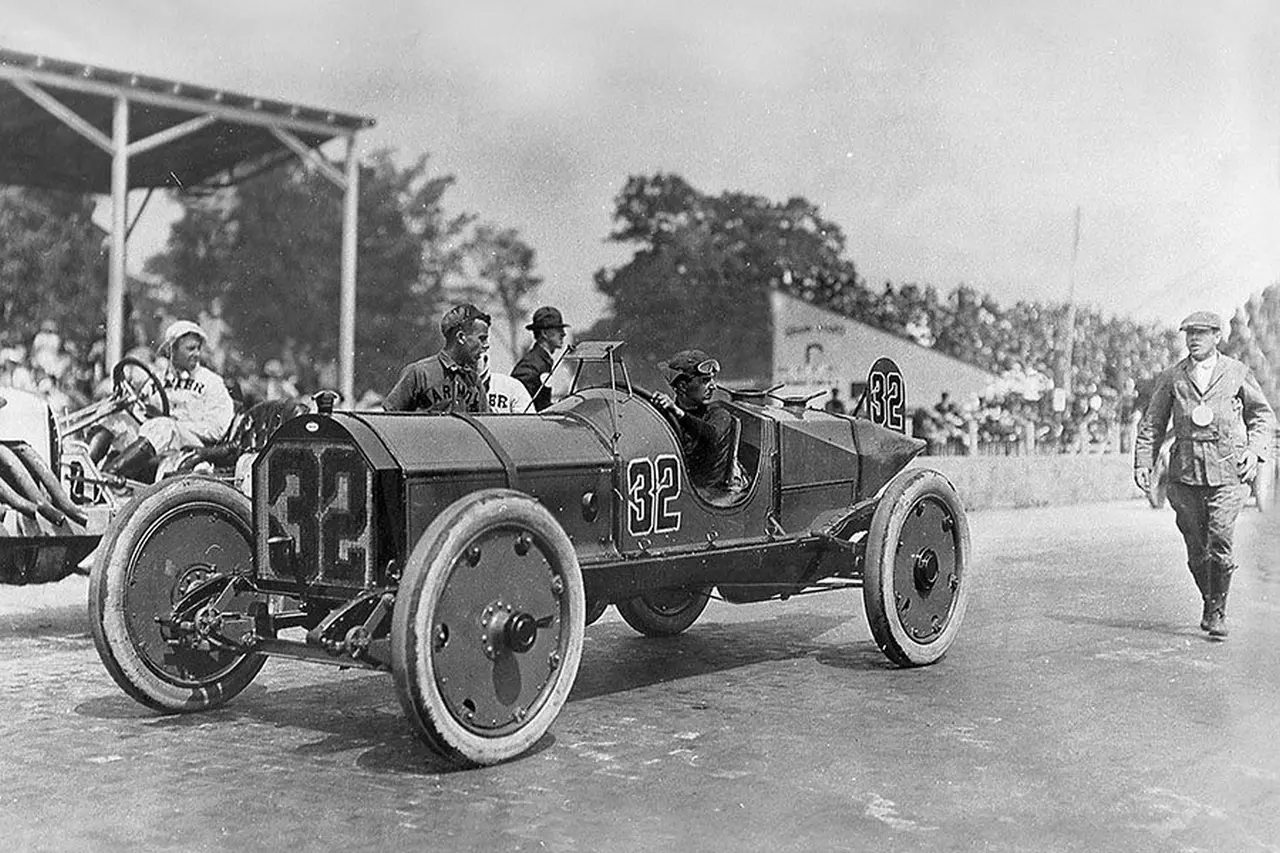
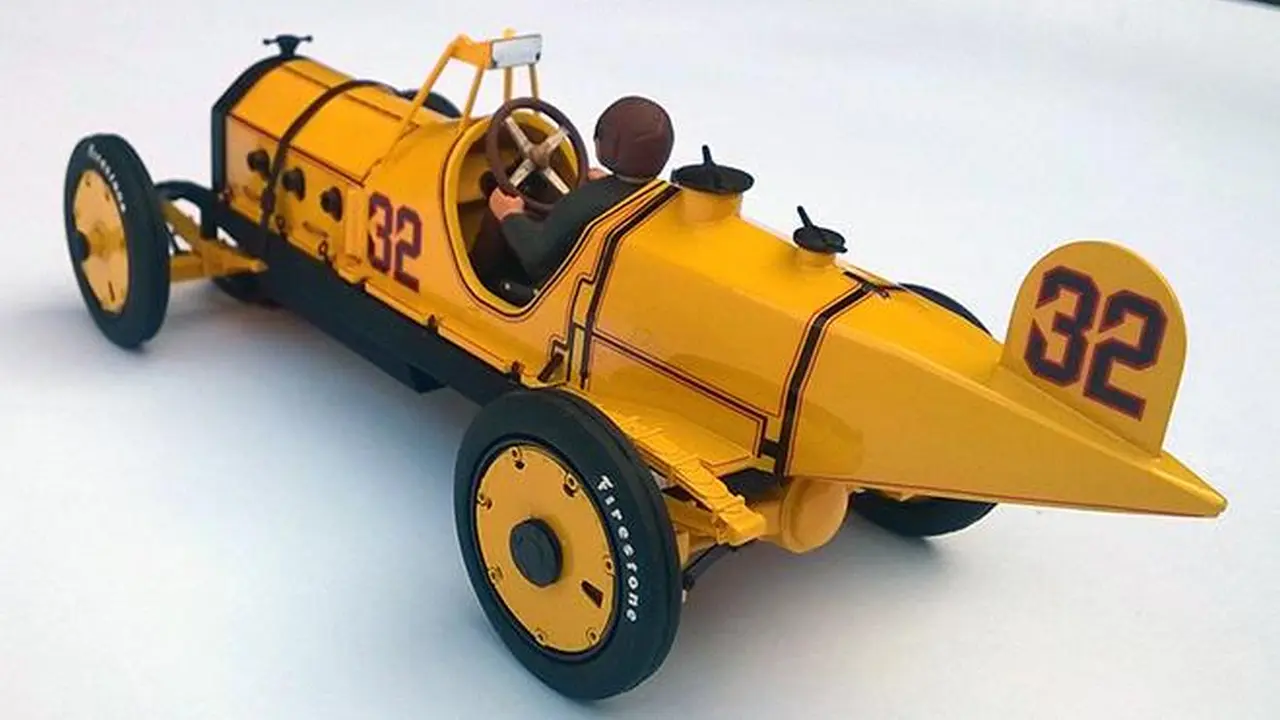
The first known use of a rearview mirror on an automobile took place during the first Indianapolis 500 race in the United States in 1911. A racer named Ray Harroun mounted a rearview mirror on the front of his automobile so that he could see where the other cars were positioned.
Thanks to this strategy, Harroun was able to compete without needing an assistant to provide information about the cars behind him, and he won the race. Ray Harroun's success demonstrated the importance of the rearview mirror to the automotive world.
Elmer Berger and the First Prototype
Elmer Berger is considered the inventor of the first adjustable rearview mirror for automobiles. During the 1920s, as automobile traffic increased, he began looking for a solution that would allow drivers to have a better view of what was happening behind them.
To address this need, Berger invented an adjustable rearview mirror for automobiles and received a patent for it in 1921.
Popularization and Standardization in Modern Automobiles
Elmer Berger's simple but effective invention soon became an important safety tool for drivers. Automobile manufacturers quickly began adopting this safety feature as standard equipment.
Technological Developments and Design
Wide-Angle Mirrors: In the 1960s, wide-angle mirrors were introduced to minimize drivers' blind spots.
Electronic Features: The 1980s and 1990s were important decades in the evolution of mirrors, with features such as electrically adjustable mirrors, heating functions, and even integrated turn signals being added.
Digital Rearview Mirrors: In recent years, some manufacturers have begun replacing traditional rearview mirrors with digital displays supported by cameras. As technology continues to advance, the future of rearview mirrors could include greater digitalization, augmented reality features, and even holographic displays.
The rearview mirror has evolved from a simple reflective device into an essential safety tool for drivers. As technology advances, the role and functionality of the rearview mirror in automobiles continue to be redefined. In the future, this seemingly simple component may evolve with even more innovations designed to make the driving experience safer and more effective.