TR
TR EN
EN

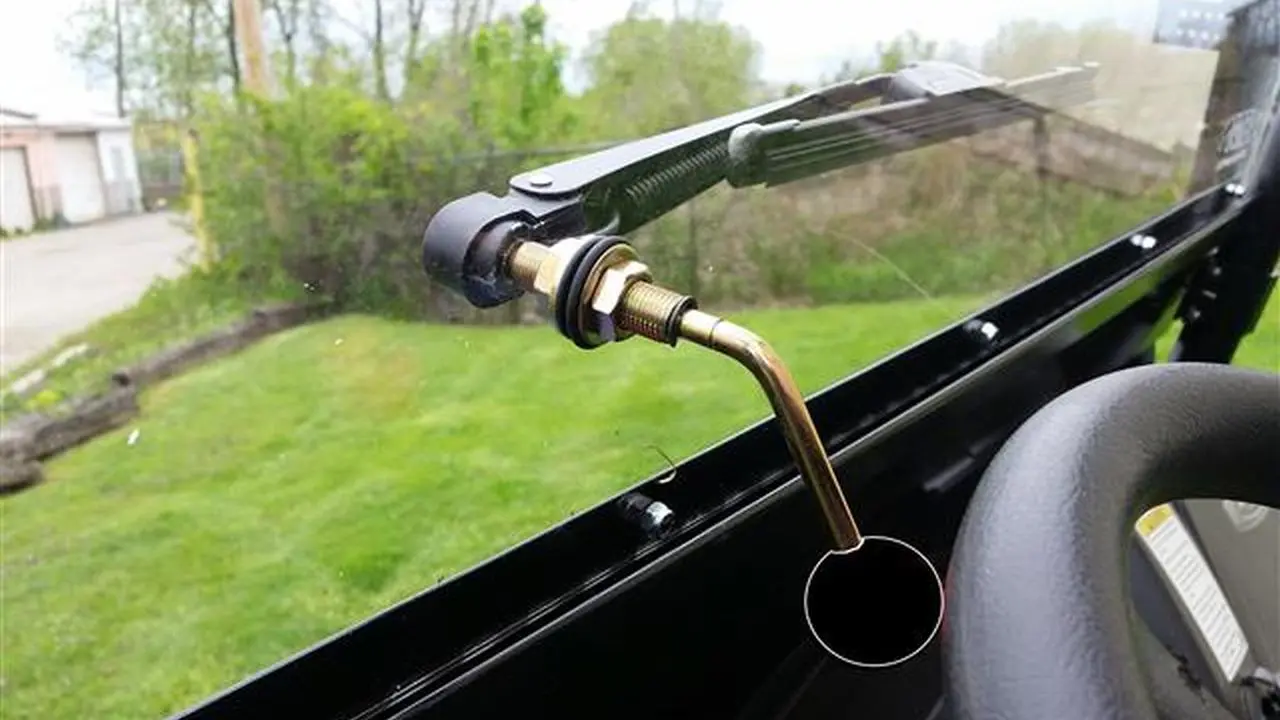
The History of the Windshield Wiper
Rain, snow, and other weather conditions can create difficulties for drivers while operating a vehicle. As automobiles became increasingly widespread in the early 1900s, the need to find a solution to these challenges became apparent. The windshield wiper was invented to address this need.
The First Windshield Wiper
Mary Anderson was born in Alabama in 1866 and worked in several fields, including real estate, farm management, and business management. However, she is best known for inventing the first manual windshield wiper designed to be mounted on an automobile windshield.
In 1902, while visiting New York City, Mary Anderson observed the driver of a streetcar on a winter day leaving part of the windshield open because of precipitation in order to maintain better visibility. This observation inspired Anderson to design a device that could provide drivers with better visibility.
Anderson designed a windshield wiper that could be mounted on the windshield and operated by turning a handle from inside the vehicle. This manual windshield wiper moved a rubber blade located on the outside of the windshield. This simple mechanism allowed the driver to clear the windshield while remaining dry and warm inside the vehicle.
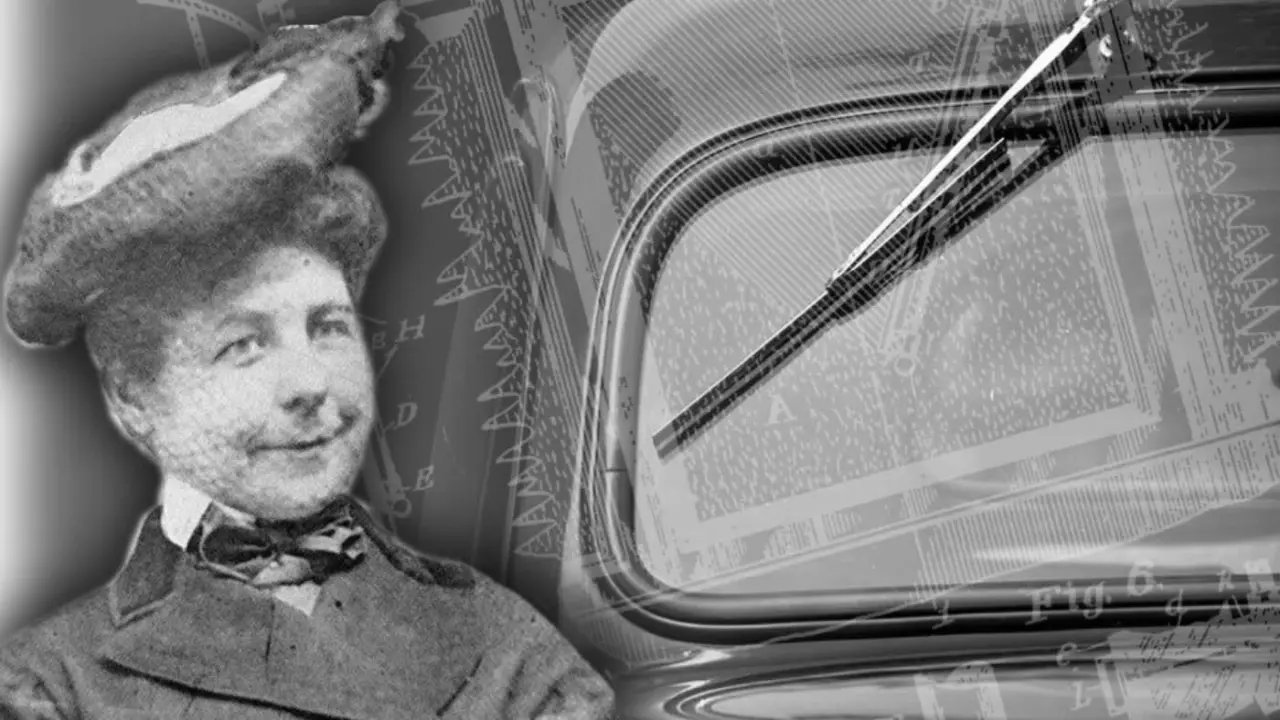
In 1903, Anderson received a patent for her invention in the United States. However, automobile manufacturers and other companies failed to recognize the commercial potential of the new invention, and Anderson's patent expired in 1920.
Electric Windshield Wipers
The electric windshield wiper was an important evolutionary step in the automotive industry. Instead of requiring the driver to operate the wiper manually, an electric motor allowed the wiper to move automatically.
The first examples of electric windshield wipers appeared in the 1920s, a period when electrical systems were becoming increasingly common in automobiles. Inspired by Anderson's manual wiper mechanism, inventors began combining the mechanism with an electric motor to make the wiper operate automatically.
In 1922, Cadillac became the first automobile brand to offer an electric windshield wiper as standard equipment. This feature provided a major convenience for drivers because they no longer had to continuously move the wiper by hand. This innovation made driving safer and more comfortable.
Developments and Innovations
Following the invention of the electric windshield wiper, the automotive industry introduced many developments in this area. Early electric windshield wipers generally had only a single speed setting. Over time, however, multiple speed settings were introduced to allow the system to respond more effectively to different weather conditions. Drivers could increase or decrease the wiper speed depending on the intensity of the precipitation.
During the 1970s, intermittent wiper mode became increasingly popular. This mode allows the wipers to operate automatically at specific intervals during light rain, eliminating the need for the driver to continuously switch the wipers on and off.
Toward the end of the 1980s, some luxury automobile brands began equipping their vehicles with rain sensors that allowed the wipers to respond automatically to precipitation. These sensors detect water droplets on the windshield and activate the wipers automatically.
To provide more effective cleaning at high speeds and reduce wind noise, windshield wipers adopted more aerodynamic designs. This helps the wipers remain more firmly against the windshield surface, particularly when traveling at high speeds on highways.
Beginning in the early 2000s, flexible wiper blades became increasingly popular. These blades conform more effectively to the curvature of the windshield, allowing them to provide more consistent and efficient cleaning.
In modern vehicles, wiper systems can work in conjunction with other vehicle sensors and cameras. For example, in some vehicles, the wipers can automatically increase or decrease their speed according to the vehicle's speed.
Windshield Wipers Today
The windshield wipers found on modern automobiles represent the latest stage of a technology that has continuously evolved for more than a century. Technological innovations and engineering developments have made today's wiper systems more efficient, convenient, and intelligent.
Modern windshield wipers can be equipped with rain sensors capable of detecting moisture or water droplets on the windshield. When rain begins or becomes heavier, these sensors can automatically activate the wipers, providing the driver with a safer driving experience. In addition, the aerodynamic design of modern wipers allows them to maintain effective contact with the windshield even at higher speeds.
Advanced motor designs and electronic controls have also made modern wiper systems more energy-efficient. This helps reduce the vehicle's overall energy consumption, which is particularly important in electric vehicles.
The windshield wiper is an important part of automotive history and plays a critical role in improving driving safety. Its evolution, from Mary Anderson's simple manual wiper design to today's high-tech automatic wiper systems, is an excellent example of how the automotive industry has continuously worked to improve both the driving experience and road safety.