TR
TR EN
EN

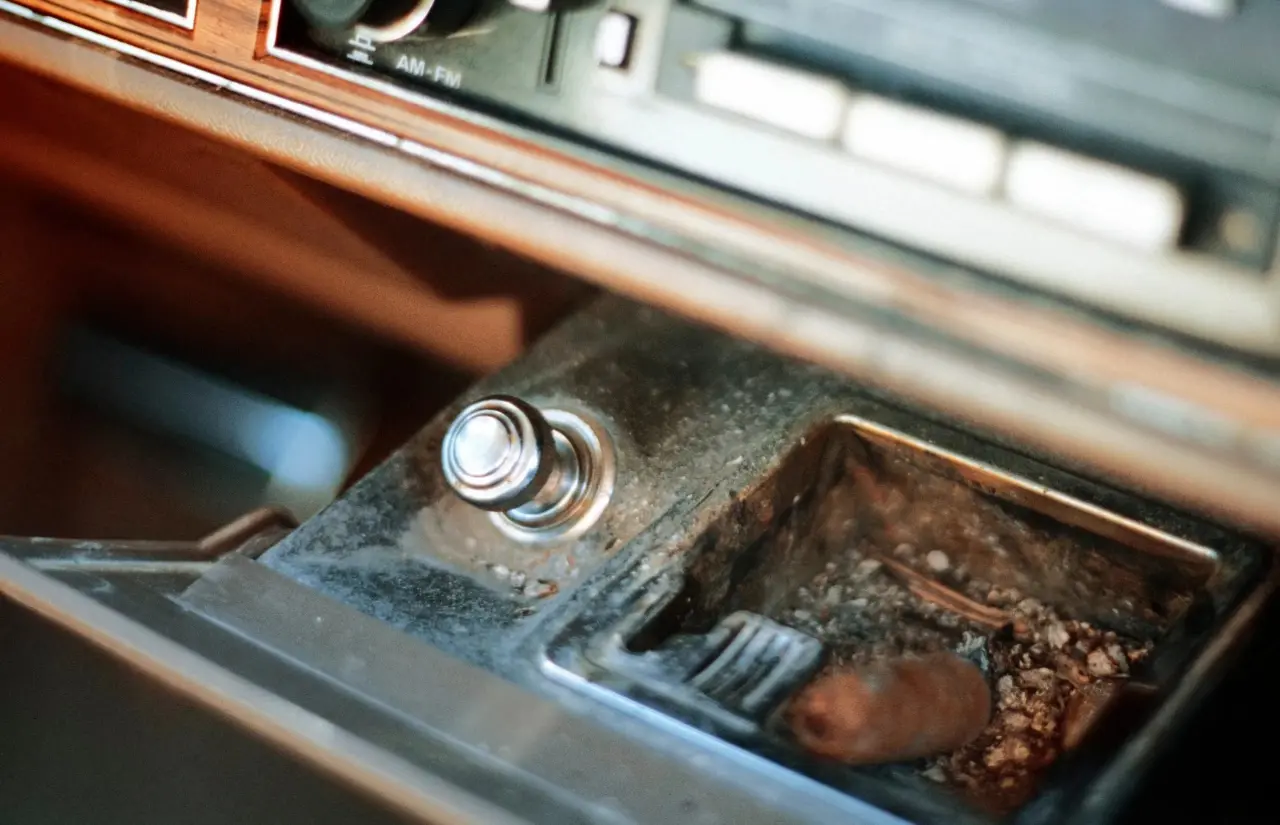
The Invention of Cigarette Lighters and Ashtrays in Cars: History and Uses
Throughout history, automobiles have evolved from being simply means of transportation into individual living spaces offering greater comfort and convenience. Small details inside the vehicle have played an important role in making the driving experience more practical and enjoyable. Among these features, the cigarette lighter and ashtray were two important details designed to make everyday life easier for drivers and passengers. But when did these features first appear, and why were they invented?
The Invention of the Cigarette Lighter in Cars
The emergence of cigarette lighters in automobiles dates back to the first half of the 20th century, when cigarette use was becoming increasingly widespread and private automobiles were becoming symbols of status and personal freedom. During the 1920s and 1930s, car owners wanted to make activities such as smoking while traveling more convenient and comfortable. This demand contributed to the development of the electric cigarette lighter.
The first electric cigarette lighter was developed by American inventor Alexander G. Clark, who received a patent for the system in 1921. The system worked by passing an electrical current through a resistance coil, causing the lighter element to heat up. The temperature eventually reached a level high enough to light a cigarette.
In 1925, this invention was developed into a spring-loaded lighter system by the Cigarette Lighter Company. The technology soon became a popular feature in luxury automobiles and was gradually adopted by automobile manufacturers.
Over the following decades, cigarette lighter systems became simpler and more practical. Eventually, the same socket evolved into what we now commonly recognize as a 12-volt power outlet, which can be used to power or charge various electronic accessories.
Early cigarette lighters and ashtrays were generally found in luxury automobiles. During the 1930s and 1940s, manufacturers such as Cadillac and Lincoln were among the companies that incorporated these features into their vehicles. At a time when interior design and passenger comfort were becoming increasingly important, practical features such as cigarette lighters and ashtrays also gained popularity.
The Invention of the Ashtray in Cars
The automobile ashtray was developed to collect cigarette ash and cigarette butts, providing a simple but practical solution for drivers and passengers who smoked inside their vehicles.
Ashtrays became increasingly common in automobiles after the 1930s, during a period when cigarette smoking had become a widespread social habit.
Automotive designers began incorporating ashtrays into vehicle interiors to make smoking more convenient while also helping keep the cabin cleaner. Early ashtrays were commonly integrated into the center console, dashboard, or inside door panels.
Over time, ashtray designs became more attractive and functional. Many were equipped with removable containers or mechanisms that made them easier to empty and clean.
Why Were Cigarette Lighters and Ashtrays Invented?
The development of both cigarette lighters and ashtrays was largely driven by the needs and habits of automobile users at the time.
Several factors contributed to their popularity:
-
The Widespread Use of Cigarettes: Until the middle of the 20th century, cigarette smoking was an extremely common habit around the world and was widely accepted as a social activity. The desire to smoke while traveling helped make these features common in automobiles.
-
Comfort and Cleanliness: Cigarette lighters made it easier for drivers and passengers to light cigarettes, while ashtrays helped prevent ash and cigarette butts from being scattered throughout the vehicle's interior.
-
Luxury and Design: Automobile manufacturers often positioned features such as cigarette lighters and ashtrays as details that emphasized the comfort and luxury of their vehicles. These features also became part of the competition between manufacturers as they sought to offer increasingly comfortable interiors.
-
Convenience During Long Journeys: Long-distance travel was one of the situations in which these features were particularly useful. Drivers and passengers could light cigarettes without carrying a separate lighter and dispose of cigarette waste without leaving the vehicle.
How the Cigarette Lighter Became a Power Outlet
One of the most interesting aspects of the cigarette lighter's history is that its usefulness eventually extended far beyond smoking.
The electrical socket used for the cigarette lighter became a convenient 12-volt power source. As automotive electronics became more widespread, manufacturers and aftermarket accessory companies began using this connection to power a variety of devices.
Over time, the cigarette lighter socket could be used for:
-
Portable air compressors
-
GPS navigation devices
-
Phone chargers
-
Dash cameras
-
Portable coolers
-
Bluetooth accessories
-
Other 12-volt electronic equipment
As a result, a component originally designed for lighting cigarettes became one of the most useful electrical outlets in the vehicle.
The Decline of Ashtrays and Cigarette Lighters
The role of these features began to change significantly toward the end of the 20th century.
Smoking rates declined in many countries, while awareness of the health risks associated with smoking increased. Smoking restrictions also became more common in public spaces and workplaces.
As a result, automobile manufacturers gradually stopped treating ashtrays and cigarette lighters as essential equipment.
Modern vehicle interiors increasingly prioritize other technologies, such as:
-
USB ports
-
USB-C charging
-
Wireless smartphone charging
-
Digital infotainment systems
-
Bluetooth connectivity
-
Advanced storage solutions
In many new vehicles, the traditional cigarette lighter is no longer included as standard equipment.
What Happened to the Cigarette Lighter Socket?
Although the traditional cigarette lighter has largely disappeared from many modern vehicles, the socket itself has survived in a different form.
The familiar 12-volt socket is still found in many cars and is now primarily used as a power outlet rather than a cigarette lighter.
This is a good example of how automotive technology can evolve without completely disappearing. The original purpose of the component may become obsolete, while the underlying technology remains useful.
What Happened to Ashtrays?
Ashtrays have become much less common in modern vehicles.
Some manufacturers offer smoking packages or removable ashtrays as optional accessories, but these are no longer considered essential equipment.
Instead, modern vehicle interiors are designed around cleaner and more flexible storage solutions. Cup holders, center-console compartments, door pockets, and small storage bins have largely replaced the traditional ashtray as everyday interior features.
Cigarette Lighters and Ashtrays as Part of Automotive History
Although cigarette lighters and ashtrays may seem unimportant compared with modern technologies such as adaptive cruise control, digital dashboards, or advanced driver-assistance systems, they tell an interesting story about how automobile interiors have changed.
Their popularity reflected the habits and expectations of drivers during much of the 20th century. Automobiles were increasingly designed not only to transport people but also to provide comfort and accommodate everyday activities.
The cigarette lighter represented convenience, while the ashtray provided a practical way to manage waste inside the vehicle. Together, they became recognizable elements of classic and vintage car interiors.
From Smoking Accessories to Digital Connectivity
The history of the cigarette lighter also demonstrates how a single automotive component can change its purpose over time.
A socket originally designed to heat a small metal element eventually became a general-purpose electrical outlet. Today, that same concept has been supplemented or replaced by USB-A, USB-C, and wireless charging technologies.
In this sense, the evolution from the cigarette lighter to modern charging ports reflects the broader transformation of the automobile from a primarily mechanical machine into a mobile technological environment.
Conclusion
Cigarette lighters and ashtrays were once important features of automobile interiors and played a significant role in improving convenience for drivers and passengers. Their development was closely connected with the widespread popularity of smoking during the 20th century.
Although these features have lost much of their former importance, their legacy remains visible in many vehicles. The traditional cigarette lighter socket has evolved into a practical 12-volt power outlet, while ashtrays have largely disappeared from modern interiors.
Their history provides an interesting example of how automobile design changes according to society, technology, and user needs. What was once an everyday necessity has gradually become a piece of automotive history, while the underlying idea of providing convenient power and storage continues to live on in modern vehicles.