TR
TR EN
EN

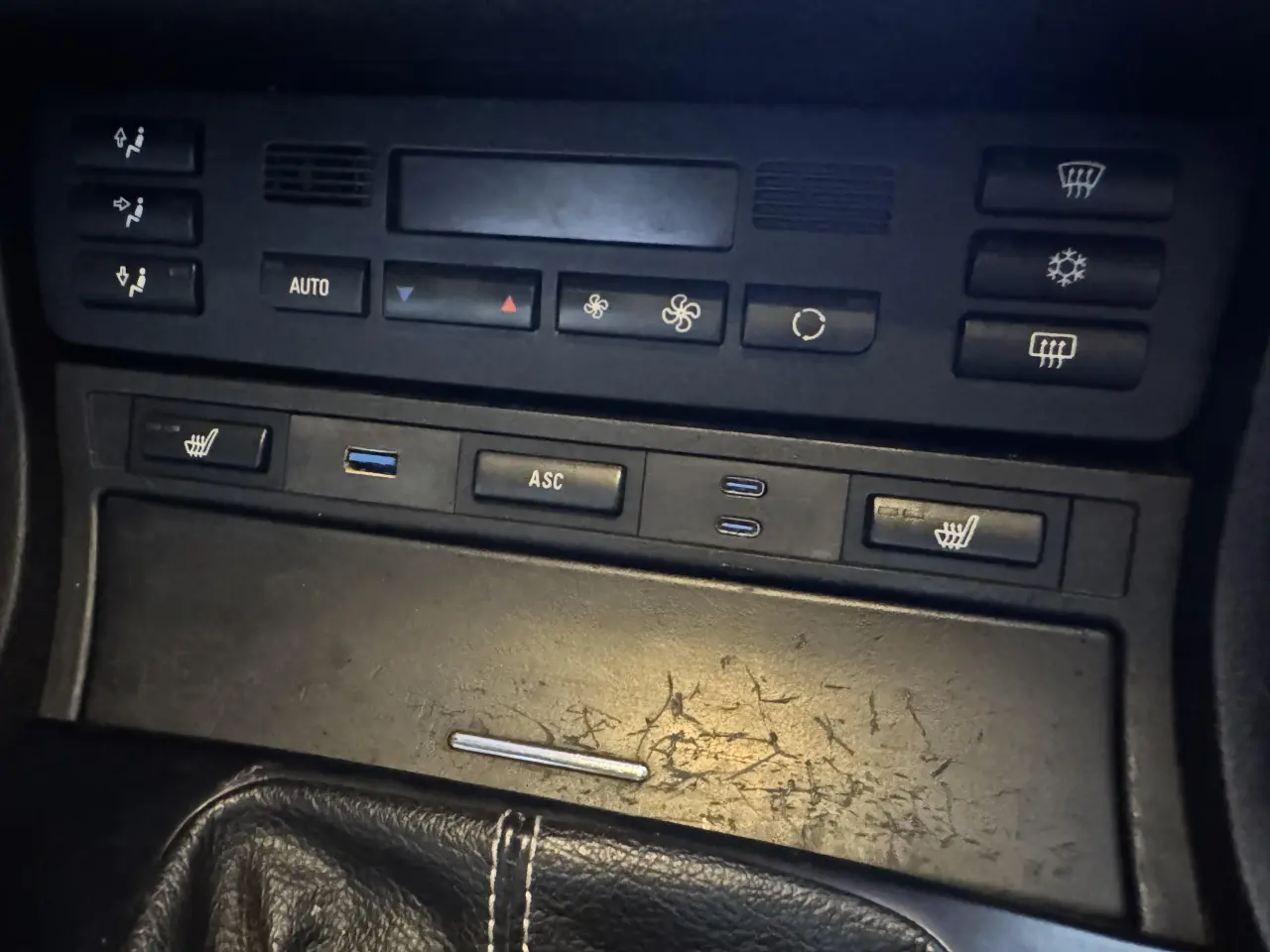
The Invention of USB and Its First Use in Cars
The invention of the USB (Universal Serial Bus) and its introduction into automobiles marked an important step in the integration of digital technology into the automotive industry. USB was originally developed as a connection standard designed to simplify data transfer between computers and peripheral electronic devices. Over time, however, the technology found applications far beyond personal computers.
As automobiles became increasingly dependent on electronic entertainment, communication, and infotainment systems, USB became an important connection method inside the vehicle. It allowed drivers and passengers to connect portable music players, smartphones, USB flash drives, and other electronic devices directly to the vehicle's multimedia system.
Today, USB ports are found in a large number of modern cars and can be used for several purposes, including charging smartphones, transferring data, playing music, connecting smartphones to infotainment systems, and supporting technologies such as Apple CarPlay and Android Auto.
The Invention of USB
USB was developed in the mid-1990s through cooperation between several major technology companies, including Intel, Microsoft, Compaq, and other industry partners.
Before USB became widely available, computers often required different types of connectors for different peripheral devices. Printers, keyboards, mice, scanners, external storage devices, and other accessories could use completely different connection standards.
This created several problems for users. Different devices required different cables and connectors, and installing or replacing hardware could be unnecessarily complicated.
The goal of USB was to create a more universal connection method that could simplify communication between computers and peripheral devices.
The first official USB specification, USB 1.0, was released in 1996. It provided a standardized method for connecting devices and transferring data.
USB gradually evolved through several generations, with improvements in data-transfer speed, power delivery, connector design, and compatibility.
Why Was USB Such an Important Innovation?
USB was more than just a new connector.
One of its biggest advantages was standardization. Instead of requiring a different connection method for every type of peripheral device, manufacturers could use a common interface.
USB also made it easier to connect and disconnect devices. The technology was designed to support plug-and-play operation, meaning that compatible devices could generally be recognized by the computer without complicated manual configuration.
Another important feature was the ability to provide electrical power through the same connection used for data.
This characteristic eventually made USB particularly useful in automobiles.
A single USB port could potentially provide both communication with the vehicle's infotainment system and power for a connected electronic device.
How Did USB Enter the Automotive Industry?
The introduction of USB into automobiles was closely connected with the rapid development of in-car infotainment systems.
During the 1990s, many vehicles were still equipped primarily with traditional radio and CD systems. Portable cassette players and CD players could sometimes be connected through auxiliary inputs, but digital music was becoming increasingly popular.
The emergence of MP3 files and portable digital music players created a new demand.
Drivers wanted to take their digital music collections with them and play those files through the vehicle's audio system.
This created an opportunity for USB.
Instead of carrying CDs, drivers could store hundreds or even thousands of music files on portable digital storage devices and connect them to the vehicle.
USB and Digital Music in Cars
One of the earliest important automotive uses of USB was digital music playback.
A USB flash drive could contain music files in formats such as MP3. When connected to a compatible vehicle multimedia system, the system could read the files and play them through the car's speakers.
This represented a significant change in automotive entertainment.
Drivers no longer had to depend entirely on traditional physical media such as cassette tapes or CDs. A small flash drive could carry a much larger collection of music.
USB also became important for connecting portable digital music players, particularly the iPod.
USB and the iPod Era
The rise of Apple's iPod played an important role in the development of digital music integration in vehicles.
During the 2000s, car manufacturers began offering increasingly sophisticated interfaces for portable music players. USB connections made it possible for vehicles to communicate with compatible devices and allow users to control music through the vehicle's audio system.
Automakers including BMW, Honda, Mercedes-Benz, and others developed different forms of digital music integration during this period.
BMW was particularly active in integrating portable digital music devices into its infotainment systems, helping establish the idea that a vehicle could act as an extension of a driver's personal digital ecosystem.
This period was important because the USB port was no longer simply a computer connection. It was becoming part of the automobile's entertainment and communication architecture.
The First Use of USB in a Vehicle
The history of the first automotive USB implementation is more complicated than simply identifying a single vehicle and manufacturer.
USB technology itself was standardized in the mid-1990s, but automotive adoption occurred gradually as infotainment systems evolved. During the early and mid-2000s, several manufacturers began introducing USB-based connectivity and digital media interfaces.
BMW was among the major premium manufacturers associated with early factory integration of USB-based digital media connectivity. Around this period, USB connections were increasingly offered to support portable music players and digital audio devices.
As the technology matured, USB became increasingly common in factory-installed infotainment systems.
USB Ports Became More Than Music Connections
Initially, automotive USB ports were primarily associated with music.
However, their role expanded considerably.
Modern vehicle USB ports can perform several functions depending on the vehicle and the port's specifications:
-
Smartphone charging
-
Music playback
-
Data transfer
-
Smartphone connectivity
-
Apple CarPlay connection
-
Android Auto connection
-
Software and map updates
-
Diagnostic or service-related functions in certain applications
-
Connection of compatible external devices
This evolution turned the USB port into an important part of the vehicle's electronic architecture.
USB for Smartphone Charging
One of the most common uses of USB in modern vehicles is smartphone charging.
As smartphones became essential everyday devices, drivers increasingly needed a convenient way to keep them charged while traveling.
Automakers therefore began installing USB ports in locations such as:
-
The center console
-
The dashboard
-
The front storage area
-
The rear passenger area
-
The armrest
-
The rear of the center console
Some modern vehicles provide several USB ports so that both front and rear passengers can charge their devices.
USB and Smartphone Integration
USB also became an important bridge between smartphones and vehicle infotainment systems.
Modern infotainment systems can use USB connections to communicate with smartphones and provide access to supported applications.
One of the most important developments was the integration of Apple CarPlay and Android Auto.
Depending on the vehicle and multimedia system, these platforms can allow drivers to access navigation, music, phone calls, messages, and other compatible applications through the vehicle's infotainment interface.
In older systems, a physical USB cable was often required.
Newer vehicles increasingly support wireless connectivity, reducing the need for a physical cable for everyday smartphone integration.
The Development of USB Connectors
USB technology has evolved considerably since USB 1.0.
The original USB Type-A connector became extremely common in computers and other electronic devices. Over time, smaller connector formats were introduced, including Mini-USB and Micro-USB.
The automotive industry adopted several of these connector types depending on the age and design of the vehicle.
More recently, USB-C has become increasingly common.
USB-C offers a reversible connector design and can support significantly higher data-transfer speeds and power-delivery capabilities depending on the implementation.
USB-C in Modern Cars
USB-C is gradually replacing older USB Type-A ports in many new vehicles.
There are several reasons for this transition.
Modern smartphones, tablets, laptops, and other devices increasingly use USB-C. As a result, vehicle manufacturers are adapting their interiors to match current consumer electronics.
USB-C can also provide higher charging power than many older USB implementations.
However, it is important to understand that not every USB-C port has the same capabilities.
A USB-C connector does not automatically mean that the port supports the highest available data-transfer speed or charging power. The actual capabilities depend on the vehicle's hardware and electronic architecture.
One USB-C port may be designed primarily for charging, while another may support both high-speed data communication and smartphone integration.
USB Charging Port vs. USB Data Port
Not every USB port inside a vehicle performs the same function.
Some ports are designed primarily for charging. Others are connected directly to the infotainment system and support data communication.
This distinction is important when connecting a smartphone.
A charging-only USB port may provide power but may not support Apple CarPlay, Android Auto, music file access, or other data-based functions.
Some vehicles clearly label their ports to indicate their purpose, while others require the driver to consult the vehicle's owner's manual.
USB and Vehicle Software Updates
USB connections can also be used for software updates in certain vehicles.
Automakers may provide software, navigation database, or multimedia system updates that can be installed using a USB storage device.
Depending on the vehicle, the update process may involve downloading the required software to a USB drive and then connecting the drive to a designated USB port.
This means that the USB interface can sometimes play a role in maintaining the vehicle's electronic systems rather than simply providing entertainment or charging.
USB in the Rear Seats
As vehicle interiors have become more focused on passenger comfort, USB ports have also moved to the rear of the cabin.
Family vehicles and larger cars may provide separate charging ports for rear passengers.
This is particularly useful for long journeys because passengers can charge smartphones, tablets, headphones, and other portable devices without competing for the front USB ports.
USB connectivity has therefore become part of the overall passenger experience rather than simply an infotainment feature for the driver.
Why USB Became So Popular in Cars
There are several reasons for the widespread adoption of USB in automobiles.
Standardization
USB became a widely recognized connection standard across the consumer electronics industry.
Convenience
A single small port can provide both power and data communication.
Digital media compatibility
USB made it easier to connect digital music devices and storage media to vehicle audio systems.
Smartphone integration
USB became an important connection method for smartphones and modern infotainment platforms.
Compact design
USB connectors require relatively little space, making them suitable for vehicle interiors.
Future compatibility
As electronic devices continue to evolve, manufacturers can adapt the vehicle's connectivity systems without fundamentally changing the concept of a universal wired connection.
How USB Changed the In-Car Experience
Before digital connectivity became common, the car's entertainment system was relatively independent from the driver's personal electronics.
Radio and CD players were the primary sources of entertainment.
USB changed this relationship.
The vehicle became capable of interacting directly with the driver's digital devices. Music collections, smartphones, navigation applications, and other digital content could increasingly become part of the driving environment.
This was an important step toward today's connected-car concept.
USB and the Connected Car
Modern cars are increasingly connected machines rather than simple transportation devices.
Infotainment systems communicate with smartphones, cloud services, navigation systems, vehicle control units, and other electronic components.
USB was one of the technologies that helped accelerate this transition.
Although wireless technologies are now becoming increasingly important, USB remains relevant because a physical connection can provide reliable data communication and power simultaneously.
For some applications, a wired connection can also provide advantages in terms of stability and charging performance.
The Future of USB in Automobiles
The future of automotive USB connectivity is likely to be dominated by USB-C and increasingly powerful charging systems.
As smartphones and other portable devices require more power, vehicle manufacturers are expected to provide higher-capacity charging ports.
At the same time, wireless technologies will continue to reduce the need for physical cables.
Wireless Apple CarPlay, Android Auto, Bluetooth, wireless charging, and high-speed Wi-Fi are already reducing dependence on traditional wired connections.
Nevertheless, USB is unlikely to disappear immediately.
A physical connection remains useful when users need fast charging, reliable data transfer, software updates, or a stable connection between a smartphone and the vehicle.
From a Computer Connector to an Automotive Standard
The story of USB is a good example of how a technology can evolve far beyond its original purpose.
USB was created primarily to simplify connections between computers and peripheral devices. It later became a fundamental part of smartphones, consumer electronics, digital storage, and eventually automobiles.
Its introduction into vehicles during the 2000s helped transform the traditional car audio system into a more flexible digital infotainment platform.
What began as a simple data connection eventually became a tool for music playback, smartphone integration, charging, software updates, and passenger connectivity.
Conclusion
The invention of USB in the 1990s and its gradual adoption by the automotive industry in the following decade represented an important stage in the digital transformation of automobiles.
Early automotive implementations were strongly associated with digital music and portable media players, particularly during the rise of the iPod. Premium manufacturers such as BMW and others helped bring this type of connectivity into factory-installed vehicle infotainment systems.
Over time, USB evolved from a simple digital media connection into a multifunctional automotive interface. Today, USB ports can charge smartphones, transfer data, connect mobile devices to infotainment systems, support Apple CarPlay and Android Auto, and in some vehicles assist with software updates.
The transition from traditional USB connectors to USB-C shows that the technology is still evolving. Even as wireless connectivity becomes more common, USB remains an important part of the modern vehicle because of its ability to combine power and data communication in a compact and familiar connection.
The history of USB in automobiles therefore reflects a much larger transformation: the evolution of the car from a mechanically focused machine into a connected digital platform.