TR
TR EN
EN

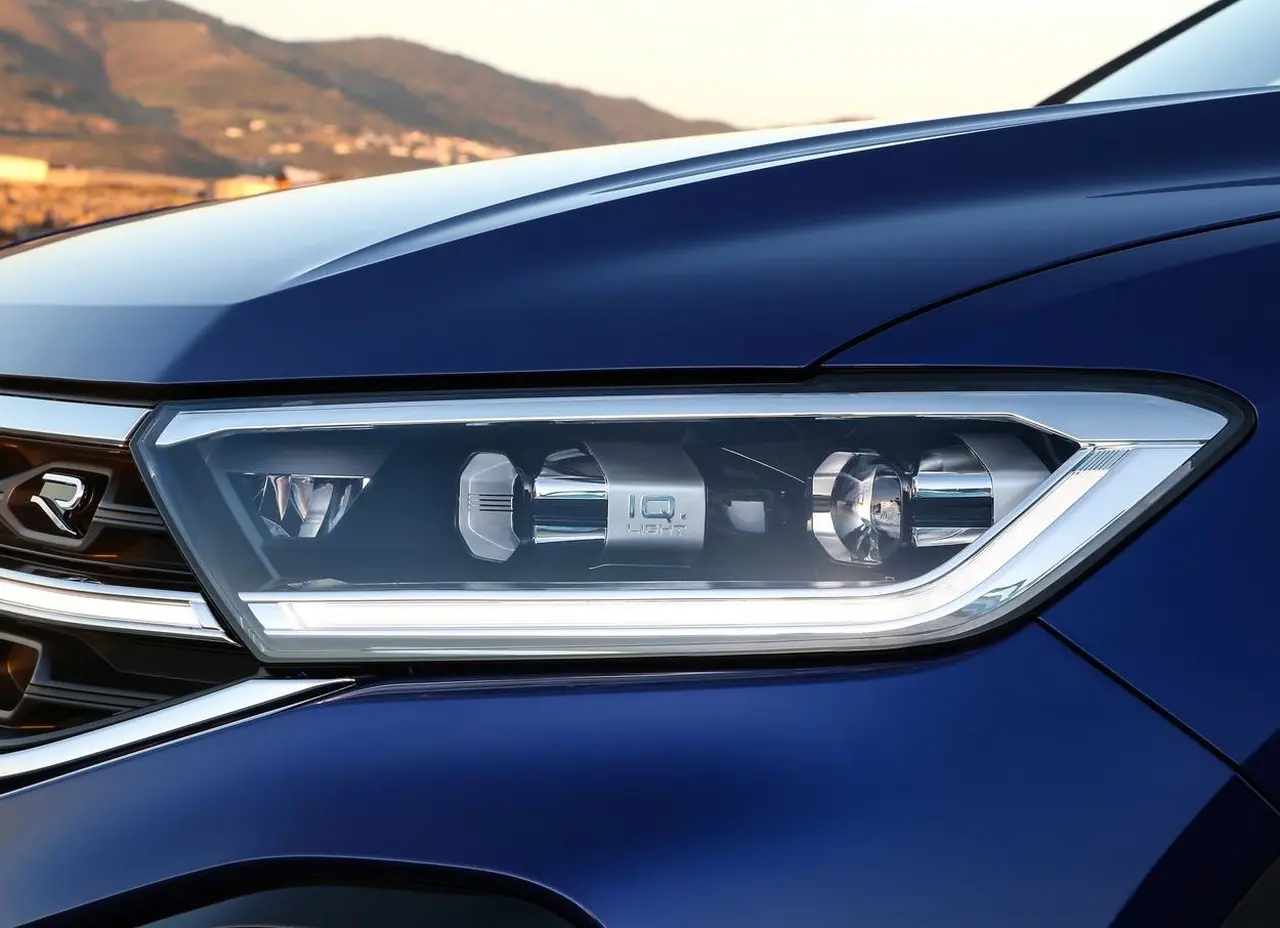
Headlight Sensor: An Invention That Started a New Era in Automobiles
The headlight sensor is an important automotive technology that improves safety during nighttime driving while making things easier for the driver. This system detects the surrounding light level and automatically turns the vehicle's headlights on or off.
The purpose of headlight sensors is to prevent drivers from forgetting to turn on their headlights at night or in low-light conditions, while also ensuring better visibility of the road ahead. Headlight sensors can also work with automatic lighting systems that adjust the vehicle's lighting when necessary in traffic, helping prevent unnecessary discomfort for other drivers.
The Invention of the Headlight Sensor
Headlight sensor technology was developed in the mid-1990s. The system was designed primarily to provide an automatic headlight activation feature, allowing drivers to drive more safely at night and under low-light conditions.
Headlight sensors rely on light-sensitive components that detect the surrounding lighting conditions. They are generally integrated into areas such as the windshield or other suitable locations on the vehicle.
When the sun is setting or when the vehicle enters a tunnel, the sensor detects the reduction in ambient light and automatically activates the headlights. Likewise, when the surrounding light level increases, the system can turn the headlights off.
Headlight sensors were developed particularly to prevent drivers from forgetting to turn on their headlights. By automating this task, the technology helps improve traffic safety while preventing unnecessary use of the vehicle's lighting system.
The First Vehicle to Use a Headlight Sensor
Headlight sensor technology was introduced by Mercedes-Benz in the S-Class in 1995. The model was among the early luxury vehicles to incorporate this type of automatic lighting technology.
Mercedes-Benz aimed to provide drivers with a practical solution for nighttime and low-light driving. The system detects the surrounding light level and automatically activates or deactivates the headlights when appropriate.
The Mercedes-Benz S-Class became an example that helped popularize this technology and encouraged other automobile manufacturers to develop similar systems. Over time, headlight sensors were adopted by more vehicle manufacturers and became available to a much wider range of drivers.
Who Invented the Headlight Sensor?
There is no single inventor who can be credited with the development of headlight sensor technology. Instead, the system emerged through the contributions of numerous engineers and researchers working on automotive lighting and sensor technologies.
However, the introduction of headlight sensor technology in the 1995 Mercedes-Benz S-Class represented an important milestone in its adoption within the automotive industry. Mercedes-Benz and other manufacturers continued to improve the design and operation of these systems with the goal of increasing driver safety and convenience.
Advantages of Headlight Sensors
Headlight sensors provide several important advantages:
-
Driver Comfort: Headlight sensors help prevent drivers from forgetting to turn the headlights on or off during nighttime and low-light driving. This reduces the driver's workload and allows them to focus more attention on driving.
-
Safety: Automatic headlight activation provides better visibility at night and in low-light conditions and can help reduce the risk of collisions by making the vehicle more visible to other road users.
-
Energy Efficiency: The system can prevent the headlights from remaining on unnecessarily, helping the vehicle's electrical system operate more efficiently.
-
Reduced Unnecessary Use: By activating the headlights according to ambient lighting conditions, the system avoids unnecessary operation when full lighting is not required.
Headlight sensor technology is an important innovation in the automotive industry that improves both driving safety and comfort. First introduced in vehicles such as the Mercedes-Benz S-Class, the system was gradually adopted by many other manufacturers and eventually became a common feature in modern vehicles.
Today, automatic lighting systems can do much more than simply turn the headlights on when it gets dark. When combined with other vehicle sensors and electronic control systems, they can also contribute to automatic high-beam control and more advanced adaptive lighting functions.