TR
TR EN
EN

Rain Sensor: Automotive Technology That Improves Driving Safety
A rain sensor is an important technological innovation in modern automobiles that improves both driver comfort and safety. This sensor detects water accumulation on the windshield and automatically activates the windshield wipers.
This feature eliminates the need for the driver to manually operate the wipers and helps maintain clear visibility, especially in rainy weather conditions. Over time, rain sensors have become standard equipment in many vehicles and are recognized as an important driver-assistance technology that contributes to driving safety.
The Invention and Inventor of the Rain Sensor
Rain sensor technology began to be developed in the early 1990s. These sensors operate using light sensors and optical technologies, particularly those installed around the windshields of vehicles. However, there is no single inventor who can be credited with the invention of the technology. Rain sensors were developed through the combined efforts of different engineers and automotive companies.
In the early days of automobiles, windshield wipers were manually controlled by the driver. As technology advanced, this process became automated.
The basic operating principle of rain sensors is based on optical sensors that detect the amount of water accumulated on the windshield. Depending on the concentration of water droplets on the glass, these sensors determine whether the wipers should operate and how fast they should move. This allows drivers to maintain a clear view of the road without taking their hands off the steering wheel while driving in rainy conditions.
The First Vehicle to Use a Rain Sensor
Rain sensor technology was first used by Mercedes-Benz in the S-Class in 1997. Mercedes-Benz began introducing the technology experimentally in its luxury vehicles at the time. This was a major innovation in the automotive industry and attracted the attention of other vehicle manufacturers.
The rain sensor used in the Mercedes-Benz S-Class automatically activated the windshield wipers when water droplets were detected on the glass. This innovation was soon adopted by other major automobile manufacturers and gradually became a standard feature in an increasing number of models.
How Does a Rain Sensor Work?
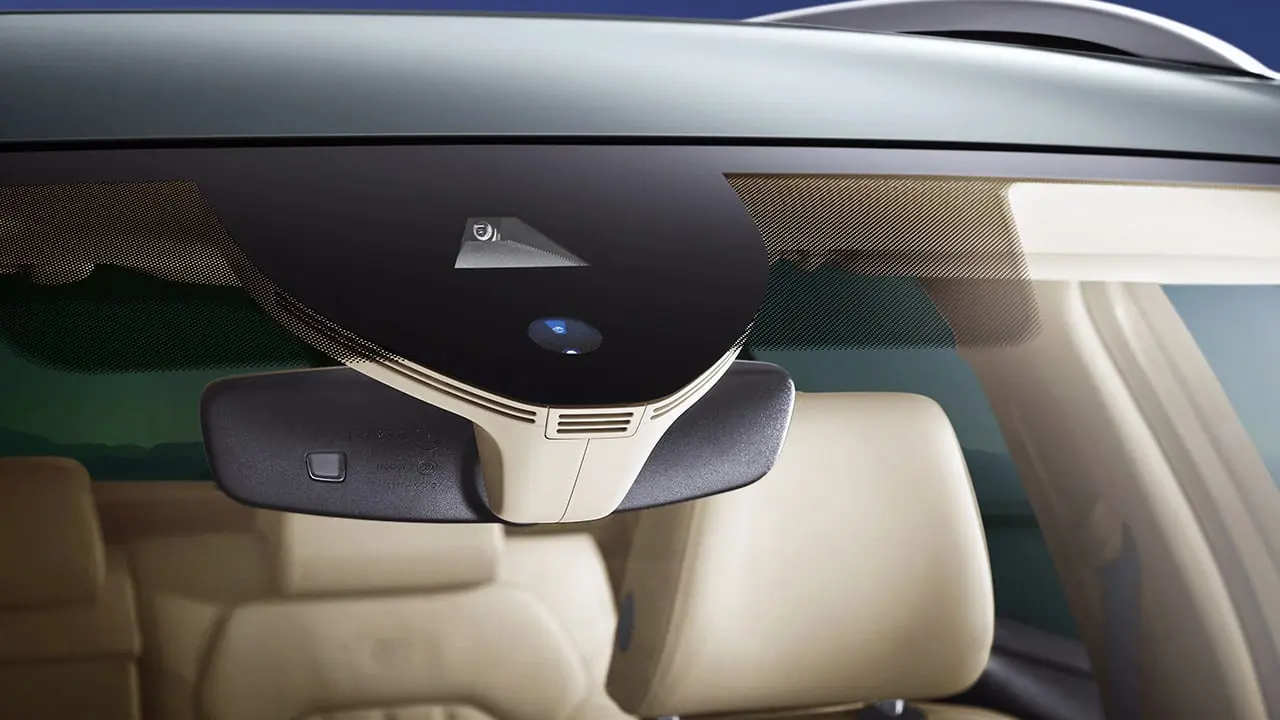
A rain sensor generally operates through a sensor module located near the upper section of the windshield, usually around the interior rear-view mirror. Its operating principle is based on measuring changes in light reflection and refraction.
The system works as follows:
-
Light Refraction Principle: Rain sensors generally use infrared light to send light toward the surface of the windshield. When the glass surface is covered with water droplets, the behavior of the light changes as it interacts with the water.
-
Detection and Response: When water droplets alter the way the light is reflected or refracted, the sensor detects this change. The amount of change varies depending on the amount of water present on the windshield.
-
Wiper Activation: The sensor measures the concentration of water droplets and adjusts the wiper operation accordingly. In some advanced rain sensor systems, the wiper speed can be increased or decreased depending on the intensity of the rainfall.
-
Manual Control: Rain sensors may also allow manual control by the driver. Drivers can use controls inside the vehicle to deactivate the automatic function or adjust the wiper settings.
Advantages of Rain Sensors
Rain sensors offer several important advantages:
-
Driving Safety: The rain sensor automatically activates the windshield wipers when water accumulates on the windshield, helping maintain clear visibility and supporting safer driving.
-
Comfort: The driver does not need to manually turn the windshield wipers on. This is particularly useful when driving in heavy rain, as it allows the driver to remain focused on the road.
-
Energy Efficiency: The rain sensor activates the wipers only when necessary, helping prevent unnecessary operation and energy consumption.
-
Road Safety: Operating the windshield wipers at an appropriate speed helps keep the windshield properly clear. This can improve road safety, particularly when weather conditions change rapidly.
Rain sensors, introduced by pioneering automobile manufacturers such as Mercedes-Benz and later adopted by other vehicle manufacturers, have become an important automotive innovation. This technology allows drivers to continue driving in rainy conditions without having to take their hands off the steering wheel to operate the wipers, contributing to greater comfort and safety.
Rain sensors are considered an important step in the evolution of automotive technology and have become a common feature in modern vehicles.