TR
TR EN
EN

Cruise Control and Adaptive Cruise Control
Automotive technology is developing every day, making driving experiences more comfortable, safer, and more efficient. One of these technologies is cruise control and its more advanced version, adaptive cruise control. So, what is cruise control, how does it work, who invented it, and in which vehicle was it first used?
Who Invented Cruise Control?
Cruise control is a system that allows the driver to set the vehicle's speed and travel at a constant speed without continuously pressing the accelerator pedal. This technology was invented by an engineer named Ralph Teetor. In the 1950s, Ralph Teetor was a visually impaired engineer, and his idea for maintaining a constant vehicle speed was inspired by his experiences while traveling in cars. Cruise control prevented drivers from having to continuously press the accelerator pedal during long journeys, providing a more comfortable driving experience.
Which Car Was It First Used In?
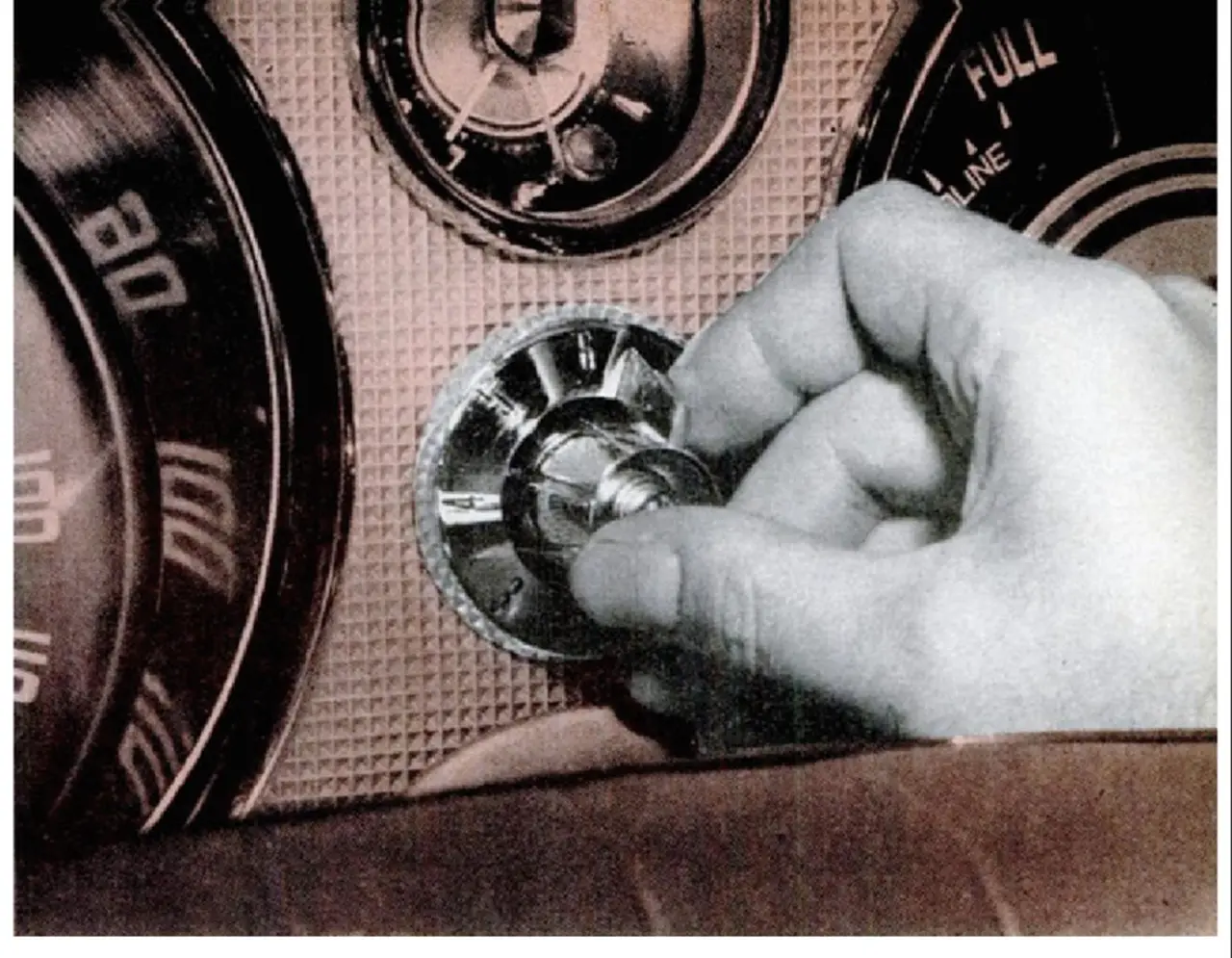
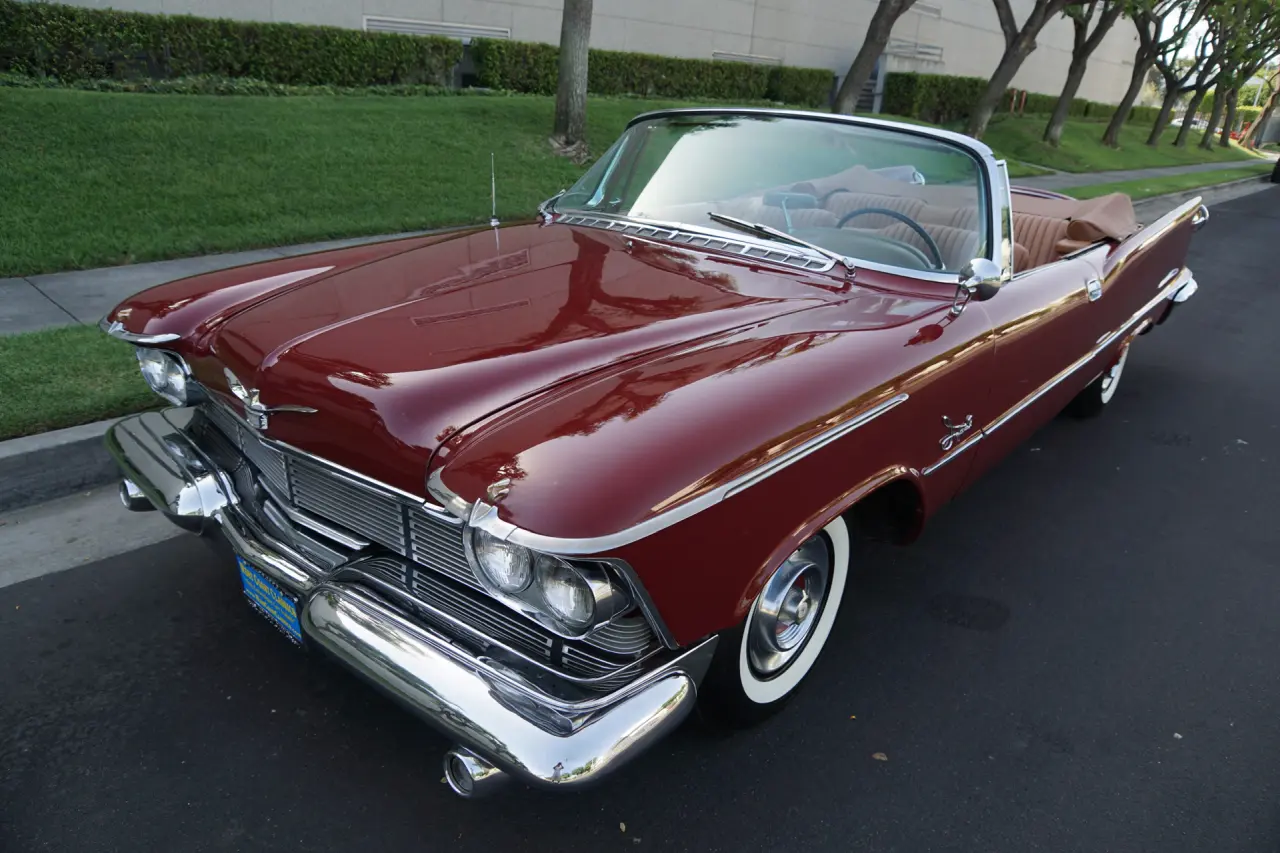
Ralph Teetor's invention was first used in the 1958 Chrysler Imperial. Chrysler designed this new technology to allow the driver to maintain a speed selected by the driver. This was a revolutionary innovation in the automotive industry. Drivers were no longer required to constantly control their speed during long journeys.
How Does Cruise Control Work?
Cruise control is based on a relatively simple operating principle. The driver sets the desired speed using a button or control. Once the system is activated, the vehicle maintains the selected speed, allowing the driver to travel without pressing the accelerator pedal. If the vehicle loses speed, the system automatically attempts to bring the speed back to the selected level. This technology provides significant convenience during long journeys and can also improve fuel efficiency.
The basic operating principles of cruise control include:
-
Speed Setting: The driver sets the desired speed using a control button.
-
Throttle Control: The system controls the throttle to keep the vehicle at the speed selected by the driver.
-
Speed Reduction and Increase: If the vehicle loses speed, the system automatically accelerates to compensate. Likewise, when necessary, it can reduce the vehicle's speed.
Adaptive Cruise Control (ACC)
Adaptive cruise control is a more advanced version of conventional cruise control. This technology does not simply maintain the vehicle's speed; it also adjusts the vehicle's speed according to the speed of the vehicle ahead. If the vehicle in front slows down, adaptive cruise control reduces the vehicle's speed to maintain a safe following distance. When the vehicle ahead begins to accelerate, the system can increase the vehicle's speed again toward the selected cruising speed.
Adaptive cruise control can use technologies such as radar sensors, camera systems, and LIDAR. These sensors detect surrounding conditions and allow the system to adjust the vehicle's speed when necessary. This can significantly reduce the driver's workload, especially in heavy traffic or during long journeys.
How Does Adaptive Cruise Control Work?
-
Distance Detection: Adaptive cruise control detects the distance between the vehicle and the vehicle ahead. This can be done using radar sensors or cameras.
-
Speed Adjustment: The system adjusts the vehicle's speed while maintaining an appropriate distance from the vehicle ahead.
-
Braking and Acceleration: If the vehicle ahead slows down, the system can automatically apply the brakes. If the vehicle ahead accelerates, the system can increase the vehicle's speed.
-
Adaptation to Road Conditions: Some systems can respond to lane changes or traffic conditions with driver input and other vehicle information.
Differences Between Cruise Control and Adaptive Cruise Control
-
Cruise Control: This system simply maintains the speed selected by the driver, allowing the vehicle to travel at that speed without the driver continuously pressing the accelerator pedal.
-
Adaptive Cruise Control (ACC): The adaptive system not only maintains the selected speed but also detects the distance to the vehicle ahead and adjusts the vehicle's speed accordingly. It provides greater assistance to the driver, particularly in traffic.
Automotive technology has made significant progress in improving driving safety and comfort with systems such as cruise control and adaptive cruise control. In the future, these systems are expected to become even more advanced and increasingly integrated with autonomous driving technologies. For now, however, they already provide drivers with significant convenience during long journeys and can make driving more comfortable and safer.
The development of these technologies may also contribute to reducing traffic accidents and encouraging more efficient and environmentally conscious driving methods.