TR
TR EN
EN

The History of Power Windows
Power window systems are among the most important innovations in the automotive world in terms of comfort and convenience. These systems evolved from manual window mechanisms into advanced electric and intelligent technologies. At the foundation of this development is the mechanism known as the window regulator. Here is the history and development of power windows in detail.
The Importance of the Window Regulator: From Basic Mechanism to Automatic Systems
A window regulator is the mechanical mechanism that allows vehicle windows to be raised and lowered manually or automatically. The first manual window mechanisms were based on a simple regulator system operated by a crank handle that moved the vehicle's window.
-
Late 1800s and early 1900s: Window regulators became a commonly used technology in manual window systems.
-
Manual Window Regulator: The user turned a handle to operate the mechanism, causing the window to move upward or downward. Although this system was simple and durable, it required physical effort and was limited in terms of operating speed.
-
Power Window Regulator: In the 1930s, the first window regulator systems powered by electric motors were developed, gradually replacing manual mechanisms.
The First Power Window Systems
-
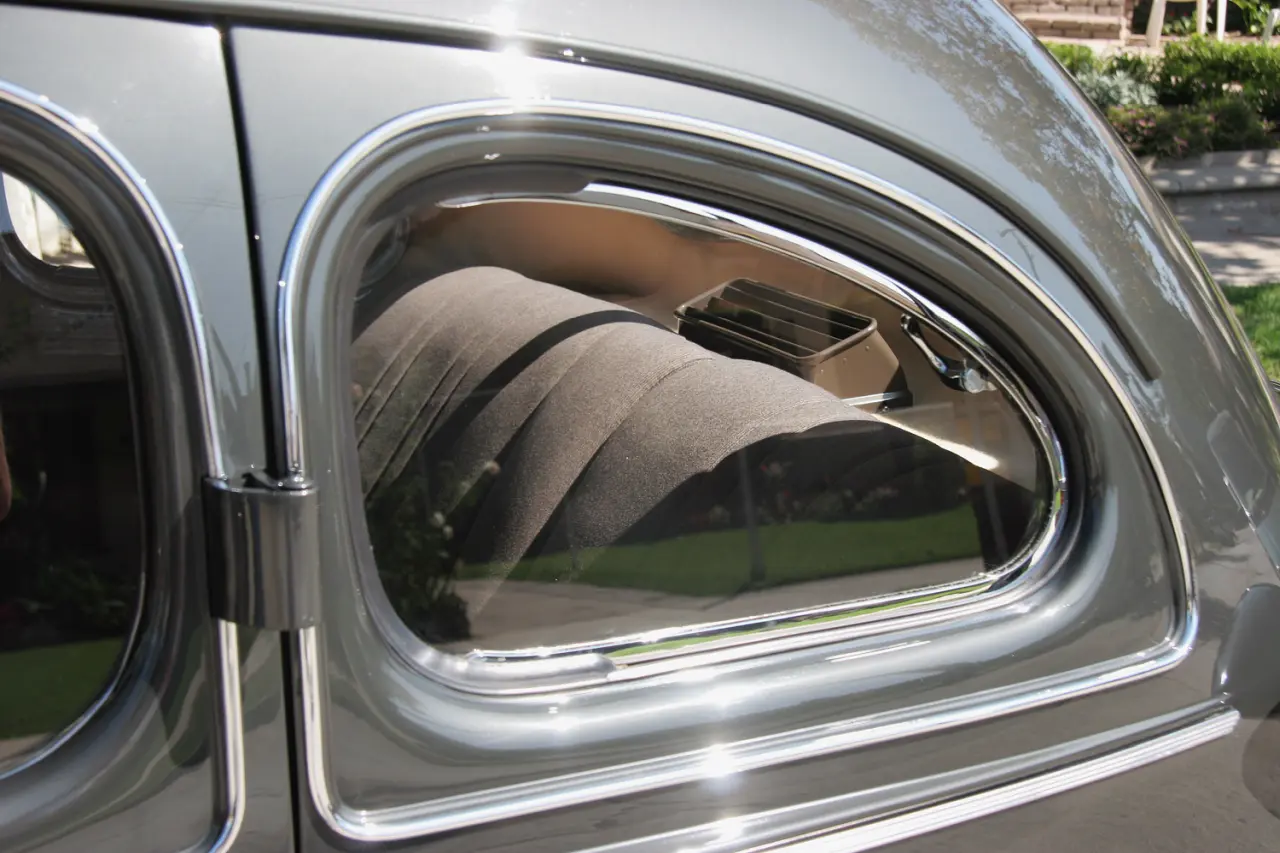
First Vehicle to Use the System: The power window system was used in the Packard 180 (1940). This system was based on an electric motor and a modern window regulator mechanism.
-
Inventor: The first power window regulator was developed by engineering teams working on hydraulic systems. Later, more efficient systems powered by electric motors were introduced.
From the 1950s to the 1980s: Electric Window Regulators and Safety Innovations
Window regulator technology developed rapidly from the 1950s onward:
-
Integration of Electric Motors: Electric motors were integrated into window regulators instead of manual crank handles, allowing users to control the windows simply by pressing a button.
-
Safety and Durability: Window regulators were equipped with anti-pinch sensors, making the systems safer and more durable.
-
New Materials and Designs: The transition from metal gears to plastic gears reduced manufacturing costs while also making the mechanisms operate more quietly.
How Does a Window Regulator Work?
A window regulator can operate manually or electrically. The basic operating principle of the system can be summarized as follows:
-
Manual Regulator: The user turns a crank handle. The movement of the handle is transferred through a gear mechanism, moving the window upward or downward.
-
Power Regulator: An electric motor is activated by a switch command and rotates the gear mechanism, which moves the window.
-
Lifting Mechanism: The mechanical assembly allows the window to move smoothly and evenly while keeping it properly supported.
Features of Modern Power Window Systems
From the 1980s onward, window regulator technology became increasingly integrated into the automatic systems used in modern vehicles:
-
One-Touch Control: With a short press of the switch, the user can fully open or close the window.
-
Anti-Pinch Mechanism: Sensors detect an obstruction while the window is closing and stop the motor, improving passenger safety.
-
Smart Systems: Today, window regulator technology has evolved to allow windows to be controlled through voice commands or touchscreen interfaces.
Window Regulators in Modern Vehicles
Modern power window systems feature durable, safe, and energy-efficient designs. Window regulators are manufactured with optimized designs that balance cost, reliability, and performance.
Integrated with intelligent vehicle systems, modern window regulators provide drivers and passengers with greater convenience and safety. They can also work together with other vehicle functions, such as remote locking, alarm systems, comfort access, and automatic closing features.
Conclusion
Power window systems have undergone significant evolution since their early applications, including systems such as those used in the Packard 180. The window regulator remains the fundamental component behind this technology.
What began as a simple manual mechanism eventually evolved into electric, intelligent, and highly integrated systems that play an important role in improving comfort and safety inside modern vehicles. The simple yet effective design of the window regulator remains one of the noteworthy examples of practical automotive engineering.