TR
TR EN
EN

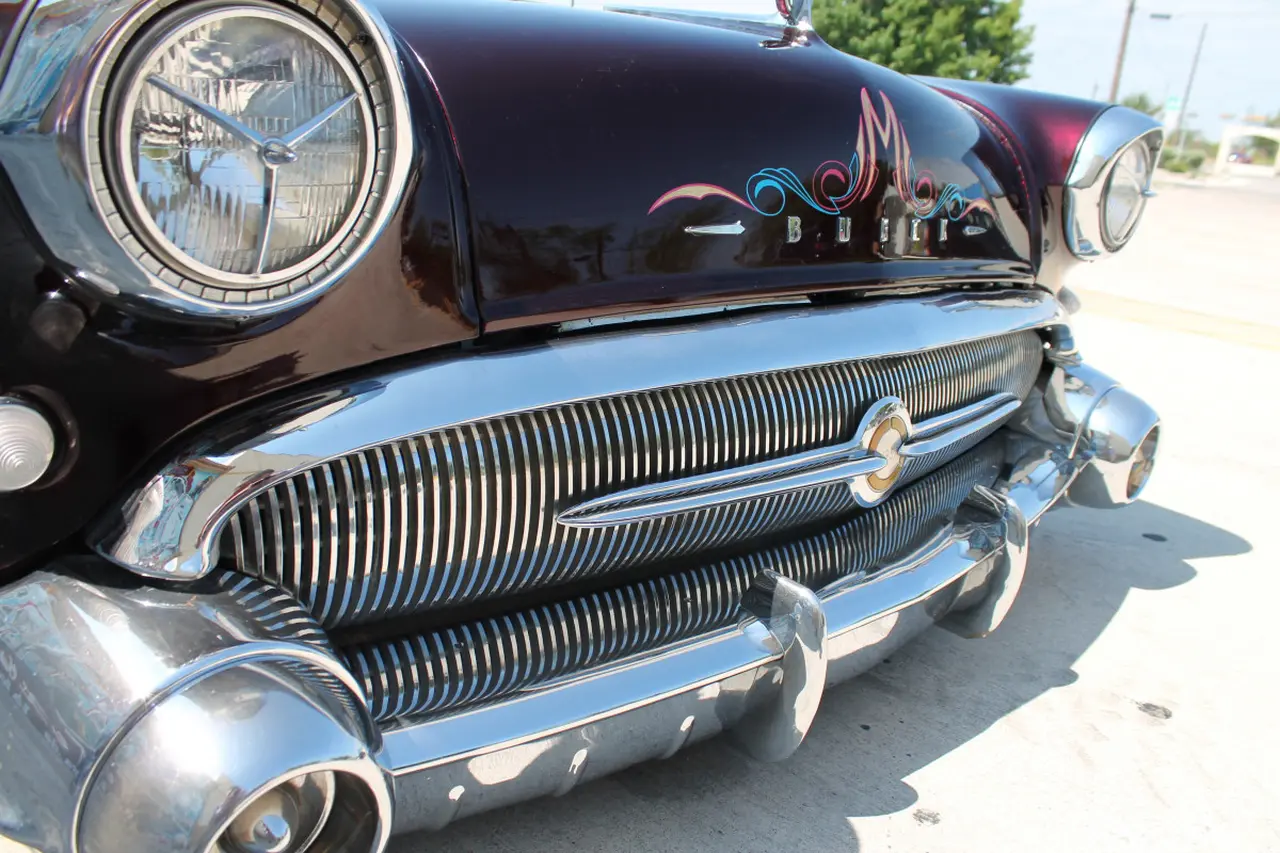
The Invention of the Bumper in Cars: History and Development
Bumpers are safety components installed at the front and rear of vehicles. They are designed to absorb energy during collisions, helping protect both the vehicle and its occupants. In the early days of the automotive industry, bumpers were regarded primarily as aesthetic accessories, but over time they began to play a critical role in vehicle safety. Here is a detailed look at the history and evolution of the automobile bumper.
The First Appearance of the Bumper
The idea of using bumpers in automobiles emerged from the need to reduce the risk of damage as vehicles became faster and more widespread.
-
1897: The first examples of automobile bumpers were designed by British inventor George Albert Lyon. These bumpers were made of rubber and were intended to protect vehicles during low-speed collisions.
-
1901: The first metal bumpers were developed by French automobile manufacturer Adolphe Clément-Bayard. These bumpers were mounted at the front of vehicles and were intended to limit damage during harder impacts.
The 1920s–1930s: Use in Mass Production
The adoption of bumpers as a standard feature developed alongside the growth of automobile production and increasing vehicle speeds.
-
1920s: Steel bumpers became widely used by American automobile manufacturers. In addition to providing protection during collisions, these bumpers were also designed as an important styling element.
-
1930s: Chrome-plated bumpers became particularly popular on luxury automobiles. During this period, greater attention was also given to shaping bumpers in a way that complemented the aerodynamic design of the vehicle.
The 1950s–1960s: Safety and Functionality
The increase in automobile accidents demonstrated the need for bumpers to become safer and more effective.
-
1950s: Although bumpers were still primarily made from rigid metal, rubber and plastic coverings began to be added. These materials helped absorb impact energy and reduce damage during collisions.
-
1968: In the United States, the National Highway Traffic Safety Administration (NHTSA) introduced bumper standards as part of broader efforts to improve vehicle safety. These requirements helped establish more consistent performance expectations for automotive bumpers.
The 1970s–1980s: Development of Plastic and Composite Materials
The plastic materials that form the basis of many modern bumper designs became increasingly common from the 1970s onward.
-
1970s: Automobile manufacturers introduced thermoplastic and polyurethane bumpers, offering reduced weight and greater flexibility. Their ability to absorb energy made them particularly effective in low-speed impacts.
-
1980s: As aerodynamic styling became increasingly important, bumpers began to be integrated more closely into the overall shape of vehicles. Plastic and metal structures were combined to provide a better balance between safety, appearance, weight, and functionality.
The 1990s–2000s: Impact Absorption Technologies
As automotive technology advanced, bumpers evolved beyond being simple protective components and became part of the vehicle's broader safety structure.
-
1990s: Energy-absorbing bumper systems were developed with reinforced metal beams and additional impact-absorbing structures behind the outer bumper cover. These systems helped manage crash energy and limit damage to other vehicle components.
-
2000s: Bumpers increasingly incorporated electronic systems such as parking sensors and components associated with vehicle safety and restraint systems.
The Modern Era: Intelligent Bumper Technologies
Today, bumpers have evolved into highly engineered components that combine structural protection, pedestrian safety, electronics, and vehicle design.
-
Adaptive Bumpers: Advanced systems can work with the vehicle's safety electronics to respond to different collision conditions and manage impact energy more effectively.
-
Pedestrian Protection Systems: Modern vehicles can incorporate deformable bumper structures and, in some designs, active pedestrian-protection technologies intended to reduce injury during a collision with a pedestrian.
-
Camera and Sensor Integration: Modern bumpers frequently house parking sensors, radar sensors, cameras, and other components used by parking assistance and collision-avoidance systems.
-
Material Technology: Lightweight and durable materials such as aluminum alloys, engineered plastics, composites, and other advanced materials are increasingly used in bumper construction.
How Do Automotive Bumpers Work?
Bumpers help manage collision energy and protect the vehicle's body structure during certain types of impacts. Their operation is based on several important principles:
-
Energy Distribution: The bumper structure spreads impact forces over a larger area, helping reduce localized loads.
-
Deformation Zones: Certain components are designed to deform during an impact, absorbing energy and limiting the forces transferred to the vehicle's main structure.
-
Energy-Absorbing Materials: Plastics, foams, rubber-like materials, and dedicated crash absorbers can dissipate impact energy and reduce the severity of the impact transmitted to other components.
-
Reinforcement Beams: Behind the outer bumper cover, structural beams and crash absorbers provide additional protection and help transfer loads into the vehicle's designed crash-management structures.
It is important to note that a bumper is not designed to protect occupants from every type of crash. Modern vehicle safety relies on the interaction of the bumper system with crumple zones, airbags, seat belts, the passenger compartment, and electronic safety systems.
From a Simple Protector to a Complex Safety Component
The history of the automotive bumper reflects the broader development of vehicle safety. Early bumpers were relatively simple components designed primarily to protect the vehicle from minor impacts. As automobiles became faster and crash safety became a greater concern, their construction, materials, and energy-management characteristics evolved.
Today, the bumper is no longer simply a metal bar attached to the front or rear of a vehicle. It is a carefully engineered assembly that can include an outer cover, reinforcement beam, energy absorber, brackets, sensors, cameras, radar equipment, and pedestrian-protection technology.
Conclusion
Automotive bumpers have undergone a remarkable transformation over more than a century. From early rubber and metal designs to today's lightweight, energy-absorbing and sensor-integrated systems, bumpers have evolved alongside the rest of the automotive industry.
What began as a relatively simple protective accessory has become an important part of modern vehicle design, combining safety, engineering, aerodynamics, pedestrian protection, electronics, and aesthetics in a single area of the vehicle.